My First Breath of Mountain Air: Redefining 'Impossible'
I stepped off the train and the crisp, pine-scented air hit me like a jolt of pure adrenaline. It wasn't just the altitude; it was the palpable sense of freedom. For years, the idea of strapping into a harness, feeling the wind rip past, and soaring through the sky felt like a distant, unattainable dream. The whispers of "you can't" had been loud, persistent. But here I was, at the foot of the towering Alps, about to defy them all. This wasn't just a trip; it was a declaration of independence, a testament to how far inclusive adventure has come.
The Dawn of Accessible Thrills: Beyond the 'Possible'
The landscape of adventure travel is undergoing a seismic shift. What was once considered the exclusive domain of the able-bodied is rapidly becoming a playground for everyone. Gone are the days of simply watching from the sidelines. Today, with innovative adaptations, specialized gear, and passionate instructors, disabled travelers are not just participating; they're leading the charge in extreme sports. We’re talking about adrenaline-pumping, heart-stopping, life-affirming experiences that were once relegated to the realm of fantasy.
Adaptive Skydiving: Kissing the Clouds
Imagine the sheer exhilaration of freefall, the world a blur of blues and greens below. Adaptive skydiving makes this a tangible reality. Specialized harnesses and tandem jumps with highly trained instructors ensure safety and an unforgettable experience.
- The Experience: It’s a symphony of sensations – the roar of the wind, the stomach-dropping descent, the surreal stillness of floating under canopy. The instructors are your lifeline, your co-pilot in this aerial ballet.
- Pro-Tip: Many skydiving centers offer introductory tandem jumps specifically for disabled individuals. Research centers with dedicated adaptive programs and read reviews from other disabled jumpers. Communication with the center before booking is crucial to discuss specific needs and equipment.
- Insider Lingo: "The jumpmaster will brief you on the 'exit,' 'freefall,' and 'canopy deployment.' Listen carefully, they’re your guide through the sky!"
Accessible Scuba Diving: Unveiling the Aquatic Unknown
The silent world beneath the waves beckons. Adaptive scuba diving opens up a universe of coral gardens, vibrant marine life, and a profound sense of weightlessness. It’s a chance to explore a realm few ever witness.
- The Experience: Drifting through a reef, sunlight dappling through the water, watching a sea turtle glide past with effortless grace – it’s a meditative, awe-inspiring journey. The feeling of buoyancy is liberating, a stark contrast to the forces we navigate on land.
- Pro-Tip: Look for dive centers affiliated with organizations like the Handicapped Scuba Association (HSA) or DiveAbility. These centers have certified instructors and specialized equipment, including sit-skis and adapted buoyancy control devices (BCDs).
- Quick Facts - Adaptive Scuba Diving:
- Estimated Cost: $150 - $300 per introductory dive/course.
- Best Time to Visit: Warm, clear water conditions are ideal. Tropical destinations often offer the best visibility.
- How to Get There: Requires proximity to a suitable body of water (ocean, large lake). Research dive resorts that cater to accessible tourism.
Adaptive Surfing: Riding the Crest of Empowerment
The ocean's raw power, channeled and conquered. Adaptive surfing uses specialized boards and techniques to allow individuals with mobility impairments to catch waves and experience the thrill of riding them to shore.
- The Experience: The sheer power of a wave lifting you, the spray of saltwater on your face, the focus required to balance and ride – it’s a potent cocktail of adrenaline and accomplishment. You feel the rhythm of the ocean in a way that’s both humbling and empowering.
- Pro-Tip: Seek out surf schools with adaptive programs. They often have wider, more stable boards and experienced instructors who can assist with positioning and paddling. Many programs operate on a volunteer basis, so check for local adaptive surf clubs.
- Insider Lingo: "The instructor will help you find your 'sweet spot' on the board for optimal balance. It’s all about feeling the wave's push."
Adaptive Rock Climbing: Scaling New Heights
The vertical world awaits. Adaptive rock climbing utilizes specialized harnesses, ropes, and belay systems to enable individuals with various disabilities to ascend rock faces, experiencing the challenge and reward of reaching the summit.
- The Experience: The rough texture of the rock under your fingertips, the focused exertion of each movement, the panoramic view from higher up – it’s a physical and mental puzzle that culminates in a profound sense of achievement. The trust placed in your belayer is immense.
- Pro-Tip: Many climbing gyms offer adaptive programs. Look for gyms with accessible routes and instructors trained in adaptive techniques. Outdoor guiding services with adaptive expertise are also becoming more common.
- Quick Facts - Adaptive Rock Climbing:
- Estimated Cost: $50 - $150 for a gym session or guided outdoor climb.
- Best Time to Visit: Indoor gyms are year-round. Outdoor climbing is best in fair weather, spring through fall.
- How to Get There: Accessible climbing gyms are increasingly available in major cities. For outdoor climbing, research accessible trailheads leading to climbing areas.
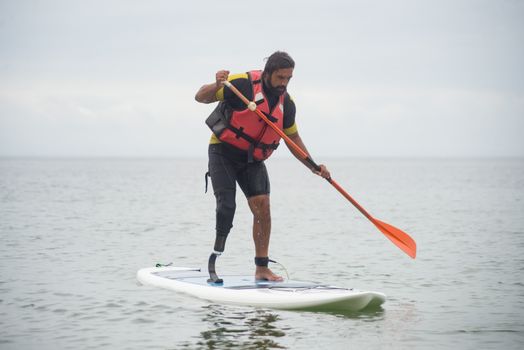
Accessible Kayaking & Canoeing: Gliding Through Serenity
Paddling through calm waters, exploring hidden coves, or navigating gentle rapids – accessible kayaking and canoeing offer a more serene yet still adventurous way to connect with nature.
- The Experience: The gentle dip of the paddle, the quiet glide across the water's surface, the feeling of being at one with the environment. It’s a chance to immerse yourself in the sounds of nature – birdsong, lapping water, rustling reeds.
- Pro-Tip: Many kayak and canoe rental outfits now have adaptive seating options and specialized paddles. Look for locations with accessible launch points and calm waters for beginners. Guided tours are excellent for beginners.
- Insider Lingo: "You'll learn about proper 'stroke technique' and how to 'read the water' for the smoothest ride."
Paragliding for All: Soaring with the Eagles
Experience the ultimate freedom of flight with adaptive paragliding. Tandem flights with experienced pilots allow individuals with disabilities to feel the wind beneath their wings and witness breathtaking landscapes from a unique perspective.
- The Experience: The surreal sensation of lifting off the ground, the panoramic vistas unfolding before you, the quiet hum of the wind – it's an unparalleled sense of liberation. It's like being a bird, unbound by gravity.
- Pro-Tip: Similar to skydiving, seek out paragliding schools that explicitly offer tandem flights for individuals with disabilities. They will have pilots experienced in assisting passengers with varying needs.
- Quick Facts - Paragliding:
- Estimated Cost: $200 - $400 per tandem flight.
- Best Time to Visit: Stable weather conditions, typically spring through fall, with minimal wind.
- How to Get There: Paragliding sites are often in mountainous or hilly regions with good launching points. Research accessible transport to these locations.
The 'How-To': Making Your Accessible Adventure a Reality
Embarking on an extreme sport adventure as a disabled traveler requires thoughtful planning, but the rewards are immeasurable. Here’s your roadmap to making it happen:
1. Research, Research, Research!
- Specialized Operators: Look for companies and organizations that specifically cater to adaptive sports. Their websites will often detail their accessibility features, equipment, and instructor certifications.
- Reviews & Testimonials: Seek out reviews and testimonials from other disabled travelers who have participated in the same activities. Their insights are invaluable.
- Destination Accessibility: Beyond the sport itself, consider the accessibility of the destination – accommodation, transportation, and local amenities.
2. Communication is Key
- Be Upfront: When contacting providers, be completely transparent about your disability, your specific needs, and any equipment you require.
- Ask Detailed Questions: Don't hesitate to ask about:
- The type of adaptive equipment used.
- The experience level of instructors with disabled participants.
- Emergency procedures and safety protocols.
- The physical demands of the activity and how they can be modified.
3. Gear Up (Smartly)
- Provider's Equipment: In most cases, the specialized adaptive equipment will be provided by the operator.
- Personal Aids: If you use personal mobility aids or other assistive devices, discuss how they can be accommodated during the activity.
- Appropriate Clothing: Dress in comfortable, layered clothing suitable for the activity and weather conditions.
4. Buddy Up & Trust Your Guides
- Tandem Partners: For activities like skydiving and paragliding, your tandem pilot is your lifeline. Trust their expertise and follow their instructions implicitly.
- Support Networks: For some activities, having a dedicated support person or buddy can enhance the experience and provide an extra layer of comfort.
5. Mindset: Embrace the Journey
- Patience is a Virtue: Sometimes, the planning process can take longer. Be patient and persistent.
- Focus on the Experience: While logistics are important, remember why you’re doing this – for the thrill, the challenge, and the sheer joy of pushing your boundaries.
Budgeting Your Bold Adventure
The cost of accessible extreme sports can vary significantly. Here's a general breakdown to help you budget:
| Activity | Estimated Cost (per person) | Notes |
| :----------------------- | :-------------------------- | :--------------------------------------------------------------------- |
| Adaptive Skydiving | $250 - $500+ | Tandem jumps, includes professional filming/photos often as add-on. |
| Accessible Scuba Diving | $150 - $300+ | Introductory dives or certification courses. |
| Adaptive Surfing | $75 - $200+ | Lessons and board rental. Some clubs are donation-based. |
| Adaptive Rock Climbing | $50 - $150+ | Gym entry/rental or guided outdoor session. |
| Accessible Kayaking | $40 - $100+ | Rentals or guided tours. |
| Paragliding | $200 - $400+ | Tandem flight with instructor. |
Pro-Tip:
Look for grants or scholarships from disability-focused organizations that may help offset the costs of adaptive travel and adventure activities.
Destinations That Dare
While many locations offer adaptive sports, some are emerging as true hubs for disabled adventurers:
- Lake Tahoe, USA: Renowned for its adaptive ski and snowboard programs, it also offers accessible kayaking and boating.
- Queenstown, New Zealand: The 'Adventure Capital of the World' is increasingly embracing inclusivity, with operators offering adaptive bungee jumping, skydiving, and jet boating.
- Costa Rica: Known for its incredible biodiversity and eco-tourism, Costa Rica is developing more accessible zip-lining, white-water rafting, and surfing experiences.
- The Alps (Switzerland, Austria, France): A mecca for winter sports, many resorts now have excellent adaptive ski and snowboard schools. Summer offers incredible opportunities for adaptive hiking and paragliding.
- Australia: From accessible surfing beaches in Sydney to adaptive diving in the Great Barrier Reef, Australia is making strides in inclusive adventure.
The Unseen Beauty: Beyond the Adrenaline Rush
It's not just about the drop, the wave, or the climb. It's about the feeling. It's the quiet confidence that blossoms when you overcome a challenge you were told you couldn't. It's the shared laughter with an instructor who sees your potential, not your limitations. It's the profound connection with nature, experienced in a way that’s both exhilarating and deeply personal. The scent of salt spray on your face, the roar of the wind in your ears, the rough texture of rock beneath your fingertips – these are the sensory souvenirs that last a lifetime.
This isn't just about ticking off a bucket list item; it's about reclaiming agency, about rewriting the narrative of what's possible. So, what are you waiting for? The world of extreme sports is ready for you.