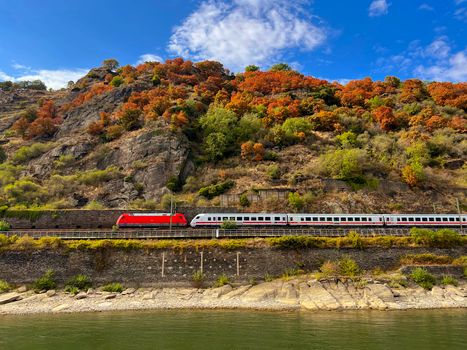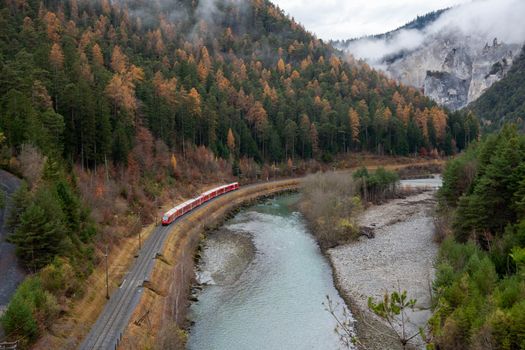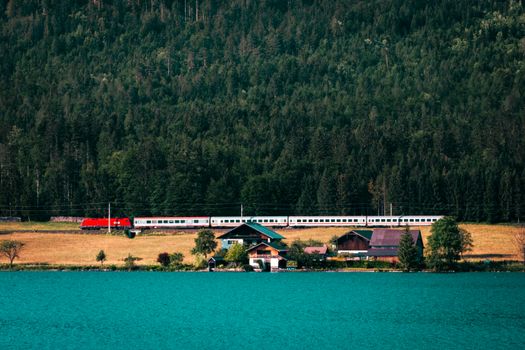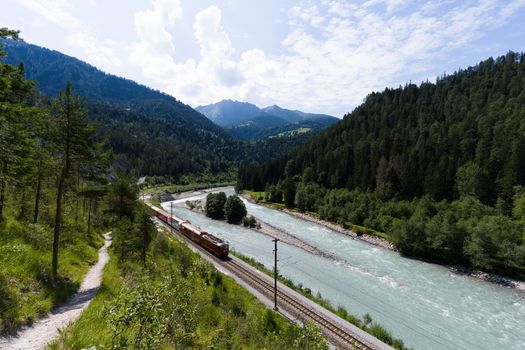
I woke up to the smell of strong espresso and warm, flaky croissants, served on a plastic tray that rattled gently against the cherry-wood paneling of my sleeper cabin. Looking out the window of the ÖBB Nightjet, the morning mist was just beginning to peel off the jagged, snow-capped peaks of the Austrian Alps near Villach. A few hours earlier, I had fallen asleep in the heart of Vienna; in less than ninety minutes, I would step onto the platform at Venezia Santa Lucia, with the salty air of the Adriatic Sea hitting my face.
No airport security, no lost luggage anxiety, and zero carbon guilt. Just pure, uninterrupted motion.
If you want to experience Europe in its most authentic, romantic, and highly efficient form, you must do it on the tracks. But navigating Europe’s multi-country rail network isn't just about showing up at the station and buying a ticket. To do it successfully in 2025, you need to understand the data, the changing market dynamics, and the booking anomalies that the rail companies don’t want you to know.
---
1. The 2024/2025 European Rail Landscape: The Data-Driven Revolution
The European rail network is undergoing its biggest transformation since the introduction of the high-speed TGV in the 1980s. According to the European Commission's latest market monitoring reports, the liberalization of passenger rail services has completely transformed the continent's train landscape.
```
[Madrid] <--- (Renfe AVE vs. Iryo vs. Ouigo: Prices down 40%) ---> [Barcelona]
[Paris] <--- (SNCF TGV vs. Trenitalia Frecciarossa) ------------> [Milan]
```
In Spain, the entry of low-cost competitors like