Hygiene is one of the things travelers think about most when choosing where to stay and eat, yet it can be hard to judge from the outside. Standards differ between countries, between cities and even between neighboring businesses. Many places operate inspection systems or voluntary certification schemes, and visitors can often find information that helps them make informed choices. This guide explains which hygiene signals travelers can check, what certifications typically mean, and simple habits that reduce the risk of illness on any trip.
Hotels and accommodation
Cleanliness in accommodation is usually visible on arrival. Look at the state of bedding, bathrooms, floors and surfaces, and notice whether the room smells fresh. Many hotels publish their cleaning protocols or hygiene commitments on their websites, and some participate in recognized certification programs. Reviews can offer useful clues, particularly when several guests mention the same issue, though individual reviews should be read with some caution. If you find a problem on arrival, report it to staff promptly so it can be addressed. Some travelers also carry a small set of supplies, such as disinfectant wipes, for surfaces they touch often.
Restaurants and food stalls
Food safety is often assessed through local hygiene inspections. In some countries, restaurants display inspection ratings or hygiene grades in the window or on their menus, and these can be a helpful guide. Where grades are not displayed, look for signs of good practice: clean preparation areas visible from the front, food kept covered and at appropriate temperatures, and staff who handle money and food with separate tools or gloves. Busy venues with high turnover often serve food that is fresh, though this is not a guarantee. Choosing freshly cooked dishes served hot is a commonly recommended approach, and undercooked or raw items may carry higher risk in some settings.
Understanding certification schemes
Certifications and grades vary widely. Some are government inspection systems, where results are published and must be displayed. Others are voluntary schemes run by industry bodies, tourism agencies or private organizations, and they may focus on specific standards such as sanitation, allergen handling or sustainability. The meaning of a certificate depends on the scheme, the scope of the inspection and how recent it is. Check the issuing organization and the date, and treat certificates as one useful signal alongside your own observations. A certificate does not replace common sense.
Transport and public spaces
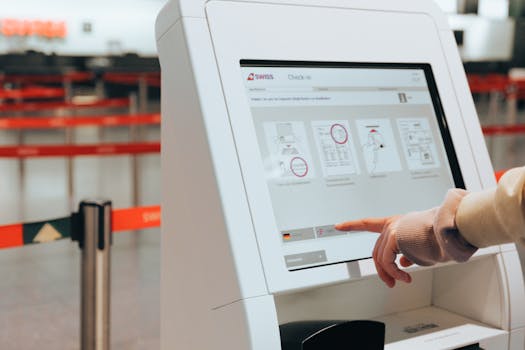
Public transport and transit hubs see heavy use, so surfaces such as handrails, seats and ticket machines can carry more germs than other places. Many operators clean vehicles and stations on set schedules, and some publish their cleaning practices. Aircraft cabins are typically cleaned between flights, though the depth of cleaning varies by airline and route. On long journeys, you can reduce exposure by washing your hands regularly, keeping a personal hand sanitizer, and using your own water bottle. Simple habits matter more than any single measure.
Everyday habits that help
Good personal habits make the biggest difference. Wash your hands with soap and water when possible, especially before eating and after using toilets or touching public surfaces. Use hand sanitizer with a high alcohol content when water is not available, and remember that it does not remove all types of germs or visible dirt. Avoid touching your face, particularly your eyes, nose and mouth, after handling shared items. Drink water from safe sources, and check local advice on tap water, since guidance differs by destination. Keep your vaccinations and routine health checks up to date, and check travel health advice for your destination well before you leave.
Water, ice and safe drinking
Local water safety varies. In some destinations tap water is safe to drink, while in others it is advised to use bottled, boiled or filtered water. Check current advice from official health agencies for your destination, and be cautious with ice, salads washed in local water and street food that has been left out. Sealed bottled drinks are generally a reliable choice when you are unsure. Carrying a water filter or purification tablets can be useful on longer trips, particularly in remote areas.
Practical tips
- Look for hygiene grades or inspection ratings where they are displayed.
- Check the certification issuer and date before relying on a badge.
- Wash or sanitize your hands before eating and after using public transport.
- Choose freshly cooked food served hot, and be cautious with buffets left out for long periods.
- Check official health advice for tap water and food safety at your destination.
Hygiene standards are only one part of staying healthy on the road, but they are a useful part to understand. By reading the signals that businesses provide, recognizing the limits of certification and maintaining simple personal habits, you can make more confident choices wherever you travel.