The aroma of freshly baked bread mingled with the scent of strong coffee and a hint of something distinctly floral. I sat on a wobbly plastic stool at a tiny, unassuming café in Lisbon’s Alfama district, nursing a bica (espresso) and a pastel de nata. Around me, elderly locals chatted animatedly in Portuguese, children darted past on their way to school, and the morning sun cast long shadows down cobblestone alleys. This wasn't a recommendation from a guidebook; it was a discovery, a moment of pure, unadulterated local life.
Just a few years prior, my travel style was different. I’d rush from landmark to landmark, camera in hand, ticking off sights like items on a grocery list. I remember my first trip to Rome, standing shoulder-to-shoulder with hundreds of other tourists at the Trevi Fountain, tossing a coin, feeling a fleeting moment of awe, but also a sense of detachment. It was beautiful, yes, but was I experiencing Rome, or just observing it?
That question sparked a revolution in how I travel. I realized the most profound connections, the most vivid memories, and the most delicious meals weren't found in crowded plazas or Michelin-starred restaurants, but in the heart of local life. This isn't just about saving money (though it often does!), it's about enriching your soul. It's about trading the curated postcard view for the messy, beautiful reality. And trust me, once you go local, you’ll never want to travel any other way.
Are you ready to truly live a destination, not just visit it? Let’s dive into how you can unlock the magic of living like a local, no matter where your wanderlust takes you.
1. The Mindset Shift: Why Go Local? (And What It Really Means)
Before we get into the practicalities, let's talk philosophy. "Living like a local" isn't about pretending you're from there or abandoning your identity. It's about open-mindedness, curiosity, and a willingness to step outside your comfort zone. It's about seeking connection over consumption.
What it IS:
* Deep Immersion: Understanding the rhythms of daily life, the nuances of culture, and the local perspective.
* Authentic Connection: Building genuine relationships, even fleeting ones, with people from different backgrounds.
* Unforgettable Memories: Creating stories that aren't replicable from a tour bus window.
* Sustainable Travel: Supporting local economies directly, minimizing your footprint, and fostering cultural respect.
* Budget-Friendly: Often, local prices are significantly lower than tourist-inflated ones.
What it ISN'T:
* Strict Imitation: You don't need to fake an accent or pretend you know everything.
* Avoiding All Tourist Sights: It's okay to see the Eiffel Tower! Just balance it with local exploration.
* Always Easy: It can be challenging, but that's where the growth happens.
My biggest "aha!" moment came in Medellín, Colombia. Instead of booking a typical city tour, I spent a week living in an Airbnb in the Laureles neighborhood. I took morning walks, bought fruit from the local tienda, and learned some basic salsa steps at a neighborhood bar. I saw the city through the eyes of its residents, not just a guide. The transformation from a city once feared to one I deeply admired was profound, simply because I allowed myself to be part of its everyday pulse.
2. Research & Preparation: Your Local Toolkit Before You Go
The journey to local living starts long before you pack your bags. Smart preparation can be the difference between a tourist trap and a hidden gem.
- Language Basics are Your Superpower: Even a few phrases (hello, please, thank you, excuse me, where is?) can open doors and warm hearts. Duolingo, Babbel, or even a phrasebook are invaluable. I once fumbled through ordering coffee in rural Vietnam using only gestures and a few broken Vietnamese words, and the sheer delight on the barista's face, followed by a free pastry, was priceless. It showed I was trying.
- Dive into Online Communities: Before arriving, join Facebook groups for expats or locals in your destination (e.g., "Expats in Rome," "Digital Nomads Lisbon"). Read Reddit threads on local recommendations. These are goldmines for insider tips on everything from the best local markets to reliable transport.
- Read Local Blogs & News: Seek out blogs written by residents, not just travel sites. This gives you a pulse on current events, local happenings, and what matters to the people living there.
- Choose Your Home Wisely – Go Beyond Hotels:
- Airbnb/Local Guesthouses: Opt for places with local hosts who are keen to share tips. Look for reviews that mention "local neighborhood" or "authentic experience." My Airbnb host in Kyoto, Japan, provided a hand-drawn map of her favorite local ramen spots and a tiny, serene temple off the main tourist path. Best. Map. Ever.
- Homestays/Couchsurfing: The ultimate immersion. You're living directly with locals, sharing meals, and experiencing their daily routines firsthand. This isn't just accommodation; it's cultural exchange.
- Long-Term Rentals: If you plan to stay for weeks or months, consider a monthly rental. Websites like HousingAnywhere or local real estate groups can help.
- Connectivity is Key: Get a local SIM card as soon as you arrive. It’s cheaper, provides better coverage, and allows you to use local apps for transport, food delivery, and communication. In many countries, you can pick one up at the airport or any convenience store for a few dollars/euros. For example, a local SIM in Thailand costs around 200-300 THB (~$6-9 USD) for unlimited data for a week.
3. Immersion on the Ground: Daily Life & Discovery
Now that you're there, it's time to truly live. This means integrating into the daily rhythm, rather than just passing through.
- Master Local Transportation: Ditch taxis for public transport. It's cheaper, more environmentally friendly, and offers a window into local life. Learn the bus routes, metro lines, or even how to hail a boda-boda (motorcycle taxi) in Kampala. In Tokyo, navigating the intricate subway system was an adventure in itself, but it connected me to every corner of the city, from the bustling Shibuya crossing to the quiet residential streets of Yanaka. A 24-hour Tokyo Metro pass costs around 600 yen (~$4 USD).
- Eat Where the Locals Eat (and Shop):
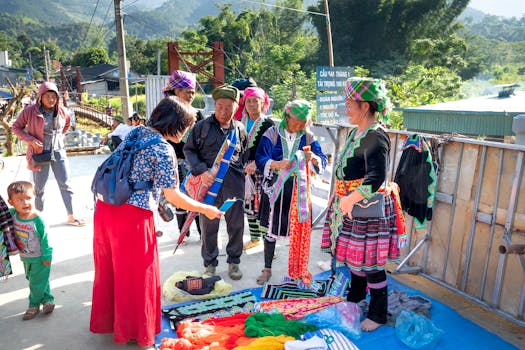
- Local Markets: This is non-negotiable. Forget supermarkets; head to the vibrant, chaotic, and utterly authentic local markets. Taste exotic fruits, haggle (respectfully!) for spices, and observe daily interactions. The Mercado de San Telmo in Buenos Aires isn't just a place to buy produce; it's a sensory explosion, a social hub, and a place to grab an incredible choripán for just a few dollars.
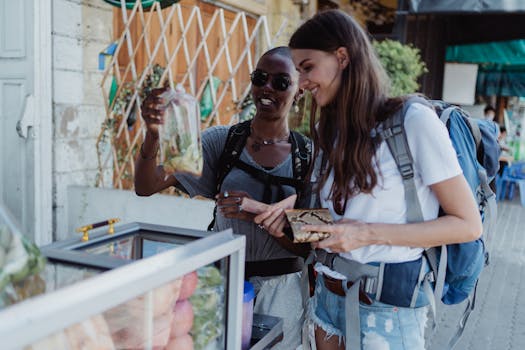
- Street Food: Often the most delicious, cheapest, and authentic food you'll find. Look for stalls with long lines of locals. A €5 street food meal in Rome (think supplì or a trapizzino) can be more satisfying than a €30 pasta dish in a tourist trap. In Southeast Asia, hawker centers (like those in Singapore or Penang) offer an endless array of incredible dishes for a few dollars.
- Cooking Classes: Learn to make local dishes. This is an incredible way to understand the culture through its cuisine. I took a pasta-making class in a small village outside Florence, and not only did I learn to make perfect tagliatelle, but I shared stories and laughter with the local nonna who taught us.
- Avoid Tourist Restaurants: If you see menus in five languages with pictures of the food, run. Ask locals for recommendations, or simply wander a few blocks off the main drag.
- Embrace the Local Language (Even Imperfectly): Keep practicing those basic phrases. Don't be afraid to make mistakes; locals appreciate the effort. Even a simple "Obrigado" in Portugal or "Gracias" in Spain goes a long way. It often leads to smiles, better service, and sometimes, unexpected conversations.
4. Beyond the Obvious: Unearthing Hidden Gems
The magic truly begins when you venture beyond the guidebook's highlights. This is where you find the stories, the quiet beauty, and the unexpected joys.
- Ask, Ask, Ask Locals! This is your most powerful tool. Don't just ask your host. Ask the barista, the shopkeeper, your taxi driver, the person next to you on the bus. "What's your favorite local spot?" "Where do you go on a Sunday afternoon?" "Is there a good market nearby that tourists don't know about?" I once asked a bartender in Edinburgh for a "real local pub," and he sent me to a tiny, ancient place tucked down an alley, where I ended up joining a lively pub quiz and making friends with a group of Scottish university students.
- Follow Your Feet (and Your Nose): Wander aimlessly. Turn down that intriguing alleyway. Let your senses guide you. You might stumble upon a vibrant street art installation, a hidden garden, or a tiny bakery with the most incredible pastries. My best discoveries in Paris weren't the Louvre or Notre Dame, but the quiet bookstores in the Latin Quarter and the charming, off-the-beaten-path cafes in Le Marais.
- Seek Out Local Events: Check local listings for festivals, concerts, art exhibitions, farmers' markets, or even local sports games. Attending a football (soccer) match in South America or Europe is an electrifying cultural experience, far removed from the polished tourist attractions. The passion, the chants, the shared excitement – it’s unforgettable. I remember the roar of the crowd at a Boca Juniors game in Buenos Aires; it was less about the sport and more about the collective soul of the city.
- Explore Neighborhoods, Not Just Landmarks: Instead of just visiting the "city center," pick a few distinct neighborhoods and spend dedicated time in each. Walk their streets, visit their local shops, sit in their parks. Each neighborhood often has its own unique vibe and identity. In New York City, for instance, compare the energy of Greenwich Village to the quiet brownstones of Brooklyn Heights – both distinct, both offering a slice of local life.
- Consider Volunteering or Workaway: If you have more time, this is an incredible way to integrate. Working alongside locals, contributing to a community project, or helping on a farm provides unparalleled insight and connection. It's genuine cultural exchange.
5. Embrace the Pace: Slow Travel & Deep Dives
One of the biggest shifts in living like a local is slowing down. Ditch the frantic itinerary and allow yourself to truly settle in.
- Stay Longer: The longer you stay in one place, the deeper your connection will be. A weekend trip is a taste; a week or more is an immersion. You start to recognize faces, understand routines, and feel a sense of belonging.
- Adopt a Local Haunt: Find a favorite coffee shop, bakery, or bar. Become a regular. The staff will start to recognize you, and you might even strike up conversations with other regulars. This creates a sense of community. In Oaxaca, Mexico, I found a tiny mezcalería where the owner, Don Ricardo, would share stories and different mezcal varieties each evening. It became my "living room" away from home.
- Establish a Routine: Go for morning runs in a local park, visit the same market vendor, or take a language class. Routines help you feel grounded and connected to the daily life of the place.
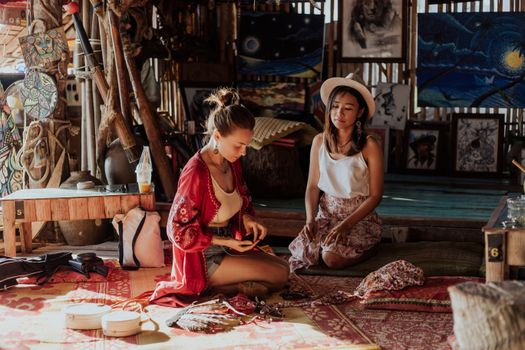
- Learn a Local Skill or Hobby: Take a pottery class in Morocco, learn to surf in Costa Rica, or try a traditional dance class in India. This isn't just a fun activity; it's a way to interact with locals in a shared interest and gain a new perspective.
6. Responsible & Respectful Localism: Be a Good Guest
Living like a local also means being a responsible and respectful traveler. You are a guest in someone else's home, and it's vital to act accordingly.
- Support Local Businesses: Choose locally owned shops, restaurants, and tour operators. Your money directly benefits the community, rather than large international corporations. Look for the "mom and pop" shops.
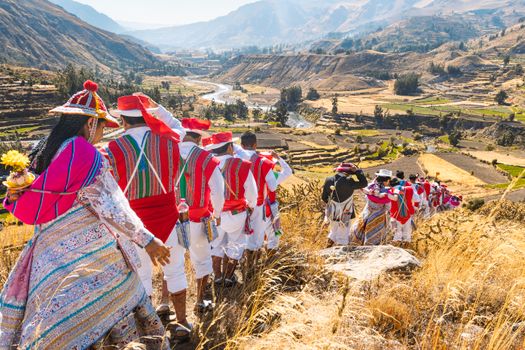
- Respect Local Customs & Traditions: Research cultural etiquette beforehand. Dress appropriately, especially when visiting religious sites. Learn about local greeting customs, dining etiquette, and social norms. In many Asian countries, removing your shoes before entering a home or temple is essential. In some Middle Eastern countries, modest dress is expected.
- Minimize Your Environmental Impact: Reduce plastic use, conserve water and energy, and dispose of waste properly. Leave no trace.
- Be Mindful of Your Photography: Always ask for permission before taking photos of people, especially children. Avoid being intrusive or making people feel like objects.
- Learn About the Local History & Politics: A deeper understanding of the country's past and present context enriches your experience and allows for more informed and respectful interactions.
- Be Patient and Flexible: Things might not always go as planned, and systems might be different from what you're used to. Embrace the differences with a positive attitude. A delayed bus or a miscommunication can often lead to an unexpected adventure.
- Be an Ambassador: Remember you represent your own culture. Be polite, open, and curious. Share your own stories and culture when appropriate, fostering a genuine exchange.
The Unforgettable Journey Awaits
Trading the tourist trail for the path less traveled isn't just a different way to see the world; it's a different way to be in the world. It’s about replacing fleeting snapshots with enduring connections, superficial observations with profound understanding, and simply visiting with truly living.
From haggling for fresh produce in a bustling Moroccan souk, to sharing a laugh over a strong espresso with a tiny Italian barista, to navigating the intricate dance of a Japanese subway, these are the moments that truly define travel. These are the experiences that shift your perspective, broaden your horizons, and stay with you long after you've returned home.
So, next time you plan a trip, challenge yourself. Ditch the rigid itinerary, embrace the unknown, and open your heart to the messy, beautiful reality of living like a local. It will be the most rewarding journey you've ever taken, a chapter in your life story you'll revisit again and again.
What's your favorite "live like a local" memory? Share your stories and tips in the comments below, and inspire fellow Tripsora adventurers to unlock their own authentic journeys!
---