The year was 2012, and I was standing on the Spanish Steps in Rome, utterly overwhelmed. Hordes of tourists, selfie sticks galore, and a distinct feeling that I was observing, not participating. I’d seen the Colosseum, thrown a coin in the Trevi Fountain, and eaten pasta in a restaurant with an English menu. Yet, something was missing. I felt like an outsider, a spectator in a grand show.
Fast forward five years. I’m in a small, bustling izakaya in Kyoto, Japan. There’s no English menu, and I’m the only non-local. With a smile and a few broken Japanese phrases, I point to dishes, laugh with the owner, and share sips of sake with a salaryman next to me. The food is incredible, the atmosphere electric, and for the first time, I felt truly in a place, not just at it. This wasn't a tourist experience; it was life, unfolding around me, and I was part of it.
That moment in Kyoto, and countless others since, taught me a profound truth: the most unforgettable travel experiences don't come from crowded landmarks, but from the quiet, authentic rhythms of local life. It's about shedding the tourist skin and embracing the unknown, connecting with people, and savoring the everyday. It's about living like a local.
And trust me, you need to experience this before you die.
If you’re ready to trade in your guidebook for genuine encounters, your sterile hotel room for a home, and your tourist traps for hidden gems, then you’ve come to the right place. This isn't just a travel guide; it's a manifesto for a richer, more meaningful way to explore our incredible world.
1. The Mindset Shift: From Tourist to Temporary Resident
The first and most crucial step to living like a local is a fundamental shift in your perspective. You’re not just passing through; you're temporarily embedding yourself. This means letting go of the "must-see" checklist mentality and embracing curiosity, flexibility, and a willingness to be uncomfortable.
- Ditch the Tourist Traps: They’re often overpriced, crowded, and designed for quick consumption, not genuine experience. Instead of queuing for hours at the Eiffel Tower, find a less-known park nearby, grab a baguette, and watch Parisians live their lives.
- Embrace the Unknown: The best discoveries are rarely planned. Allow for spontaneity. Say "yes" to an unexpected invitation (within reason, of course!). Get lost. Seriously. Some of my most cherished memories came from wrong turns that led to charming alleyways or local festivals.
- Learn the Lingo (Even a Little): You don't need to be fluent, but mastering a few basic phrases – "hello," "thank you," "please," "excuse me," "how much?" – is a game-changer. In Vietnam, a simple "Chào bạn" (hello friend) and "Cảm ơn" (thank you) opened doors to warm smiles and better interactions, especially in small villages where English was rare. Duolingo or Google Translate are your best friends here.
- Slow Down: This isn't a race. Instead of rushing through five cities in a week, pick one or two places and spend a week or more in each. This gives you time to settle in, understand the local pace, and discover hidden corners. My two weeks in Oaxaca, Mexico, allowed me to truly understand its vibrant culture, from mezcal production to traditional textiles, far beyond a quick weekend trip.
2. Eat Like a Local, Live Like a King (on a Budget!)
Food is the ultimate gateway to a culture. To truly live like a local, you must eat like one. Forget the fancy restaurants catering to tourists; seek out where the locals gather.
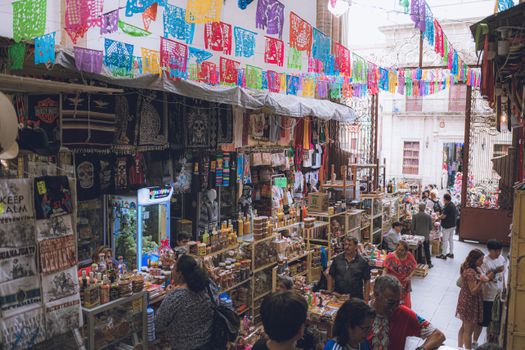
- Hit the Markets: This is non-negotiable. Local markets (think mercados, souks, wet markets) are sensory explosions and the heart of any community. You’ll find fresh produce, local delicacies, and often, incredible street food at rock-bottom prices.
- Example: In Marrakech, Morocco, I spent hours wandering Jemaa el-Fnaa's food stalls, savoring tagine and harira for a few dollars, surrounded by families and friends. In Palermo, Sicily, the Ballarò market offered arancini and fresh seafood for mere euros, a stark contrast to touristy waterfront restaurants.
- Embrace Street Food: Often the most authentic, delicious, and budget-friendly option. Look for long lines of locals – that's your cue. Don't be afraid to try something new!
- Personal Anecdote: In Bangkok, a tiny street stall with plastic stools served me the best Pad Thai of my life for about $1.50. The woman cooking it had been doing so for decades, her movements fluid and practiced. It was a culinary masterpiece, far superior to any sit-down restaurant.
- Cook Your Own Meals: If you have access to a kitchen (via Airbnb or a guesthouse), use it! Shopping at local supermarkets (like Carrefour in France or Tesco in the UK) and preparing your own meals is not only cost-effective but also gives you a deeper insight into local ingredients and cooking styles. Plus, it's a fun activity!
- Ask for Recommendations: Don't ask your hotel concierge; ask the barista at your morning coffee spot, the shopkeeper, or your Airbnb host. They'll point you to the hidden gems, the family-run eateries, and the places with "the best [local dish]" that tourists rarely find.
3. Navigate Like a Native, Not a Newbie
How locals get around tells you a lot about their city and culture. Ditch the expensive taxis and embrace public transport or your own two feet.
- Master Public Transportation: Buses, metros, trams – they’re often efficient, cheap, and offer a window into daily life. Buy a multi-day pass if available. Download local transport apps (e.g., Citymapper in major cities) and learn how to navigate.
- Experience: Riding the colectivos (shared vans) in Guatemala was an adventure in itself, often packed to the brim with people, chickens, and produce, with music blaring. It was chaotic, exhilarating, and deeply authentic. In Tokyo, the intricate metro system became second nature, a ballet of efficiency. A single ride might cost ¥170-¥300 (approx. $1.15 - $2.00).
- Walk, Walk, Walk: It’s the best way to discover hidden alleys, street art, charming cafes, and observe the rhythm of a neighborhood. Wear comfortable shoes!
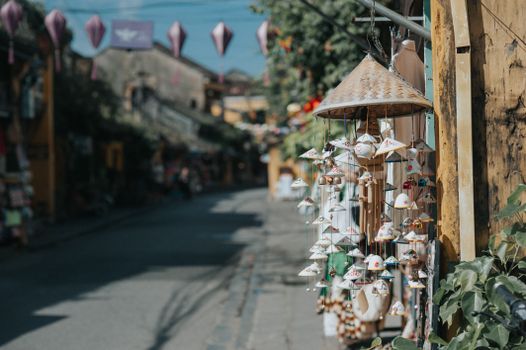
- Rent a Bike/Scooter: In places like Amsterdam, Copenhagen, or many Southeast Asian towns (Bali, Hoi An), renting a bike or scooter is a fantastic way to explore. Just ensure you're comfortable with local traffic laws and have appropriate insurance. I once spent a week cycling around the temples of Angkor Wat in Cambodia, feeling the wind in my hair, something you miss from the back of a tuk-tuk. Rental was about $5/day.
- Avoid Tourist Buses: While convenient, they isolate you from the local environment. You're observing from a bubble, not immersing yourself.
4. Connect & Communicate: The Heart of Local Living
The most profound travel experiences almost always involve connecting with people. Don't be afraid to step out of your comfort zone and engage.
- Smile and Say Hello: A simple gesture can bridge cultural gaps. Most people appreciate the effort, even if you don't speak their language.
- Learn Local Etiquette: A quick Google search can save you from cultural blunders. Is it customary to tip? Should you remove your shoes before entering a home or temple? Is direct eye contact considered rude? Knowing these nuances shows respect. For instance, in Japan, bowing is important, and in some Middle Eastern countries, it's rude to show the soles of your feet.
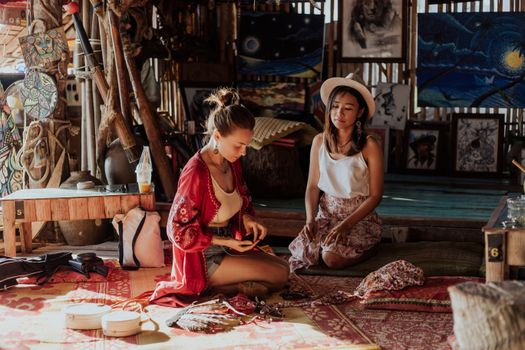
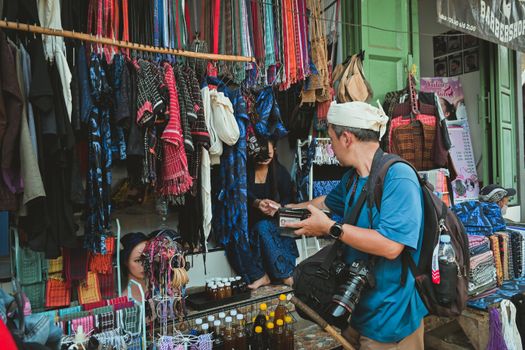
- Engage with Shopkeepers and Vendors: Instead of just buying, strike up a conversation. Ask about their craft, their day, or their recommendations. This is how you find the truly unique souvenirs and hear fascinating stories.
- Seek Out Local Events: Check local newspapers, community boards, or Facebook groups for festivals, concerts, markets, or sporting events. These are fantastic opportunities to see a community in full swing.
- Anecdote: In Seville, Spain, I stumbled upon a spontaneous flamenco performance in a small plaza. The raw passion and energy were intoxicating, a far cry from the staged shows marketed to tourists. I found it by simply wandering and following the sound of music.
- Language Exchange & Meetup Groups: Apps like Tandem or Meetup can connect you with locals interested in practicing English or showing you around. Couchsurfing also has a vibrant local community for meetups, even if you’re not staying with someone.
- Volunteer: If you have time, consider volunteering for a day or two with a local charity or organization. It's an incredible way to give back, meet locals, and gain a deeper understanding of community issues.
5. Slow Down, Savor the Small Moments
Living like a local isn't about doing more; it's about being more. It’s about finding beauty in the mundane and allowing yourself to simply exist in a new environment.
- Find Your "Local Spot": Discover a favorite neighborhood cafe, a park bench, or a local bar where you can return daily. The staff will start to recognize you, and you'll feel a sense of belonging.
- Personal Story: In Lisbon, Portugal, I adopted a tiny bakery near my Airbnb as my morning ritual. Every day, I'd get a pastel de nata and a coffee, exchanging smiles with the elderly owner. By the end of the week, she'd already have my order ready as soon as I walked in. It felt like home. A coffee and pastry cost about €2-3.
- People-Watch: Find a comfortable spot and just observe. Watch how people interact, how they dress, what they do. It's a free, fascinating education in human culture.
- Embrace the Siesta/Local Rhythms: Understand that different cultures have different paces. In some Mediterranean countries, shops close in the afternoon for a siesta. In others, dinner is eaten late. Adjust your schedule to theirs, not the other way around.
- Read a Local Newspaper/Book: Even if you don't understand every word, looking at the images and headlines gives you a sense of local priorities and interests. Pick up a local author's book (in translation, if needed) to dive deeper into the culture.
6. Budget Smart, Travel Far: The Local Advantage
One of the beautiful ironies of living like a local is that it often saves you money. Tourist services are designed to extract maximum value; local services are designed for everyday affordability.
- Accommodation Alternatives: Ditch the chain hotels. Opt for Airbnbs, guesthouses, homestays, or even Couchsurfing (with due diligence). These options not only save money but also put you directly into local neighborhoods and often provide local insights from your host.
- Tip: An Airbnb in a non-central but well-connected neighborhood in Paris might be $70-100/night, compared to $200+ for a central hotel.
- Shop Smart: Buy groceries from local markets and supermarkets, not convenience stores near tourist sites. Look for local brands.
- Free Activities: Many cities offer free walking tours (tip your guide!), public parks, free museum days, or open-air markets that are great for exploring.
- Bargain (Where Appropriate): In many cultures (e.g., Southeast Asia, North Africa), bargaining is expected in markets. Do it respectfully and with a smile, but don't be afraid to haggle a bit.
- Avoid Currency Exchange Booths: They often have terrible rates. Use local ATMs (check for foreign transaction fees with your bank) or travel credit cards with no international fees.
7. Document Your Journey Authentically
Social media is a powerful tool for sharing your adventures, but make sure you’re capturing the essence of your local experience, not just a postcard moment.
- Focus on the Unseen: Instead of just another shot of the Eiffel Tower, capture the bustling morning market, the street performer captivating a crowd, the intricate details of a local artisan's craft, or the candid laughter of friends sharing a meal. These are the truly Instagram-worthy moments that tell a story.
- People, Not Just Places: Ask for permission before taking photos of people, especially children. Capture interactions, expressions, and the human element that brings a place to life. A photo of me sharing a joke with a chaiwala in India, both of us grinning, is far more precious than any temple shot.
- Journal Your Reflections: Photos capture moments, but words capture feelings and insights. Jot down your observations, your challenges, your moments of connection. This helps you process your experiences and remember the subtle nuances of living like a local.
- Share Your Learning: When you post, don't just show off; share what you learned. "Today I learned that in [country], it's customary to..." or "This hidden gem was recommended by a local, and it was incredible!" This encourages others to seek out similar experiences.
---
Living like a local isn't just a travel style; it's a philosophy. It's about shedding preconceived notions, opening your heart to new cultures, and embracing the beautiful messiness of real life. It’s about collecting experiences, not just souvenirs. It's about understanding that the world isn't just a collection of sights to be seen, but a tapestry of lives to be shared.
These are the trips that stay with you, that change your perspective, and that make you feel truly alive. So, what are you waiting for? Stop dreaming and start planning your next authentic adventure. The world is waiting for you to truly immerse yourself.
What are your best tips for living like a local? Share your stories and advice in the comments below! Let's inspire each other to travel deeper.