The year was 2012. I was a wide-eyed, slightly overwhelmed backpacker in Bangkok, Thailand, fresh off a 20-hour flight. My previous travel experiences had mostly involved safe, predictable (and often expensive) restaurant meals. I vividly remember sitting in a generic tourist eatery near Khao San Road, paying a ridiculous 250 THB (about $8 at the time) for a pad Thai that tasted… fine. Just fine. It was palatable, but it lacked the soul, the vibrant explosion of flavors I’d heard so much about. My budget was already screaming, and my taste buds felt utterly unimpressed.
Then, one evening, fueled by curiosity and a rapidly dwindling travel fund, I took a leap. I ventured down a bustling side street, away from the neon glow of the main drag, drawn by a symphony of sizzling woks, fragrant spices, and a cacophony of local chatter. At a tiny, unassuming stall, a woman with a gentle smile was expertly tossing noodles in a giant wok, surrounded by a queue of hungry locals. I pointed nervously at her dish, holding up two fingers. She nodded, smiled, and within minutes, handed me a plate. The cost? A mere 40 THB – barely over a dollar.
That first bite was an epiphany. The noodles were perfectly chewy, coated in a sweet, sour, salty, spicy sauce that danced on my tongue. Crushed peanuts added crunch, fresh lime cut through the richness, and tender shrimp burst with flavor. It was alive. It was authentic. It was, without a doubt, the best pad Thai I had ever tasted, and it had cost me less than my morning coffee. In that moment, surrounded by the bustling energy of Bangkok’s street food scene, I realized I’d been doing it all wrong. This wasn't just about saving money; it was about unlocking the true heart of a destination, one delicious, dirt-cheap bite at a time.
And that, my friends, is the secret I’m here to share with you: how to eat like a local for pennies, discovering culinary experiences so profound, so authentic, you’ll remember them long after your passport expires. This isn't just a guide; it's a manifesto for the adventurous eater, a treasure map to flavors you need to experience before you die.
---
The Mindset Shift: Your Palate, Your Passport
Before we dive into the nitty-gritty, let's talk philosophy. Eating like a local for pennies isn't just a budget hack; it's a fundamental shift in your travel mindset. It’s about embracing spontaneity, trusting your senses, and shedding the fear of the unknown.
Why Local is Always Better (and Cheaper):
* Authenticity: Local eateries and street food stalls are where the true flavors of a culture reside. Recipes are often passed down through generations, perfected over decades.
* Cultural Immersion: Food is a universal language. Sharing a meal (even if you're just pointing and smiling) connects you with the local rhythm, customs, and people in a way no museum ever could.
* Supporting Local Economies: Your pennies go directly into the pockets of local families and small businesses, rather than large, often foreign-owned, corporations.
* Unparalleled Flavor: Fresh, seasonal ingredients, cooked with passion and expertise, result in dishes that simply can't be replicated in a sanitized tourist restaurant.
* The Price Tag: This is the kicker. You can often eat like royalty for the price of a single mediocre meal in a tourist trap. We're talking full, satisfying meals for $1-5 in many parts of the world.
Overcoming the Fear Factor:
"But what about hygiene?" This is the most common concern, and it's valid. However, fear shouldn't dictate your culinary adventure. Most food vendors, especially those with regular local clientele, understand the importance of cleanliness. They rely on repeat business and local reputation. My personal rule of thumb: if it's busy, if the food is cooked fresh in front of you, and if the locals are eating there, you're usually good to go. Your stomach will adapt, and the rewards far outweigh the minimal risks. Trust me, I've eaten from countless street stalls across five continents and have rarely had an issue.
---
Street Food Safari: Navigating the Urban Jungle of Flavor
This is where the magic truly happens. Street food is the beating heart of many global cuisines, offering an incredible variety of dishes at unbeatable prices.
Finding the Best Stalls (The Golden Rules):
1. Follow the Locals: This is your #1 commandment. If a stall has a long queue of locals, or if it's consistently packed during meal times, it's a strong indicator of deliciousness and often, freshness. Locals won't waste their time or money on bad food.
2. Observe the Turnover: High turnover of ingredients means freshness. Look for stalls where food is cooked to order, not sitting around for hours.
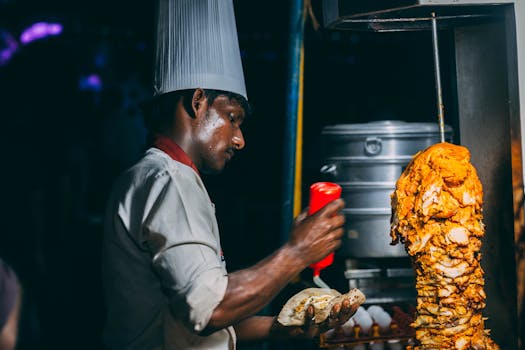
3. Visible Cooking: Can you see the chef preparing the food? This transparency is a good sign. Watch for clean hands, fresh ingredients, and hot cooking temperatures.
4. Specialization: Stalls that specialize in one or two dishes often do them exceptionally well. Don't be afraid to try their signature item.
5. Look for Permanent Setups: While pop-up carts are common, many of the best street food vendors have semi-permanent setups with dedicated seating, even if it's just plastic stools.
Ordering & Etiquette:
* Point and Smile: Don't speak the language? No problem. Point clearly at what you want. Use a translation app if you're feeling ambitious.
* Learn Key Phrases: "Hello," "thank you," "how much?" and the names of a few popular dishes can go a long way.
* Cash is King: Always carry small denominations of local currency.
* Be Patient: Good food takes time. Don't rush the vendors.
My Favorite Street Food Hotspots & What to Eat:
- Hanoi, Vietnam (Old Quarter): Every alleyway is a culinary adventure.
- Pho Bo (Beef Noodle Soup): A steaming bowl of rich broth, tender beef, and fresh herbs. Find it for 30,000-50,000 VND ($1.30-2.20 USD). My favorite spot was a tiny, nameless place on a side street near Hoan Kiem Lake.
- Banh Mi: The ultimate Vietnamese sandwich, a symphony of savory fillings, fresh herbs, and crispy baguette. Around 20,000-35,000 VND ($0.85-1.50 USD).
- Bun Cha: Grilled pork with noodles and herbs, served with a dipping sauce. A Hanoi specialty!
- Instagram Tip: Capture the vibrant colors of fresh herbs, the steam rising from a pho bowl, or the intricate layers of a banh mi.
- Mexico City, Mexico (Any Colonia, but especially Roma or Condesa for variety):
- Tacos al Pastor: Spit-roasted pork, pineapple, cilantro, onion. A religious experience. You can get 3-4 tacos for 45-80 MXN ($2.25-4 USD). My go-to was El Huequito (various locations) – simple, fast, divine.
- Esquites/Elotes: Corn on the cob or in a cup, slathered with mayo, cheese, chili powder, and lime. 25-40 MXN ($1.25-2 USD).
- Quesadillas (with or without cheese!): Freshly made tortillas with various fillings.
- Instagram Tip: The vibrant colors of taco toppings, the smoky grill of al pastor, or the street vendor meticulously preparing esquites.
- Mumbai, India (Various neighborhoods):
- Vada Pav: The ultimate Mumbai street food: a spiced potato fritter in a soft bun. It's a flavor explosion for 15-25 INR ($0.20-0.35 USD). You'll find vendors on every corner.
- Pani Puri: Crispy hollow balls filled with spiced potatoes, chickpeas, and a tangy tamarind water. An absolute must-try for 30-50 INR ($0.40-0.70 USD) for a plate.
- Pav Bhaji: A spicy vegetable mash served with buttered bread rolls. Hearty and delicious.
- Instagram Tip: The bustling energy around a pani puri stall, the vibrant spices, or the simplicity of a vada pav.
---
Market Magic: Your Culinary Treasure Hunt
Local markets aren't just for groceries; they are often vibrant culinary hubs where you can find some of the freshest, most authentic, and cheapest prepared foods.
Beyond Groceries: The Ready-to-Eat Section:
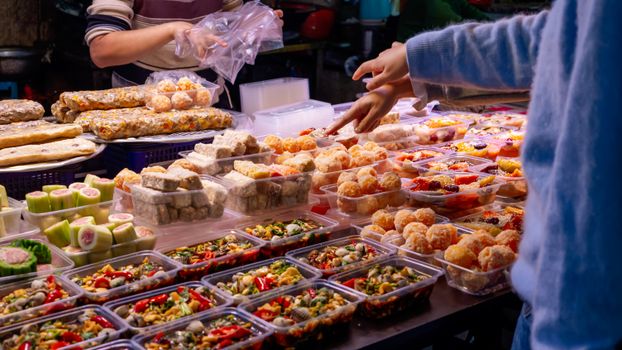
Many markets have dedicated sections for cooked food – a veritable buffet of local specialties. This is where vendors showcase their family recipes, often prepared right in front of you.
What to Look For & How to Engage:
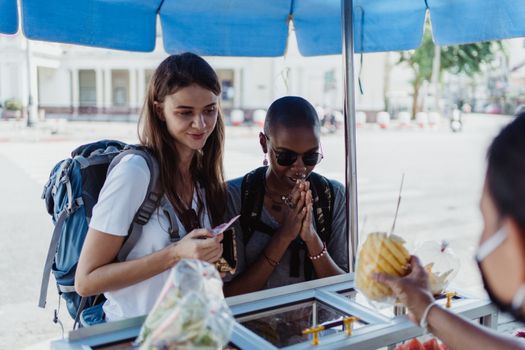
* Fresh Produce: Even if you're not cooking, just seeing the incredible array of fresh, seasonal fruits and vegetables is an experience. Grab a fresh juice or a pre-cut fruit cup.
* Unique Ingredients: Don't be afraid to ask about unusual spices or produce. Vendors are often happy to share (even with gestures).
* Sample, Sample, Sample: Many vendors offer small samples of their prepared foods. Take advantage!
* The Atmosphere: Markets are sensory overload in the best way – the sights, sounds, and smells are intoxicating. Immerse yourself.
My Favorite Market Experiences:
- Or Tor Kor Market, Bangkok, Thailand: While slightly more upscale than some, this market is a feast for the eyes and palate. You can find pre-made curries, fresh seafood, exotic fruits, and incredible desserts. A full, satisfying meal of various curries and rice can be had for 80-150 THB ($2.50-5 USD).
- Jemaa el-Fnaa, Marrakech, Morocco (Night Market): As dusk falls, this iconic square transforms into a massive open-air restaurant. Hundreds of stalls pop up, serving everything from tagines and harira soup to grilled meats and fresh orange juice. You can get a hearty tagine for 30-60 MAD ($3-6 USD), and fresh orange juice is a steal at 4-10 MAD ($0.40-1 USD).
- Instagram Tip: The vibrant chaos of the square at night, the steam rising from tagines, or a colorful display of spices.
- Chinatown Wet Market, Kuala Lumpur, Malaysia: A fantastic place to explore local fruits, snacks, and ready-to-eat dishes. Look for laksa or char kway teow stalls. A bowl of delicious curry mee or char kway teow will cost you around 8-15 MYR ($1.80-3.50 USD).
- Instagram Tip: The colorful fruit displays, the bustling narrow aisles, or a close-up of a steaming bowl of noodles.
---
Hidden Gems: The Local Eatery Lowdown
Beyond street stalls and markets, there are countless small, family-run eateries that serve incredible food at local prices. These are the places that often don't have English menus, fancy decor, or even a name you can easily pronounce.
Spotting Authenticity (Your Secret Decoder Ring):
1. No English Menu (or a very basic one): This is often a dead giveaway that it caters to locals. Don't be intimidated; pointing works wonders.
2. Plastic Chairs & Formica Tables: Comfort is secondary to flavor and affordability. If it looks humble, it's probably good.
3. Bustling During Local Meal Times: Locals know when and where to eat. Observe their patterns.
4. Tucked Away: The best spots are rarely on the main tourist thoroughfare. Venture down side streets, look for alleys.
5. Limited Menu: A small menu often indicates expertise in those particular dishes.
The Power of Observation & Apps:
* Watch Where Locals Go: Seriously, just observe. If you see a steady stream of locals entering a nondescript doorway, follow them.
* Google Maps/Review Sites (with a twist): Search for "restaurants near me" and look for places with high ratings but perhaps fewer reviews from international travelers. Pay attention to photos – do they show locals eating? Is the food simple, authentic-looking?
* Ask for Recommendations: More on this in the next section, but asking locals is key.
My Hidden Gem Discoveries:
- Warungs in Bali, Indonesia: These small, family-run restaurants are ubiquitous and serve incredible local fare. My favorite warung in Ubud served the most divine Nasi Campur (a mixed rice dish with various small portions of meat, vegetables, and sambal) for 40,000 IDR ($2.50 USD). It was a simple shack with a few wooden benches, but the flavors were unforgettable.
- Comida Corriente in Colombia: In cities like Cartagena or Medellín, look for "Almuerzo Corriente" or "Comida Corriente" signs. These are daily set lunches, usually a soup, a main course (meat/fish with rice, salad, plantains), and a drink. They are incredibly filling and cost 8,000-15,000 COP ($2-4 USD). I once had a whole fried fish with all the fixings for $3 in a tiny place in Getsemaní, Cartagena.
- Dhabas in India: Roadside eateries that serve simple, hearty, and incredibly flavorful meals. You can get a full thali (a platter with various small dishes, bread, and rice) for 100-250 INR ($1.30-3.50 USD). They're found everywhere, especially along highways, but also tucked away in city neighborhoods.
---
The Art of Asking: Connecting for Culinary Wisdom
Your greatest asset in finding truly local, cheap eats isn't Google Maps – it's the people who live there. Locals hold the keys to the best culinary secrets.
Language Barrier is Not a Wall:
* Translation Apps: Google Translate or similar apps are your best friend. Type in "Where do you eat?" or "What is good here?"
* Gestures & Smiles: A genuine smile and pointing at your stomach while asking "good food?" is often enough.
* Be Polite & Patient: Even if there's a language barrier, kindness goes a long way.
Who to Ask:
* Hotel/Hostel Staff: They often know the best local spots, not just the touristy ones. Ask them, "Where do you eat dinner after work?"
* Taxi/Tuk-Tuk/Grab Drivers: They spend all day driving around and often know the best, cheapest places. I once had a tuk-tuk driver in Siem Reap, Cambodia, take me to a small family restaurant serving incredible Khmer curry for $2. It wasn't on any map.
* Shopkeepers: If you're buying souvenirs or groceries, ask the vendor where they'd recommend for a quick, delicious bite.
* Fellow Diners: If you see locals enjoying a meal, a friendly nod and a gesture towards their food, followed by a questioning look, might get you a recommendation.
Follow Your Nose:
Seriously, this is an underrated tip. Some of the best food discoveries I've made have been by simply following an irresistible aroma wafting from an alleyway or a bustling corner. Your nose knows!
---
Penny-Pinching Plates: A Global Budget Breakdown & Practical Hacks
Let's talk numbers. Eating like a local for pennies is not a myth; it's a reality in most parts of the world outside of Western Europe, North America, and Australia.
General Price Ranges (Per Meal, USD):
* Southeast Asia (Thailand, Vietnam, Cambodia, Laos, Malaysia, Indonesia): $1.50 - $4
* South Asia (India, Nepal, Sri Lanka): $0.50 - $3
* Latin America (Mexico, Colombia, Peru, Ecuador): $2 - $5
* Eastern Europe (Hungary, Czech Republic, Poland): $3 - $7
* North Africa/Middle East (Morocco, Jordan): $3 - $6
Actionable Hacks for Maximum Savings:
1. Eat Your Main Meal at Lunch: Many local eateries offer special lunch deals (like the comida corriente in Latin America) that are significantly cheaper than dinner for the same quality and quantity of food.
2. Hydration Station: Carry a reusable water bottle. If tap water isn't safe, buy large 5-liter bottles from supermarkets and refill your smaller bottle. Avoid buying individual small bottles from street vendors, as the cost adds up.
3. Avoid Tourist Zones: This is a no-brainer. The closer you are to major attractions, the higher the prices. Walk a few blocks away, and prices often halve.
4. Pack Snacks: For long travel days or when you're exploring areas with limited food options, having a few granola bars or a piece of fruit can save you from overpriced convenience store purchases or hangry decisions.
5. Learn Local Numbers: Even if you can't speak the language, being able to recognize numbers will help you understand prices and avoid being overcharged.
6. Embrace Breakfast Culture: In many countries, breakfast is a simple, cheap affair. A bowl of jok (rice porridge) in Thailand, a roti canai in Malaysia, or a simple pastry and coffee in Europe can be incredibly affordable and delicious.
7. Don't Be Afraid to Share: If portions are large, consider sharing with a travel buddy to try more dishes without overspending or wasting food.
---
Conclusion: Your Culinary Adventure Awaits
Eating like a local for pennies isn't just a way to save money; it's the ultimate hack to truly experiencing a culture. It's about the thrill of discovery, the joy of unexpected flavors, and the genuine connections you make over a shared meal, even if it's just a nod and a smile across a plastic table. These are the food experiences that transcend mere sustenance and become indelible memories, stories you'll recount for years to come.
So, next time you travel, ditch the guidebooks that point to the same old tourist traps. Step out of your comfort zone, follow your nose, and trust the wisdom of the locals. Your taste buds, your wallet, and your soul will thank you for it.
Now, I want to hear from YOU!
What’s the most incredible, cheap local meal you’ve ever had on your travels? Share your stories and secret spots in the comments below! And don't forget to bookmark this guide for your next adventure. Your culinary journey of a lifetime starts now.