Eat Like a Local for Pennies: The Delicious Secrets Tourists Don't Know (But You're About To!)
I’ll never forget the moment I bit into a pupusa for the first time in a tiny, unassuming stall in San Salvador. It was late afternoon, the air thick with the smell of masa and frying cheese, and the sun was just starting to dip below the city skyline. This wasn't a fancy restaurant; it was a plastic table on a busy street, surrounded by laughing locals. For about 75 cents, I had a warm, cheesy, bean-filled disc of pure joy, served with tangy curtido and a drizzle of salsa. It was, hands down, one of the most memorable and delicious meals of my life.
Fast forward a few days, and I overheard a group of tourists complaining about the "lack of good, affordable food" in the city, having spent $20 on a mediocre burger in a hotel restaurant. My heart sank a little. They were missing out on the true culinary soul of the place, all because they didn't know where to look or how to eat like a local.
This isn't just about saving money (though you'll save a lot). It's about unlocking a deeper, richer travel experience. It's about tasting the authentic flavors that define a culture, connecting with locals, and feeling like you're truly part of the place, even if just for a meal. The locals aren’t trying to keep these secrets from you; they just assume you know! And once you do, your travel budget and your taste buds will thank you.
Ready to dive into the delicious world of dirt-cheap, mind-blowingly good local food? Let's go!
1. The Golden Rule: Follow the Locals, Not the Guidebooks (or Google Maps Tourist Traps!)
This is the cardinal rule, the North Star of cheap, authentic eating. Tourist-centric restaurants, often found right next to major attractions, with English menus and glossy photos, are usually overpriced and under-flavored. They cater to a generic palate and charge a premium for convenience.
How to Spot a Local Gem:
- Look for queues (especially at odd hours): If locals are lining up for lunch at 11 AM or dinner at 6 PM, you've found a winner. They know where the good stuff is, and they’re willing to wait for it.
- No English menu? Even better! This is a strong indicator that the place caters primarily to locals. Don't be intimidated; a smile, pointing, and a translation app can work wonders. Embrace the adventure!
- Simple, unassuming decor: Often, the best food comes from the most humble settings. Think plastic chairs, worn tables, and a general lack of "touristy" frills.
- Observe the crowd: Are families eating there? Workers on their lunch break? Groups of friends chatting animatedly? If it's a mix of ages and social groups, you're on the right track.
- Ask for "the special" or "what's good today": Even if you don't understand the full answer, showing interest in their daily offerings often leads to the freshest, most authentic dishes.
My "No-English Menu" Triumph in Hanoi:
I once stumbled into a tiny noodle shop in Hanoi, drawn by the incredible aroma and the sheer number of locals slurping away. There was no menu, just a woman gesturing towards two enormous steaming pots. I pointed, smiled, and within minutes had the most incredible bun cha (grilled pork with noodles) I've ever tasted. It cost me about $2.50. I still dream about that meal. Had I stuck to my guidebook, I would've missed it entirely.
2. Embrace Street Food & Markets: Your Culinary Classroom & Budget Savior
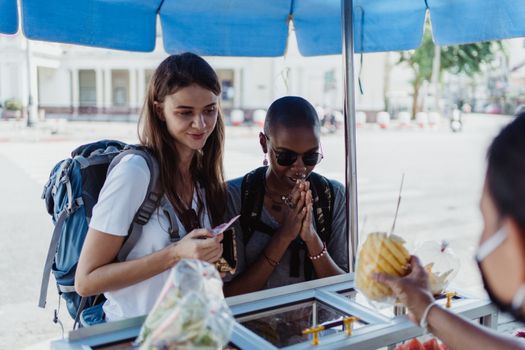
This is where the magic truly happens. Street food is the heartbeat of a culture, offering incredible flavors at unbeatable prices. Local markets, especially morning markets, are a treasure trove of fresh produce, spices, and ready-to-eat delights.
Street Food Savvy:
- Go where the action is: Look for bustling street corners, night markets, or designated food streets. High turnover means fresh ingredients.
- Observe hygiene (subtly): While street food isn't always pristine, look for vendors who handle food with gloves, have clean surfaces, and cook food fresh to order. If the food is piping hot, that's a good sign.
- Start small: Try a few different things from different vendors. This allows you to sample a wider variety and find your favorites.
- Learn a few key phrases: "Hello," "thank you," "how much?", "delicious," and "water" can go a long way.
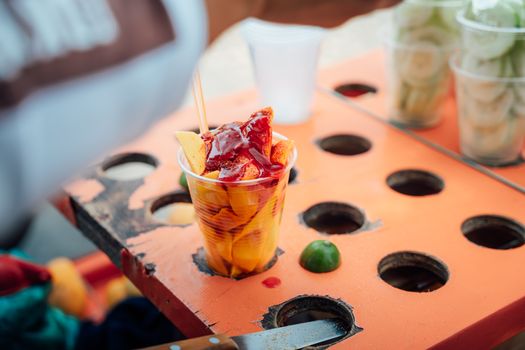
- Don't be afraid to try new things: That weird-looking skewer? That unusual fruit? Give it a go! You might discover your new favorite food.
Market Mastery:
- Morning is prime time: Arrive early (7-9 AM) when the markets are most vibrant, and vendors have the freshest selections. You'll often find stalls selling pre-made breakfast or lunch items for next to nothing.
- Wander and explore: Don't just stick to the main aisles. Deeper within, you'll find the truly local vendors and often better prices.
- Bargain (if appropriate): In many cultures, bargaining is expected, especially in markets. Start with a friendly counter-offer, but always be respectful. For food, prices are often fixed, but for produce or larger quantities, it's worth a try.
- Look for the "lunch lady" stalls: In many Asian, Latin American, and even European markets, you'll find small stalls run by women (or men!) cooking simple, hearty, home-style meals for market workers. These are gold mines for cheap, delicious, authentic food. Think a plate of rice and curry in Thailand for $1, or a hearty stew in Mexico for $3.
My Morning Market Feast in Cusco:
I once spent a glorious hour wandering through Mercado Central de San Pedro in Cusco, Peru. For less than $5, I had a fresh fruit juice, a piece of local cheese, a warm tamale, and a cup of quinoa soup. Each vendor was a character, and the energy was infectious. It was a sensory explosion and an unforgettable breakfast experience.
3. Lunch is Your New Dinner: The Smart Traveler's Secret Weapon
This is a game-changer, especially in cultures where lunch is the main meal of the day. Many restaurants, even mid-range to upscale ones, offer incredible lunch specials that are a fraction of their dinner prices.
- Menu del Día / Plat du Jour / Business Lunch: Look for these phrases! In Spain, Italy, France, and many other European countries, a "menu del día" or "plat du jour" offers a multi-course meal (starter, main, dessert, sometimes a drink) for a fixed, often unbelievably low price. In cities around the world, "business lunch" specials provide similar value.
- Bigger portions, smaller price: Lunch portions are often just as generous, if not more so, than dinner portions, but the price tag is significantly lower.
- Experience upscale on a budget: This is your chance to dine in a beautiful restaurant that would be out of budget for dinner. Enjoy the ambiance without the hefty bill.
My Parisian Bistro Hack:
In Paris, I once enjoyed a three-course lunch (onion soup, steak frites, and crème brûlée) at a charming bistro near the Marais for €18. If I had ordered the same items à la carte for dinner, it would have easily been €40-50. It felt like I was cheating the system, but really, I was just eating like a local.
4. Learn the Lingo (Even Just a Little): A Few Phrases Go a Long Way
You don't need to be fluent, but a handful of polite phrases in the local language can unlock doors (and discounts!) you never knew existed. Locals appreciate the effort, and it can transform a transactional exchange into a genuine interaction.
Essential Phrases to Master:
- Hello / Good morning / Good evening: (e.g., Hola, Buenos días, Buenas noches)
- Thank you: (e.g., Gracias)
- Please: (e.g., Por favor)
- How much?: (e.g., ¿Cuánto cuesta?)
- Delicious!: (e.g., ¡Delicioso!)
- Water, please: (e.g., Agua, por favor)
- The bill, please: (e.g., La cuenta, por favor)
Tools for Success:
- Google Translate: Download offline language packs. The camera feature is a lifesaver for deciphering menus!
- Phrasebook app: Keep one handy.
- Practice: Don't be shy! Most people are happy to help you practice.
The Power of "Delicious!" in Italy:
After a particularly amazing pasta dish in a small trattoria in Rome, I managed a heartfelt "Molto delizioso!" to the chef who was peeking out from the kitchen. He beamed, came over, and offered me a complimentary limoncello. It was a small gesture, but it made the meal even more special.
5. Beyond the Plate: Supermarkets, Picnics & Self-Catering Savvy
Sometimes, the best (and cheapest) meals aren't in restaurants at all. Local supermarkets and grocery stores are fantastic places to discover regional specialties and assemble your own budget-friendly feasts.
- Hit the local grocery store: Forget the fancy delis near tourist spots. Find the supermarket where locals shop. You'll find incredibly fresh produce, local cheeses, cured meats, fresh bread, and delicious prepared foods at a fraction of restaurant prices.
- Picnic perfection: Buy some local bread, cheese, olives, cured ham, fresh fruit, and a bottle of local wine. Find a scenic spot – a park, a riverbank, a beach, or even a public square – and enjoy an unforgettable meal with a view. This is incredibly romantic, budget-friendly, and authentically local.
- Hostel kitchen magic: If your accommodation has a kitchen, use it! Buy ingredients from the market and cook a simple meal. This is also a great way to meet other travelers and share cooking tips.
- Embrace local bakeries: For breakfast, skip the hotel buffet. Find a local panadería or boulangerie for fresh pastries, bread, and coffee. You can get a delicious, authentic breakfast for just a few dollars.
My Sunset Picnic in Lisbon:
One evening in Lisbon, my partner and I bought a bottle of local vinho verde, some incredible Portuguese cheese, fresh bread, olives, and pasteis de bacalhau from a local mercado. We hiked up to Miradouro da Senhora do Monte, spread our blanket, and watched the sunset over the city. It cost us less than €10 for a meal that felt like a million dollars.
6. The Art of the 'Accidental' Discovery & Asking the Right People
Some of the best culinary experiences happen when you let go of your itinerary and simply wander. Get lost down a side street, follow an intriguing aroma, or take a recommendation from someone unexpected.
- Ask the locals (the right locals): Don't ask the concierge at your five-star hotel where locals eat cheap. Ask your hostel receptionist, a friendly shopkeeper, a taxi driver, or even a local sitting next to you at a park bench (if they seem approachable). These are the people who genuinely know the hidden gems.
- Venture off the main drag: Even a block or two away from the main tourist streets can make a huge difference in price and authenticity.
- Trust your nose: If something smells amazing, investigate! Your olfactory senses are powerful navigators in the world of food.
- Be open to street carts and food trucks: These are often incubators for innovative and delicious food, and almost always budget-friendly.
The Taxi Driver's Recommendation in Mexico City:
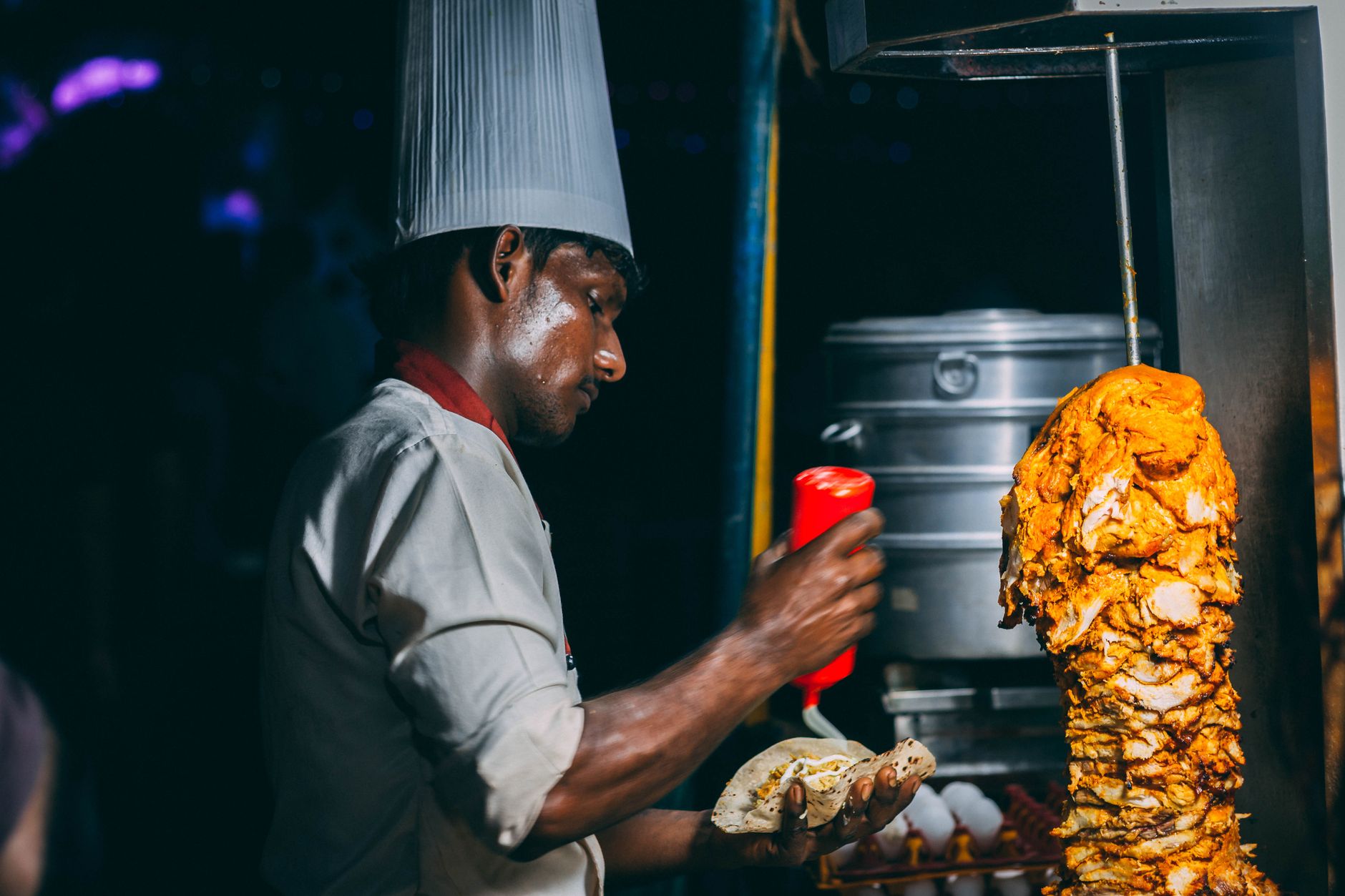
I once asked a taxi driver in Mexico City where he went for the best tacos al pastor. He didn't just tell me; he took a slight detour (at no extra charge!) and pointed out a specific, brightly lit stand that was absolutely packed with locals. It was late, lively, and the tacos were transcendent – perfectly spiced, juicy pork shaved right off the vertical spit, topped with fresh pineapple. Best $3 I ever spent.
The True Flavor of Travel: More Than Just Food
Eating like a local for pennies isn't just about saving money; it's about enriching your travel experience in ways that a fancy, expensive meal never could. It's about tasting the true soul of a place, connecting with its people, and creating memories that are truly authentic.
So next time you travel, ditch the predictable tourist traps. Be brave, be curious, and follow your nose (and the locals!). You'll discover a world of incredible flavors, unforgettable experiences, and a much happier travel budget.
What's your favorite cheap eat discovery from your travels? Share your stories and tips in the comments below! Let's build a global guide to authentic, affordable deliciousness!
---