The Golden Glow of Autumn: 7 Harvest Experiences You Need to Live Before You Die
There’s a unique magic to autumn, isn't there? It’s more than just crisp air and turning leaves; it’s a feeling, a deep-seated hum of abundance as the earth yields its final, glorious treasures. For years, I chased autumn like a seasonal groupie, admiring the foliage from afar, sipping pumpkin spice lattes, and maybe, just maybe, picking a token apple or two.
Then came Italy.
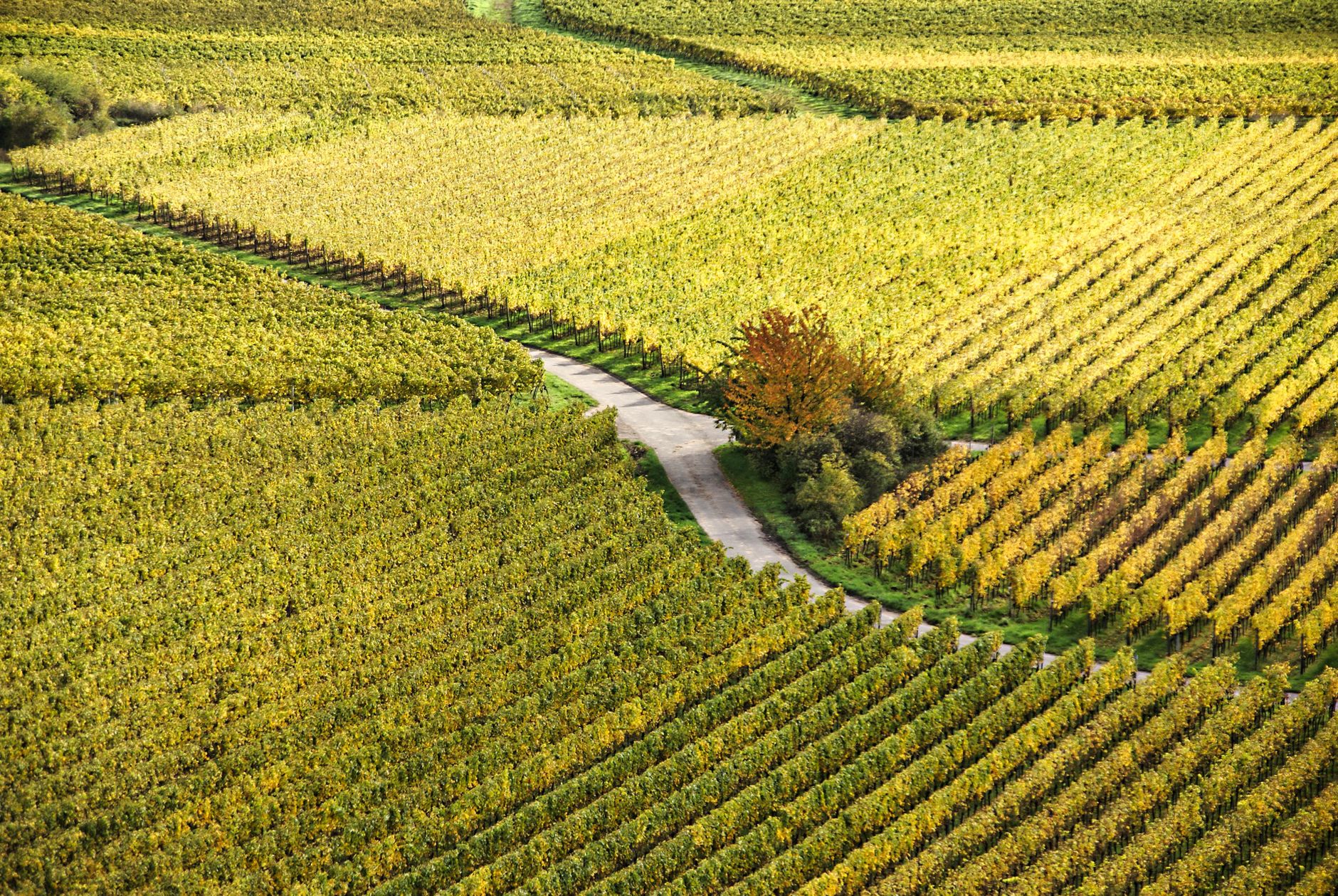
My first real taste of a harvest experience was in a sun-drenched vineyard in Tuscany. I’d signed up for a "vendemmia" experience – a grape harvest. I remember the sticky-sweet scent of ripe Sangiovese grapes, the buzzing of bees, and the rhythmic snip-snip-snip of shears. But it wasn't until I found myself, laughing uncontrollably, barefoot and knee-deep in a vat of grapes, that I truly understood. This wasn't just a trip; it was an immersion. It was connecting with the land, the food, the tradition, and the sheer joy of creation in a way I’d never imagined.
That day, the travel blogger in me was reborn. I realized that the real treasures of autumn aren't just seen; they’re lived. They're felt on your skin, tasted on your tongue, and etched into your memory.
So, if you’re ready to trade your armchair for a tractor seat (or a truffle dog’s leash!), put these seven incredible autumn harvest experiences on your ultimate travel bucket list. Trust me, your soul (and your Instagram feed) will thank you.
1. The Dionysian Delight: Grape Harvesting & Stomping (Italy, France, Portugal)
(Best Time: Late August - October)
My Tuscan grape-stomping adventure wasn't just a highlight of that trip; it was a revelation. There's something primal and utterly exhilarating about crushing grapes with your bare feet, feeling the burst of juice between your toes, and hearing the squelch and slosh. It’s a dance, a celebration, and a connection to ancient winemaking traditions that makes you feel incredibly alive.
Where to Go:
* Italy: The rolling hills of Chianti (Tuscany), Piedmont, or Puglia are iconic. Many agriturismos (farm stays) offer hands-on experiences. Look for smaller, family-run vineyards for a more intimate feel.
* France: Bordeaux and Burgundy are classic choices, though many smaller, boutique wineries in regions like Languedoc-Roussillon also offer harvest experiences.
* Portugal: The dramatic terraced vineyards of the Douro Valley, home to Port wine, provide a stunning backdrop for grape treading.
My Anecdote:
I remember the initial hesitation – "Is this really sanitary?" – quickly giving way to pure abandon. The laughter was infectious, shared with strangers who quickly became friends over sticky, purple-stained feet and shared glasses of last year's vintage. We sang, we stomped, and then we feasted on a traditional Tuscan lunch, feeling utterly satisfied.
How to Participate:
Many wineries and agriturismos offer "vendemmia" (harvest) packages. These often include a morning of picking, an afternoon of stomping, a tour of the cellar, and a delicious meal paired with their wines. Some smaller farms might even welcome volunteers in exchange for room and board.
Practical Tips:
* Book Ahead: These experiences are incredibly popular and book up quickly, especially in prime regions.
* Dress Appropriately: Wear old clothes you don't mind getting stained. Shorts or easily rollable pants are a must for stomping.
* Footwear: Bring comfortable shoes for walking through vineyards, and flip-flops for after the stomping.
* Hydrate: It can be hot work! Bring water.
* Cost: Prices vary widely. A basic stomping experience might be €50-€100, while a full day with lunch, tasting, and picking can range from €150-€300+.
Instagram-Worthy Moment:
A shot of your purple-stained feet in a barrel, a candid laugh with fellow stompers, or the stunning vineyard landscape at sunset.
2. Golden Liquid Gold: Olive Picking (Italy, Greece, Spain)
(Best Time: October - December)
Imagine the gentle rustle of leaves, the glint of silver-green olives, and the satisfying plink as they fall into your basket. Olive picking is a slower, more meditative harvest than the boisterous grape stomping, but no less rewarding. It’s a chance to connect with one of the Mediterranean’s most ancient and cherished traditions, culminating in the unparalleled taste of freshly pressed extra virgin olive oil.
Where to Go:
* Italy: Puglia, the "heel" of Italy, is a vast olive grove, offering numerous masserias (fortified farmhouses) that welcome guests. Tuscany and Umbria also have excellent olive oil producers.
* Greece: Crete, Kalamata, and Corfu are renowned for their olive oil. Many family-run farms offer tours and participation.
* Spain: Andalusia, particularly the Jaén province, is the world's largest olive oil producer.
My Anecdote:
On a small farm in Puglia, I spent a peaceful morning with a local family, gently raking olives from branches onto nets spread below. The sun was warm, the air smelled of earth and green leaves, and the rhythm was hypnotic. Later, tasting the first press of oil – vibrant green, peppery, and utterly divine – felt like tasting liquid gold. It wasn't just food; it was history, tradition, and incredible flavor all in one.
How to Participate:
Many agriturismos, masserias, and haciendas offer olive harvest experiences, often combined with cooking classes or tastings. You might use small rakes, hand-pick, or even help with the netting.
Practical Tips:
* Protect Yourself: Wear long sleeves and pants to protect from branches and sun. Sturdy, comfortable shoes are a must.
* Learn the Varieties: Ask about the different olive varieties and their unique flavor profiles.
* Freshness Matters: Understand why fresh-pressed oil is so superior.
* Cost: Often part of a farm stay package, or €50-€150 for a half-day experience with tasting and lunch.
Instagram-Worthy Moment:
Hands full of green olives, a close-up of the vibrant green, cloudy fresh oil, or the endless rows of ancient olive trees.
3. Orchard Riches: Apple Picking & Cider Making (USA, UK, Canada)
(Best Time: September - October)
For many, apple picking is a nostalgic trip back to childhood, but it's an experience that transcends age. The crisp air, the vibrant colors of ripe apples, the satisfying snap as you pull one from the branch – it’s pure autumn joy. Beyond just picking, many orchards offer cider pressing, corn mazes, and hayrides, making it a full day of autumnal fun.
Where to Go:
* USA: New England (Vermont, New Hampshire, Massachusetts) is famous for its picturesque orchards and cider mills. Upstate New York, Michigan, and Washington State also boast incredible apple regions.
* UK: Kent, known as the "Garden of England," has numerous orchards.
* Canada: The Okanagan Valley in British Columbia, and regions in Ontario and Quebec.
My Anecdote:
Growing up, apple picking was an annual ritual. But a few years ago, I visited a heritage orchard in Vermont that pressed its own cider. The smell alone was intoxicating – sweet, tart, and spicy. Watching the apples go from bin to press, then tasting the warm, unfiltered cider straight from the tap, was an elevated experience. It reminded me that even familiar harvests can hold new wonders.
How to Participate:
"U-pick" (you-pick) farms are common, allowing you to wander through orchards and pick your own apples. Many have associated farm shops, bakeries (hello, apple cider donuts!), and cideries.
Practical Tips:
* Check Varieties: Different apples ripen at different times. Check the orchard's website to see what's available.
* Bring Bags/Baskets: While some provide them, bringing your own reusable bags can be handy.
* Dress in Layers: Mornings can be chilly, but midday sun can warm things up.
* Explore: Don't just pick; try the fresh cider, donuts, and other fall treats.
* Cost: Entry is usually free, and you pay by the pound for the apples you pick (typically $1-$3/lb). Cider tasting or other activities might be extra.
Instagram-Worthy Moment:
A perfectly ripe apple in hand, a basket overflowing with colorful apples, a scenic shot of the orchard with fall foliage, or a cozy mug of warm cider.
4. The Earth's Hidden Jewels: Truffle Hunting (Italy, France)
(Best Time: White Truffles: October - December; Black Truffles: Year-round, but autumn is prime)
This isn't your typical harvest, but it's arguably the most thrilling. Truffle hunting is a clandestine dance between human, dog, and nature, searching for the elusive, aromatic fungi buried beneath the earth. The excitement of the chase, the intelligence of the trained dogs, and the unparalleled reward of finding a "diamond of the kitchen" make this an unforgettable adventure.
Where to Go:
* Italy: Piedmont (especially around Alba for white truffles) and Umbria are the most famous regions.
* France: The Périgord region is synonymous with black truffles.
My Anecdote:
My truffle hunt in the forests of Umbria was like something out of a movie. Our "trifolau" (truffle hunter) and his dog, Luna, led us through misty woods. Luna, a lively Lagotto Romagnolo, would suddenly get a scent, dig furiously, and then, with a gentle hand, the trifolau would unearth a precious, muddy nugget. The smell alone was intoxicating. Later, eating fresh pasta with those very truffles shaved over it felt like pure luxury, a direct connection from forest floor to plate.
How to Participate:
Specialized truffle hunting tours are available, often starting early in the morning. They typically include the hunt, an explanation of the process, and sometimes a tasting or a meal featuring the truffles found.
Practical Tips:
* Wear Sturdy Shoes: You'll be walking through forests, often on uneven terrain.
* Be Prepared for Weather: Truffle hunting happens rain or shine.
* Respect the Dogs: They are the stars of the show!
* Ask Questions: Learn about the different types of truffles, the training of the dogs, and sustainable hunting practices.
* Cost: This is one of the pricier harvest experiences, ranging from €100-€400+ for a hunt and tasting/meal, depending on exclusivity and region.
Instagram-Worthy Moment:
A truffle dog actively sniffing or digging, a freshly unearthed truffle in hand, or a close-up of truffle shavings on a gourmet dish.
5. Cranberry Bogs & Bountiful Berries (USA, Canada)
(Best Time: Late September - October)
Imagine a vast field suddenly transformed into a sea of vibrant crimson. Cranberry harvesting, especially the "wet harvest," is a spectacular sight and a unique participatory experience. These tart berries, typically associated with Thanksgiving, require a fascinating process of flooding the bogs, making the berries float to the surface for collection.
Where to Go:
* USA: Massachusetts (particularly Cape Cod) and Wisconsin are major cranberry producers.
* Canada: British Columbia and Quebec have significant cranberry farms.
My Anecdote:
I'd seen pictures of cranberry bogs, but experiencing one in Massachusetts was something else. Donning waders and stepping into the knee-deep, chilly water, surrounded by millions of floating red berries, felt like being in a giant bowl of fruit punch. The sheer scale of it, and the vibrant color against the autumn sky, was breathtaking. It was surprisingly physical work, herding the floating berries, but incredibly satisfying.
How to Participate:
Many cranberry farms offer guided tours during harvest season, some even allowing visitors to don waders and step into the bog. Cranberry festivals (like the Harwich Cranberry Festival in Massachusetts) also offer opportunities to learn and sometimes participate.
Practical Tips:
* Wear Waterproofs: If you plan to go into the bog, waterproof boots and clothing are essential.
* Dress Warmly: Bog water can be cold, even on a sunny day.
* Book Tours Early: Harvest season is short and popular.
* Learn the Process: Understand the difference between wet and dry harvesting.
* Cost: Bog tours typically range from $20-$50. Festivals often have free entry but charge for activities.
Instagram-Worthy Moment:
Standing in a sea of red cranberries, a close-up of the berries, or a panoramic shot of a flooded bog under an autumn sky.
6. Saffron's Golden Threads: The World's Most Expensive Spice (Spain, Morocco, Greece)
(Best Time: Late October - November)
This harvest is about delicate precision and immense value. Saffron, derived from the stigmas of the saffron crocus flower, is the world's most expensive spice by weight, and participating in its harvest gives you a profound appreciation for its worth. It’s a labor of love, requiring meticulous hand-picking of each fragile purple flower and then even more careful extraction of its three tiny, crimson threads.
Where to Go:
* Spain: La Mancha region, particularly around Consuegra, is famous for its "Red Gold."
* Morocco: The Taliouine region is a major saffron producer.
* Greece: Kozani, in Macedonia, is another significant saffron-growing area.
My Anecdote:
I was fascinated by the story of saffron, so I sought out a small farm near Consuegra, Spain. The sheer scale of the labor hit me immediately. Fields of delicate purple crocuses, each needing to be hand-picked at dawn before the sun wilted them. Then, inside, watching women meticulously pluck the three tiny red stigmas from each flower with tweezers – it was an act of incredible patience and skill. Holding those precious threads in my palm, knowing the effort behind them, made every paella taste even richer.
How to Participate:
Direct participation opportunities are less common than other harvests due to the delicate nature and high value of the product. However, many farms in these regions offer guided tours during harvest season, explaining the process and sometimes allowing visitors to try their hand at picking a few flowers or extracting stigmas. Festivals, like the Saffron Rose Festival in Taliouine, Morocco, or the Saffron Festival in Consuegra, Spain, are also excellent ways to experience the culture around this harvest.
Practical Tips:
* Go Early: Saffron flowers are often picked at dawn.
* Be Gentle: These flowers are incredibly delicate.
* Appreciate the Labor: Understand why saffron is so expensive – it's all about the manual labor.
* Cost: Direct participation might be limited. Tours and farm visits usually range from €50-€150 and are often part of a wider cultural or culinary tour.
Instagram-Worthy Moment:
A field of vibrant purple saffron crocuses, hands carefully extracting the red stigmas, or a tiny pile of the precious saffron threads.
7. Pumpkin Patches & Fall Festivities (USA, UK, Canada)
(Best Time: September - October)
While perhaps the most ubiquitous, don't underestimate the joy of a good old-fashioned pumpkin patch. It's the quintessential autumn experience, especially if you're traveling with family or just want to tap into that childlike wonder. Beyond finding the perfect pumpkin for carving or pie, these patches often evolve into full-blown fall festivals with corn mazes, hayrides, petting zoos, and delicious seasonal treats.
Where to Go:
* USA: Virtually every state has fantastic pumpkin patches. Look for local farms in rural areas. New England and the Midwest are particularly renowned for their fall farm experiences.
* UK: Increasingly popular, many farms now offer pick-your-own pumpkin events.
* Canada: Large farms across the country embrace the pumpkin patch tradition.
My Anecdote:
Even as a seasoned traveler, I still get a kick out of a well-done pumpkin patch. Last year, I found myself in a sprawling patch in rural Pennsylvania, surrounded by thousands of pumpkins of every size and shape. The smell of woodsmoke and apple cider donuts filled the air, kids shrieked with delight in a corn maze, and I, a grown adult, spent a solid hour searching for the perfect, oddly-shaped pumpkin. It was pure, unadulterated autumn happiness.
How to Participate:
Simply show up! Most pumpkin patches are open to the public during the fall season. Many require a small entry fee or include it in the price of your pumpkin.
Practical Tips:
* Wear Layers: Autumn weather can be unpredictable.
* Bring a Wagon: If you plan on picking several large pumpkins, a small wagon or stroller can be a lifesaver.
* Check for Activities: Many patches offer more than just pumpkins – corn mazes, hayrides, petting zoos, and farm stands are common.
* Go Early: Popular patches can get crowded, especially on weekends.
* Cost: Entry is often free, and you pay for the pumpkins you pick (price varies by size). Activities like corn mazes or hayrides might have an additional fee ($10-$20).
Instagram-Worthy Moment:
Posing with your chosen pumpkin, a panoramic shot of a field dotted with orange, a fun moment in a corn maze, or a cozy hayride scene.
The Harvest is Calling!
These aren't just activities; they're invitations. Invitations to slow down, get your hands dirty, connect with where your food comes from, and truly live the season. Each harvest offers a unique blend of cultural immersion, physical engagement, and delicious reward.
So, this autumn, don't just watch the leaves change. Get out there and become part of the bounty. Which harvest will you chase this year? Will you stomp grapes under the Italian sun, forage for truffles with a keen-nosed dog, or wade through a crimson cranberry bog?
Share your harvest dreams in the comments below, or better yet, book that trip and start making memories that will last a lifetime. The fields are calling!
---