Eat Like a Local for Pennies: Your Ultimate Guide to Trending Budget Food Hacks!
There’s a common misconception that to truly experience a destination’s culinary delights, you need to splurge on fancy restaurants and Michelin-starred establishments. I used to be one of those travelers, sheepishly handing over a hefty sum for a mediocre meal in a tourist district, only to feel a pang of regret as I watched locals happily munching on something far more vibrant and affordable across the street.
My epiphany came during a trip to Chiang Mai, Thailand. I was a fresh-faced backpacker, convinced that a "nice" meal meant a sit-down restaurant with air conditioning. After a few days of depleting my budget on forgettable pad thais, a seasoned traveler, whom I affectionately dubbed "Mama Noi" for her worldly wisdom, took me under her wing. She led me down a dimly lit soi, past bustling massage parlors and sleepy guesthouses, to a tiny, unassuming stall. A woman with a beaming smile was stirring a giant wok, its contents sizzling and aromatic. Mama Noi simply pointed, "Khao Soi, 40 baht." That's about $1.20 USD.
What arrived was a bowl of creamy, coconut-curry noodle soup, rich with tender chicken, crispy noodles, and a medley of fresh herbs. It was an explosion of flavor, unlike anything I’d ever tasted – authentic, soul-warming, and utterly delicious. And it cost less than my morning coffee. That moment changed everything. I realized that the real culinary magic, the true heart of a destination’s food scene, lies not in its gilded establishments, but in its vibrant streets, bustling markets, and humble local eateries.
And guess what? This way of eating isn't just budget-friendly; it's trending! With a growing global appetite for authentic experiences and sustainable travel, eating like a local for pennies has become the ultimate foodie badge of honor. It’s about more than saving money; it’s about cultural immersion, connecting with communities, and discovering flavors that tell a story. Ready to join the movement? Let’s dive in!
1. The Golden Rule of Local Eating: Go Where the Locals Go (and Why!)
This might seem obvious, but it’s the cornerstone of budget eating. If you see a queue of locals snaking out the door of a tiny eatery, or a street stall surrounded by chattering families, you’ve found your spot. Why does this work?
- Authenticity: Locals know what’s good. They’re not swayed by flashy signs or English menus; they’re after the real deal.
- Freshness: High turnover means ingredients are constantly replenished. That bustling noodle stall isn't serving yesterday's broth!
- Price: Places catering to locals aren't charging "tourist prices." Their business model relies on volume and affordability.
Actionable Tip:
Don't be afraid to wander off the main drag. Stroll down side streets, peek into courtyards, and observe. If you’re staying in a hostel or guesthouse, ask the staff for their personal recommendations – not the places they get commission from, but where they eat. On my last trip to Lisbon, I asked my hostel owner for a "non-touristy" seafood spot. He sent me to a small, tiled restaurant in a residential area, where I devoured a plate of grilled sardines for €8, surrounded by animated Portuguese conversations. It was pure bliss.
2. Mastering the Art of Street Food: Your Wallet's Best Friend
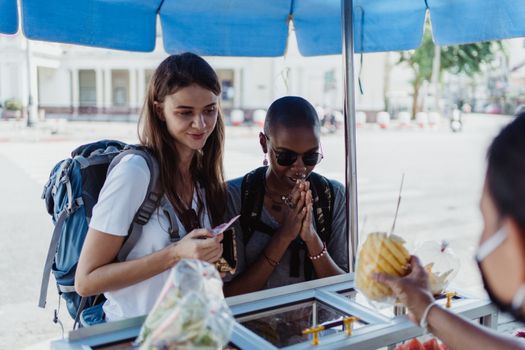
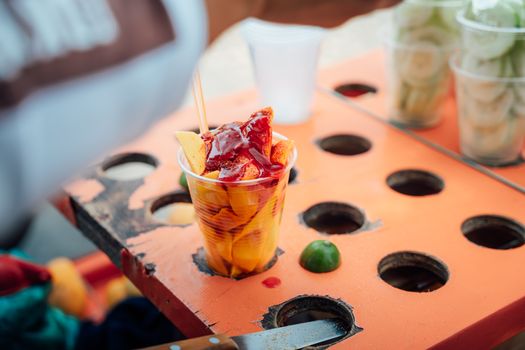
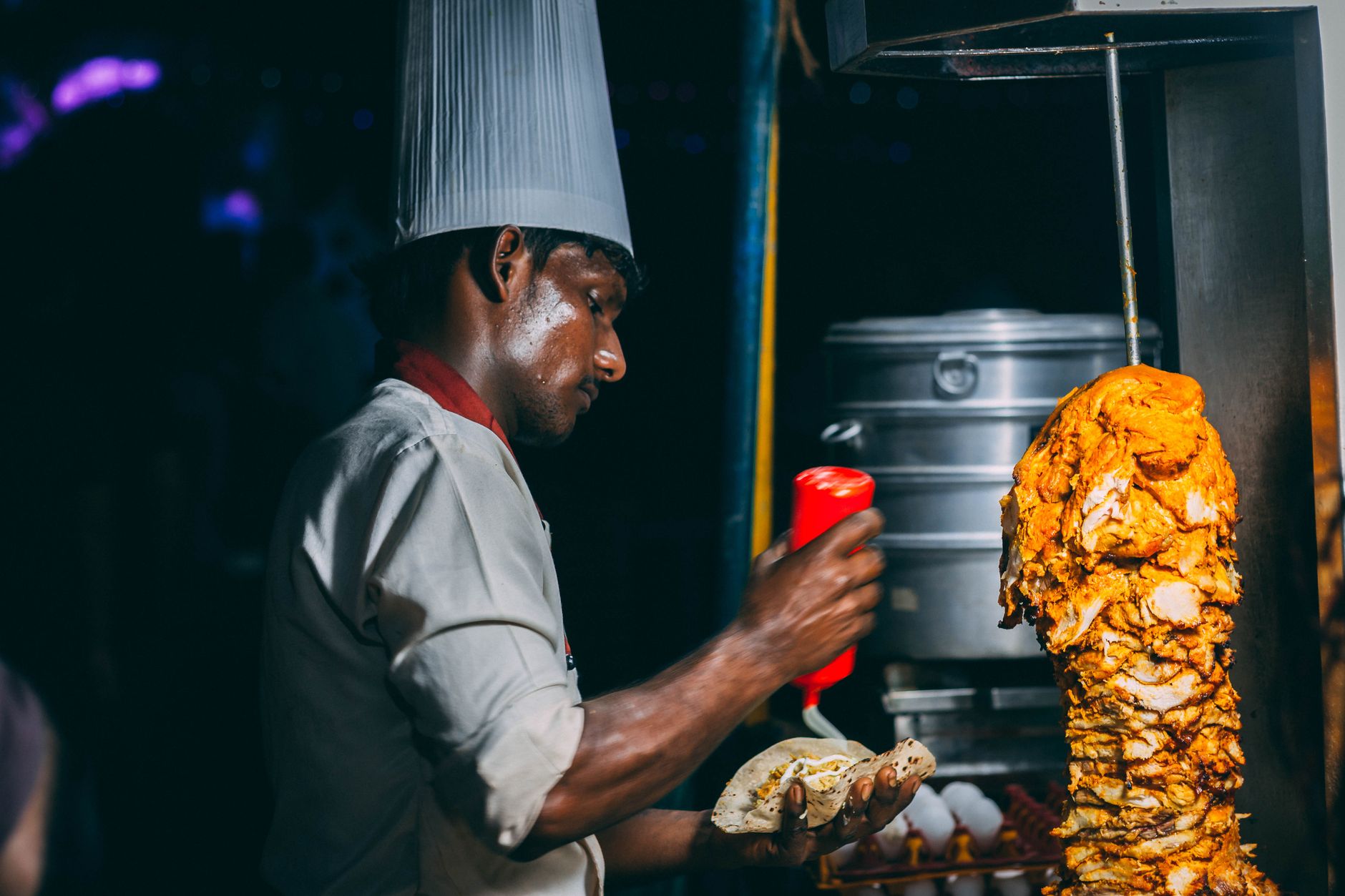
Street food is the undisputed champion of eating well for less. It’s an entire culinary ecosystem, vibrant, diverse, and often unbelievably cheap. From savory skewers to sweet treats, street food offers a sensory explosion and a true taste of local life.
Why it’s trending:
Social media has played a huge role in elevating street food from a mere convenience to a celebrated global phenomenon. Instagram and TikTok are awash with stunning visuals of sizzling woks, perfectly crafted tacos, and colorful desserts, making street food a highly sought-after, shareable experience.
Practical Tips for the Street Food Savvy:
- Observe Hygiene: Look for stalls with high customer turnover, visible cooking processes, and fresh-looking ingredients. If the vendor is using gloves or clean utensils, that’s a plus. Trust your gut – if it doesn’t look right, move on.
- Don't Be Afraid to Point: Language barrier? No problem! Point to what looks good, make eye contact, and smile. Most vendors are incredibly friendly and happy to serve.
- Carry Small Bills: Many street food vendors prefer cash and often don't have change for large denominations.
- Embrace the Unknown: Sometimes the best dishes are the ones you can’t immediately identify. Be adventurous!
Specific Examples & Prices:
- Bangkok, Thailand: You can still find incredible Pad Thai or stir-fried noodles for 50-80 THB ($1.50-$2.50) from countless street vendors. Head to areas like Victory Monument or any major market for a feast. Don't miss out on mango sticky rice for dessert, often around 60 THB.
- Hanoi, Vietnam: The iconic Bún Chả (grilled pork with vermicelli noodles) can be yours for 30,000-60,000 VND ($1.30-$2.50). Pho, another classic, is similarly priced. Look for the tiny plastic stools and bustling crowds!
- Mexico City, Mexico: Tacos al Pastor are a revelation, and you can easily get 3-4 for 45-80 MXN ($2.50-$4). Churros are a delicious and cheap sweet treat, usually 20-30 MXN for a small bag. Look for taquerias or puestos (stalls) on almost every corner.
- Marrakech, Morocco: Djemaa el-Fna square transforms into a massive open-air restaurant at night. You can feast on tagines, skewers, and harira soup for 50-100 MAD ($5-$10) per person. It’s an unforgettable, sensory overload!
3. Market Marvels: Your Culinary Playground for Freshness and Value
Beyond street stalls, local markets are a goldmine for budget-conscious foodies. These aren't just places to buy groceries; they're cultural hubs, offering everything from fresh produce to ready-to-eat meals, snacks, and unique local ingredients.
Why it’s trending:
The farm-to-table movement and a desire for fresh, local ingredients have made market visits a popular activity for travelers. It's an authentic way to understand the local diet and culture.
Tips for Market Exploration:
- Go Early: For the freshest produce and best selection, arrive when the market opens.
- Picnic Perfection: Grab some fresh bread, local cheese, cured meats, and seasonal fruits for an incredibly affordable and delicious picnic. This is a fantastic way to save on lunch! I once assembled a gourmet picnic in a small Italian town for less than €10, enjoying it with a view of rolling Tuscan hills.
- Try Samples: Many vendors are happy to offer a taste of their wares, from exotic fruits to local cheeses.
- Bargain (Respectfully): In some cultures, polite bargaining is expected, especially towards the end of the day. Do it with a smile and good humor.
Specific Examples & Finds:
- Seoul, South Korea: Gwangjang Market is a foodie paradise. You can try Bindaetteok (mung bean pancakes) for 5,000-8,000 KRW ($4-$6), Mayak Gimbap (mini seaweed rolls) for 3,000 KRW, or a bowl of spicy Tteokbokki (rice cakes) for similar prices. It’s lively, authentic, and utterly delicious.
- Barcelona, Spain: While La Boqueria is famous (and a bit touristy), head to Mercat de Sant Antoni for a more local vibe. Here you can find fresh fruit cups, juices, and even some pre-made tapas for a fraction of restaurant prices. A delicious bocadillo (sandwich) filled with local ham and cheese can be €3-€5.
- Luang Prabang, Laos: The morning market is a fascinating glimpse into local life. You can buy fresh sticky rice, grilled fish, or savory snacks for just a few dollars. It's an experience for all senses.
4. Lunch Deals & Set Menus: The Midday Steal
Many restaurants, even those that are quite upscale for dinner, offer fantastic lunch specials that are significantly cheaper. These often come as "menu del día" (menu of the day), "plat du jour" (dish of the day), or "formule midi" (lunch formula).
Why it’s a smart move:
You get to experience a restaurant’s cuisine and ambiance at a fraction of the dinner price. These menus often include multiple courses, a drink, and sometimes even dessert.
How to Spot Them:
- Look for chalkboards or printed signs outside restaurants advertising "Menu del Día" or similar phrases.
- Ask hotel staff or locals for recommendations on places with good lunch deals.
- Check restaurant websites; sometimes they'll list their lunch specials.
Specific Examples & Savings:
- Spain & Portugal: A "Menu del Día" typically includes a starter, main course, dessert, and a drink (wine or water) for €10-€15. This is an incredible value compared to ordering à la carte in the evening, which could easily cost €30-€40.
- France: A "Formule Midi" might offer a starter + main, or main + dessert, for €15-€20. This is your chance to try traditional French bistro food without the hefty dinner price tag.
- Italy: Look for "Pranzo di Lavoro" (worker’s lunch) signs, especially in smaller towns. You can often get a pasta dish, a main, and a coffee for €12-€18.
5. Embrace Local Beverages & Snacks: Beyond the Main Meal
Don't let expensive imported drinks or unnecessary snack purchases derail your budget. Embrace the local alternatives!
- Hydrate Locally: Forget bottled water from convenience stores if tap water is safe. Otherwise, buy larger bottles from supermarkets. For drinks, opt for local coffees, teas, or fresh fruit juices.
- Vietnam: Cà phê sữa đá (iced coffee with condensed milk) is a divine experience for 20,000-30,000 VND ($0.80-$1.30).
- India: A refreshing Masala Chai can be found for as little as 10-20 INR ($0.12-$0.25) from street vendors.
- Mexico: Aguas Frescas (fresh fruit waters) are delicious and cheap, often 20-30 MXN ($1-$1.50).
- Snack Smart: Instead of buying expensive packaged snacks, explore local bakeries, patisseries, or market stalls for cheap and authentic treats.
- Italy: A perfect cannoli in Sicily for €1.50-€2.
- Greece: A freshly baked spanakopita (spinach pie) for €2-€3.
- Southeast Asia: Fresh tropical fruits like mangoes, rambutan, or mangosteens are incredibly cheap and satisfying.
These local delights are not just cheaper; they're often more delicious and provide a deeper cultural insight than anything you'd find in a tourist-oriented cafe. Plus, they make for fantastic, colorful Instagram content!
6. Tech Tools & Language Hacks for the Savvy Foodie
In today's connected world, technology is your best friend for uncovering hidden culinary gems.
- Google Translate (Camera Feature): This is a game-changer for deciphering menus in foreign languages. Simply point your phone camera at the text, and voila! It’s not always perfect, but it gives you enough context to make an informed decision.
- Local Food Blogs & Apps: Before you travel, do a quick search for "[City Name] best budget eats" or "[City Name] street food guide." Local bloggers often have the best insider tips. Apps like Tripadvisor or Yelp can be useful, but filter reviews by "local" or "cheap eats" to avoid tourist traps. Apps like "HappyCow" are great for finding vegetarian/vegan options.
- Ask Your Local Contacts: Hotel receptionists, hostel staff, local tour guides, or even friendly shopkeepers are invaluable resources. Politely ask them, "Where do you eat?" or "What's your favorite local, cheap restaurant?" Their recommendations are gold.
- Learn Basic Food Phrases: A few key phrases can go a long way:
- "Delicious!" (e.g., Saboroso! in Portuguese, Oishi! in Japanese)
- "Thank you"
- "How much?"
- "I would like..."
- "No spice/less spice" (if applicable!)
Connecting with locals, even through a few words, enhances your entire experience and often leads to an even better meal.
7. Food Safety: A Quick Word of Caution (Without the Fear)
While eating like a local is an adventure, a quick word on food safety is always prudent. Don't let fear paralyze you, but do be mindful.
- Cooked is Best: Generally, freshly cooked, hot food is safer than raw or lukewarm dishes, especially in tropical climates.
- Bottled Water: Stick to bottled or filtered water in regions where tap water isn't safe for drinking.
- Fruit Peels: If you can peel it, it's generally safer.
- Trust Your Senses: If something smells off, looks suspiciously old, or the vendor seems unhygienic, politely decline and find another spot.
Most food poisoning comes from cross-contamination or improperly stored food, not necessarily from "street food" itself. High turnover and fresh cooking can often be safer than a buffet that's been sitting out.
Conclusion: Eat Your Way to Authentic Adventures!
Eating like a local for pennies is more than just a money-saving strategy; it's a philosophy of travel. It’s about embracing spontaneity, trusting your instincts, and allowing your taste buds to guide you to the heart of a culture. It’s about the joy of discovery, the thrill of a hidden gem, and the satisfaction of a truly authentic meal shared with locals.
You'll not only save a significant chunk of your travel budget, but you’ll also forge deeper connections, create unforgettable memories, and taste flavors that will linger long after you’ve returned home. So, next time you travel, ditch the fancy reservations and seek out the sizzling woks, the bustling markets, and the unassuming eateries. Your palate (and your wallet) will thank you!
What's your favorite budget food find from your travels? Share your tips and mouth-watering stories in the comments below! Tag us in your next budget food adventure on Instagram using #TripsoraFoodHacks #EatLikeALocal! Let's inspire each other to feast smarter, not harder!
---