The Unforgettable Scent of Adventure: My First Taste of True Culinary Bliss
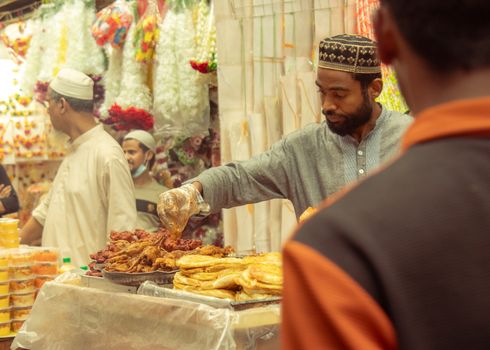
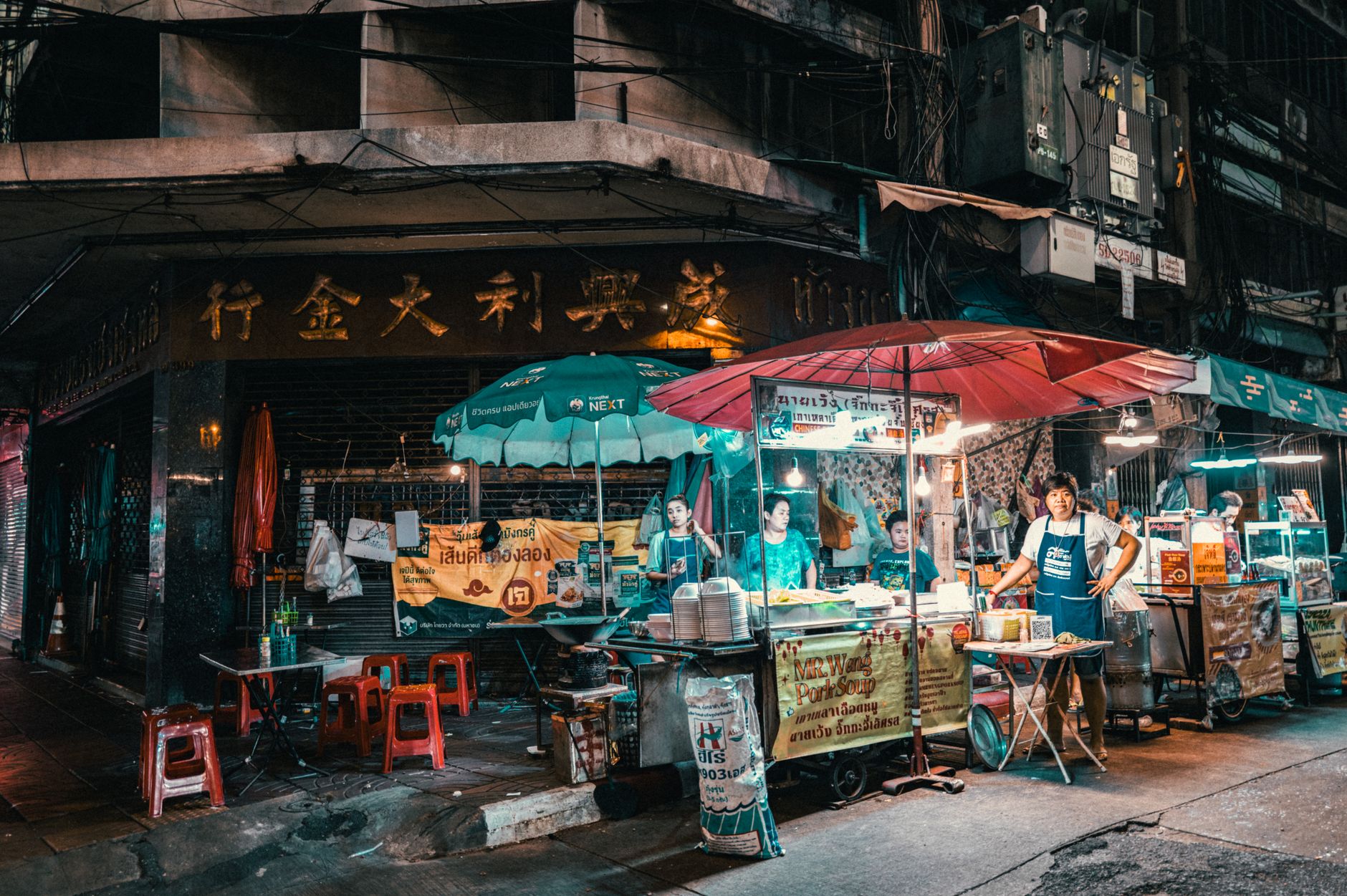
I stepped off the train, the humid air thick with the promise of something extraordinary. It wasn't the cacophony of a thousand hawkers I expected, but a symphony of sizzling woks, the murmur of local chatter, and the intoxicating perfume of grilled meats mingling with exotic spices. This was it. This was the kind of food market experience I’d been chasing – vibrant, authentic, and blissfully uncrowded. Forget the well-trodden paths; in April 2026, the real culinary magic lies in the places that haven't yet hit the mainstream radar.
Bangkok's street food scene is legendary, no doubt. But for those of us who crave that same explosion of flavor and culture without the shoulder-to-shoulder squeeze, especially during peak travel times, the quest for the truly exceptional can be daunting. This guide is my personal dispatch, a collection of gastronomic havens I've unearthed that offer all the sensory delight and deliciousness, but with breathing room and a genuine connection to local life.
1. Penang, Malaysia: A Symphony of Straits Chinese Flavors
Penang is often mentioned in the same breath as Bangkok for its food, but its markets offer a distinct, more refined yet equally vibrant experience. The Gurney Drive Hawker Centre, while popular, is just the tip of the iceberg. Venture deeper, and you'll find pockets of culinary genius that feel like stepping back in time.
The Char Kway Teow Revelation
My most vivid memory? A tiny stall tucked away in a less-frequented corner of George Town. The "Uncle" (as everyone called him) had been perfecting his Char Kway Teow for over fifty years. The smoky 'wok hei' – that elusive breath of the wok – was palpable. Flat rice noodles, plump prawns, crisp bean sprouts, and chives, all stir-fried in a dark, savory soy sauce, with just the right amount of chili heat. It was a masterclass in simple ingredients elevated to art.
Pro-Tip:
Look for stalls with a queue of locals, especially older ones. They know where the real magic happens. Don't be afraid to point and smile if your Malay is rusty.
Quick Facts: Penang Street Food
| Category | Details | Estimated Cost ($) |
| :-------------- | :-------------------------------------------- | :----------------- |
| Best Time | Evenings (6 PM - 10 PM) for atmosphere. Mornings for breakfast specialties. | $1 - $5 per dish |
| How to Get There | Fly into Penang International Airport (PEN). Taxis or Grab are readily available. | $10 - $20 (from airport) |
| Must-Try | Char Kway Teow, Assam Laksa, Rojak, Cendol. | N/A |
| April 2026 | Expect pleasant, warm weather. Avoid the hottest mid-day sun. | N/A |
2. Hoi An, Vietnam: Lantern-Lit Delights and Coastal Breezes
Hoi An’s Ancient Town is a UNESCO World Heritage site, and its food scene is as enchanting as its architecture. While the riverside restaurants can be touristy, the true heart of Hoi An's culinary soul beats in its local markets.
The Banh Mi Beyond Compare
Forget what you think you know about Banh Mi. In Hoi An, it’s an art form. I found a stall near the Central Market, bathed in the soft glow of countless silk lanterns. The baguette, impossibly crisp on the outside, airy within, was stuffed with a medley of savory pâté, tender grilled pork, fresh herbs, and a secret spicy sauce that lingered beautifully. Each bite was a perfect balance of textures and tastes.
Pro-Tip:
Visit the Central Market early in the morning (around 7 AM) when locals are buying their ingredients for the day. The atmosphere is electric, and the food is at its freshest.
The Cau Lau – Hoi An’s signature noodle dish with its unique chewy noodles, slices of pork, and crispy croutons – is another must-try. The secret, locals say, lies in the water used to make the noodles, sourced from a specific ancient well.
Quick Facts: Hoi An Street Food
| Category | Details | Estimated Cost ($) |
| :-------------- | :-------------------------------------------- | :----------------- |
| Best Time | Evenings for the lantern-lit ambiance. Early mornings for market buzz. | $0.50 - $3 per dish |
| How to Get There | Fly into Da Nang International Airport (DAD), then take a taxi or shuttle to Hoi An. | $15 - $25 (from airport) |
| Must-Try | Banh Mi, Cau Lau, White Rose Dumplings, Mi Quang. | N/A |
| April 2026 | Generally dry and warm, perfect for exploring. | N/A |
3. Chiang Mai, Thailand: Northern Charm and Culinary Depth
While Bangkok grabs the headlines, Chiang Mai offers a distinct and equally delicious Thai culinary experience, often with a gentler pace and a focus on northern specialties. The Warorot Market (Kad Luang) is a sensory overload in the best possible way.
The Khao Soi Quest
Chiang Mai is the undisputed home of Khao Soi, a rich, coconut-based curry noodle soup. My quest led me to a small, unassuming eatery adjacent to Warorot Market. The broth was deeply fragrant, with tender braised chicken falling off the bone, topped with crispy fried noodles for texture. The accompanying pickled mustard greens, lime, and shallots were the perfect counterpoints to the richness.
Pro-Tip:
Explore the smaller soi (alleys) branching off the main market streets. You'll often find family-run establishments that have been serving the same incredible dishes for generations.
The market itself is a riot of color and aroma – vibrant fruits, pungent dried chilies, fragrant herbs, and a bewildering array of local snacks. Don't miss the Sai Oua (Northern Thai sausage), packed with herbs and spices.
Quick Facts: Chiang Mai Street Food
| Category | Details | Estimated Cost ($) |
| :-------------- | :-------------------------------------------- | :----------------- |
| Best Time | Mornings for fresh produce and breakfast. Evenings for cooked food. | $1 - $4 per dish |
| How to Get There | Fly into Chiang Mai International Airport (CNX). Taxis or Grab are readily available. | $5 - $10 (from airport) |
| Must-Try | Khao Soi, Sai Oua, Gaeng Hung Lay (Burmese-style pork belly curry), Som Tum (Papaya Salad). | N/A |
| April 2026 | Can be hot, so hydrate and seek shade. Mornings and evenings are most comfortable. | N/A |
4. Yogyakarta, Indonesia: A Culinary Crossroads of Java
Yogyakarta, often called "Jogja," is the cultural heart of Java, and its food scene reflects a rich history and a unique blend of influences. The Malioboro Street Night Market might be famous, but for a more authentic, less frenetic experience, head to the smaller, local warungs and markets.
The Gudeg Revelation
Yogyakarta's signature dish is Gudeg, a sweet, slow-cooked jackfruit stew. I discovered a humble warung where the gudeg had been simmering for hours, its rich, caramel-like aroma filling the air. Served with sticky rice, shredded chicken, and a hard-boiled egg, it’s a dish that’s both comforting and complex. The sweetness is balanced by the savory elements and a hint of spice.
Pro-Tip:
For the most authentic experience, seek out angkringan – small, roadside stalls that serve simple Javanese snacks and drinks. They are incredibly affordable and offer a glimpse into local life.
Explore the Pasar Beringharjo, Yogyakarta's largest traditional market, for an incredible array of batik fabrics, spices, and local delicacies.
Quick Facts: Yogyakarta Street Food
| Category | Details | Estimated Cost ($) |
| :-------------- | :-------------------------------------------- | :----------------- |
| Best Time | Evenings for night markets and angkringan. Mornings for market exploration. | $0.50 - $3 per dish |
| How to Get There | Fly into Yogyakarta International Airport (YIA). Taxis or ride-sharing apps are available. | $5 - $15 (from airport) |
| Must-Try | Gudeg, Nasi Goreng (Fried Rice), Sate Ayam (Chicken Satay), Bakpia (Sweet Pastry). | N/A |
| April 2026 | Pleasant temperatures, with a good chance of sunshine. | N/A |
5. Luang Prabang, Laos: Serene Flavors and Mekong Magic
Luang Prabang offers a more tranquil, yet equally delicious, food market experience. The Night Market here is less about frantic hawking and more about artisanal crafts and delectable local dishes served with a smile.
The Sticky Rice and Laap Dance
Laotian cuisine is characterized by its fresh herbs, sticky rice, and flavorful minced meat salads called Laap. I found a stall where the Laap was prepared with freshly pounded herbs and chili, the minced chicken tender and bursting with lime and mint. The sticky rice, served in traditional bamboo baskets, was the perfect vehicle for scooping up every last morsel.
Pro-Tip:
The Morning Market is a must for early risers. It’s where locals shop for fresh produce, exotic ingredients, and breakfast treats. You’ll see things you’ve never seen before!
The gentle pace of Luang Prabang allows you to truly savor each bite and the serene atmosphere. Don't miss the Mok Pa (steamed fish in banana leaves) or the Khao Piak Sen (Lao noodle soup).
Quick Facts: Luang Prabang Street Food
| Category | Details | Estimated Cost ($) |
| :-------------- | :-------------------------------------------- | :----------------- |
| Best Time | Evenings for the Night Market. Early mornings for the Morning Market. | $1 - $4 per dish |
| How to Get There | Fly into Luang Prabang International Airport (LPQ). Taxis are available. | $3 - $7 (from airport) |
| Must-Try | Laap, Sticky Rice, Mok Pa, Khao Piak Sen, Mekong River fish. | N/A |
| April 2026 | Hot and dry season. Stay hydrated and enjoy the cooler mornings and evenings. | N/A |
The Unseen Delights: Why These Markets Shine
These aren't just places to eat; they are living, breathing cultural hubs. The lack of overwhelming crowds means you can engage with vendors, learn about the ingredients, and truly absorb the local ambiance. You’re not just a tourist; you’re a welcomed guest at a culinary celebration.
Authenticity is Key:
* Penang: The Straits Chinese heritage infuses the food with a unique Peranakan flair – think subtle spices and complex flavor layering. The architecture of George Town itself tells a story of trade and fusion.
* Hoi An: The blend of Vietnamese and Chinese influences is evident in the delicate flavors and presentation. The ancient trading port's history is etched into every lantern-lit street.
* Chiang Mai: Northern Thai cuisine is distinct from central Thai food, often featuring more herbs, less coconut milk in some dishes, and influences from neighboring Myanmar and Laos.
* Yogyakarta: Javanese food is known for its sweetness and use of palm sugar, reflecting the island's agricultural bounty. The vibrant batik patterns seen in markets are a testament to local artistry.
* Luang Prabang: Laotian cuisine is characterized by its freshness and emphasis on sticky rice. The laid-back pace of life here is reflected in the relaxed dining experience.
Planning Your Crowd-Free Culinary Adventure in April 2026
April can be a fantastic time to travel to these destinations. While it might be warming up in some areas, the crowds are generally thinner than during major holiday periods. By choosing these slightly less mainstream (but equally magnificent) food markets, you're guaranteeing a more intimate and authentic experience.
My Final Word of Advice:
Be adventurous. Step outside your comfort zone. Point to what looks good, smile, and embrace the delicious unknown. These markets are a testament to the fact that the most unforgettable travel experiences often lie just beyond the well-trodden path, waiting to be discovered. Happy eating!