Secret Eats: How to Eat Like a Local for Pennies (Before They Go Viral)
I still remember the first time I truly felt like I’d cracked the code. It was my second day in Bangkok, years ago, and my stomach was rumbling with a familiar disappointment. I’d spent too much on a mediocre Pad Thai at a tourist-trap restaurant, the kind with laminated menus and photos that never quite matched the reality. I was frustrated, hungry, and feeling like I was missing the real Bangkok.
Then, I saw it. Tucked down a narrow soi (alleyway), barely visible from the main street, was a tiny noodle stall. No English sign, just a handful of plastic stools and a few locals slurping away, their faces alight with pure culinary bliss. My gut (the adventurous one, not the disappointed one) told me to go for it. I pointed at a bowl that looked utterly delicious, handed over a few baht, and within minutes, a steaming, aromatic bowl of Guay Teow Rua (boat noodles) was in front of me.
One spoonful. That’s all it took. The broth was rich, complex, a symphony of sweet, sour, salty, and spicy. The noodles were perfectly chewy, the pork tender, the greens fresh. And the cost? Less than a dollar. In that moment, sitting on a wobbly plastic stool, surrounded by the cacophony of Bangkok, I didn’t just eat a meal; I tasted the soul of the city. I felt like I was part of something secret, something authentic, something utterly unforgettable.
That experience changed how I travel forever. It ignited a passion for finding those hidden culinary gems, those places where locals truly eat, long before they get a mention in a guidebook or a trending hashtag. This isn't just about saving money (though your wallet will thank you profusely); it's about authentic immersion, genuine connection, and flavors that will haunt your dreams. Ready to become a culinary Indiana Jones? Let’s dive in.
1. Why Go Off-Menu (and Off-Map)? The True Taste of Travel
Before we get into the "how," let's talk about the "why." Why bother venturing beyond the well-trodden tourist paths for your meals?
Beyond the Baht (or Dollar, or Euro):
Yes, saving money is a huge perk. Eating like a local can slash your food budget by 50-80%, freeing up funds for experiences, souvenirs, or extending your trip. But the benefits go far deeper.
Cultural Immersion, One Bite at a Time:
Food is culture. It's history, family, tradition, and love on a plate. When you eat where locals eat, you're not just tasting a dish; you're experiencing a piece of their daily life, their heritage. You're witnessing interactions, soaking in the atmosphere, and often, engaging in conversations (even if it's just through smiles and gestures) that you'd never get in a sterile, tourist-oriented restaurant.
The Thrill of Discovery:
There's an unparalleled satisfaction in unearthing a culinary treasure that hasn't been "discovered" yet. It's like finding a secret garden – a personal victory that makes your travel story unique. These are the meals you'll talk about for years, not the bland pasta you had at that chain restaurant.
Supporting True Local Businesses:
Those tiny, family-run stalls and hole-in-the-wall eateries are often the backbone of a community. By choosing them, you're directly supporting local families, helping to preserve traditional recipes, and ensuring that the authentic flavors of a destination continue to thrive.
Think of it this way: Would you rather eat a mass-produced souvenir, or a handcrafted piece of art? Local food is the handcrafted art of a destination.
2. The Art of Reconnaissance: Finding Your Culinary Compass
So, how do you find these elusive, delicious, and budget-friendly spots? It takes a bit of savvy and a willingness to explore.
- Observe Like a Local: This is your number one tool. Walk around. What do you see?
- The Queue Test: A long line of locals (especially during peak hours) is a universally good sign. If they're waiting, it's worth waiting for.
- No English, No Problem: Often, the best spots have no English menus or even English speakers. This is a green light, not a red one. It means they cater to locals, not tourists.
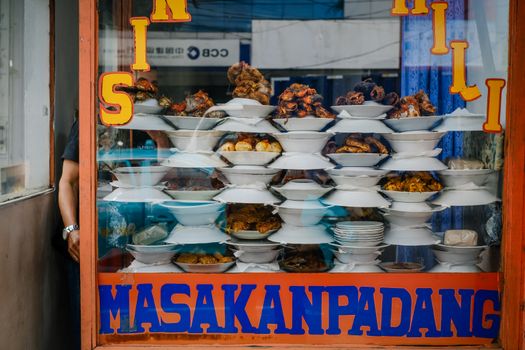
- Simple Decor, Big Flavor: Don't be swayed by fancy tablecloths or mood lighting. The best food often comes from the most unassuming places – plastic chairs, communal tables, open-air setups.
- The "One Dish Wonder": Many truly authentic local spots specialize in just one or two dishes, perfecting them over generations. If a place only serves pho, or only biryani, chances are it's incredible.
* Ask the Right Questions: Don't ask a hotel concierge "Where's a good restaurant?" They'll likely send you to an overpriced, tourist-friendly spot with a commission deal. Instead, ask:
* "Where do you eat lunch?"
* "What's your favorite street food stall?"
* "Where can I find the best [specific local dish] that locals go to?"
Ask taxi drivers, shopkeepers, hostel staff, market vendors, or even other travelers you meet who seem to be "in the know." They are your best, most unfiltered source. I once asked a bus driver in Medellín where he got his empanadas, and he pointed me to a tiny window stall that served the crispiest, most flavorful empanadas I’ve ever tasted, for about 50 cents each.
- Google Maps & Beyond (with a Twist):
- Local Language Search: If you know a few words of the local language, use them in your search. For example, instead of "best tacos Oaxaca," try "mejores taquerias Oaxaca." You'll often uncover local blogs or review sites.
- Street View Detective: Use Google Street View to "walk" around areas near your accommodation or attractions. Look for those queues, simple setups, and bustling activity.
- Instagram Hashtag Dive: Search hashtags like #localfood[city], #streetfood[city], #cheap eats[city]. You might find photos posted by locals or savvy travelers, often with location tags.
- Markets are Goldmines: Wet markets, farmers' markets, night markets – these are epicenters of local life and culinary delights. Not only can you find the freshest ingredients, but often, vendors will cook food on the spot, or there will be dedicated sections for prepared meals. More on this later!
3. Street Food Savvy: Your Wallet's Best Friend
If there's one universal truth about eating like a local for pennies, it's this: embrace street food. From bustling night markets to humble roadside carts, street food is the vibrant, delicious, and incredibly affordable heart of a destination's culinary scene.
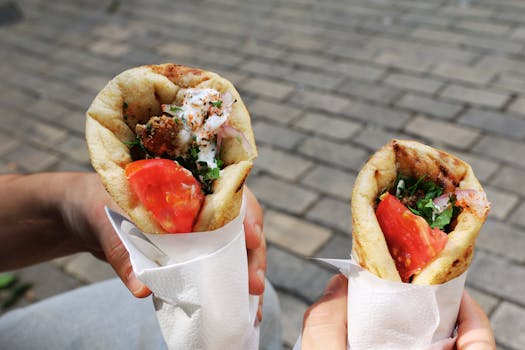
- Embrace the Open Air Kitchen: Forget white tablecloths; think open flames, sizzling woks, and the aroma of spices perfuming the air. Street food offers an incredible variety: tacos in Mexico, satay in Malaysia, curries in India, pho in Vietnam, crepes in France – the list is endless.
- The Hygiene Check (Your Gut Instinct is Key): This is where many travelers hesitate, but it’s often safer than you think if you follow a few rules:
- High Turnover is Your Friend: Choose stalls that are busy. High customer volume means ingredients are fresh and constantly replenished, and food isn't sitting out for long.
- Watch Them Cook: Can you see the food being prepared right in front of you? This is ideal.
- Cleanliness Matters: Look for clean surfaces, proper handling of raw and cooked ingredients, and vendors who use gloves or utensils.
- Cooked Hot, Served Hot: Avoid anything that looks like it's been sitting at lukewarm temperatures. Fried, grilled, boiled, or steamed dishes served piping hot are generally safest.
- Trust Your Nose: If something smells off, move on. There are always other options.
- The Power of the Point (and a Smile): Language barrier? No problem. Point at what others are eating, or directly at the ingredients you want. A friendly smile and a "thank you" in the local language go a long way. I once spent 10 minutes miming a chicken and a noodle to a street vendor in Laos, and the resulting dish was pure magic!
- Portion Control & Variety: Street food is perfect for sampling. You can try several different dishes from various stalls without committing to one large meal. This is how you discover your favorites and truly explore the local palate.
- Specifics to Look For: In Vietnam, a bowl of Bún Chả can cost as little as 30,000 VND ($1.20). In Mexico City, three delicious tacos al pastor might set you back 50 MXN ($2.50). In Thailand, a generous plate of Pad See Ew is often 60-80 THB ($1.70-$2.30). These are not just cheap; they are often superior to their restaurant counterparts.
4. Market Magic: Eating Fresh & Frugal
Beyond street food stalls, local markets are another undeniable goldmine for budget-friendly, authentic eats. They offer a different, equally rewarding experience.
- The Prepared Food Section: Many markets, especially in Asia, Latin America, and parts of Europe, have dedicated sections where vendors sell ready-to-eat meals. These are often home-style dishes, cooked with fresh market ingredients, and sold by weight or portion.
- Example: In a mercado in Oaxaca, Mexico, you can find dozens of stalls selling tlayudas, mole, chapulines, and fresh fruit juices, all for a fraction of restaurant prices. In Rome, the Campo de' Fiori market might offer delicious porchetta sandwiches or fresh pasta to go.
- Cook Your Own Culinary Adventure: If you're staying in an Airbnb or a hostel with a kitchen, hitting a local market for ingredients is an absolute must.
- Freshness & Price: You'll find the freshest produce, meats, and seafood, often at significantly lower prices than supermarkets (and with a much better selection).
- Local Flavors: Experiment with local spices and ingredients. It's an incredible way to deepen your understanding of the cuisine.
- The "Picnic" Advantage: Grab a fresh baguette, some local cheese, cured meats, olives, and seasonal fruit from a market, and create an epic picnic in a beautiful park or by a scenic viewpoint. This is one of my favorite ways to eat like a king for pennies in places like France or Italy. I remember assembling a phenomenal picnic spread in Paris for under €10 that would have cost me €40+ in a cafe.
- Engage with Vendors: Don't be shy! Market vendors are often passionate about their produce and happy to offer tips on how to prepare things. Learning a few basic phrases ("hello," "thank you," "how much?") will make your experience even richer. They might even offer you a sample!
5. Uncovering Hidden Eateries: The Hole-in-the-Wall Wonders
Sometimes, the best authentic food isn't on the street or in a market, but tucked away in a tiny, unassuming restaurant that blends seamlessly into its surroundings. These "hole-in-the-wall" spots are where true culinary magic often resides.
- Look for the Unassuming: These places rarely have flashy signs, English menus, or Instagram-worthy interiors (though the food itself is often Instagram-worthy!). They might look a bit worn, have mismatched furniture, or be incredibly small. These are all good indicators.
- The Lunch Special Advantage: Many local eateries offer special, often cheaper, set menus (like comida corrida in Latin America or plat du jour in France) during lunchtime. This is a fantastic way to experience their best dishes at a fraction of the dinner price. In Mexico City, I regularly found comida corrida (a multi-course meal) for 60-100 MXN ($3-5).
- No Frills, Big Flavors: Don't let the lack of ambiance deter you. The focus here is entirely on the food. The owners often pour their heart and soul into their cooking, using recipes passed down through generations. These are the places where grandmothers are still in the kitchen, carefully stirring pots.
- The "Local's Choice" Menu (or Asking for It): Sometimes, there's a separate menu (or even just an unwritten understanding) for locals, featuring daily specials or more traditional dishes. If you can, ask "What's good today?" or "What do you recommend?" A genuine interest in local food will often be met with warmth and a delicious recommendation.
- Venture Slightly Off-Center: Tourist areas are notoriously expensive and often lack authenticity. Walk 5-10 blocks in any direction away from major attractions, and you'll often find prices drop dramatically and authenticity soar. That tiny pizzeria in Rome, a few streets away from the Colosseum, serving perfect slices for €2, rather than the €8 tourist trap right outside. That's the sweet spot.
6. The "Before They Go Mainstream" Mindset: Be a Food Pioneer
This is the secret sauce. How do you find these places before they become famous, before the lines stretch around the block, and before the prices inevitably go up? It’s about cultivating a pioneering spirit.
- Follow Your Nose (Literally): Sometimes, the best finds are purely accidental. I once followed the irresistible scent of grilling meat down a residential street in San Salvador and discovered an incredible pupuseria that was clearly a local institution, far from any tourist map. Trust your senses.
- Embrace the Unknown: Don't be afraid to try something you can't identify. That's where the magic often happens. Point, smile, and take a leap of faith. The worst that can happen is you don't like it (and you only spent pennies!). The best? You discover your new favorite dish.
- Go Early or Go Late: Beat the rush. Arrive at a popular street food spot right when they open, or just before they close. Sometimes, closing time can even yield a small discount on remaining items.
- Talk to Everyone: Engage with vendors, fellow diners (if they seem open), and locals you meet. Ask them about their favorite new spot, or an old family favorite that hasn't changed in decades. The best recommendations often come from casual conversations. They might tell you about a new food truck that just started, or a pop-up kitchen.
- Look for the "Next Big Thing" Indicators: Are there young, enthusiastic chefs setting up small stalls? Are there traditional dishes being given a slight, modern twist by a new generation? Keep an eye out for these subtle signs of emerging culinary trends before they explode.
- Be a Recorder, Not Just a Consumer: When you find a gem, take a photo (ask permission first if necessary, especially if photographing people), note the name, street, and what you ate. Share it responsibly (maybe not too broadly if you want to keep it a secret for a bit longer!), but definitely save it for your own travel memories and future reference.
Go Forth, Explore, and Eat Like a Local Legend!
Eating like a local for pennies isn't just a budget hack; it's a philosophy of travel. It's about seeking out authenticity, embracing adventure, and connecting with a destination on a deeper, more flavorful level. It's about the thrill of discovery, the joy of a perfect, cheap meal, and the satisfaction of knowing you’ve truly experienced a place through its most delicious lens.
So, ditch the guidebooks' restaurant recommendations, silence the siren song of familiar fast food, and step out of your comfort zone. Observe, ask, explore, and trust your adventurous palate. The world is brimming with incredible, affordable, and authentic flavors just waiting to be discovered by you, before they hit the mainstream.
Now go forth, be brave, and eat like the savvy, budget-conscious, flavor-seeking adventurer you are! And when you uncover your own secret eats, be sure to share a photo with us on social media using #TripsoraEatsLocal – we can't wait to see your delicious discoveries!
---