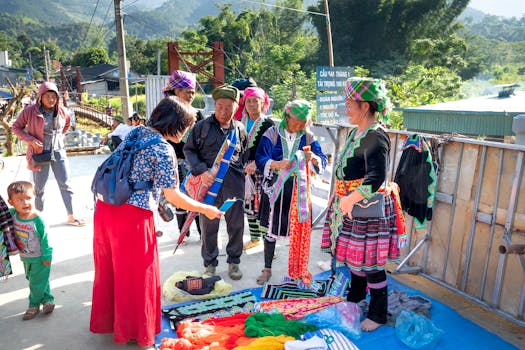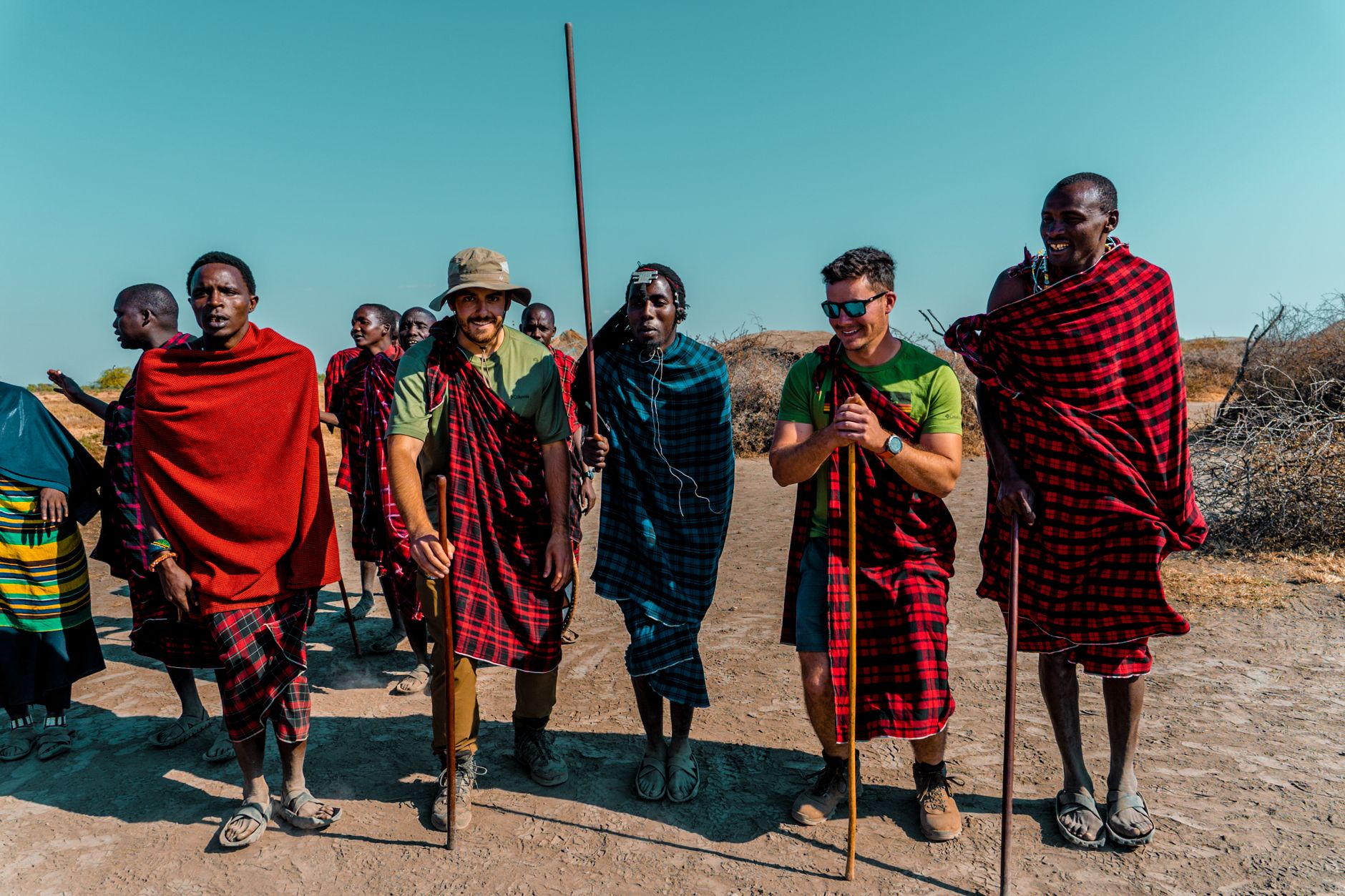
The world is a tapestry woven with countless threads of culture, each one unique, vibrant, and often, utterly surprising. As a travel blogger for Tripsora, I’ve had the privilege of witnessing some truly extraordinary sights – from the sprawling beauty of the Sahara to the serene peaks of the Himalayas. But the moments that truly stick with me, the ones that reshape my understanding of humanity, aren't always the grand monuments or the breathtaking landscapes. They are the quiet, often unexpected, encounters with local customs.
I remember my first trip to Morocco, navigating the labyrinthine souks of Marrakech. I was haggling over a rug, feeling quite pleased with my bargaining skills, when the shopkeeper suddenly invited me for mint tea. I thought it was a sales tactic, but as we sat, sipped, and shared stories of our families, I realized it was more than that. It was an act of genuine hospitality, a cornerstone of Moroccan culture, where human connection often precedes commerce. That simple act of sharing tea, initially surprising, became a cherished memory and a profound lesson in cultural nuance.
This experience sparked a lifelong quest: to seek out and understand the local customs that aren't yet plastered across every guidebook or Instagram feed. These are the practices that truly define a community, offering a window into their soul. They are the traditions that will surprise you, challenge your preconceptions, and ultimately, enrich your travels beyond measure – long before they become mainstream.
Join me as we journey through six incredible destinations, uncovering customs that will not only blow your mind but also inspire you to travel deeper, connect more meaningfully, and embrace the beautiful diversity of our world.
1. Bhutan: The Sacred Phallus – A Symbol of Fertility and Protection
My first visit to Bhutan, the Land of the Thunder Dragon, was a kaleidoscope of vibrant monasteries, pristine landscapes, and an overwhelming sense of peace. But nothing quite prepared me for the sight of phallic symbols adorning houses, murals, and even standalone structures. My initial reaction, I confess, was a mix of bewilderment and amusement. Was this a prank? A quirky local joke?
It wasn't until I visited Chimi Lhakhang, the "Temple of Fertility," near Punakha, that I truly understood. This serene monastery is dedicated to Drukpa Kunley, affectionately known as the "Divine Madman," a 15th-century lama renowned for his unconventional teachings and his use of a "flaming thunderbolt of wisdom" – a euphemism for his phallus – to subdue demons and bless the infertile.
Here, the phallus is not crude or vulgar; it's a revered symbol of fertility, protection against evil spirits, and good luck. Couples seeking children come to Chimi Lhakhang for blessings, and you'll see wooden phalluses painted with intricate designs, often with ribbons, displayed prominently. It's a powerful reminder that symbols can carry vastly different meanings across cultures. What might be considered taboo elsewhere is here a sacred emblem of life and prosperity.
Practical Tips for Travelers:
* Approach with Respect: Understand that this is a deeply ingrained cultural and spiritual symbol, not a novelty. Avoid making jokes or disrespectful comments.
* Observe and Learn: At Chimi Lhakhang, you can learn about the history and significance from resident monks. If offered a blessing with the wooden phallus, accept it graciously.
* Photography: Be mindful. While murals are often photographed, always ask before taking pictures of people participating in rituals.
* Location & Access: Chimi Lhakhang is a pleasant 20-minute walk through rice paddies from the road near Sopsokha village, Punakha. The walk itself is picturesque and offers great photo opportunities.
Instagram-Worthy Moment:
A vibrant mural of a flying phallus on a traditional Bhutanese farmhouse, set against the backdrop of lush green rice fields. #BhutanCustoms #SacredSymbols #ChimiLhakhang #FertilityTemple
2. Ethiopia: The Nuances of 'Buna Tetu' – Beyond the Bean
Ethiopia is the birthplace of coffee, and its elaborate coffee ceremony, or 'Buna Tetu', is world-renowned. But what most tourists experience is often a condensed, performative version. To truly witness the depth of this ritual, you need to step beyond the main cities and into the homes of communities like those in Harar or the smaller villages of the Southern Omo Valley.
I was invited into a humble home in Harar, a UNESCO World Heritage city known for its ancient walled city and vibrant markets. Here, the Buna Tetu wasn't just about brewing coffee; it was a profound act of hospitality and social connection. My host, a matriarch named Fatuma, meticulously roasted the green beans over charcoal, the smoke perfuming the air with an intoxicating aroma. She then ground them by hand with a mortar and pestle, her movements practiced and deliberate.
The coffee was brewed in a traditional clay pot called a jebena, then poured from a height into small, handle-less cups. Each pour, each sip, was accompanied by incense, blessings, and lively conversation. Crucially, refusing the three rounds of coffee is considered impolite, as each round symbolizes a stage of blessing and friendship. The ceremony was a slow, deliberate dance of respect, gratitude, and community, far removed from the quick caffeine fix I was used to. The specific prayers and gestures differed subtly from a ceremony I later witnessed in a more rural setting, highlighting the hyper-local variations that make each experience unique.
Practical Tips for Travelers:
* Accept the Invitation: If invited to a local's home for Buna Tetu, always accept. It's a huge honor.
* Be Patient and Present: The ceremony is unhurried. Embrace the slow pace, engage in conversation, and soak in the atmosphere.
* Observe and Follow: Pay attention to your host's lead regarding when to sip, when to speak, and how to accept refills.
* Express Gratitude: A heartfelt "Amesegnalehu" (thank you) goes a long way.
* Location & Access: While ceremonies can be found across Ethiopia, seek out invitations in smaller towns or through local guides in places like Harar or the Southern Omo Valley for a truly authentic experience.
Instagram-Worthy Moment:
The intricate jebena on a low table, surrounded by small cups, fragrant incense smoke curling upwards, and the warm, inviting glow of the charcoal fire. #EthiopianCoffee #BunaTetu #Harar #CulturalImmersion #SlowTravel
3. Bolivia: Pachamama's Daily Bread – The 'Mesa Blanca'
High in the Andes, where the air is thin and the mountains stand as ancient guardians, Bolivia pulsates with a deep reverence for Pachamama, Mother Earth. This isn't just a historical belief; it's a living, breathing custom that you'll encounter daily, particularly in cities like La Paz and El Alto, through the practice of 'mesa blanca' or 'white table' offerings.
I first stumbled upon these vibrant, intricate offerings in the bustling Mercado de las Brujas (Witches' Market) in La Paz. Colorful bundles of dried herbs, sweets, miniature figures, and even dried llama fetuses (a potent offering for good luck, often pre-blessed and ethically sourced from stillborn animals) were meticulously arranged. I was initially intrigued, then learned from a local yatiri (Aymara shaman) that these "tables" are daily acts of devotion.
People commission these offerings for everything from good health and prosperity to successful ventures or safe travels. The yatiri prepares a personalized mesa blanca, which is then ritually burned, releasing the prayers and offerings to Pachamama. It's a powerful and constant reminder of the profound connection between the Aymara people and the land that sustains them. Witnessing a small family quietly burning their offering on a hillside, with the vast Andean landscape stretching out before them, was an incredibly moving experience, far from any commercialized ritual.
Practical Tips for Travelers:
* Observe Respectfully: If you see a ceremony taking place, maintain a respectful distance and avoid interrupting.
* Consult a Reputable Yatiri: If you wish to commission an offering, seek out a recognized yatiri in the Witches' Market or through your local guide. Be clear about your intentions.
* Understand the Sacredness: These are not tourist curiosities; they are deeply spiritual practices. Approach with an open mind and heart.
* Location & Access: The Mercado de las Brujas in La Paz is the primary place to see and learn about these offerings. You might also see smaller, personal offerings in rural areas.
Instagram-Worthy Moment:
A vibrant mesa blanca offering laid out on a colorful textile in the Witches' Market, with the majestic peaks of the Andes visible in the background. #Pachamama #BolivianCulture #AymaraTradition #WitchesMarket #AndeanSpirit
4. Vietnam: The Art of 'Chén đụng chén' – Toasting with Soul
Vietnamese hospitality is legendary, and nowhere is it more evident than around a dinner table. While the concept of "cheers" exists globally, in Vietnam, the act of 'chén đụng chén' (literally "cup touching cup" or clinking glasses) is an art form with its own subtle, yet profound, rules. It's far more than a casual gesture; it's a dance of respect, camaraderie, and shared joy.
I discovered this during a lively family dinner in the Mekong Delta. We were enjoying fresh seafood and local rice wine, and every few minutes, someone would initiate a toast. I quickly noticed a pattern: the younger members would clink their glasses lower than their elders, a sign of deference. Eye contact was crucial, and the enthusiastic shout of "Một, hai, ba, dzô!" (One, two, three, drink!) was infectious.
It wasn't just about celebrating; it was about acknowledging everyone at the table, affirming connections, and creating a shared moment. Declining a toast too often, or without a good reason, can be seen as aloof. Participating, even if you only take a small sip, shows you are present and engaged in the communal spirit. It transformed a simple meal into a vibrant, interactive experience, where every clink resonated with cultural significance.
Practical Tips for Travelers:
* Observe and Imitate: Watch how locals toast. Note who initiates, the order, and the level at which glasses are clinked.
* Respect Elders: Always clink your glass below that of an elder or a host as a sign of respect.
* Make Eye Contact: Direct eye contact during a toast is important.
* Participate Enthusiastically: Even if you're not a big drinker, a small sip and an enthusiastic "Dzô!" will be appreciated.
* Location & Access: This custom is prevalent across Vietnam, particularly in family meals, local restaurants, and celebrations.
Instagram-Worthy Moment:
A vibrant table laden with Vietnamese dishes, hands reaching out to clink small glasses, and smiling faces captured in the joyous moment of a collective "Dzô!" #VietnameseCulture #ChénĐụngChén #MekongDelta #FoodieTravel #ToastWithSoul
5. Japan (Okinawa): Seifa Utaki – Whispers from the Ryukyu Kingdom
When most people think of Japan, they picture ancient temples, bustling Tokyo streets, or serene Zen gardens. But venture south to Okinawa, and you'll discover a distinct cultural heritage rooted in the ancient Ryukyu Kingdom. One of its most profound expressions is Seifa Utaki, a UNESCO World Heritage site that is not a temple or a shrine in the traditional Japanese sense, but a sacred grove of massive rock formations.
My visit to Seifa Utaki was unlike any other spiritual site I'd encountered. There are no grand buildings, no ornate altars. Instead, a winding path leads through lush subtropical forest to a series of natural caves and rock shelters. The air here feels different – cool, hushed, charged with an ancient energy. This was once the most sacred site for the indigenous Ryukyuan religion, a place where priestesses (noro) performed rituals and communicated with the gods.
One of the most striking features is the 'Ubugaa' – two stalactites from which water drips into small pots, believed to be the birthplace of the Ryukyu islands. The reverence here is palpable. Visitors are expected to maintain silence, move slowly, and show utmost respect. It’s a powerful testament to a spiritual tradition that predates mainland Japanese influences, offering a unique glimpse into a living, ancient faith.
Practical Tips for Travelers:
* Dress Modestly: While not strictly enforced, it’s respectful to dress modestly, covering shoulders and knees.
* Maintain Silence: Speak in hushed tones, if at all. This is a place for contemplation and reverence.
* Follow Signs: Pay attention to signs indicating where you can and cannot go, or where photography might be restricted.
* No Touching: Refrain from touching the rock formations or natural elements, as they are considered sacred.
* Location & Access: Seifa Utaki is located in Nanjo City, Okinawa. It's easily accessible by car or local bus from Naha. There's a small entrance fee (around 300 JPY / $2 USD) to contribute to its preservation.
Instagram-Worthy Moment:
The ethereal light filtering through the dense jungle canopy onto the ancient rock formations of Seifa Utaki, creating a mystical, serene atmosphere. #Okinawa #RyukyuKingdom #SeifaUtaki #SacredGrove #AncientJapan
6. Madagascar: Fihavanana – The Fabric of Malagasy Life
Madagascar, the "Great Red Island," is a place of unparalleled biodiversity and a culture as unique as its lemurs. Beyond its incredible landscapes, what truly defines the Malagasy spirit is a custom called 'Fihavanana'. It's not a single ritual, but a pervasive philosophy that underpins every aspect of life – kinship, solidarity, mutual respect, and community.
I encountered Fihavanana repeatedly during my travels across the island. Once, my taxi-brousse (bush taxi) broke down in a remote area. Within minutes, strangers from a nearby village appeared, not just to help fix the vehicle, but to offer us food, water, and shelter from the intense sun. Another time, I observed a dispute being resolved not through confrontation, but through a lengthy, respectful dialogue aimed at restoring harmony, even if it meant sacrificing individual "victory" for collective peace.
Fihavanana manifests in sharing meals, helping strangers, communal work, and an almost sacred emphasis on maintaining social harmony. It means that time is often flexible in favor of social connection, and that a stranger is rarely truly a stranger for long. It's a beautiful, often unspoken, code that makes traveling through Madagascar a profoundly human experience, reminding you of the power of collective spirit.
Practical Tips for Travelers:
* Embrace Generosity: Be open to unexpected invitations or acts of kindness, and reciprocate where appropriate (e.g., offering a small gift or helping hand).
* Be Patient: Understand that social interactions and community needs often take precedence over strict schedules. "Mora Mora" (slowly, slowly) is a common phrase.
* Engage with Locals: Don't be shy; people are generally very friendly and welcoming. A simple "Salama" (hello) can open doors.
* Observe Communal Sharing: Notice how food, resources, and even space are shared, and adapt to these norms.
* Location & Access: Fihavanana is a nationwide philosophy, but you'll experience its nuances most deeply in rural areas, local markets, and during community events.
Instagram-Worthy Moment:
A group of Malagasy villagers sharing a communal meal, laughing and conversing, against a backdrop of the island's iconic baobab trees or lush rice paddies. #Madagascar #Fihavanana #CommunitySpirit #MalagasyCulture #ResponsibleTravel
Embrace the Unexpected, Travel Deeper
These six customs are just a tiny fraction of the incredible human tapestry waiting to be discovered. They remind us that the world is infinitely diverse, and true understanding comes from stepping outside our comfort zones, observing with an open mind, and engaging with genuine respect.
These aren't just quaint traditions; they are the heartbeats of cultures, the threads that weave communities together. By seeking them out, by embracing the surprising and the unfamiliar, you're not just traveling; you're becoming a part of something much larger than yourself. You're transforming your understanding of humanity and discovering the true meaning of authentic connection.
So, the next time you plan a trip, look beyond the postcards. Ask your local guides about their lesser-known traditions. Wander off the beaten path. Be curious, be respectful, and be ready to be surprised. Because it's in those unexpected moments, those fleeting glimpses into another way of life, that the most profound travel experiences truly begin.
What surprising local customs have you encountered on your travels? Share your stories in the comments below! And don't forget to bookmark this post and share it with your fellow adventurers – let's inspire more meaningful travel around the globe!
---