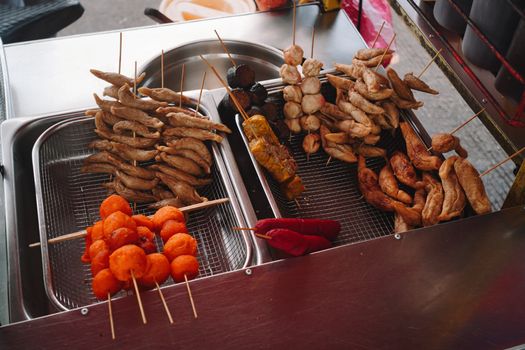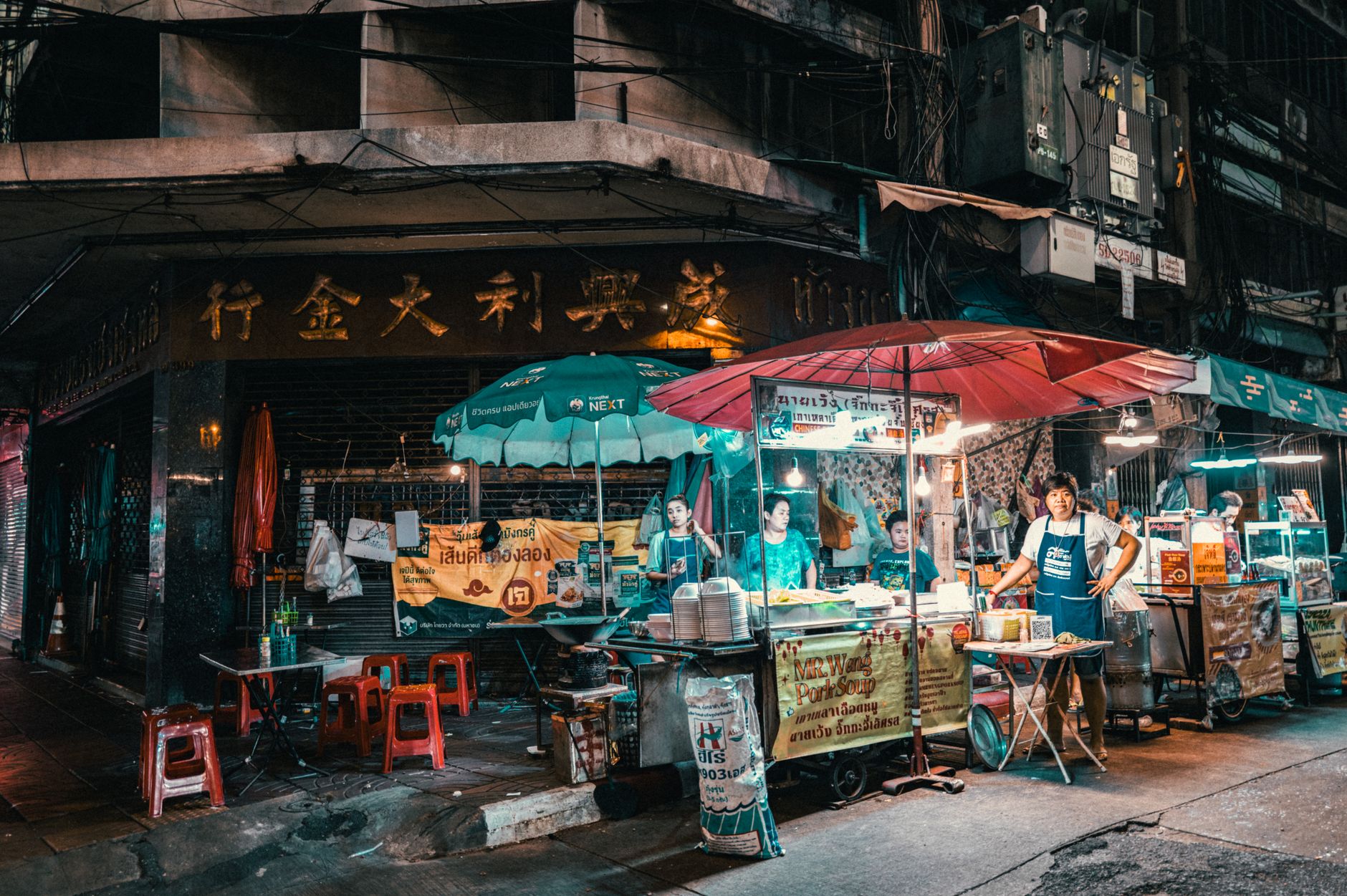
The aroma hit me before I even saw the stall – a heady mix of garlic, chili, and the sweet promise of caramelizing sugar. I was in Bangkok, a city famed for its street food, and after a week of navigating the bustling, sometimes overwhelming, markets, I had finally cracked the code. This wasn't the tourist-heavy spot near Khao San Road where I'd paid an exorbitant 150 baht for a bland pad Thai on my first night. This was a tiny, unassuming stall tucked away in a local market, where a cheerful woman deftly stirred a wok, surrounded by a queue of patiently waiting Thais. My pad Thai, when it arrived, was a symphony of flavors, perfectly balanced, and cost a mere 40 baht. That, my friends, is the difference between a tourist trap and a hidden gem.
We've all been there. Enticed by the vibrant photos and glowing reviews, we flock to the "must-visit" food markets, only to find ourselves elbow-to-elbow with fellow tourists, paying premium prices for food that, while perhaps decent, lacks that authentic spark. But what if I told you there's a way to unlock the true culinary magic of a city, to dive headfirst into its gastronomic soul without falling prey to the tourist-centric charade?
As a seasoned travel blogger and self-proclaimed food market obsessive, I've crisscrossed continents, spoon in hand, on a mission to uncover these gastronomic sanctuaries. This isn't just about eating; it's about experiencing the heartbeat of a culture, one delicious bite at a time. So, buckle up, fellow food adventurers! This is your definitive guide to separating the overpriced pretenders from the genuine, soul-stirring food market experiences that will live in your memories long after the last crumb is gone.
The Instagram Effect: When Popularity Kills Authenticity (and Your Wallet)
Let's be honest, social media has done wonders for showcasing incredible food, but it's also created a monster. A market goes viral, and suddenly, it's overrun. The charm dissipates, prices inflate, and the focus shifts from authentic local fare to what tourists think they want to eat.
How to Spot a Tourist Trap Stall (or Market Area):
- Multilingual Menus (Especially English with Photos): While helpful, if every stall has glossy, laminated menus in multiple languages, it's a red flag. Locals don't need these.
- Aggressive Hawkers: If you're being aggressively pulled in or pressured, walk away. Genuine vendors let their food do the talking.
- No Locals in Sight: This is your number one indicator. If you're surrounded only by other tourists, you're likely in a trap.
- Homogenized Offerings: Every stall selling the exact same "top 5" local dishes? It's a sign they're catering to a broad, unadventurous tourist palate rather than specializing.
- High Prices for Basic Fare: Compare prices to nearby non-market eateries. If a simple street dish is significantly more expensive, you're being fleeced.
- "Authentic" Costumes: Sometimes, vendors in overly theatrical traditional garb are more about the show than the substance.
Think of those famous markets like La Boqueria in Barcelona or Borough Market in London. While they do offer incredible produce and some fantastic food, certain sections and stalls within them have become so tourist-focused that the prices are astronomical, and the food quality can be inconsistent. It's not to say avoid them entirely, but approach with caution and a discerning eye. My rule of thumb: if a stall has a QR code menu and a professional photographer taking pictures of tourists eating their food, it's probably not the hidden gem I'm looking for.
Follow the Locals: Your Ultimate Compass for Culinary Gold
So, how do you find the real deal? Simple: follow the locals. They are your most reliable guide to authentic, delicious, and fairly priced food. They know where the good stuff is, and they vote with their feet (and their wallets).
Key Indicators of a Genuine Gem:
- Long Queues of Locals: If there's a line, especially during peak meal times, and it's full of people who look like they live there, join it. It's almost always worth the wait.
- Limited, Specialized Menus: True masters often do one or two things exceptionally well. A stall selling only one type of noodle soup or a specific kind of dumpling usually means they've perfected it.
- Bustling, Organized Chaos: Authentic markets are vibrant and busy, but there's a flow. Vendors know their craft, and the energy is palpable.
- Visible Cooking & Fresh Ingredients: Can you see the food being prepared? Are the ingredients fresh and seasonal? Transparency is key.
- Slightly Off the Beaten Path: Often, the best markets are just a few blocks away from the main tourist drag, requiring a bit of extra effort to find.
- The "Buzz": There's a certain intangible energy in a truly authentic market – a hum of conversation, the clatter of woks, the aroma of spices – that just feels right.
My most memorable market experiences have always involved a bit of sleuthing. I'll wander, observe, and trust my gut. If a stall looks good, smells good, and has locals happily munching away, I'm in!
Unearthing Culinary Gold: My Personal Picks for Authentic Eats
Now for the good stuff! These are some of my all-time favorite food markets, places where I've eaten until I nearly burst, forged connections with local vendors, and truly felt the pulse of a city.
1. Or Tor Kor Market, Bangkok, Thailand
- Vibe: Clean, organized, slightly upscale local market. A feast for the eyes and the palate.
- What to Expect: Less about street food stalls, more about high-quality fresh produce, exotic fruits, seafood, and an incredible prepared food section. It’s significantly less touristy than Chatuchak for food, and the quality is consistently superb.
- My Experience: I remember stumbling into Or Tor Kor after a recommendation from a local friend. The sheer abundance of perfectly arranged fruits and vegetables was mesmerizing. But it was the prepared food section that truly blew me away. I found a stall specializing in various Thai curries, each simmering in its own pot. I pointed to a vibrant green curry and a rich massaman. The vendor, an older woman with a warm smile, piled rice high and ladled generous portions. The flavors were profound – layers of spice, sweetness, and creaminess that tasted like pure home cooking. It was an absolute steal for the quality, and I ate it standing, surrounded by office workers on their lunch break.
- Must-Try: Mango sticky rice (from a dedicated stall), any of the curries, exotic fruits you’ve never seen before, and fresh juices.
- Price Point: Mid-range for a market, but exceptional value for the quality. Expect to pay 60-100 baht for a generous meal.
- Getting There: Easily accessible via the MRT (Kamphaeng Phet station, Exit 3).
2. Mercato Testaccio, Rome, Italy
- Vibe: A modern, covered market with sleek stalls, yet deeply rooted in Roman culinary tradition. Trendy but authentic.
- What to Expect: A brilliant mix of traditional butchers and fishmongers alongside innovative food stalls serving gourmet Roman street food. This is where Romans come for lunch.
- My Experience: Rome can be a minefield for tourist trap restaurants. Mercato Testaccio, however, is a beacon of authenticity. My first visit was guided by a Roman friend, who insisted I try "Mordi e Vai." This tiny stall, run by a charismatic chef, serves traditional Roman stewed dishes (like allesso di bollito – boiled beef) stuffed into crispy pizza bianca. It was an explosion of rustic, comforting flavors, and I devoured it while standing at a communal high-top table, elbow-to-elbow with bustling locals. The energy was infectious, and every bite felt like a secret handshake with Roman culture.
- Must-Try: Allesso di bollito or trippa alla Romana from Mordi e Vai, a Trapizzino (pizza pocket filled with Roman stews) from the original Trapizzino stall, and fresh pasta from Le Mani in Pasta.
- Price Point: Excellent value for Rome. Sandwiches and Trapizzini typically range from €4-7.
- Getting There: Located in the Testaccio neighborhood, easily reachable by bus or a pleasant walk from Piramide metro station.
3. Djemaa el-Fna (Specific Stalls), Marrakech, Morocco
- Vibe: Pure, unadulterated sensory overload. Chaotic, magical, and utterly unforgettable, especially at night.
- What to Expect: While the square itself is a major tourist attraction, the key is knowing which food stalls to visit. Avoid the pushy ones near the edges; head for the numbered stalls deeper in the square that are bustling with locals.
- My Experience: My first night in Djemaa el-Fna was overwhelming. The cacophony of snake charmers, storytellers, and aggressive food vendors was a lot. But armed with a local tip, I zeroed in on "Stall 14" (or similar specific numbers that change over time, so always ask a trusted local or your riad host for current recommendations). This stall specialized in tangia (a slow-cooked lamb or beef stew) and mechoui (roasted lamb). The aroma was incredible. I sat on a communal bench, ordered a bowl of harira (lentil soup) and a plate of the unbelievably tender mechoui. The meat melted in my mouth, rich with spices, and cost next to nothing. The atmosphere was electric, sharing food with families and travelers, all under the glow of lanterns. It truly felt like stepping into another world.
- Must-Try: Tangia, mechoui, harira soup, grilled skewers (from reputable stalls), and the famous snail soup (surprisingly delicious!).
- Price Point: Incredibly cheap, often just a few dollars for a filling meal.
- Getting There: It's the main square in Marrakech. Just be street-smart and know your specific stall target.
4. Queen Victoria Market (Deli Hall & Food Courts), Melbourne, Australia
- Vibe: Historic, sprawling, and incredibly diverse. A true microcosm of multicultural Melbourne.
- What to Expect: While parts of QVM are touristy, its core remains a vibrant local market. The Deli Hall is a food lover's paradise, and the various food courts offer authentic eats from around the globe.
- My Experience: As an Australian, QVM holds a special place in my heart. I’ve spent countless Saturday mornings there. The Deli Hall alone is worth the trip – a vibrant corridor of cheese mongers, charcuterie specialists, bakers, and coffee roasters. I once spent an hour just sampling different olives and cheeses before grabbing a legendary hot jam doughnut from the iconic American Doughnut Kitchen van. Later, in the food court, I discovered a stall serving incredible Turkish borek – flaky pastry filled with spinach and cheese, baked fresh. It was a cheap, satisfying, and utterly authentic Melbourne experience that perfectly encapsulates the city's diverse food scene.
- Must-Try: Hot jam doughnuts, borek, fresh oysters, local cheeses, specialty coffee, and whatever takes your fancy in the bustling food courts.
- Price Point: Varies widely, but you can find fantastic value meals (e.g., $5-10 for a borek and coffee).
- Getting There: Trams run directly to the market from the CBD.
Mastering the Market: Your Toolkit for Culinary Conquest
Finding these gems is only half the battle. To truly maximize your market experience, here are some essential tips:
- Go Early (or Late): Arrive right when the market opens for the freshest produce and fewer crowds. For night markets, go a little before peak dinner rush to scout out your spots.
- Carry Cash (Small Denominations): Many stalls are cash-only, and having small bills makes transactions smoother and faster.
- Be Adventurous, But Smart: Try new things! Point at what looks good, or what locals are eating. However, always do a quick hygiene check: look for busy stalls, visible cooking, and fresh-looking ingredients.
- Observe and Ask: Watch how locals order and eat. Don't be afraid to point at what someone else is having. If you can, learn a few basic phrases: "Hello," "Thank you," "How much?"
- Pace Yourself: Don't fill up at the first stall! Aim for small portions (if possible) and try a variety of dishes from different vendors. It's a culinary marathon, not a sprint.
- Stay Hydrated: Especially in hot climates, carry water. Many markets also have refreshing fresh juice stalls.
- Be Mindful of Your Belongings: Crowded markets can be prime spots for pickpockets. Keep your bag secure and valuables out of sight.
- Embrace the Chaos: Markets are vibrant, noisy, and sometimes a little messy. Lean into it! It's all part of the authentic experience.
- Don't Be Afraid to Walk Away: If a stall doesn't feel right, or if you're being pressured, politely decline and move on. There's always another delicious option around the corner.
More Than Just Food: A Window into Local Life
Beyond the glorious food, markets offer an unparalleled glimpse into the local culture. They are community hubs, places where daily life unfolds. You'll see families shopping, friends catching up over a meal, and vendors who have been selling their wares for generations.
Take the time to observe. Watch the interactions. Smile at the vendors. Even if there's a language barrier, a shared smile and a nod of appreciation for their craft can go a long way. These are the moments that truly enrich your travels, far beyond the plate. Capture the vibrant colors, the intricate details of the food, the bustling energy – but always be respectful when taking photos, especially of people.
The Taste of True Discovery Awaits
The world's authentic food markets are more than just places to eat; they are living museums, culinary classrooms, and vibrant community centers all rolled into one. They offer an unfiltered taste of a destination's soul, a chance to connect with its people and its traditions in the most delicious way possible.
So, next time you're planning a trip, make finding a true food market gem a priority. Ditch the over-hyped, overpriced tourist traps. Do your research, follow the locals, and be brave enough to venture slightly off the well-trodden path. Trust me, the reward – that perfect, authentic bite – is an experience you'll savor long after your journey ends. It’s an experience that truly needs to be had before you die.
What's your favorite hidden gem market that blew your taste buds away? Share your stories, tips, and secret finds in the comments below! And don't forget to tag #TripsoraEats on your next market adventure – we can't wait to see what you discover!
---