The World's Best-Kept Secrets: Hidden Hot Springs Locals Keep to Themselves (Until Now!)
There’s a certain magic that happens when you stumble upon something truly special, something not plastered all over Instagram, something that feels like yours. For me, that magic often comes in the form of a steaming, mineral-rich pool tucked away in the heart of nature, far from the tourist throngs. I'm talking about the hidden hot springs, the secret thermal pools that locals guard with a knowing smile and a vague wave of the hand towards "that path over there."
My obsession started years ago, on a backpacking trip through New Zealand. After a grueling multi-day hike through the West Coast wilderness, my friend and I were told by a grizzled local, "If you make it to the hut, there's a little something special just past the riverbed." Skeptical but intrigued, we pushed on. What we found wasn't just a "little something"; it was a series of natural rock pools, perfectly heated by geothermal vents, overlooking a glacier-fed river. Steam rose into the crisp mountain air, and the only sounds were the rushing water and our own awestruck gasps. That moment, soaking under a blanket of stars with not another soul in sight, solidified my quest: to uncover the world's most incredible, off-the-beaten-path thermal oases.
And now, dear Tripsora readers, I’m ready to share some of those sacred spots with you. These aren't your typical spa resorts; these are adventures, discoveries, and often, a little bit of hard work rewarded by unparalleled natural beauty and soul-deep relaxation. So pack your swimsuit, a sense of adventure, and prepare to add these to your "before you die" bucket list.
1. Iceland's Steaming River: Reykjadalur Hot Spring Thermal River
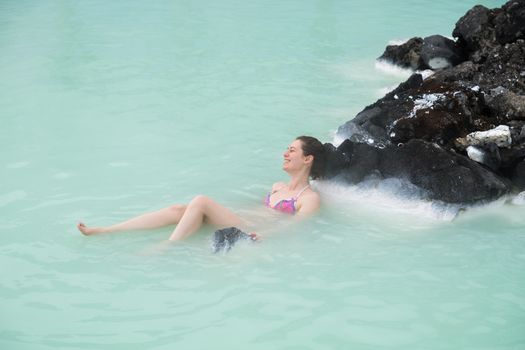
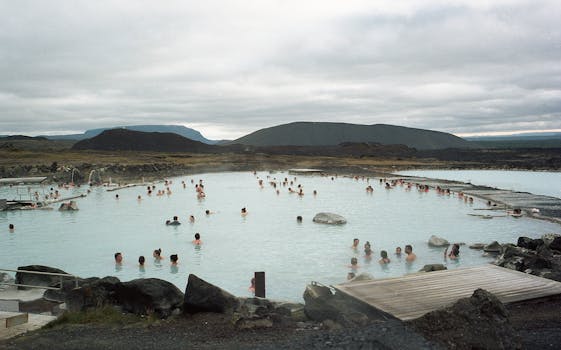
Iceland is famous for its geothermal wonders, but beyond the Blue Lagoon lies a truly unique experience that feels much more authentic. Just a short drive from Reykjavik, near the town of Hveragerði, you'll find the start of the trail to Reykjadalur, or "Steam Valley."
My Story:
The first time I hiked to Reykjadalur, it was a surprisingly chilly Icelandic summer day. The path wound through a stunning valley, past bubbling mud pots and vibrant green hills. With every turn, the air grew warmer, carrying the distinct scent of sulfur. After about an hour's hike, the valley opened up to reveal a shallow river, steaming gently, weaving its way through the landscape. People were scattered along its banks, finding their perfect spot in the naturally heated water. We stripped down, carefully waded in, and instantly felt the day's chill melt away. The river has varying temperatures, from pleasantly warm to quite hot, depending on where you sit. Finding your sweet spot, nestled against the river rocks with the sun on your face and the vast Icelandic landscape stretching out before you, is pure bliss. It’s a place where you truly connect with the raw, untamed power of the earth.
The Lowdown:
* Location: Near Hveragerði, South Iceland. A 45-minute drive from Reykjavik.
* Access: Requires a moderate 3km (1.8 miles) hike each way, taking about 45-60 minutes. The path is well-marked but can be muddy.
* Cost: Free!
* Best Time to Visit: Early morning or late evening to avoid crowds, especially in summer. Winter offers a magical, snowy experience, but be prepared for colder temperatures and potentially icy trails.
* Tips: Bring a towel, water, snacks, and wear layers. There are no changing facilities, so be prepared to change discreetly behind a rock or towel. Pack out everything you pack in. The river bottom can be muddy, so water shoes might be helpful.
2. Japan's Backcountry Bliss: Ashinomaki Onsen's Sogen Rotenburo, Fukushima
Japan is synonymous with onsen culture, but many of the most famous baths can be quite crowded. To truly experience the serenity and tradition, you need to venture a little further afield. The Tohoku region, often overlooked by international tourists, holds some incredible secrets. Ashinomaki Onsen, in Fukushima Prefecture, is a gem, and within it, the Sogen Rotenburo (outdoor bath) offers an unforgettable experience.
My Story:
After a day exploring samurai residences in Aizu-Wakamatsu, I made my way to Ashinomaki Onsen. I’d heard whispers of a rotenburo unlike any other, built right into the riverbank. It took a bit of asking around, and a winding walk past traditional ryokans, but eventually, I found a small, unassuming path leading down to the river. There it was: a beautifully crafted stone bath, perfectly integrated with the natural surroundings, overlooking the Okawa River. Steam rose gently, mingling with the mist from the water below. There was only one other person there, a local elderly gentleman, who simply smiled and nodded. Soaking in that bath, with the sound of the rushing river and the crisp mountain air on my face, felt like stepping into a centuries-old painting. It was a profound moment of peace and cultural immersion, far from any tourist brochure.
The Lowdown:
* Location: Ashinomaki Onsen, Aizu-Wakamatsu, Fukushima Prefecture, Japan. The Sogen Rotenburo is part of the Ashinomaki Onsen resort area but feels secluded.
* Access: Can be reached by train to Ashinomaki-Onsen Station, then a short bus or taxi ride. The rotenburo itself is usually a short walk from the main ryokans, down a path to the river.
* Cost: Often part of a ryokan stay, but some onsen towns allow day visitors for a fee (¥500-¥1500, ~$5-$15 USD) or have public baths. The Sogen Rotenburo might have a small entrance fee or be accessible via a specific ryokan.
* Best Time to Visit: Autumn for stunning foliage, or winter for a magical snowy soak. Evenings offer a unique atmosphere under the stars.
* Tips: Understand onsen etiquette: always wash thoroughly before entering the bath, no swimsuits (though some mixed-gender rotenburo might allow towels), and be respectful of others' peace. Bring a small towel for modesty if needed, and a larger one for drying.
3. USA's Wilderness Wonder: Jerry Johnson Hot Springs, Idaho
The American West is dotted with incredible natural hot springs, but many require a bit of effort to reach. Tucked deep within the Clearwater National Forest in Idaho, Jerry Johnson Hot Springs offers a truly wild, rewarding experience for those willing to hike for their soak.
My Story:
It was a crisp October morning when my partner and I set out for Jerry Johnson. The trail, about 2.6 miles (4.2 km) one way, followed the Lochsa River, winding through a dense, ancient forest. The air was cool, but the anticipation of the warm water kept us moving. After crossing a charming suspension bridge, we finally smelled the tell-tale sulfur. The springs themselves are a series of primitive rock-lined pools right next to the river, varying in temperature. We found a perfect, steaming pool nestled among the trees, with the sound of the river rushing nearby. The vibrant fall colors of the surrounding forest, combined with the steam rising from the pools, created a surreal, almost enchanted atmosphere. We spent hours there, completely unplugged, feeling a deep sense of connection to the untouched wilderness. It was a reminder that some of the best things in life truly are free, and earned.
The Lowdown:
* Location: Clearwater National Forest, near the town of Kooskia, Idaho. Approximately 3-4 hours drive from Missoula, MT or Spokane, WA.
* Access: Requires a moderate 2.6-mile (4.2 km) hike (one way) along the Jerry Johnson Trail #42. The trail can be muddy or snowy depending on the season.
* Cost: Free!
* Best Time to Visit: Spring and fall offer pleasant hiking weather and fewer crowds. Winter can be beautiful but challenging with snow. Summer is popular but can be buggy.
* Tips: Pack plenty of water, snacks, and a first-aid kit. There are no facilities. Be prepared for rustic conditions. Practice Leave No Trace principles rigorously – pack out all trash, including toilet paper. Nudity is common and generally accepted, but always be respectful of others.
4. New Zealand's Alpine Oasis: Welcome Flat Hut Hot Pools, West Coast
This is where my hot spring obsession truly began. New Zealand is famous for its stunning landscapes, and for those willing to put in the legwork, the Welcome Flat Hut Hot Pools are a reward beyond measure. This isn't a day trip; it's an immersive wilderness adventure.
My Story:
That grueling multi-day hike I mentioned? This was it. The Copland Track on the West Coast of New Zealand is no joke. We trekked through dense rainforest, crossed swing bridges over roaring rivers, and climbed steep sections, all while carrying heavy packs. The rain came and went, typical for the West Coast. By the time we reached Welcome Flat Hut after about 7-8 hours of hiking, we were exhausted but exhilarated. The hut itself is basic but cozy. But the real prize? A 5-minute walk from the hut, across a riverbed, lay a series of natural rock pools heated by geothermal activity. The pools varied in temperature, some almost too hot to enter. We chose one overlooking the Copland River, with views of the snow-capped Southern Alps and even a glimpse of the mighty Fox Glacier in the distance. Soaking our weary muscles under the vast, star-strewn Patagonian sky, surrounded by such raw, untamed beauty, was an experience that felt almost spiritual. It was a moment of pure, unadulterated triumph and tranquility.
The Lowdown:
* Location: Copland Track, West Coast, South Island, New Zealand. Near Fox Glacier township.
* Access: Requires a challenging 7-8 hour (18 km / 11 miles) hike one way to Welcome Flat Hut. Bookings for the hut are essential via the Department of Conservation (DOC) website, especially in peak season. The track can be impassable after heavy rain.
* Cost: Hut fee (approx. NZD $25-35 per person per night, ~$15-$20 USD). Hot springs are free for hut users.
* Best Time to Visit: Summer (December-February) for more stable weather, but expect crowds. Shoulder seasons (spring/autumn) can be beautiful with fewer people, but weather is less predictable.
* Tips: This is a serious wilderness hike. You need appropriate gear (waterproofs, sturdy boots, warm layers), food, and navigational skills. Be prepared for river crossings. Always check DOC track conditions before you go. Pack out all rubbish.
5. Italy's Calcium Cascades: Bagni San Filippo (Fosso Bianco), Tuscany
When you think of Tuscan hot springs, Saturnia often comes to mind. But for a truly unique and less crowded experience, head to Bagni San Filippo, a hidden gem nestled in the Val d'Orcia region. Here, the water flows over incredible white calcium formations, creating a surreal, almost lunar landscape.
My Story:
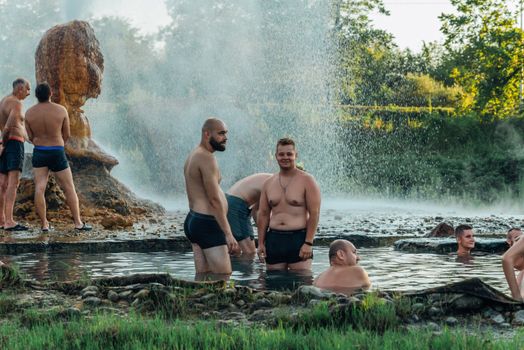
After indulging in too much pasta and Chianti in Siena, I sought out a natural detox. A local pointed me towards Bagni San Filippo, describing it as "the white whale." Driving through the rolling Tuscan hills, I wasn't sure what to expect. Arriving in the tiny village, I followed a path into a wooded area, and then – bam! – a breathtaking sight. A series of gleaming white calcium deposits, sculpted by centuries of mineral-rich water, cascaded down the hillside, forming pools of milky blue water. The most famous formation, "Balena Bianca" (the White Whale), was truly spectacular. I found a quiet spot in one of the lower pools, the warm, sulfurous water enveloping me. The contrast of the stark white formations against the lush green forest was incredible. It felt like stepping into an alien world, yet it was distinctly Italian, with the scent of pine and the distant chime of church bells. And it was completely free.
The Lowdown:
* Location: Bagni San Filippo, Val d'Orcia, Tuscany, Italy. About 1.5 hours drive southeast of Siena.
* Access: Easy access. There's a small car park (paid in peak season) and a short, easy walk down a path to the springs.
* Cost: Free!
* Best Time to Visit: Shoulder seasons (spring/autumn) for pleasant weather and fewer crowds. Summer can be hot and busy. Weekdays are always better than weekends.
* Tips: The calcium formations can be slippery, so wear water shoes. The mud at the bottom of some pools is said to have therapeutic properties, so don't be afraid to slather it on! There are no changing facilities, so come prepared. Be mindful of the delicate formations and don't damage them.
6. Canada's Challenging Reward: Keyhole Hot Springs, British Columbia
British Columbia is a playground for adventurers, and its wilderness hot springs are some of the most rewarding. Keyhole Hot Springs, also known as Pebble Creek Hot Springs, near Pemberton, is a stunning example of a truly wild and challenging-to-reach thermal paradise.
My Story:
Getting to Keyhole was an adventure in itself. The drive involved gravel logging roads, and the hike was not for the faint of heart – it's often described as "unmaintained." My friend and I embarked on this journey in late spring. The trail followed a beautiful river, but sections were steep, narrow, and required careful footing. After a couple of hours of scrambling and navigating, we heard the tell-tale rush of the Lillooet River and saw steam rising in the distance. The springs themselves are a series of natural pools built into the riverbank, with staggering views of the surrounding mountains and the powerful river flowing just feet away. The water was wonderfully hot, a perfect contrast to the cool mountain air. We shared the pools with a few other intrepid travelers, all with a shared sense of accomplishment. It’s a place that demands respect for nature and rewards you with an unparalleled sense of wild beauty.
The Lowdown:
* Location: Near Pemberton, British Columbia, Canada. About 2.5-3 hours drive north of Vancouver, much of it on gravel roads.
* Access: Requires a rough drive on logging roads (4x4 or high-clearance vehicle recommended) and a challenging, unmaintained 1.5-2 hour hike (one way). Note: Access to Keyhole Hot Springs is often restricted or closed due to bear activity (especially in spring/fall) or trail damage. Always check local conditions and official advisories (e.g., Lil'wat Nation, BC Parks) before planning a trip.
* Cost: Free!
* Best Time to Visit: Late spring to early fall, but always check for closures. Avoid during heavy rain or snow.
* Tips: This is truly remote wilderness. Go prepared with navigation tools, bear spray, first-aid, plenty of water and food. Inform someone of your plans. Be bear-aware and know what to do in an encounter. Practice Leave No Trace. The pools are clothing-optional.
The Art of the Secret Soak: Practical Tips for Finding and Enjoying Hidden Hot Springs
Finding these elusive thermal pools isn't just about a GPS coordinate; it's about embracing the journey, respecting the local culture, and treading lightly.
- Do Your Research (Carefully): Start with travel blogs (like this one!), local tourism boards, and forums. Look for clues, not explicit directions. Sometimes a place name is enough to get you started.
- Ask Locals (Respectfully): When you're in a region known for geothermal activity, engage with locals. Don't demand secrets; simply express interest in natural wonders. They might offer a hint or a vague direction, which is often more than enough. Buy them a coffee or a drink!
- Embrace the Hike: Many of the best hidden hot springs require effort. Be prepared for varying trail conditions, from easy walks to multi-day treks. Good hiking boots, appropriate layers, and a backpack with essentials are crucial.
- Practice Leave No Trace: This is paramount. Pack out everything you pack in. Do not leave trash, food scraps, or toilet paper. Stay on marked trails, respect wildlife, and minimize your impact. These places are pristine for a reason.
- Respect Local Etiquette & Culture: Some cultures have specific rules for bathing (e.g., onsen etiquette in Japan). Always be mindful of others, keep noise levels low, and understand that some places are sacred to local communities.
- Safety First: Wilderness hot springs can be unpredictable. Water temperatures can vary wildly, and some areas might have unstable ground or dangerous gases. Never enter water that is too hot. Be aware of your surroundings, especially for wildlife. Don't go alone to truly remote spots.
- Go Early or Late: To truly experience the solitude and magic, aim for sunrise or sunset soaks, or visit during off-peak seasons.
- What to Bring:
- Swimsuit (or not!): Some wild springs are clothing-optional.
- Towel: Microfiber towels are great for quick drying.
- Water Shoes/Sandals: Protect your feet from rough bottoms and slippery rocks.
- Water & Snacks: Hydration is key, especially in hot water.
- First-Aid Kit: For any scrapes or blisters on the hike.
- Headlamp: Essential for early morning/late evening visits.
- Dry Bag: To protect electronics and valuables.
- Camera: For those Instagram-worthy shots, but be present!
Don't Just Dream It, Live It!
The pursuit of these hidden hot springs isn't just about the destination; it's about the journey, the challenge, and the profound connection you forge with nature and yourself. These are the experiences that stay with you, the stories you'll tell for years to come. They remind us that the most extraordinary adventures often lie off the beaten path, waiting to be discovered by those willing to seek them out.
So, what are you waiting for? Start planning your next great adventure. Dive into the wild, embrace the steam, and let the earth's natural warmth soothe your soul. You deserve to experience these hidden wonders before you die.
Have you discovered a secret hot spring that blew your mind? Share your stories and tips in the comments below! And don't forget to tag #TripsoraSecrets and #HiddenHotSprings on your next adventure!
---