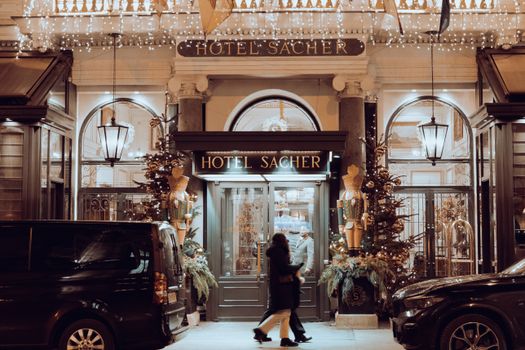
I still remember the first time it happened. I'd booked a standard, no-frills room at a swanky boutique hotel in Paris, expecting a cozy but cramped space – typical for the city of love, right? I was just happy to be there. But then, at check-in, the receptionist – a charming woman with a knowing smile – tapped a few keys, looked up, and said, "Monsieur, we've upgraded you to our Eiffel Tower view suite. Enjoy your stay!" My jaw hit the floor. This wasn't just a bigger room; it was a sprawling, opulent apartment with a direct, sparkling view of the Iron Lady. I felt like a secret agent, a VIP, a lottery winner all rolled into one. And the best part? I didn't pay a single extra euro.
That moment wasn't a fluke. It wasn't pure luck, nor was it because I was some high-roller. It was the culmination of a few subtle, strategic moves I'd been perfecting over years of travel. Since then, I’ve scored countless upgrades – from a corner suite at a bustling Bangkok hotel offering panoramic cityscapes to a private villa with its own plunge pool in Bali, and even an executive floor room with exclusive lounge access in London.
You see, hotels aren't always full, and they'd rather have a happy guest enjoying a fantastic experience (and potentially leaving a glowing review or becoming a loyal customer) than an empty premium room. They have an incentive to make you feel special. The trick is knowing how to gently nudge them in your direction.
Forget everything you thought you knew about hotel booking. This isn't about being pushy or demanding. It's about strategy, timing, a dash of charm, and understanding the unspoken language of hospitality. Ready to unlock the secrets to mind-blowing upgrades that will transform your next trip? Let's dive in!
The Art of Timing: When & How You Book Matters More Than You Think
Timing isn't just for comedians; it's your secret weapon for snagging those coveted upgrades. The "when" you book and the "when" you arrive can significantly influence your chances.
1. The Goldilocks Booking Window:
Booking too early means the hotel might not have a clear picture of their occupancy, and booking too late might mean all the good rooms are gone. The sweet spot? Often 4-6 weeks out. This gives the hotel a good idea of their demand but still leaves room for them to be flexible. However, don't discount the last-minute dash. If a hotel has low occupancy on the day of check-in, they might be desperate to fill higher-category rooms to make a guest happy. I once booked a room at a resort in Phuket just hours before arrival and was pleasantly surprised with a pool-access room, simply because they had plenty of availability.
2. Embrace the Off-Peak & Mid-Week Magic:
Hotels are businesses, and they thrive on demand. When demand is low, their willingness to upgrade increases. Traveling during the shoulder season (just before or after peak) or the true off-season is a game-changer. Weekends are usually packed, especially in popular city destinations. Aim for mid-week stays (Tuesday, Wednesday, Thursday nights) when corporate travelers have left and weekenders haven't arrived. I scored an incredible upgrade to a sprawling suite at a historic hotel in Rome during a quiet Tuesday night in November, simply because the hotel was only about 40% full. It felt like I had the whole place to myself!
3. The Check-in Time Chess Game:
This is a nuanced one, and there are two schools of thought:
* Early Check-in (before 12 PM): If you arrive early and your standard room isn't ready, but a superior room is, a kind front desk agent might put you in the better room to avoid making you wait. It's a gamble, but it can pay off.
* Late Check-in (after 4-5 PM): This is often my preferred strategy. By late afternoon, the hotel knows exactly what rooms are available, what guests have checked out, and what their final occupancy looks like. If they have a beautiful suite sitting empty, and you arrive with a friendly smile, you're a prime candidate for that complimentary bump. I've had great success with this in busy cities like New York and Tokyo.
Pro Tip: Always check local events and conventions before you book. A seemingly "off-peak" week could be jam-packed due to a major conference, making upgrades nearly impossible.
Loyalty is the New Luxury: Maxing Out Hotel Programs
If you're not leveraging hotel loyalty programs, you're leaving free upgrades and perks on the table. This isn't just for road warriors; even occasional travelers can benefit immensely.
1. Pick Your Tribe (or Two):
Instead of spreading your stays across every hotel brand, pick one or two major chains (e.g., Marriott Bonvoy, Hilton Honors, IHG One Rewards, World of Hyatt) and stick with them. Consistency is key to earning status. Focus on the ones with properties you genuinely like and would frequent.
2. The Power of Elite Status:
This is where the magic truly happens. Even mid-tier status (like Marriott Bonvoy Gold or Hilton Honors Gold) can unlock serious perks:
* Complimentary Upgrades: Often to a preferred room, or even a suite, based on availability.
* Late Check-Out: A lifesaver for red-eye flights.
* Free Breakfast: Can save you a fortune, especially for families.
* Lounge Access: Think free evening appetizers, drinks, and a quiet place to work or relax.
* Bonus Points: Accelerate your journey to free nights.
How do you get elite status without living in hotels?
* Co-branded Credit Cards: Many hotel credit cards offer instant mid-tier status just for signing up and paying the annual fee. This is how I got my Hilton Gold status, which led to that executive suite upgrade in London, saving me hundreds on breakfast and evening drinks at the hotel's swanky lounge. It’s a no-brainer for frequent travelers.
* Status Challenges: Sometimes, chains offer accelerated paths to status if you complete a certain number of stays in a short period.
* Corporate Rates: If your company has a corporate deal, sometimes booking through that can count towards your status nights, even if you’re traveling for leisure.
Personal Story: My Hilton Gold status, earned through a credit card, once landed me an Executive Suite at the Hilton London Metropole. It wasn't just a bigger room; it came with access to the Executive Lounge, which served complimentary breakfast, afternoon tea, and evening canapés with free-flowing wine and beer. I essentially saved over £100 a day on food and drinks, turning a standard business trip into a luxurious experience.
Bypass the Middleman: Why Booking Directly is Your Upgrade Superpower
Online Travel Agencies (OTAs) like Expedia, Booking.com, and Agoda are great for comparing prices, but when it comes to upgrades, they're often a hindrance.
1. Hotels Love Direct Bookings:
This is fundamental. When you book through an OTA, the hotel pays a hefty commission (sometimes up to 25%!). When you book directly on their website or by phone, they keep all the revenue. This makes you a much more valuable guest in their eyes. They are far more likely to reward direct bookers with upgrades and perks.
2. Loyalty Program Eligibility:
Almost universally, you only earn loyalty points and elite status benefits (including upgrades) when you book directly with the hotel chain. Booking via an OTA usually means no points, no status credit, and a significantly lower chance of an upgrade.
3. The Price Match Gambit:
Found a cheaper rate on an OTA? Call the hotel directly! Many hotels have a "best rate guarantee" and will match or even beat an OTA price, plus you get all the benefits of booking direct. This is a win-win. I've used this countless times. For instance, I once found a boutique hotel in Lisbon for €150/night on Booking.com. I called the hotel, told them the rate, and they not only matched it but noted my direct booking, which later resulted in a complimentary upgrade to a room with a stunning Tagus River view.
4. Easier Communication for Special Requests:
When you book direct, you have a direct line to the hotel's reservation team. It's much easier to communicate special requests, mention celebrations, or subtly hint at your desire for an upgrade when you're not filtered through a third-party platform.
Charm Your Way to the Top: The Art of the Ask (and the Thank You)
This is where your personality comes into play. A little politeness, a genuine smile, and a well-phrased question can go a long, long way.
1. The Pre-Arrival Email (The Gentle Nudge):
A few days before your arrival, send a polite, concise email to the hotel. Reiterate your excitement for your stay and, if applicable, mention a special occasion (anniversary, birthday, honeymoon, first visit to the city – only if true!). You can subtly hint at an upgrade: "We're celebrating our 5th anniversary, and we'd be so grateful for any special touches that might make our stay even more memorable, perhaps a room with a nice view if available." Avoid demanding; simply express hope.
2. The Check-in Charmer (Your Moment to Shine):
This is prime time. Approach the front desk with a warm smile, make eye contact, and be genuinely friendly. Avoid checking in during peak rush hour if possible.
* The Soft Ask: After the standard check-in pleasantries, you can try: "I know it's a long shot, but I was wondering if there are any complimentary upgrades available today?" or "We're celebrating [occasion], and we'd be thrilled if there was a possibility of a room with a bit more space/a better view."
* Be Specific (but flexible): Instead of "any upgrade," try "Is there a corner room or a room on a higher floor available?" This shows you've thought about it and aren't just looking for anything.
* Never Demand: Seriously, this is the quickest way to guarantee you won't get an upgrade. Hotel staff deal with entitled guests all day; be the breath of fresh air.
* The "Thank You" Tip (Use with Caution): This is a controversial one, but it can work in certain cultures or situations. If you've had an exceptional interaction and feel a genuine connection with the front desk agent, and if they've already indicated an upgrade, a discreet tip (e.g., $20-50 in an envelope with a "Thank You" note, handed over after the upgrade is confirmed) can leave a lasting positive impression for future stays. Don't lead with it; it should be a token of appreciation, not a bribe.
Anecdote: My best friend was celebrating his 30th birthday in Las Vegas. At check-in, he politely mentioned it was a milestone birthday and asked if there were any upgrades available. The front desk agent, clearly charmed by his friendly demeanor, said, "Let me see what I can do for a birthday boy." Ten minutes later, he was handed keys to a two-story loft suite with panoramic views of the Strip. He still talks about it!
Be the Perfect Guest: Reviews, Social Media & Repeat Business
Your actions during and after your stay can open doors to future upgrades and perks.
1. Be an Exemplary Guest:
This seems obvious, but it's crucial. Treat the hotel and its staff with respect. Keep your room tidy, don't cause disturbances, and be polite to everyone from the valet to housekeeping. Hotels remember good guests.
2. Leave Glowing Reviews (and Tag Them!):
If you had a fantastic stay (especially if you received an upgrade), take the time to leave a detailed, positive review on TripAdvisor, Google, or their own website. Mention staff members by name if they provided exceptional service. Hotels actively monitor these reviews, and a guest who takes the time to praise them is a valuable asset. This makes you memorable.
3. Leverage Social Media:
Are you an Instagram enthusiast? Tag the hotel in your beautiful photos or stories! "Waking up to this view at @[HotelName] is pure bliss!" Hotels love user-generated content and often have social media teams monitoring mentions. A positive, visually appealing post could get you noticed, and perhaps even earn you a surprise perk during your current stay or a note on your future reservation.
4. The Power of Repeat Business:
If you frequently visit a particular city for business or leisure, try to stick to a few preferred hotels within your chosen loyalty program. The staff will start to recognize you. Being a known, valued, and pleasant repeat guest is one of the strongest upgrade catalysts out there. They'll know you appreciate their service and will likely go above and beyond to ensure your continued loyalty.
Personal Story: After a fantastic stay at a charming boutique hotel in Rome, where I left a glowing review and shared some beautiful photos on my Instagram, I returned a year later. To my surprise, the front desk agent remembered me by name and instantly placed me in a superior room with a private balcony overlooking a bustling piazza, without me even having to ask. It felt incredibly personal and made me a loyal customer for life.
Niche Hacks & Advanced Plays: When to Go for the Gold
Beyond the basics, there are a few specific scenarios and advanced tactics that can further boost your upgrade potential.
1. Target New Hotels or Soft Openings:
When a hotel first opens, especially during a "soft opening" phase, they are incredibly eager to make a good impression. They want positive buzz, great reviews, and repeat business. They are often more generous with upgrades to ensure guests leave delighted. Keep an eye on new hotel announcements in your desired destinations.
2. The Overbooking Advantage:
Sometimes, hotels accidentally (or intentionally) overbook a certain room category. If your booked room type is unavailable, they have to upgrade you to the next available category. This is another reason why a late check-in can sometimes pay off – they've already shuffled guests around and might have a premium room ready for you.
3. The "Problem" Upgrade:
If you check into your room and there's a legitimate issue (noisy air conditioning, a non-functioning TV, a persistent smell, a broken shower), politely report it to the front desk. Instead of just fixing the issue, they might move you to a superior room or even a suite as a gesture of apology and goodwill. I once got moved from a standard room to a massive corner suite with incredible city views in NYC because the original room's AC unit was making a terrible rattling noise.
4. Leveraging High-End Travel Agents:
For truly luxurious trips, consider booking through a specialized luxury travel agent (affiliated with networks like Virtuoso, Amex Fine Hotels & Resorts, or Leading Hotels of the World). These agents often have direct relationships with hotels and can secure guaranteed upgrades, complimentary breakfast, resort credits, and other VIP perks that you simply can't get by booking on your own. While it might cost a bit more upfront, the added value can be immense.
5. Book a "Base Level" Premium Room:
Instead of booking the absolute cheapest standard room, sometimes booking one step up (e.g., a "deluxe" room instead of a "standard") can increase your chances of being upgraded to a suite. You're already showing a willingness to pay a bit more, and the jump to a suite is less significant for the hotel than upgrading from their lowest category.
---
So there you have it, my fellow travelers – the insider playbook to scoring those mind-blowing hotel upgrades. This isn't about being entitled or demanding; it's about being strategic, polite, and understanding the hospitality industry from the inside out. Each of these tactics, when applied thoughtfully, increases your chances of transforming an ordinary stay into an extraordinary, luxurious escape.
Imagine waking up to a panoramic city skyline from your penthouse suite, sipping coffee on a private balcony overlooking the ocean, or unwinding in a sprawling living room after a day of exploring. These experiences aren't just for the ultra-rich; with these secrets, they're within your reach.
Stop dreaming of the suite life and start living it! Go forth, my fellow travelers, and claim the luxury you deserve. Your next unforgettable hotel experience is just a smart booking away.
What's your best upgrade story? Share it in the comments below! And don't forget to share this guide with your travel buddies – let's all live the suite life!
---