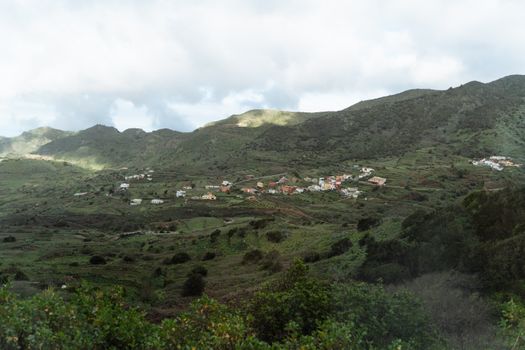
Unveiling Europe's Secret Sanctuaries: Your September 2025 Hiking Adventure Begins!
The world is getting smaller, isn't it? It often feels like every picturesque corner, every hidden gem, has been plastered across Instagram and overrun by tour buses. But I’m here to tell you a secret, a profound truth I discovered years ago on a muddy trail in the Dolomites: the truly hidden places, the ones that steal your breath and etch themselves into your soul, are still out there. You just have to be willing to work for them. And trust me, the reward is immeasurable.
I remember my first time, years ago, reaching a tiny, car-free village tucked into a valley in Northern Italy. After a grueling five-hour hike, my legs burned, but my spirit soared. As I rounded the final bend, the village appeared like a mirage – stone houses clinging to the hillside, a wisp of smoke curling from a chimney, the scent of woodsmoke and freshly baked bread filling the air. There were no souvenir shops, no selfie sticks, just the quiet rhythm of local life, a handful of weathered faces, and the overwhelming sense that I had stepped back in time. That moment, that feeling of earned discovery, ignited a passion in me that still burns bright.
This September 2025, I want to share that magic with you. September is, without a doubt, the best month for this kind of adventure. The summer crowds have thinned, the oppressive heat has given way to crisp, invigorating air, and the landscapes are beginning their spectacular transformation into a riot of autumnal hues. It’s the perfect time to lace up your boots, embrace the journey, and uncover the timeless beauty of Europe’s hidden villages.
Ready to trade the well-trodden path for an unforgettable expedition? Let's dive in.
Why September is Your Secret Season for Hiking Europe
Before we get to the destinations, let’s talk about why September is the absolute sweet spot for these unique adventures.
- Perfect Weather: The scorching summer heat has typically subsided, leaving behind mild, pleasant temperatures ideal for hiking. Days are still long enough for extensive treks, but the air is crisp and invigorating, making every step a joy.
- Fewer Crowds: The peak tourist season has passed, meaning trails are less congested, and you’ll find more peace and quiet in the villages themselves. This allows for a deeper, more authentic cultural immersion.
- Stunning Scenery: As autumn begins its gentle embrace, the landscapes transform. Think golden larches in the Alps, vibrant reds in the Pyrenees, and lush greens against dramatic rock faces. It’s a photographer’s dream and a feast for the eyes.
- Harvest Season Delights: Many regions celebrate their harvests in September. Imagine sampling local wines, fresh cheeses, and seasonal produce directly from the source. It’s a culinary journey as much as a hiking one.
This isn't just a trip; it's an experience designed for the mindful traveler, the adventurer who seeks connection, authenticity, and the unparalleled satisfaction of earning their view.
1. Italy's Dolomite Dream: The Ancient Charm of La Val (Wengen)
Location:
South Tyrol, Dolomites, Italy
Nearest Town/Transport Hub: Corvara in Badia or Brunico (Bruneck)
Difficulty: Moderate to Challenging (depending on chosen route)
Estimated Hike Time: 3-6 hours (various trail options)
Why it's hidden: While the Dolomites are popular, many smaller Ladin villages tucked away from the main roads remain relatively untouched, accessible primarily by foot or via winding, less-traveled mountain roads. La Val, or Wengen in German, is one such gem.
My first encounter with La Val was during a solo trip. I’d spent days hiking the high trails around the Fanes-Sennes-Braies Nature Park, craving a deeper connection to the local culture. A local rifugio owner, noticing my enthusiasm for off-the-beaten-path experiences, pointed me towards a trail that promised "real Ladin life."
The hike from the Passo Valparola area (or even from the valley floor near La Villa, if you’re up for a longer trek) to La Val is nothing short of spectacular. You'll traverse rolling alpine meadows, pass ancient hay barns, and hear the distant chime of cowbells. The air is impossibly fresh, scented with pine and damp earth. As you descend into the valley, the first glimpse of La Val is breathtaking: a collection of traditional wooden farmhouses, some dating back centuries, clustered around a beautiful Baroque church. The backdrop? The majestic peaks of the Dolomites, painted in September's golden light.
What to Expect in La Val:
La Val is a true agricultural village, where Ladin is still the primary language. You won’t find throngs of tourists, but rather a quiet rhythm of life.
* Accommodation: Look for charming agriturismo (farm stays) like Agriturismo Lüch da Pcëi (expect €70-€120/night for a double room in September 2025, including breakfast). These offer authentic experiences, often with homemade meals.
* Food: Indulge in hearty Ladin cuisine. Think cajincí arstis (spinach ravioli), turtres (fried pastries with various fillings), and rich stews. Don't miss the chance to try local cheeses and speck. Most agriturismi offer dinner, or there are a couple of small, family-run restaurants.
* Culture: Explore the ancient farmsteads, many still active. The Museum Ciastel de Tor nearby offers insights into Ladin history and culture. Attend a local mass at the church if you wish; the singing is often beautiful.
* Instagram Moment: The panoramic views of the Dolomites from the village, especially at sunrise or sunset, are truly epic. Capture the intricate wooden balconies adorned with flowers (even in September, some persist!) and the unique architecture.
Practical Tip:
Purchase a Mobilcard South Tyrol if you plan to use public transport for initial access or to connect different trailheads. It’s great value!
2. French Pyrenees' Timeless Secret: The Mystical Aulus-les-Bains and its Surrounding Hamlets
Location:
Ariège Pyrenees, France
Nearest Town/Transport Hub: Saint-Girons
Difficulty: Moderate to Challenging
Estimated Hike Time: 4-7 hours (to reach specific hamlets from Aulus)
Why it's hidden: While Aulus-les-Bains itself is a small spa town, the true gems are the tiny, remote hamlets that cling to the mountainsides above it, accessible only by steep, winding trails.
My journey to this corner of the Pyrenees began with a desire to escape the well-trodden paths of the Alps. A friend mentioned the Ariège, a region of France known for its wild beauty and strong sense of local identity. I found myself in Aulus-les-Bains, a charming, if sleepy, spa town. But my real adventure started when I consulted a local map and saw a dotted line leading high into the mountains, marked "Chemin d'accès aux hameaux."
The hike from Aulus up to hamlets like Goutets or La Trappe is a demanding but incredibly rewarding experience. You'll ascend through dense forests, past cascading waterfalls (the Cascade d’Ars is a highlight), and eventually emerge onto alpine pastures where wild horses sometimes roam. The air here is clean and carries the scent of pine and wild herbs. The silence is profound, broken only by birdsong and the distant rush of water.
When you finally reach a hamlet like Goutets, it feels like stumbling upon a lost world. A cluster of stone houses, many long abandoned but some still lovingly maintained, sit amidst terraced fields. Life here moves at a glacial pace. It’s a place where time seems to stand still, offering a profound sense of peace.
What to Expect in the Aulus Region:
* Accommodation: In Aulus-les-Bains, you’ll find small hotels or guesthouses like Hôtel Le Relais d'Aulus (around €60-€100/night). For a truly unique experience, some of the renovated old shepherd's huts or gîtes d'étape in higher hamlets can be booked, but these are rustic and require advance planning (e.g., Gîte d'étape de Goutets – check availability as it's very seasonal).
* Food: Aulus has a few traditional restaurants serving hearty Pyrenean fare like cassoulet, local cheeses, and cured meats. Pack a picnic for your hike to enjoy amidst the stunning scenery.
* Culture: The history of these hamlets is fascinating – once thriving communities, now largely deserted, but with a few resilient inhabitants. Chat with any locals you encounter (a few French phrases go a long way!). Learn about transhumance (seasonal migration of livestock).
* Instagram Moment: The dramatic mountain backdrop, the ancient stone houses, and the sense of solitude. Capture the wild horses or the intricate details of a weathered wooden door.
Practical Tip:
Always carry plenty of water and snacks, as services are non-existent once you leave Aulus. A good topographic map and compass (or reliable GPS app) are essential.
3. Spain's Picos de Europa: The Car-Free Wonder of Bulnes
Location:
Asturias, Picos de Europa National Park, Spain
Nearest Town/Transport Hub: Poncebos (accessed via Arenas de Cabrales)
Difficulty: Moderate (uphill, but well-maintained path)
Estimated Hike Time: 1.5-2 hours (one way)
Why it's hidden: Bulnes is famous for being one of the last remaining car-free villages in Spain, nestled deep within the dramatic Picos de Europa mountains. While there's a funicular now, the hike remains the authentic way to arrive.
My first visit to Bulnes was a conscious decision to forego the easy way. I’d heard about the Funicular de Bulnes, but every fiber of my being screamed "hike it!" The experience of walking the ancient, cobbled path, known as La Canal del Texu, felt like a pilgrimage.
Starting from Poncebos, the trail immediately plunges into a narrow gorge, following the Río Texu. The sheer rock faces tower above you, creating a sense of awe and insignificance. The path, though steep in places, is well-maintained and offers incredible views of the surrounding peaks. As you climb, the air grows cooler, and the scent of damp earth and moss fills your senses.
Emerging from the gorge, Bulnes Alto (also known as Bulnes de Arriba) appears, a collection of rustic stone houses with slate roofs, seemingly carved directly from the mountainside. It's a place of profound tranquility, where life revolves around the rhythms of nature and community.
What to Expect in Bulnes:
* Accommodation: There are a few small, charming guesthouses and casas rurales in Bulnes, such as Hotel Rural Poncebos (in Poncebos, around €60-€90/night) or the more rustic Albergue-Bar-Restaurante la Cabana in Bulnes itself (around €40-€70/night). Book well in advance for September 2025.
* Food: Enjoy hearty Asturian cuisine. Fabada Asturiana (bean stew), local cheeses like Cabrales, and cider (sidra) poured from a height are must-tries. There are a few small bars/restaurants in Bulnes offering simple but delicious fare.
* Culture: Bulnes is a living testament to mountain resilience. Observe the traditional way of life, the reliance on donkeys for transport, and the close-knit community. From Bulnes, you can embark on more challenging hikes to viewpoints like Mirador de Urriellu (Naranjo de Bulnes), a truly iconic peak.
* Instagram Moment: The dramatic entrance to Bulnes through the gorge, the village itself nestled against towering peaks, and the iconic Naranjo de Bulnes in the distance. Capture the mist rolling through the valley in the early morning.
Practical Tip:
Even if you plan to hike, keep the funicular in mind as a backup for tired legs or bad weather (operates regularly, around €22 one-way). Wear sturdy hiking boots as the path can be uneven and wet.
4. Greece's Zagori Villages: Stone Paths to Epirus's Enduring Beauty
Location:
Zagori region, Epirus, Greece
Nearest Town/Transport Hub: Ioannina
Difficulty: Moderate to Challenging (depending on chosen village and starting point)
Estimated Hike Time: 2-5 hours (various routes between villages)
Why it's hidden: The Zagorochoria (Zagori villages) are a cluster of 46 traditional stone villages, many interconnected by ancient stone paths and arched bridges, nestled in the Pindus Mountains. While some are more accessible, exploring them on foot reveals their true, secluded charm.
My journey to Zagori was driven by a desire for a different kind of Greece – one far from the islands and ancient ruins. I wanted mountains, tradition, and a sense of timelessness. What I found exceeded all expectations. The region is a labyrinth of hiking trails, connecting villages that seem to have sprung organically from the earth itself.
One of my favorite experiences was hiking from Monodendri to Vikos, traversing the famous Vikos Gorge (often called the Grand Canyon of Greece). While the gorge itself is a main attraction, the real magic lies in the lesser-known paths connecting the villages. Imagine starting from Kipoi, walking along ancient cobblestone kalderimia (paths), crossing one of the iconic three-arched bridges, and eventually arriving in a village like Dilofo or Vradeto.
The hike can be demanding, with ascents and descents through forests of oak and plane trees, alongside crystalline rivers. In September, the air is crisp, and the leaves are just beginning to turn, adding splashes of gold and russet to the verdant landscape. The reward is stepping into a village where every building is crafted from local stone, where grand mansions (archontika) tell tales of past prosperity, and where life unfolds at a leisurely pace.
What to Expect in Zagori:
* Accommodation: Many of the old mansions have been converted into beautiful guesthouses (archontika) offering incredible charm and comfort. Expect €80-€150/night for a double room in September 2025 in villages like Monodendri, Aristi, or Papingo. Look for places like Aristi Mountain Resort (more upscale) or Guesthouse Kadi in Dilofo.
* Food: Epirus cuisine is hearty and delicious. Try pita (savory pies, especially mushroom or leek), wild mushrooms, slow-cooked lamb or goat, and local cheeses. Many guesthouses offer homemade breakfasts and dinners.
* Culture: The architecture is unique and protected. Explore the stone churches, traditional squares (plateies), and the intricate stone bridges. The region is a UNESCO Global Geopark due to its geological significance.
* Instagram Moment: The dramatic views of Vikos Gorge, the picturesque stone bridges, the traditional architecture of the villages, and the vibrant autumn foliage. Capture the mist-shrouded peaks in the morning light.
Practical Tip:
Hiring a local guide for some of the more challenging hikes (especially in Vikos Gorge) is highly recommended. Maps are available, but local knowledge is invaluable. Public transport within Zagori is limited, so a rental car is useful for reaching different trailheads, or consider booking transfers.
Essential Gear & Trail Etiquette: Hike Smart, Tread Lightly
Embarking on these adventures requires preparation. Remember, you’re often heading into remote areas.
Your Packing Checklist:
1. Sturdy Hiking Boots: Broken-in, waterproof, with good ankle support.
2. Layered Clothing: Wicking base layers, fleece, waterproof/windproof outer shell. September weather can be unpredictable.
3. Backpack: Comfortable, 20-30L for day hikes, larger if staying overnight in a village.
4. Water Bottles/Hydration Bladder: Minimum 2 liters capacity.
5. Snacks: High-energy bars, nuts, fruit.
6. Navigation: Offline maps (e.g., Maps.me, AllTrails Pro), physical map, compass.
7. First-Aid Kit: Blister plasters, pain relievers, antiseptic wipes, personal medications.
8. Sun Protection: Hat, sunglasses, sunscreen.
9. Headlamp/Flashlight: Even for day hikes, useful in emergencies or if you're out longer than planned.
10. Trekking Poles: Great for stability and reducing strain on knees.
11. Camera: And extra batteries – you’ll want to capture everything!
12. Cash: Small villages might not have ATMs or accept cards.
Leave No Trace Principles:
* Plan Ahead & Prepare: Know the trail, weather, and your limits.
* Travel & Camp on Durable Surfaces: Stick to marked trails.
* Dispose of Waste Properly: Pack it in, pack it out. This includes all food scraps.
* Leave What You Find: Don’t take souvenirs from nature or historic sites.
* Minimize Campfire Impacts: If fires are permitted, use established rings. Better yet, use a stove.
* Respect Wildlife: Observe from a distance, never feed animals.
* Be Considerate of Other Visitors & Locals: Keep noise down, yield to others, respect private property.
Planning Your September 2025 Escape: Logistics & Booking
When to Book:
* Flights: Start looking 6-9 months out (December 2024 - March 2025) for the best deals.
* Accommodation: Book unique guesthouses and agriturismi 4-6 months in advance (April - May 2025), especially for smaller villages with limited options.
* Car Rental: If needed for reaching trailheads, book 3-4 months out.
Budget Considerations (Per Person, Per Day, Estimated for September 2025):
* Accommodation: €40 - €100 (for guesthouses/small hotels)
* Food: €30 - €60 (mix of self-catering and local restaurants)
* Activities/Transport: €10 - €30 (local buses, funiculars, park fees)
* Total: Expect to spend roughly €80 - €190 per day, excluding international flights.
Getting There:
* Italy (La Val): Fly into Venice (VCE) or Innsbruck (INN), then train/bus to Brunico or Corvara. Renting a car from there offers flexibility.
* France (Aulus-les-Bains): Fly into Toulouse (TLS), then train to Foix or Saint-Girons, followed by a local bus or taxi. Car rental from Toulouse is recommended for exploring the region.
* Spain (Bulnes): Fly into Asturias (OVD) or Santander (SDR), then rent a car and drive to Poncebos.
* Greece (Zagori): Fly into Ioannina (IOA), then rent a car. This is the most practical way to explore the scattered villages.
Embrace the Journey, Discover the Unseen
These aren't just hikes; they are journeys into the soul of Europe, invitations to slow down, connect with nature, and immerse yourself in cultures that have defied the march of time. The satisfaction of reaching a hidden village after hours of trekking, the warmth of a local welcome, the taste of authentic regional food – these are the moments that truly define travel.
September 2025 is your moment to step off the well-worn path. It's your chance to collect memories that aren't just Instagram-worthy, but soul-stirring. So, start planning, gather your gear, and prepare for an adventure that will redefine your understanding of travel.
Which hidden village calls to you the most? Share your thoughts in the comments below, and don't forget to share this guide with your fellow adventurers! Let's inspire each other to discover the unseen wonders of our world.
---