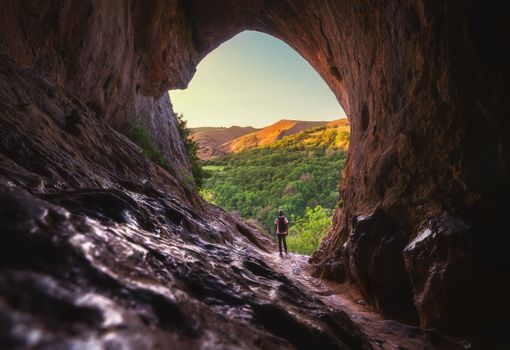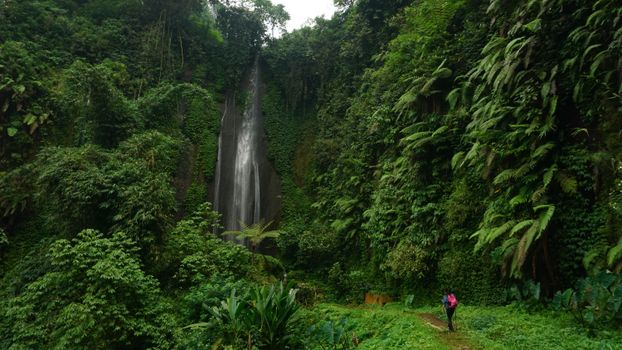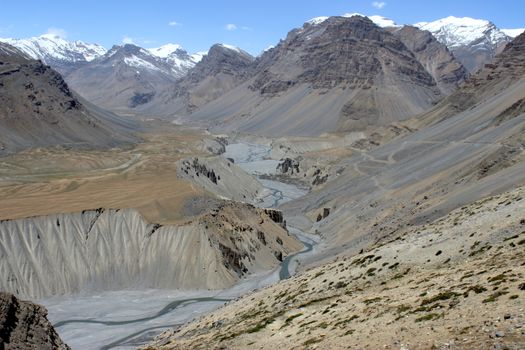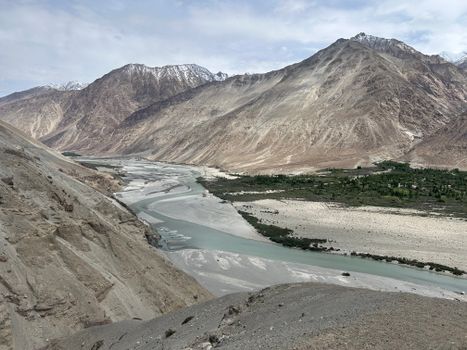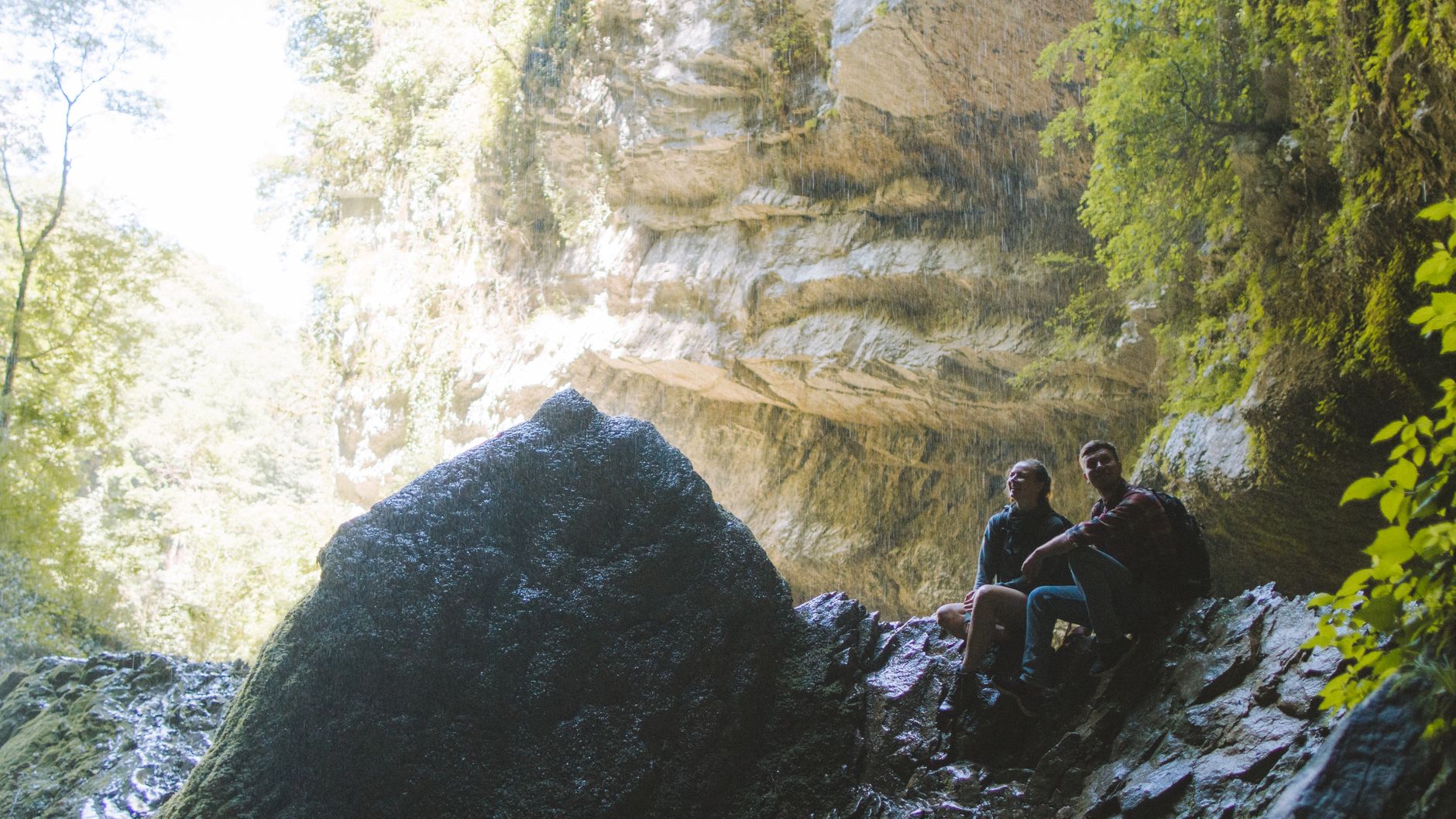
The mountain air was thin, carrying the scent of pine and damp earth. My boots crunched rhythmically on the ancient stone path, a path that had seen centuries of footsteps – shepherds, traders, villagers. Above me, jagged peaks scraped the sky, still dusted with the last vestiges of winter snow. Below, a deep, verdant valley unfolded, silent save for the distant bleat of a goat.
Then, through a break in the trees, it appeared: a cluster of stone houses, their slate roofs blending seamlessly with the mountainside. No cars, no paved roads, just a timeless hamlet clinging to the slopes, as if carved from the very rock itself. Children played in a small square, their laughter echoing softly. Smoke curled lazily from a chimney. This wasn't a place you found on a "Top 10 Instagrammable Spots" list. This was Bulnes, a hidden village deep in Spain's Picos de Europa, and reaching it felt like unlocking a secret level of travel.
In a world saturated with carefully curated feeds and "viral" destinations, it’s easy to feel like authentic discovery is a thing of the past. Every stunning waterfall, every charming cobblestone street, every vibrant market seems to have been 'grammed to oblivion, often losing its soul in the process. But I’m here to tell you that the magic isn't gone; it's just moved a little further off-grid. It’s waiting at the end of a winding trail, nestled in a valley forgotten by time, or perched on a cliffside where the only way in is by your own two feet.
These are the places the influencers don't want you to know. Not because they're gatekeeping, but because these villages demand effort, a willingness to disconnect, and a genuine desire for cultural immersion over a perfect selfie backdrop. They are rewards for the intrepid, havens for the curious, and a powerful reminder of what travel truly means.
Ready to swap likes for real life? Lace up your boots, pack your sense of adventure, and let’s explore some of the most breathtaking, genuinely hidden villages on Earth, reachable only by the most rewarding of hikes.
The Allure of the Untouched: Why Hike to a Hidden Village?
Before we dive into specific trails, let's talk about why this kind of travel is so profoundly rewarding. In an era of over-tourism and instant gratification, seeking out places that require effort offers a myriad of benefits:
- Authenticity: These villages have largely escaped the homogenizing effects of mass tourism. You’ll find genuine local life, traditional customs, and interactions that feel truly organic. The food isn't watered down for foreign palates; the crafts aren't mass-produced souvenirs.
- Unplug and Reconnect: Hiking to a remote village forces you to disconnect from digital distractions and reconnect with nature, your companions, and yourself. The journey becomes as important as the destination.
- Physical and Mental Well-being: The physical challenge of a hike, combined with the mental break from daily stressors, is incredibly rejuvenating. The sense of accomplishment upon reaching your goal is unparalleled.
- Sustainable Travel: By supporting small, local economies in these remote areas, you contribute to more sustainable and responsible tourism, helping to preserve unique cultures and environments.
- Pure Discovery: There’s an intoxicating thrill in discovering a place that feels like your own secret. The stories you bring back won't be the same ones everyone else has, and that's priceless.
So, if you're ready to trade manicured experiences for raw adventure, read on.
1. Bulnes, Spain: The Picos' Secret Stone Heart
My first encounter with Bulnes was born out of a desire to escape the bustling Ruta del Cares, a popular trail in the Picos de Europa. I’d seen countless photos, but I craved something deeper, something quieter. A local told me about Bulnes, a village that, until 2001, was only accessible by foot. My ears perked up.
The Experience:
The hike to Bulnes begins in Poncebos, a small hamlet at the end of a winding mountain road in Asturias. There are two main trails: the challenging, steep path (about 1.5-2 hours, 400m elevation gain) or the easier, more scenic route alongside the Río Bulnes, which takes a bit longer. I opted for the steep one, feeling the burn in my calves as I ascended through dense forest, the sound of rushing water growing fainter with each step. The path is well-marked but rocky, demanding good hiking boots and a steady pace.
As I emerged from the tree line, the village unfolded before me. Bulnes is actually split into two parts: Bulnes de Abajo (La Villa) and Bulnes de Arriba (El Castillo). La Villa, where I stayed, is a collection of ancient stone houses, a tiny church, and a few family-run guesthouses and tavernas. There are no cars, no shops selling mass-produced souvenirs, just the rhythm of mountain life. I spent my days hiking further into the surrounding peaks, returning to hearty Asturian stews and local cider in the evenings. The starry nights here are unlike anything you'll see in a city; the Milky Way blazes overhead, untouched by light pollution.
Practical Tips:
* Getting There: Fly into Asturias (OVD) or Santander (SDR), rent a car, and drive to Poncebos. Parking can be limited, especially in peak season.
* The Hike: From Poncebos, follow signs for Bulnes. The steep trail is marked. There is a funicular (operated by the Asturias government) that takes about 7 minutes, but trust me, the hike is the soul of the experience.
* Accommodation: Book ahead! Options are limited to a few charming guesthouses like Casa Bulnes or Pensión La Ponte. Expect rustic comfort.
* Food: Hearty Asturian cuisine. Try fabada asturiana (bean stew), local cheeses, and sidra (cider, poured from a height!).
* Best Time: Late spring (May-June) or early autumn (September-October) offer pleasant temperatures and fewer crowds.
* Don't Forget: Layers of clothing (weather changes quickly), sturdy hiking boots, water, and cash (some places don't accept cards).
2. Vradeto, Greece: Ascending to the Stone Balcony of Zagori
Greece isn't just about islands and ancient ruins. Tucked away in the Pindus Mountains of Epirus lies Zagori, a region of 46 traditional stone villages (Zagorochoria) connected by ancient paths and arched stone bridges. While some villages like Monodendri and Papingo are gaining popularity, Vradeto remains a true hidden gem, largely due to its remarkable access path.
The Experience:
My journey to Vradeto began in Monodendri, a beautiful base village overlooking the dramatic Vikos Gorge. From there, it's a short drive to a small parking area where the famous Vradeto Steps (Skala Vradetou) begin. This isn't just a path; it's an architectural marvel, a zigzagging stone staircase built into the mountainside centuries ago, connecting Vradeto to Kapesovo below.
The hike up the Vradeto Steps is a steady ascent, taking about 1.5-2 hours, but every step is a wonder. The craftsmanship of the kalderimi (cobblestone path) is incredible, winding its way through sparse vegetation, offering increasingly panoramic views of the surrounding mountains. When I finally reached Vradeto, I was greeted by an almost ethereal silence. The village is the highest in Zagori, perched at 1,340 meters, and its isolation has perfectly preserved its character.
Vradeto consists of beautiful grey stone houses, narrow alleyways, and a central square with a magnificent plane tree. It feels like stepping back in time. There’s a tiny kafeneio (coffee shop) where I enjoyed a strong Greek coffee and baklava, chatting with the few locals who remained. The ultimate reward, though, is the short walk (about 30 minutes) from Vradeto to the Beloi viewpoint, which offers one of the most jaw-dropping perspectives of the Vikos Gorge – a canyon so deep it rivals the Grand Canyon in terms of depth-to-width ratio.
Practical Tips:
* Getting There: Fly into Ioannina (IOA), rent a car, and drive to Monodendri (about 1 hour).
* The Hike: The Vradeto Steps start near Kapesovo. You can hike up and back, or arrange a pick-up in Vradeto if you want to continue hiking the trails around the gorge.
* Accommodation: Vradeto has very limited options (a couple of small guesthouses, check booking sites for "Vradeto"). Many choose to stay in nearby Monodendri or Papingo, which offer more choices.
* Food: Simple, hearty Greek mountain food. Think slow-cooked meats, wild greens, and local cheeses.
* Best Time: Spring (April-May) for wildflowers or autumn (September-October) for stunning foliage and crisp air.
* Don't Forget: Good hiking shoes, plenty of water, and a camera for the gorge views. Local maps are available in Monodendri.
3. The Iya Valley, Japan: Time Travel in Shikoku's Hidden Gorge
When most people think of Japan, they picture bustling Tokyo, ancient Kyoto, or perhaps the snowy peaks of Hokkaido. But deep within Shikoku, the smallest of Japan's four main islands, lies the Iya Valley – a place so remote and rugged that it feels like an entirely different country, a forgotten Japan where time moves at a glacial pace.
The Experience:
My journey to the Iya Valley was an adventure in itself. After a bullet train to Okayama, then a local train to Oboke Station, I rented a car (highly recommended for exploring the valley). The roads are narrow and winding, clinging to precipitous cliffs above the Iya River, which carves a deep, emerald gorge through the mountains. Mist often hangs heavy in the air, giving the landscape an otherworldly, almost mystical quality.
The valley is dotted with small, isolated hamlets, many of them home to traditional thatched-roof farmhouses (kayabuki-yane). One of the most enchanting is Ochiai Village, a designated Important Preservation District of Historic Buildings. Here, houses are built directly into the steep mountainside, appearing to cascade down the slopes. I hiked the narrow paths connecting these homes, imagining centuries of farmers tending their terraced fields. The silence was profound, broken only by the chirping of cicadas and the distant rush of the river.
Beyond the iconic (and slightly touristy) vine bridges, there are countless smaller trails leading to remote shrines, waterfalls, and even more secluded farmhouses. I spent a day hiking a lesser-known loop trail around a small guesthouse near Higashi-Iya, passing through bamboo groves and past tiny, meticulously cared-for vegetable patches. The highlight was stumbling upon a tiny, unmanned tea stand, offering local tea for a small, honor-system payment. It was a moment of pure, unadulterated Japanese charm.
Practical Tips:
* Getting There: Take a train to Oboke Station (accessible from Okayama or Takamatsu). Renting a car from Oboke is ideal for exploring the valley's scattered sites. Local buses are infrequent.
* The Hike: Many informal trails connect hamlets. Look for maps at tourist information centers (e.g., in Oboke or around Kazurabashi). The area around Ochiai Village has some excellent walking paths.
* Accommodation: Look for traditional ryokans or guesthouses, especially those offering farm stays (minshuku) for an authentic experience. Some are quite isolated, adding to the charm.
* Food: Try local specialties like soba (buckwheat noodles), ayu (sweetfish), and konnyaku (devil's tongue jelly). Many ryokans offer incredible multi-course kaiseki meals.
* Best Time: Spring (April-May) for fresh greenery and cherry blossoms, or autumn (October-November) for spectacular fall foliage.
* Don't Forget: GPS (offline maps are essential as signal can be spotty), cash (many small places don't take cards), and comfortable shoes. Be prepared for winding roads if driving.
4. Aroumd, Morocco: Berber Life in the High Atlas
The High Atlas Mountains of Morocco offer a stark contrast to the bustling souks of Marrakech, just an hour and a half away. Here, life moves at the pace of a mule, and ancient Berber traditions endure. While Imlil serves as a popular trekking hub, the true magic lies in venturing further, into villages like Aroumd, where the hospitality is as warm as the mint tea.
The Experience:
My journey to Aroumd began in Imlil, a vibrant village that serves as the gateway to Mount Toubkal, North Africa's highest peak. After a taxi ride from Marrakech, I hired a local guide (highly recommended for cultural insights and navigation) and set off on foot. The path from Imlil to Aroumd is a well-trodden mule track, ascending steadily through terraced walnut groves and apple orchards.
The hike is relatively short (about 1-1.5 hours) but steep in parts, offering increasingly spectacular views of the Toubkal massif and the surrounding valleys. Aroumd itself is a fascinating sight: a cluster of traditional mud-brick houses clinging to a rocky spur, overlooking the Mizane Valley. It’s a car-free village, its narrow lanes bustling with villagers, children playing, and mules laden with goods.
I stayed in a local guesthouse, a gîte d'étape, where I was welcomed with steaming mint tea and a delicious tagine. The evenings were spent on the rooftop terrace, watching the sunset paint the mountains in hues of orange and purple, listening to the sounds of village life drift up from below. During the day, I hiked further into the valley with my guide, visiting other small hamlets, learning about Berber farming practices, and sharing tea with welcoming families. The genuine warmth and curiosity of the local people were truly heartwarming.
Practical Tips:
* Getting There: Fly into Marrakech (RAK), then take a grand taxi (shared taxi) or private taxi to Imlil (approx. 1.5-2 hours).
* The Hike: From Imlil, follow the main track towards Toubkal. Aroumd is the last major village before the Toubkal refuge.
* Accommodation: Numerous guesthouses and homestays (gîtes d'étape) in Aroumd offer basic but comfortable accommodation and delicious meals. Booking in advance is advisable, especially during peak trekking season.
* Food: Expect traditional Berber cuisine: tagines, couscous, fresh bread, and plenty of mint tea.
* Best Time: Spring (April-May) for pleasant temperatures and blooming orchards, or autumn (September-October) for clear skies and cooler hiking. Avoid mid-summer (too hot) and winter (snow can make trails difficult).
* Don't Forget: Sturdy hiking shoes, layers of clothing, a hat, sunscreen, water bottle, and cash (ATMs are rare in Imlil, non-existent in Aroumd). A local guide is highly recommended for safety and cultural immersion. Remember to dress modestly out of respect for local culture.
Essential Gear & Mindset for the Off-Grid Hiker
Venturing to these hidden villages requires a bit more preparation than a typical city break. Here's what you'll need:
Gear Essentials:
* Sturdy Hiking Boots: Non-negotiable. Ankle support and good grip are crucial on rocky, uneven trails.
* Layered Clothing: Weather in the mountains can change rapidly. Pack moisture-wicking base layers, a fleece, and a waterproof/windproof outer shell.
* Backpack: Comfortable daypack (20-30L) for water, snacks, extra layers, and essentials.
* Navigation: Offline maps (e.g., Maps.me, AllTrails downloaded beforehand) are a lifesaver where signal is poor. A physical map and compass are also wise.
* Water Bottle/Hydration Pack: Stay hydrated! Consider a water filter/purifier if you plan to refill from natural sources.
* First-Aid Kit: Blister plasters, pain relievers, antiseptic wipes, any personal medications.
* Snacks: High-energy snacks like nuts, dried fruit, and energy bars.
* Headlamp/Flashlight: For early starts, late finishes, or power outages in remote areas.
* Power Bank: To keep your phone and other devices charged.
* Cash: Many remote villages are cash-only.
* Sun Protection: Hat, sunglasses, sunscreen.
Mindset Matters:
* Embrace Discomfort: These aren't luxury resorts. Be prepared for simpler accommodations, occasional cold showers, and limited amenities.
* Flexibility: Plans can change. Trails might be closed, weather might shift. Go with the flow.
* Respect Local Culture: Learn a few basic phrases in the local language, ask permission before taking photos of people, dress modestly, and be mindful of local customs. You are a guest in their home.
* Leave No Trace: Pack out everything you pack in. Stick to marked trails. Protect the pristine environments you're visiting.
* Openness: Be open to conversations with locals, trying new foods, and experiencing life at a different pace. This is where the real magic happens.
Unlocking Your Next Adventure: Beyond the Feed
These hidden villages, reached by the sweat of your brow and the rhythm of your boots, offer something far more valuable than a viral photo: genuine connection, profound discovery, and memories that last a lifetime. They challenge you, reward you, and remind you of the vast, incredible diversity that still exists beyond the well-trodden tourist paths.
So, the next time you're scrolling through your feed, feeling a pang of wanderlust for a place that seems just out of reach, remember these words. The most extraordinary adventures aren't always the easiest to find. They're often the ones that demand a little more effort, a little more courage, and a whole lot of heart.
Are you ready to discover your own hidden gem? Which of these trails sparks your imagination? Share your thoughts in the comments below, or better yet, start planning your escape! The mountains are calling, and these secret villages are waiting.
---