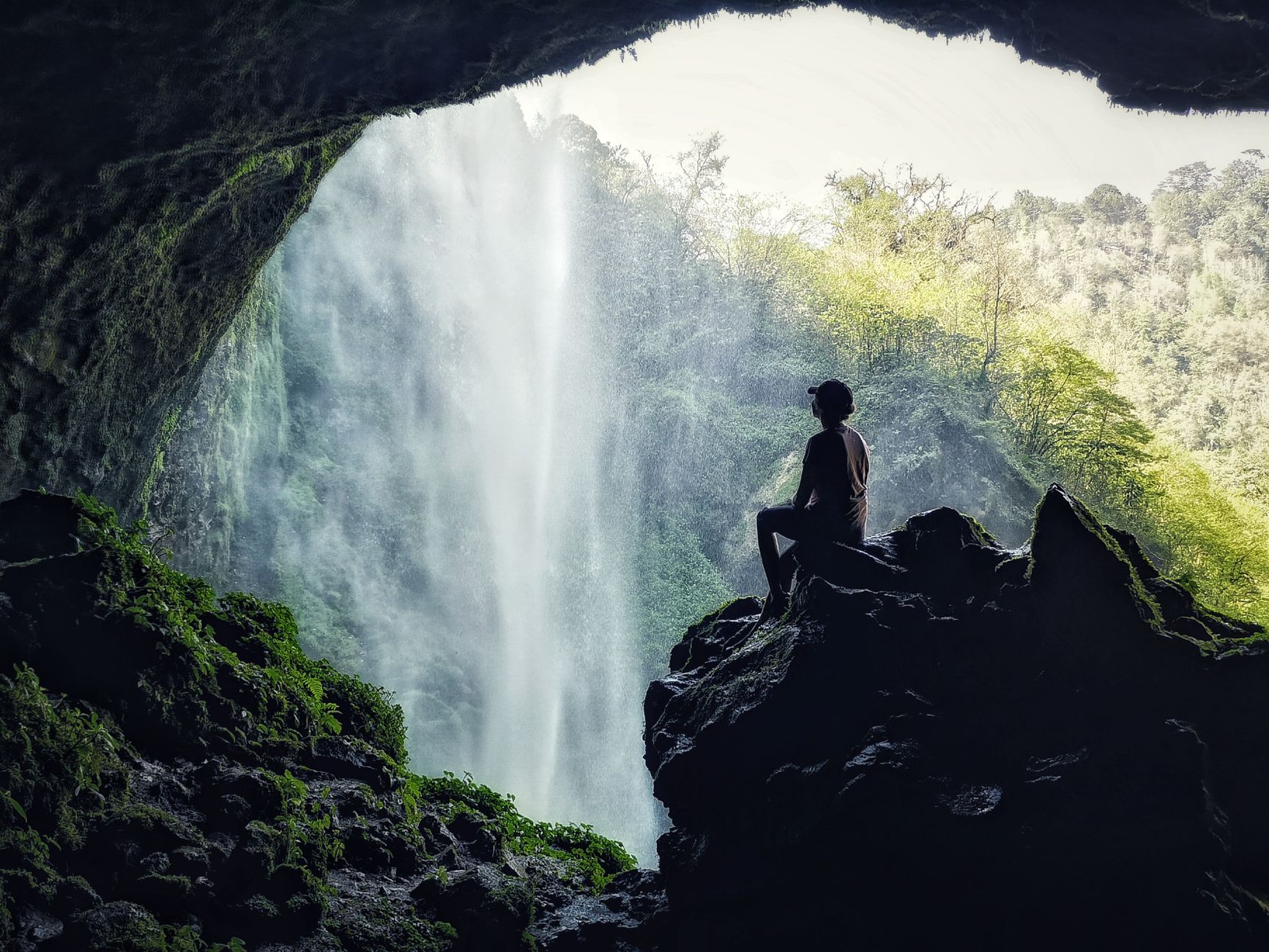
The Whispering Cascade: Why I Chased Waterfalls Influencers Haven't Found (Yet)
I remember the exact moment my quest for truly hidden waterfalls began. It was a scorching afternoon in Bali, and after a grueling scooter ride, I finally arrived at what promised to be a "secret waterfall." What I found instead was a queue of selfie-stick-wielding tourists, a pop-up juice bar, and a single, rather unimpressive cascade struggling to compete with the human noise. The magic, if it had ever been there, was utterly gone.
My heart sank faster than a dropped camera. This wasn't the serene, soul-stirring experience I’d craved. This was a production. It was then and there I vowed to change my approach. I wasn't just looking for waterfalls anymore; I was looking for whispering cascades – places so remote, so untouched, that their beauty felt like a personal secret shared only with the wind and the trees. The places Instagram influencers haven't bothered to find, or perhaps, don't want to find because the effort outweighs the immediate 'grammable payoff.
And let me tell you, the payoff for these adventures is infinitely greater than any number of likes. It's the feeling of cool mist on your face after a challenging hike, the symphony of falling water as your only soundtrack, the sheer awe of standing before nature's raw power, completely undisturbed. It’s a connection. It’s authentic. And it’s what I’m here to help you find.
Why Go Off-Grid for Your Waterfall Fix? Ditching the Digital Circus
In an age where every stunning vista is instantly broadcast to millions, the concept of a "hidden gem" feels increasingly like an oxymoron. Influencers, bless their meticulously curated feeds, have a job to do: showcase beauty, inspire travel, and often, monetize those viral moments. The problem? When a place becomes an 'influencer hotspot,' it often loses its essence.
The Downside of Viral Spots:
- Overcrowding: Imagine hiking for hours, only to find yourself jostling for space at the base of a waterfall, waiting your turn for a photo. The serenity vanishes.
- Environmental Degradation: Increased foot traffic, litter, and disregard for local ecosystems can quickly damage fragile natural environments.
- Commercialization: What starts as a pristine spot can quickly sprout souvenir stalls, entrance fees, and even concrete paths, fundamentally altering its character.
- Lost Authenticity: The feeling of discovery, of being truly immersed in nature, is diluted when you're sharing the moment with hundreds of others.
The Upside of True Discovery:
- Unparalleled Serenity: Imagine a waterfall where the only sounds are the rush of water, the rustle of leaves, and perhaps a distant bird call. Pure bliss.
- Authentic Connection: When you earn the view through effort and solitude, your connection to the place deepens exponentially. It becomes your story.
- Preservation: By seeking out lesser-known spots and practicing responsible tourism, you contribute to the longevity of these natural wonders.
- Bragging Rights (the good kind): Not about showing off, but about the genuine satisfaction of having experienced something truly unique and earned.
This isn't about shaming anyone's travel style. It's about offering an alternative for those who yearn for a deeper, more personal encounter with the wild.
The Art of the Hunt: How to Uncover Your Own Secret Cascades
So, how do you find these elusive, influencer-free waterfalls? It's not always easy, but that's part of the adventure. It requires a blend of old-school sleuthing, modern tech, and a healthy dose of local respect.
- Befriend the Locals (Respectfully): This is my number one tip. Forget TripAdvisor for a moment. Strike up conversations with guesthouse owners, local shopkeepers, or even hikers you meet on less-traveled trails. Ask about their favorite local spots, emphasizing that you're looking for something "quiet" or "less known." Be genuine, not demanding. Often, they'll share a gem, sometimes even drawing you a crude map. My anecdote: In rural Vietnam, a kind farmer, after sharing a cup of tea, sketched a route to a small, multi-tiered fall on a banana leaf. It involved crossing a stream and climbing a muddy bank, but the reward was a private swimming hole that felt like stepping into another dimension.
- Dive into Topographical Maps and Satellite Imagery: This is where the tech comes in. Apps like AllTrails, Gaia GPS, or even Google Maps (with satellite view and terrain layers) are invaluable. Look for blue lines (rivers/streams) that suddenly change elevation, indicating a potential drop. Zoom in on forested areas, looking for breaks in the tree cover or sudden changes in terrain that could hide a fall. Cross-reference with existing hiking trails – sometimes a short, unmarked spur trail leads to something spectacular.
- Local Forums and Niche Blogs: Search for regional hiking groups, outdoor adventure forums, or local conservation societies online. These communities often share information about lesser-known spots, complete with directions and conditions. The key is to look for local sources, not broad travel blogs.
- Embrace the Journey, Not Just the Destination: Sometimes, the most beautiful cascades are discovered by simply following a promising stream upstream, or by taking a "wrong" turn that leads to an unexpected delight. Be open to serendipity. Allow yourself to wander.
- Look Beyond the Obvious: If a national park has one famous waterfall, chances are there are dozens of smaller, unnamed cascades tucked away in its less-visited corners. Focus on less-traveled sections of the park or wilderness areas adjacent to popular spots.
My Personal Stashes (Shared Responsibly): Glimpses of Unspoiled Beauty
I'm hesitant to give exact coordinates, as that would defeat the entire purpose of this post. But I will share the types of places I've found, and how they embody the spirit of the truly hidden. Consider these examples of the experience you're chasing, not specific destinations to pinpoint on a map.
1. The Emerald Seclusion of Northern Laos (Beyond Kuang Si)
Everyone knows Kuang Si Falls near Luang Prabang – and for good reason, it's stunning. But venture further. On a multi-day trek through the remote villages north of the city, guided by a local, we stumbled upon a series of cascades tumbling into incredible turquoise pools. There were no wooden walkways, no changing rooms, just raw, untamed nature.
- The Experience: After hours of hiking through dense jungle, past water buffalo and tiny villages, the sound of rushing water slowly intensified. We scrambled down a steep, muddy bank, pulling ourselves along tree roots, until we emerged into a clearing. Before us was a multi-tiered waterfall, each pool a different shade of emerald, untouched by human development. We spent an entire afternoon swimming, the only sounds the water and the chirping of unseen birds. We paid a small "trail maintenance" fee to a local family whose land we crossed, a welcome contribution to their community.
- What to Look For: In regions known for popular waterfalls, ask locals about "smaller falls" or "swimming holes" further upriver or on tributary streams. Often, these require a bit more effort, perhaps a river crossing or a steep climb, which deters casual visitors.
2. The Misty Veils of Oregon's Coast Range (Unnamed Wilderness)
Oregon is famed for its waterfalls in the Columbia River Gorge. But head west, deep into the Coast Range, and a different kind of magic unfolds. Here, countless unnamed streams carve through dense temperate rainforest, creating ephemeral and permanent cascades that rarely see human eyes.
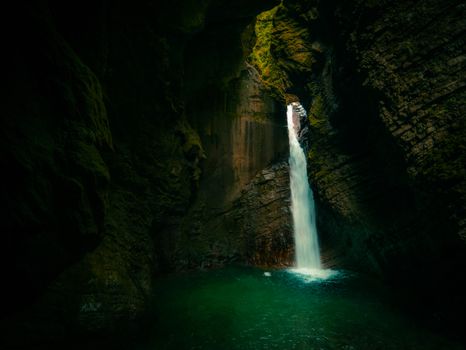
- The Experience: Using a combination of Gaia GPS and a paper topographical map, I identified a promising cluster of blue lines in a remote section of the Tillamook State Forest. The "trail" was more of an animal path, overgrown and barely discernible. After an hour of bushwhacking, navigating fallen logs and thorny thickets, I heard it – a powerful roar. Parting a curtain of ferns, I found myself in a moss-laden amphitheater, a powerful column of water plunging into a rocky pool. The air was thick with mist, the light dappled, and the only other living things were slugs and towering ancient trees. It felt prehistoric. This wasn't a "swimming hole" waterfall; it was a pure, raw spectacle of nature's power.
- What to Look For: Research state forests, wilderness areas, and national monuments that are less frequented than national parks. Look for areas with high rainfall and significant elevation changes. Be prepared for off-trail navigation and variable conditions.
3. The Cascading Terraces of Slovenia's Julian Alps (Beyond the Icons)
Slovenia's Triglav National Park boasts iconic waterfalls like Peričnik and Savica. They are beautiful, but often busy. However, tucked away in the Vrata Valley and other lesser-known nooks of the Julian Alps are countless smaller, equally enchanting cascades.
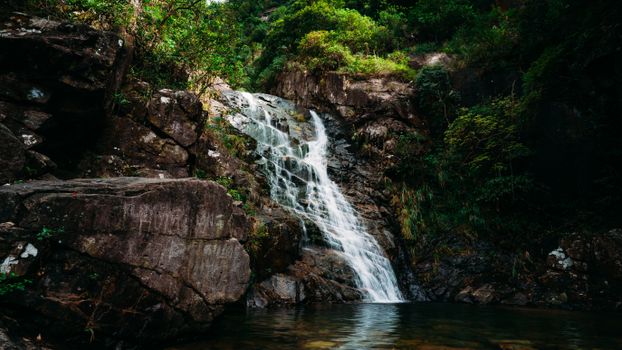
- The Experience: While hiking a less-traveled route towards a remote mountain hut, I noticed a faint path diverging into a dense patch of forest, marked only by a small, weathered cairn. Curiosity piqued, I followed it. The path descended steeply, leading to a series of terraced waterfalls, each spilling into small, clear pools before cascading to the next. The water was glacial, icy cold, but the setting was utterly serene. Sunlight filtered through the canopy, illuminating tiny rainbows in the spray. I spent an hour simply sitting on a mossy boulder, mesmerized by the intricate dance of water and light. It was a secret garden, known perhaps only to a few local shepherds and adventurous hikers.
- What to Look For: In mountainous regions, explore valleys and gorges that aren't on the main tourist routes. Many smaller, unnamed waterfalls exist as tributaries feed into larger rivers. Look for trails that lead to high-altitude pastures or remote huts – these often pass by beautiful, overlooked cascades.
The Code of the Wild: Responsible Exploration
Finding these hidden gems comes with a profound responsibility. We are guests in these wild places, and our actions directly impact their longevity. The whole point of seeking out these spots is to preserve their untamed beauty, not to contribute to their degradation.
- Leave No Trace: This is paramount. Pack out everything you pack in – and then some. If you see litter, pick it up. Stay on existing trails (even faint ones) to minimize impact. Don't disturb wildlife or natural features.
- Respect Local Communities: If you encounter locals, be polite and respectful. Ask permission before entering private land. Support local businesses responsibly. Remember, these are their homes, not just your playground.
- Safety First: Hidden waterfalls are often hidden for a reason – they can be remote, with challenging terrain, and no amenities.
- Tell someone your plans: Share your route and expected return time.
- Check weather conditions: Flash floods can be a serious danger in narrow canyons.
- Assess your abilities: Don't attempt hikes beyond your fitness level.
- Be prepared for emergencies: Carry a first-aid kit, extra water, and know how to use an offline map/GPS. Cell service is often non-existent.
- Protect the Secret (Responsibly): While I'm sharing the idea of finding these places, be mindful about broadcasting exact locations of truly untouched spots. If you find something truly pristine, consider enjoying it privately or sharing only with trusted, like-minded adventurers. The goal isn't to make every waterfall an influencer spot, but to foster a culture of discovery and preservation.
Gear Up for the Adventure: Your Essential Kit
Don't embark on these off-the-beaten-path expeditions without the right gear. Your safety and comfort depend on it.
- Sturdy Hiking Shoes: Waterproof, with excellent grip. You'll be crossing streams, scrambling over rocks, and navigating slippery terrain.
- Appropriate Clothing: Layers are key. Quick-drying fabrics are a must. Bring a light rain jacket, even on sunny days.
- Navigation Tools: A reliable GPS device or a smartphone with offline maps (like Gaia GPS or Maps.me) and a downloaded area map. A compass and physical map are excellent backups.
- Water & Filtration: Carry plenty of water, and consider a portable water filter (like Sawyer Squeeze or Lifestraw) for refilling from natural sources.
- First-Aid Kit: Blisters, scrapes, and insect bites are common. Include pain relievers, bandages, antiseptic wipes, and any personal medications.
- Snacks: High-energy snacks to keep you fueled.
- Headlamp/Flashlight: Even if you plan to be back before dark, unexpected delays can happen.
- Small Backpack: To carry all your essentials.
- Swimsuit & Towel: If you plan on taking a dip! (A quick-dry towel is a game-changer).
- Power Bank: For charging your phone/GPS.
- Trash Bag: To pack out all your waste, and maybe a little extra.
- Camera (Optional): Capture the memories, but remember, the experience is the true reward. Try to be present, not just posing.
Your Waterfall, Your Story: The Call to Adventure
The world is still full of wonders waiting to be discovered, places where the only footprints you'll see are your own. The hidden waterfalls, the whispering cascades, are out there, patiently waiting for those willing to put in the effort, embrace the unknown, and respect their untouched beauty.
So, next time you're planning an adventure, look beyond the trending hashtags and influencer reels. Consult a local, pour over a topo map, and let your curiosity lead the way. The journey might be a little tougher, the path less clear, but the reward – a truly authentic, soul-stirring encounter with nature's majesty – is beyond measure.
Which hidden waterfall will you seek out first? Share your experiences (responsibly!) in the comments below, or better yet, keep your newfound secrets close and savor the magic. Happy trails, fellow adventurers!
---