The Great Wall: Beyond the Postcards, In March 2026
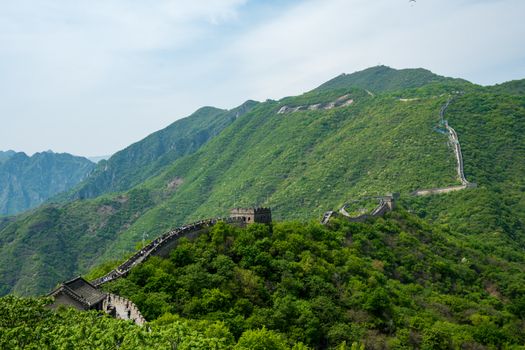
I stepped off the early morning train, the crisp March air biting at my cheeks, carrying the faint, earthy scent of thawing soil and distant woodsmoke. The usual cacophony of Beijing faded behind me, replaced by the whisper of wind through sparse winter trees and the distant, almost mournful cry of a hawk. This wasn't the Great Wall I'd seen plastered across every travel brochure – the one choked with tour buses and a sea of determined faces. This was something else. This was the Great Wall as it was meant to be experienced: vast, silent, and profoundly, overwhelmingly real.
March 2026. A sweet spot for China travel. The winter chill is receding, but the peak tourist season hasn't quite kicked in. It’s a window of opportunity, a chance to step onto ancient stones and feel the weight of centuries without the jostle of a thousand other feet. While the famous sections like Badaling and Mutianyu will see their fair share of visitors, there are Great Wall sections tourists never visit – stretches of crumbling ramparts, forgotten watchtowers, and breathtaking vistas that remain gloriously untamed.
The Siren Song of the Wild Wall: Why March is Your Month
The popular sections of the Great Wall are undeniably impressive, but they offer a curated experience. In March, however, you can chase the wild. The landscape is still starkly beautiful, painted in muted tones of ochre and grey, with the first hints of spring green beginning to peek through. The air is clean, the light is soft, and the silence… the silence is profound. It allows you to truly hear the Wall, the wind whistling through its battlements, the echo of your own footsteps on stones laid down by emperors and soldiers. This is where history breathes, not where it’s merely displayed.
1. Jiankou: The Photographer's Dream, The Hiker's Challenge
Jiankou is the undisputed queen of the "wild" Great Wall. This section, about 100 kilometers north of Beijing, is largely unrestored, a jagged spine of stone snaking across dramatic, precipitous mountain ridges. The name "Jiankou" literally means "Arrow Nock," referring to the shape of the pass it guards.
What makes it special:
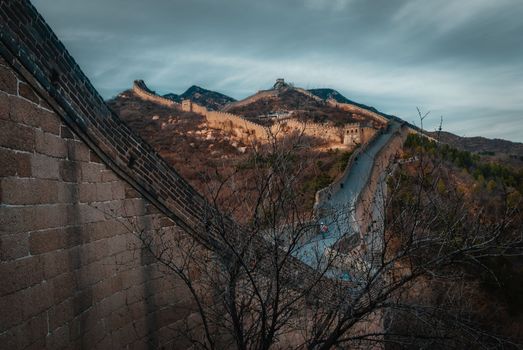
Imagine this: you’re perched on a crumbling watchtower, the wind whipping your hair, with nothing but a dizzying drop and miles of undulating wall stretching out before you. The textures are incredible – moss-covered bricks, weathered stone, and the sheer, rugged beauty of the surrounding mountains. In March, the vegetation is sparse, offering unobstructed views that are simply breathtaking. You'll find yourself in awe of the sheer audacity of its construction.
Pro-Tip:
The most iconic part is the Zhengbeikou Pass. Aim for a sunrise or sunset shoot. The golden light hitting the crumbling ramparts is pure magic. Be prepared for a challenging hike; some sections require scrambling. Wear sturdy hiking boots!
Authenticity Check:
You'll see locals, often farmers, guiding adventurous hikers or selling simple snacks. The lack of modern amenities is its charm. It feels raw and untamed, a true testament to human endeavor.
2. Gubeikou: The Echoes of Ancient Battles
Located in Miyun County, Gubeikou is one of the oldest sections of the Great Wall, with a history stretching back over 2,000 years. It was a crucial strategic pass, witnessing countless battles and invasions. Unlike Jiankou, Gubeikou is partially restored, but it still retains a wild, less commercialized feel.
What makes it special:
Gubeikou offers a unique duality. You have the restored sections, offering a sense of its former glory, juxtaposed with the unrestored, wilder parts that speak of its weathered resilience. The "General's Tower" offers panoramic views, and the "Sky Bridge" is a particularly dramatic stretch. In March, the air is crisp, and the crowds are minimal, allowing you to truly absorb the history etched into every stone. You can almost hear the clash of swords and the shouts of soldiers.
Pro-Tip:
Combine Gubeikou with a visit to the nearby Jinshanling section. This offers a fantastic contrast between a more accessible, yet still stunning, restored section and the ruggedness of Gubeikou. Visit on a weekday in early March for maximum solitude.
Authenticity Check:
You'll find fewer souvenir shops and more local life. Keep an eye out for the ancient inscriptions on the stones – these are not just walls, they are historical texts.
3. Huanghuacheng: The Wall That Meets the Water
Huanghuacheng, meaning "Yellow Flower City," is a truly unique Great Wall section because a significant portion of it is submerged in a reservoir. This creates a stunning visual spectacle, especially when the water levels are low, revealing the submerged bricks and stones.
What makes it special:
This is the Great Wall with a watery embrace. Imagine walking along ancient ramparts, with the shimmering blue of the reservoir stretching out beside you. The contrast between the rugged stone and the calm water is mesmerizing. In March, the reservoir is often at its clearest, and the surrounding hills are still in their stark, winter beauty. It’s a less physically demanding option than Jiankou, but no less visually impactful.
Pro-Tip:
Take a boat trip on the reservoir to get a different perspective of the wall. The "underwater wall" is a fascinating sight. Pack a picnic to enjoy by the water's edge.
Authenticity Check:
While it attracts some visitors, it feels far more relaxed than the main tourist hubs. You'll find local families enjoying the scenery, adding to the authentic, local feel.
4. Simatai: The Majestic and the Mysterious
Simatai is renowned for its dramatic and varied terrain, featuring steep slopes, narrow passes, and unique architectural features like the "Heavenly Ladder." It's one of the few sections that remains largely unrestored, offering a glimpse into its original, formidable state.
What makes it special:
Simatai is a marvel of engineering and natural beauty. The wall here is incredibly steep in places, demanding your attention and respect. The "Sky Stair" is not for the faint of heart, but the views from the top are unparalleled. In March, the stark beauty of the landscape, combined with the crisp air, makes for an invigorating experience. You can feel the raw power of this defensive structure.
Pro-Tip:
Consider staying overnight in a nearby village for a more immersive experience. You can explore the wall at dawn or dusk, when the light is spectacular. Be aware of the cable car access, which can be busy; hiking up offers a more authentic challenge.
Authenticity Check:
Simatai feels more rugged and less manicured. The watchtowers are weathered, and the path can be uneven, reminding you of its historical function rather than its modern tourism appeal. The local cuisine in the surrounding villages is hearty and delicious – try the local dumplings!
The "Pro-Tips" for Your March 2026 Great Wall Adventure
- Embrace the Early Bird: For any section, arriving before 8 AM will significantly reduce the chances of encountering larger groups, even in these less-visited areas.
- Layer Up: March in China can be unpredictable. Pack layers – a base layer, fleece, and a windproof outer shell are essential. Don't forget gloves and a hat!
- Footwear is Key: Sturdy, broken-in hiking boots are non-negotiable, especially for Jiankou and Simatai. You'll be navigating uneven terrain and potentially slippery stones.
- Pack Smart: Bring plenty of water, snacks, and a first-aid kit. Many of these sections lack immediate facilities.
- Local Guides are Gold: For the truly wild sections like Jiankou, hiring a local guide is highly recommended for safety and to learn about the local flora, fauna, and history. They also know the best, less obvious routes.
- Check Weather Forecasts: While generally pleasant, mountain weather can change rapidly. Stay updated on the forecast before you go.
- Cash is King: While some places might accept mobile payments, having cash on hand for local vendors, guides, or small entrance fees is always wise.
- Respect the History: These are ancient sites. Leave no trace, avoid climbing on unstable structures, and be mindful of the historical significance of your surroundings.
---
Quick Facts: Your March 2026 Great Wall Itinerary Planner
| Feature | Jiankou | Gubeikou | Huanghuacheng | Simatai |
| :---------------- | :------------------------------------- | :----------------------------------- | :----------------------------------- | :----------------------------------------- |
| Estimated Cost ($) | $50 - $150 (incl. guide, transport) | $40 - $100 (incl. transport) | $30 - $80 (incl. transport) | $60 - $180 (incl. guide, transport, cable car option) |
| Best Time to Visit (March 2026) | Early to Mid-March (clearer views) | Early March (fewer people) | Mid-March (pleasant weather) | Early to Mid-March (crisp air) |
| How to Get There | Private car/taxi (approx. 3-4 hrs from Beijing) | Private car/taxi (approx. 2.5-3 hrs from Beijing) | Private car/taxi (approx. 2-2.5 hrs from Beijing) | Private car/taxi (approx. 2.5-3 hrs from Beijing) |
| Difficulty | Challenging (scrambling required) | Moderate | Easy to Moderate | Moderate to Challenging (steep sections) |
| Crowd Level | Very Low | Low | Low to Moderate | Low to Moderate |
---
The Taste of Authenticity: Beyond the Wall
Exploring these remote sections isn't just about the stones; it's about the journey and the immersion. After a day of hiking, nothing beats the simple, hearty flavors of local cuisine. In the villages surrounding these less-visited Great Wall sections, you'll find restaurants serving up authentic Northern Chinese dishes.
Think fragrant, hand-pulled noodles (拉面, lāmiàn), often seasoned with a savory broth and topped with tender lamb or beef. Jiaozi (饺子), plump dumplings filled with pork, cabbage, or chives, are a staple, perfect for warming up. And don't miss the local pickled vegetables (泡菜, pàocài) – a tangy, crunchy accompaniment that cuts through the richness of the other dishes. These aren't gourmet meals; they are soul-warming, honest food, prepared with generations of tradition. The aroma of Sichuan peppercorns and star anise might even waft from a roadside stall, a testament to the diverse culinary landscape of China.
Your Great Wall Odyssey Awaits
In March 2026, the Great Wall is calling. It’s whispering secrets of ancient empires, of relentless human spirit, and of breathtaking natural beauty waiting to be discovered. By venturing off the beaten path to sections like Jiankou, Gubeikou, Huanghuacheng, and Simatai, you're not just seeing the Wall; you're experiencing it. You're stepping into history, feeling the wind on your face, and collecting memories that will last a lifetime, far from the madding crowds. This is your chance to walk the Great Wall as few ever will.
---