The Day I Traded the Tourist Bumper Cars for Wild Bricks
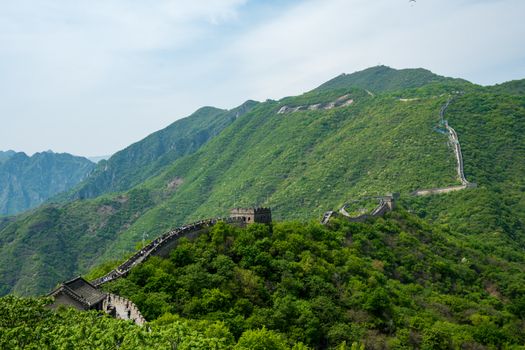
I stepped off the local mini-bus at the edge of Xizhi village, my boots crunching into loose, cool ash and broken Ming-dynasty brickwork. The morning air smelled sharply of crushed pine needles, damp lime mortar, and the dry, sweet woodsmoke of a farmer’s woodstove floating up from the valley below.
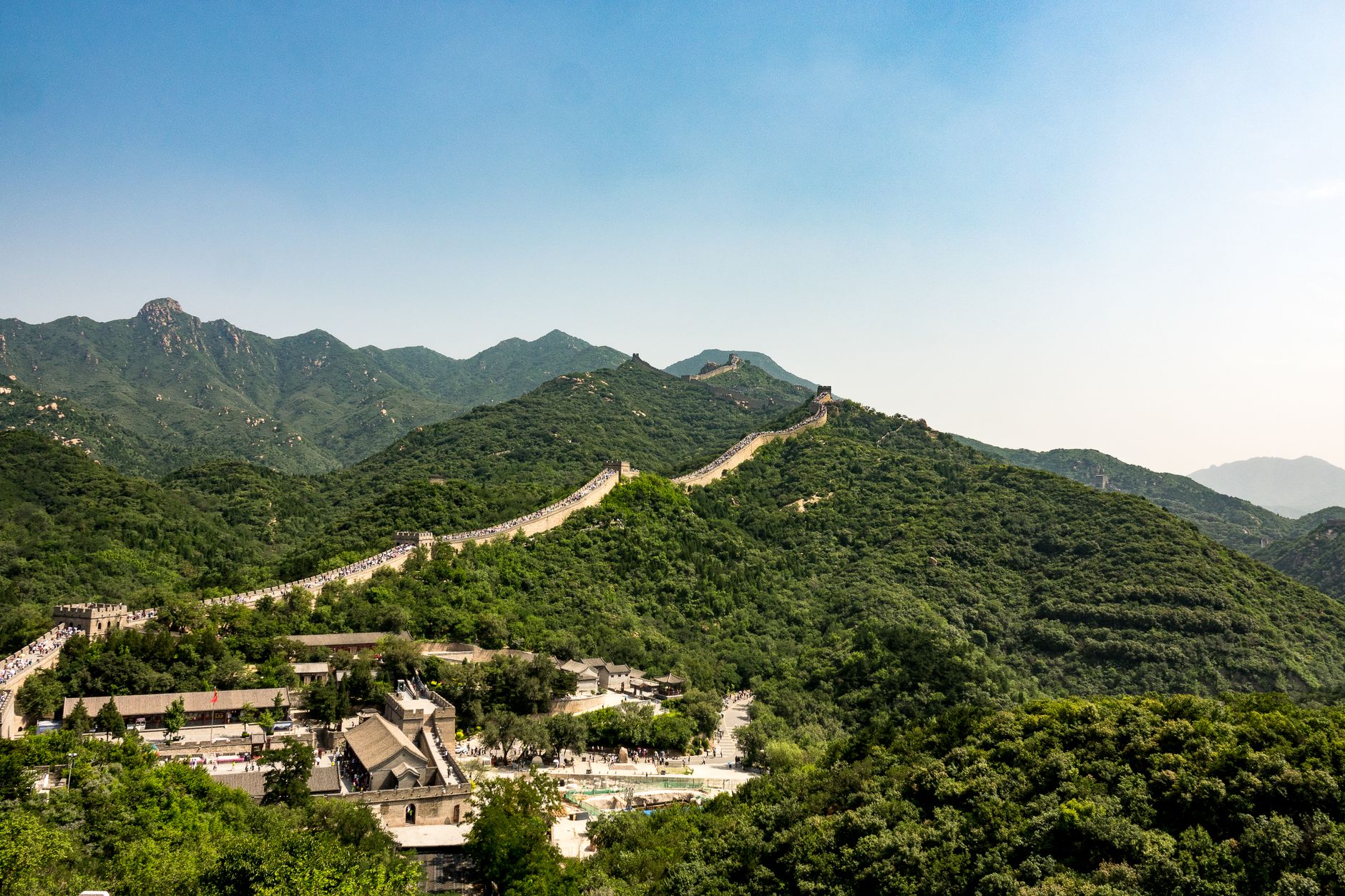
Far behind me—roughly two hours south in Beijing—thousands of weary travelers were already shuffling shoulder-to-shoulder up Badaling’s slick granite stairs, dodging megaphones and souvenir stalls. Where I stood, the only sound was the whistling north wind cut by the razor-sharp stone crenellations above, and the distant call of a ring-necked pheasant flitting through wild walnut trees.
I’ve spent the better part of a decade exploring China’s northern frontier, testing hiking boots against crumbling parapets and sipping local corn wine with village elders. The secret China travel agencies don't want you to know? The grandest, most evocative stretches of the Wall aren't the ones restored with gray cement and gift shops. They are the overgrown, wild, and fiercely dramatic ramparts that experts quietly whisper about behind closed doors.
If you want to experience the Great Wall as a living, breathing monument to history rather than a crowded theme park, here are the exact sections you need to explore right now.
---
1. Jiankou: The Razor-Edge Dragon Spine for Adrenaline Seekers
If Badaling is a sanitized highway, Jiankou is a bucking bronco. Built on sheer, jagged white dolomite cliffs, this section is famous among local mountaineers and professional photographers for its dramatic, un-restored terrain and wild, sweeping vistas.
```
[ Sky Stairs ]
/\
/ \ <- 70-degree climb over crumbling mortar
[ Eagle Flies Facing Upward Tower ]
```
Jiankou’s mortar—a traditional Ming-dynasty blend of slaked lime and sticky rice juice—has slowly yielded to pine roots and winter frost over 450 years. The result is a chaotic, breathtaking wilderness where trees grow directly out of watchtower ceilings.
Key Architectural Landmarks
* The Eagle Flies Facing Upward (Ying Fei Dao Yang): A watchtower perched on a peak so steep that local folklore claims even eagles must turn skyward to clear it.
* The Sky Stairs: A near-vertical staircase where steps have eroded into a smooth stone slide. You’ll need all four limbs to scramble up safely.
> Pro-Tip: Skip the main trailheads near Xizhazi village where local forest wardens occasionally turn travelers away. Instead, enter via the unmarked dirt track behind the village apple orchard at 6:30 AM. Look for a blue wooden hive frame—the trail begins right behind it and leads directly to the Zhengbei Tower.
- Local Flavor: Stop by Sister Zhao’s Guesthouse at the base of the mountain for a plate of freshly caught rainbow trout (hongban yu) roasted over local chestnut wood with crushed Sichuan peppercorns.
---
2. Huanghuacheng: The Submerged Marvel of the Water Wall
Located roughly 70 kilometers north of Beijing, Huanghuacheng offers a rare phenomenon: sections of the Ming Great Wall diving directly into the deep turquoise waters of Hauming Lake.
In the 1970s, the construction of a local reservoir flooded the valley, submerging three massive wall segments. Today, you can kayak right up to centuries-old stone battlements half-sunk in the clear water.
```
(Restored Ridge) --------\
\---> [Submerged Wall Segment]
~~~~ ~~~~ ~~~~ ~~~~ ~~~~ ~~~~ ~~~~~~ [Hauming Lake Reservoir] ~~~~ ~~~~
```
While a tiny portion of Huanghuacheng has been turned into an official scenic park, 80% of this stretch remains completely wild and unmonitored if you know where to cross.
Why Experts Recommend It
* The Contrast: The mix of vibrant yellow wildflowers (huanghua) in late spring, green mountain lake water, and dark gray kiln-baked bricks creates one of the best photographic landscapes in East Asia.
* Paddling History: Renting a kayak allows you to touch underwater arrow slits (shuikou) that haven't been touched by land walkers in decades.
> Pro-Tip: To access the wild, un-restored "Zhuangdaokou" extension without paying park entrance fees, tell your driver to drop you at the stone bridge in Zhuangdaokou Village. Walk past the old village opera stage to find the ancient stone trail winding up the western ridge.
---
3. Gubeikou: Walking Through 600 Years of Unbroken Battle History
Unlike other sections that served purely as defensive barriers, Gubeikou was a massive military choke point guarding the primary trade and invasion route between Manchuria and Beijing. Over 130 major battles were fought here, ranging from Ming dynasty skirmishes against Mongol cavalry to fierce firefights against invading forces in 1933.
Gubeikou is vast, quiet, and completely unrestored. You can walk for five hours along the Wohushan (Crouching Tiger Mountain) and Panlongshan (Coiling Dragon Mountain) ridges without seeing another human soul.
```
[ Gubeikou Pass ] <---> [ Panlongshan Ridge ] <---> [ 24-Eye Tower ] <---> [ Border Fence detour ]
```
Architectural Highlights
* The 24-Eye Tower (Ershisi Kong Lou): A rare, double-tiered watchtower featuring six arched windows on each side. Though the upper floor was partially damaged by artillery in 1933, its skeletal frame against the sunset is hauntingly beautiful.
* Kiln Marks: Look closely at the bricks along the Panlongshan section. You will see deep Chinese characters stamped directly into the clay, listing the military units and commanders responsible for baking that specific batch.
> Pro-Tip: The trail between Gubeikou and Jinshanling cuts through a active military zone near the border fence. Follow the red spray-painted arrows pointing down into the hemp farms to safely bypass the restricted crest before re-ascending to the wall near the 24-Eye Tower.
- Local Flavor: Stop at a Gubeikou courtyard home for Manchu hot pot—thinly sliced pork cooked in a copper vessel packed with sour pickled cabbage, star anise, and handmade starch glass noodles.
---
4. Xiangshuihu: Natural Springs, Healing Herbs, and Silent Valleys
Mention Xiangshuihu to 99% of Beijing tourists and you’ll get a blank stare. Located near Huairou, this section gets its name ("Fragrant Waters Lake") from the roaring mountain springs that gush from the limestone caverns below the ramparts.
```
[ Spring Caverns ] ---> [ Ancient Carvings Wall ] ---> [ Mountain Pass Fort ]
```
Xiangshuihu remains practically empty because tour buses prefer the nearby cable cars of Mutianyu. What they miss is a tranquil valley packed with historical stone inscriptions, wild medicinal herbs, and a stunning, sky-high crest of original Ming construction.
Expert Highlights
* Ming Dynasty Inscriptions: Carved into the sheer rock walls beneath the towers are giant Chinese characters written by Ming generals, celebrating the strategic security of the northern borders.
* The Medicinal Valley: The valley floor below the wall is planted with wild ginseng, mint, and goji berries, making the air smell naturally sweet and herbal during the summer months.
> Pro-Tip: Visit at precisely 7:30 AM when the valley mist rolls through the mountain passes. Walk all the way to the "Moshikou Pass"—the hidden stone doorway that once regulated all merchant traffic hauling salt and silk into the capital.
---
5. Shixiaguan: The Forgotten Western Guard in the Granite Canyons
Tucked away in the badlands southwest of Badaling lies Shixiaguan (Stone Gorge Pass). While Badaling was scrubbed and rebuild for international heads of state, Shixiaguan was left to crumble gracefully back into the jagged granite canyons.
This section is brutally raw. The bricks here are larger and heavier than average, mixed with crushed granite rock to withstand severe winter freezes.
```
[ Granite Valley ] ===> [ Unrestored Ramparts ] ===> [ Abandoned Stone Watchtowers ]
```
Why It’s Special
* Absolute Solitude: You are guaranteed to have entire stretches of ridge to yourself.
* The Village Experience: Shixiaguan village at the base has preserved traditional courtyard life. The village elderly still dry sweet potatoes on the lower wall steps during autumn harvest.
> Pro-Tip: The hidden entrance is located behind the village water tower. Look for a dusty goat trail winding up through the brush; after 20 minutes of steady climbing, you’ll drop right onto an unrestored double watchtower.
---
The Master Logistics, Budget & Field Matrix
Planning an independent trip to unrestored Great Wall sections requires solid logistics. Buses don't run on schedule, and English signs are nonexistent once you leave urban Beijing.
Quick Facts & Route Planning
| Wall Section | Difficulty | Best Time to Visit | Estimated Budget (USD) | Primary Transport Route |
| :--- | :--- | :--- | :--- | :--- |
| Jiankou | Extreme (Scrambling) | Oct–Nov (Autumn Foliage) | $35–$50 | Bus 916 快 from Dongzhimen -> Huairou North -> Private Taxi to Xizhazi |
| Huanghuacheng| Moderate | May–June (Wildflowers) | $25–$40 | Express Bus 916 -> Huairou Water Wall Local Bus 3 |
| Gubeikou | Moderate | Year-round | $20–$30 | Miyun Line Tourist Train (S501) from Qinghe Station -> Gubeikou Station |
| Xiangshuihu | Easy–Moderate | Sept–Oct | $30–$45 | Bus 916 快 to Huairou Auto Station -> Taxi to Xiangshuihu |
| Shixiaguan | Hard | April–May | $20–$35 | Yanqing Bus Y42 from Yanqing Railway Station |
---
How to Hike Wild Great Wall Without Getting Fined, Lost, or Stranded
Hiking un-restored ("wild") Great Wall comes with real risks. There are no guardrails, no safety nets, and mobile phone signals frequently cut out inside steep limestone gorges.
```
[ SAFETY PREPARATION CHECKLIST ]
_______________________________________________
| [x] High-top hiking boots (loose mortar slips)|
| [x] 3+ Liters of water (No mountain taps) |
| [x] Fully charged power bank + Offline Map |
| [x] Windproof jacket (Ridges are brutal) |
|_______________________________________________|
```
1. Navigation Rule: Use Offline Maps
Do not rely on standard Western map apps; they offset GPS coordinates in China by several hundred meters. Download Astrill/Express VPN beforehand alongside Amap (Gaode Ditu) or offline topographic overlays on Maps.me.
2. Respect Local Bans
Certain segments of Jiankou occasionally experience temporary conservation closures. If a local village warden points down the mountain, do not argue. Politely tip them 20 RMB, back down, and take a lower mountain trail around the checkpoint.
3. Pack Out Everything (Including Bricks)
It goes without saying: never take a brick. The Ming bricks are held together by fragile history. Leave no trace, pack out all plastic bottles, and avoid stepping on loose wall edges where mortar has washed away.
---
Final Thoughts: The Wall You Will Remember Forever
You can stand on Badaling with ten thousand strangers, listening to megaphones crackle while staring at polished stone reconstructed in 1980.
Or, you can stand on the empty battlements of Gubeikou as the sun dips below the violet horizon, listening to the wind sweep through centuries of brickwork while drinking hot jasmine tea from a thermos.
Choose the wild paths. The experts do—and you'll never look at travel the same way again.
---