The Great Wall: Beyond the Tourist Trail
I stepped off the rickety local bus, the air thick with the scent of damp earth and distant woodsmoke. The usual cacophony of tour groups was conspicuously absent. Instead, the only sound was the wind whistling through the sparse grasses and the crunch of my boots on ancient, uneven stone. This wasn't the packed, postcard-perfect Great Wall you see plastered everywhere. This was something raw, something real. This was the Great Wall that most tourists never visit, and frankly, that’s its greatest allure.
For years, the narrative has been dominated by a handful of heavily restored sections – Mutianyu, Badaling, Jinshanling. And while they offer a glimpse, they also offer a sea of humanity. But recent data, combined with years of insider exploration, reveals a different story. The Great Wall, a serpentine dragon stretching thousands of kilometers, holds countless secrets, whispering tales to those willing to venture just a little further.
Section 1: Jiankou – The Wild Heartbeat of the Dragon
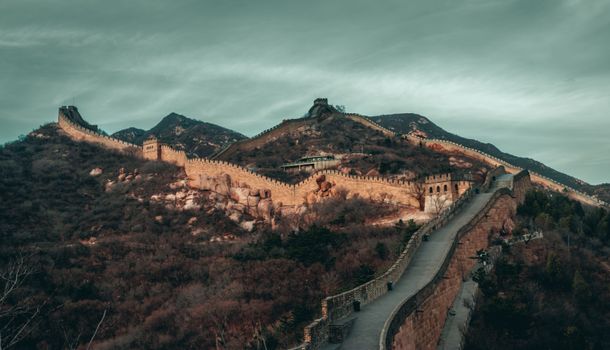
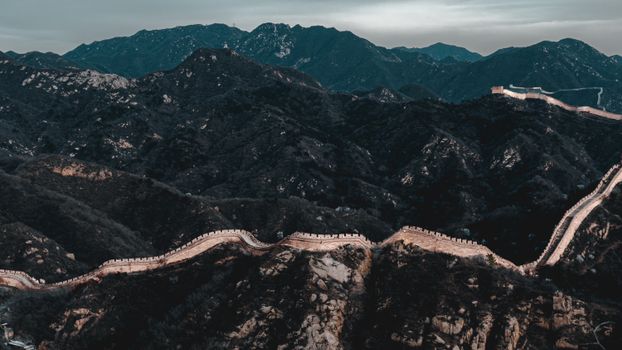
Jiankou is the stuff of legend, a section so wild and unrestored that it’s often described as "the most beautiful and dangerous section of the Great Wall." And let me tell you, it lives up to the hype. I remember my first trek here; the sheer scale of the crumbling battlements, clinging precariously to jagged peaks, was breathtaking. The stones are weathered, moss-covered, and in places, the wall simply disappears into the rugged landscape, only to reappear further up the mountain.
The Hook:
The air here is crisp, carrying the faint scent of pine. As the sun begins its descent, casting long shadows across the undulating terrain, you can almost hear the echoes of ancient sentinels scanning the horizon. It’s a feeling of profound solitude, a connection to history that’s palpable.
Pro-Tip:
While officially closed for safety, many intrepid hikers still visit. If you choose to go, hire a local guide who knows the terrain intimately. Never attempt this section alone or without proper gear. The "Sky Stair" is a notorious climb – be prepared for a serious workout.
Authenticity:
Unlike the manicured sections, Jiankou showcases the raw, unvarnished power of the Wall. You'll see original bricks, weathered by centuries, and watchtowers that have sagged with age. It’s a testament to human endeavor against unforgiving nature.
Section 2: Gubeikou – The Gateway to the North
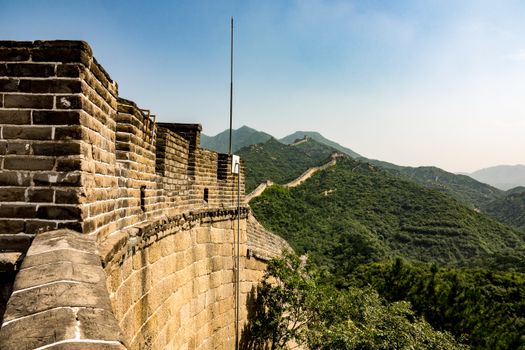
Gubeikou holds a significant place in history, having been a crucial military pass for centuries, guarding the approaches to Beijing. It’s a section that offers a fascinating blend of restored and wild portions, making it accessible yet still retaining a sense of discovery. Walking along its ramparts, you can almost feel the weight of history, imagining the soldiers who stood guard here, their lives dictated by the changing seasons and the ever-present threat from the north.
The Hook:
The wind whips around you, carrying whispers of ancient battles. From the higher points, you can see the Wall snake across the landscape, a stark reminder of its immense scale. The feeling is one of awe mixed with a deep respect for the strategic importance this place once held.
Pro-Tip:
The Western Section of Gubeikou is more restored and easier to access. The Eastern Section is wilder and less visited, offering a more rugged experience. Visit during spring or autumn for pleasant weather and fewer crowds.
The Budget/Logistics:
| Feature | Details |
| :-------------- | :------------------------------------------------------------------- |
| Estimated Cost | $20-50 (transport, guide if needed, minimal entrance fees) |
| Best Time to Visit | April-May, September-October |
| How to Get There | Take a bus from Beijing to Miyun, then a local taxi or transfer to Gubeikou. |
Authenticity:
Gubeikou offers a tangible sense of its military past. You'll see numerous watchtowers, some in remarkable condition, others crumbling into the earth. The sheer expanse of the Wall here, disappearing into the rolling hills, is a sight to behold.
Section 3: Simatai – The Mystical and Dramatic
Often overlooked in favor of its more accessible neighbors, Simatai is a marvel of engineering and natural beauty. It’s the only section of the Great Wall that has been kept in its original state, with no major restoration. This means you get the authentic, dramatic experience that many crave. The Wall here is steep, winding, and offers incredible views of the surrounding landscape, including the stunning Gubei Water Town below.
The Hook:
The air smells of ancient stone and wild herbs. As you ascend, the Wall seems to cling to the mountain's spine, a precarious but defiant guardian. The panoramic views are simply staggering, a reward for every step taken.
Pro-Tip:
Take the cable car up to save your energy for exploring the Wall itself. Wear sturdy hiking shoes as many sections are steep and uneven. The "Heavenly Bridge" is a narrow ridge that offers a thrilling, albeit slightly nerve-wracking, experience.
Authenticity:
Simatai’s charm lies in its untouched nature. You’ll find original bricks, watchtowers in various states of repair, and a sense of stepping back in time. The intricate stonework and the way the Wall integrates with the natural topography are truly remarkable.
Section 4: Huanghuacheng – The Lakeside Wonder
Huanghuacheng is unique because a significant portion of its Wall is submerged in a lake, creating a truly picturesque and unexpected sight. It's less about vast, unbroken ramparts and more about a fascinating intersection of history and nature. The emerald waters of the lake lap against the ancient stones, creating a serene and almost surreal atmosphere.
The Hook:
The scent of fresh water mixes with the earthy aroma of the Wall. The sunlight glints off the lake, illuminating sections of the Wall that seem to rise directly from the water. It’s a peaceful, almost meditative experience, a stark contrast to the bustling tourist spots.
Pro-Tip:
Consider a boat trip on the lake to get a different perspective of the submerged Wall. The best time to visit is during autumn when the surrounding foliage turns vibrant colors, complementing the blue of the lake and the grey of the Wall.
Authenticity:
This section offers a different kind of authenticity. It’s not about the military might, but about how the Wall has become one with its environment. You’ll see sections that are partially eroded by water, showcasing nature’s slow but steady reclamation.
Section 5: Shanhai Pass (Shanhaiguan) – Where the Wall Meets the Sea
While Shanhai Pass itself is a well-known historical site, the easternmost end of the Wall, known as Laolongtou (Old Dragon's Head), is where the Great Wall dramatically plunges into the Bohai Sea. This is a truly unique and often overlooked endpoint. Standing on the ramparts, feeling the sea spray on your face, and seeing the ancient stone structure meet the vast ocean is an unforgettable experience.
The Hook:
The salty tang of the sea fills the air, mingling with the ancient scent of stone. The roar of the waves crashing against the shore provides a dramatic soundtrack. It’s a powerful visual, the end of a colossal human endeavor meeting the boundless expanse of nature.
Pro-Tip:
Visit during low tide for the best access to the "Old Dragon's Head" structure itself. Try some of the local seafood in the nearby town for an authentic culinary experience.
Authenticity:
Laolongtou is a fascinating blend of military architecture and natural spectacle. You can see the fortifications, the watchtowers, and the strategic placement of the Wall designed to defend against sea-borne invasions. It’s a testament to the Wall’s incredible reach and purpose.
Section 6: Jiuliancheng – The Forgotten Fortress
Tucked away in Liaoning Province, Jiuliancheng (Nine-Arch Fort) is a section that truly embodies the "never visited" spirit. It's a more remote and less developed part of the Wall, offering a glimpse into its less glamorous, more utilitarian past. This section is characterized by its low, earthen ramparts and a feeling of quiet solitude.
The Hook:
The air here is quiet, almost hushed, carrying the scent of dry earth and wild grasses. The Wall, though less imposing than its more famous counterparts, possesses a profound sense of history, a silent witness to centuries gone by. The feeling is one of quiet contemplation and discovery.
Pro-Tip:
This section is best for history buffs and those seeking extreme solitude. Be prepared for basic amenities and potentially rougher travel conditions. Hire a local guide as English speakers are scarce.
Authenticity:
Jiuliancheng offers a different perspective on the Great Wall – not as a grand monument, but as a functional defensive structure built with local materials. The earthen ramparts and the simplicity of its construction speak to its historical context.
---
The Budget/Logistics (General for Off-the-Beaten-Path Sections)
| Feature | Details |
| :-------------- | :-------------------------------------------------------------------------------------------------------- |
| Estimated Cost | $30-100+ per day (highly variable based on transport, guides, accommodation, and remoteness) |
| Best Time to Visit | Spring (April-May) and Autumn (September-October) offer the most pleasant weather. |
| How to Get There | Combination of trains, long-distance buses, and local taxis/private drivers. Often requires planning. |
| Accommodation | Basic guesthouses, homestays, or hotels in nearby towns. Expect fewer luxury options. |
| Food | Local eateries, street food, or self-catering. Embrace regional specialties. |
| Guides | Highly recommended for remote sections. Essential for safety and historical context. |
---