The Scent of Centuries: My First Encounter with Heritage Grains
I stepped off the train and was immediately enveloped by a scent I couldn't quite place – earthy, nutty, with a whisper of something wild and untamed. It wasn't the sterile, processed aroma of modern life. This was the smell of soil that had been tended for generations, of seeds carrying stories, of a connection to the land that felt profoundly ancient. I was in the heart of Tuscany, a region not just renowned for its rolling vineyards and Renaissance art, but increasingly, for its quiet revolution in grain cultivation. Here, amidst sun-drenched hills, I found myself embarking on a journey to explore ancient grain farms, places where heritage varieties are not just grown, but heroically preserved, a mission gaining urgent traction according to recent data.
The Silent Crisis: Why Heritage Grains Matter
In our relentless pursuit of yield and uniformity, the global food system has inadvertently narrowed its genetic diversity. Modern agriculture often relies on a handful of high-performing, genetically modified varieties, leaving countless ancient, nutrient-dense, and flavorful grains vulnerable to extinction. This isn't just a culinary loss; it's an agricultural and ecological crisis.
- Biodiversity is Resilience: A diverse gene pool means crops are better equipped to withstand pests, diseases, and changing climates. Relying on monocultures makes our food supply fragile.
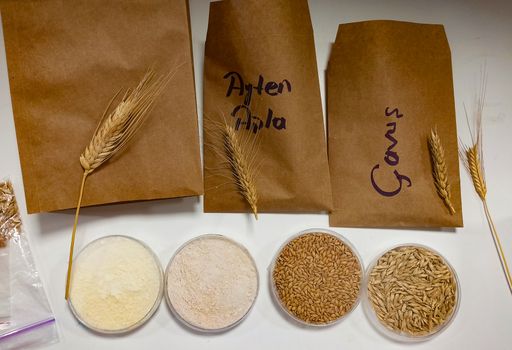
- Nutritional Powerhouses: Many ancient grains, like Einkorn, Emmer, and Khorasan (Kamut®), boast superior nutritional profiles, offering higher protein, fiber, and mineral content than modern wheat.
- Unique Flavors & Textures: These aren't your average bread flours. Each heritage grain offers a distinct taste – from the nutty sweetness of Emmer to the robust, almost chocolatey notes of certain spelt varieties.
Recent data from agricultural organizations highlights a concerning trend: the genetic erosion of crop diversity. However, this grim picture is being countered by passionate farmers and organizations dedicated to safeguarding these precious “forgotten crops.”
Tuscany's Golden Fields: A Living Museum of Wheat
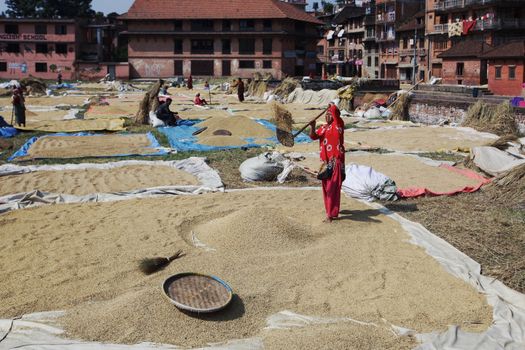
My journey took me to a small, family-run farm just outside of Siena. The owner, Marco, a man whose hands were as weathered as the ancient stone walls of his farmhouse, greeted me with a warm, knowing smile. He led me through fields that shimmered in the late afternoon sun, not with the uniform green of modern wheat, but with a rich tapestry of golds, browns, and even hints of reddish hues.
"This," Marco gestured with pride, "is not just wheat. This is history. This is our grandfather's wheat, and his grandfather's before him."
He explained how they cultivate Farro Monococco (Emmer), one of the oldest cultivated wheat species, and Grano Tenero Antico (ancient soft wheat) varieties that have been passed down through generations. These aren't grown for sheer volume, but for their intrinsic value: flavor, nutrition, and genetic purity.
Pro-Tip: The Best Time to Witness the Harvest
If you're lucky enough to visit during harvest season (typically late June to early August in Tuscany), aim for an early morning visit. The golden light is perfect for photography, and you can often witness the traditional reaping methods before the heat of the day sets in.
Beyond Tuscany: Global Guardians of Grain
The movement to preserve heritage grains isn't confined to Italy. Around the globe, dedicated individuals and communities are championing these ancient staples.
The American Midwest: A Resurgence of Heirloom Wheat
In the vast plains of the American Midwest, farmers like Sarah from "Prairie Heritage Grains" are bringing back heirloom wheat varieties that once fed the nation. Sarah’s farm focuses on Turkey Red Wheat, a hard red winter wheat introduced by Mennonite immigrants from Russia in the 19th century. It’s known for its exceptional flavor and protein content, making it ideal for artisanal bread.
- Seed Saving is Crucial: Sarah emphasized the importance of seed saving and direct-exchange programs to maintain the genetic integrity of these varieties. Many heritage farms operate on a small scale, relying on community and collaboration.
- The Taste of Terroir: Just as wine reflects its terroir, these ancient grains carry the essence of the land they are grown on. Sarah’s Turkey Red has a distinct sweet, nutty flavor shaped by the rich prairie soil.
The Andes Mountains: Quinoa's Ancestral Roots
While quinoa is now a global superfood, its origins lie in the Andean highlands of Peru and Bolivia, where indigenous communities have cultivated thousands of heirloom quinoa varieties for millennia. These aren't the uniform, large-seeded varieties often found in supermarkets. They are smaller, more diverse, and possess a spectrum of colors and flavors, each adapted to specific microclimates and traditional culinary uses.
- Understanding Indigenous Knowledge: Visiting these regions offers a profound insight into traditional farming methods and the deep connection between people, land, and food.
- Supporting Fair Trade: Look for cooperatives and organizations that ensure fair compensation and support for indigenous farmers, preserving both their livelihoods and their agricultural heritage.
The Farmer's Perspective: A Labor of Love
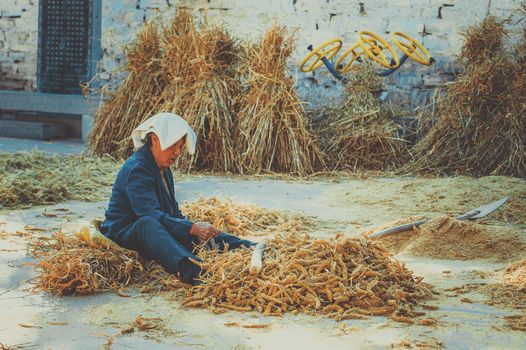
I spoke with a farmer in France who cultivates Spelt and Einkorn. He described the challenges: lower yields compared to modern wheat, greater susceptibility to certain pests, and the need for specialized milling equipment.
"It is not the easiest path," he admitted, brushing a stray strand of hair from his forehead. "But when you bake bread from these grains, the aroma, the texture, the taste… it is incomparable. It is a connection to our ancestors. It is food that nourishes the body and the soul."
This sentiment is echoed across the globe. These farmers are not just agriculturalists; they are custodians of a vital part of our shared human heritage. Their work is a powerful act of food security initiatives and a testament to the enduring value of biodiversity.
The Culinary Revolution: Tasting Heritage Grains
The resurgence of ancient grains is fueling a culinary revolution. Chefs and home cooks alike are rediscovering the unique qualities of these heritage varieties.
Baking with Ancient Grains
- Artisanal Bread Making: Heritage grains are the backbone of authentic sourdough and rustic loaves. Their lower gluten content often requires different hydration techniques, but the result is a bread with incredible depth of flavor and a satisfying chew.
- Experiment with Flours: Don't be afraid to experiment! Use Einkorn flour for a delicate pastry, Emmer for a hearty pasta, or Khorasan for a robust pizza crust.
Beyond Bread: Versatile Ingredients
Ancient grains are incredibly versatile. They can be used in:
- Porridge: A nourishing and flavorful start to the day.
- Salads: Cooked grains add texture and substance.
- Soups and Stews: They thicken dishes beautifully and add a nutty dimension.
- Desserts: From cookies to cakes, heritage grains lend a unique character.
Pro-Tip: Where to Find Authentic Heritage Grain Products
Seek out local farmers' markets, specialty food stores, and online retailers that source directly from heritage grain producers. Look for labels that specify the ancient variety and its origin.
Visiting Ancient Grain Farms: A Journey for the Senses
For the intrepid traveler, visiting these farms offers an unparalleled culinary tourism experience. It's a chance to connect directly with the source of your food, to understand the dedication involved in regenerative farming, and to taste flavors that have been cultivated for thousands of years.
Quick Facts: Planning Your Heritage Grain Farm Visit
| Aspect | Estimated Cost ($) | Best Time to Visit | How to Get There |
| :------------------ | :----------------- | :------------------------------------------------- | :-------------------------------------------------------------------------------------------------------------- |
| Farm Tours | $20 - $75 | Spring (planting), Summer (growth/harvest), Autumn (post-harvest) | Varies by region. Often requires a car rental or local transport. Some farms offer guided tours or workshops. |
| Workshops/Classes | $100 - $300+ | Seasonal, often linked to planting or harvest | Similar to farm tours; check farm websites for specific schedules. |
| Accommodation | $80 - $250+ / night | Year-round, but farm activities are seasonal | Agriturismos (farm stays) are common in many heritage grain regions. |
| Local Transport | $50 - $150 (daily) | N/A | Car rental is often essential for exploring rural areas. |
| Food | $40 - $100+ (daily) | N/A | Enjoy farm-to-table meals and local produce. |
Insider Tip:
Many farms are not set up for mass tourism. Always contact them in advance to arrange a visit. Be respectful of their work and their land. Some may offer opportunities to participate in small harvesting or planting activities – a truly immersive experience!
The Future of Food: Cultivating Heritage for Tomorrow
The work of these ancient grain farms is a vital investment in our future. By preserving heritage seeds and traditional cultivation methods, they are not only safeguarding our food heritage but also contributing to a more resilient and sustainable agricultural system. Recent data consistently points to the increasing importance of biodiversity in mitigating climate change impacts on food production.
When you choose to buy and consume products made from heritage grains, you are supporting:
- Biodiversity Conservation: Helping to keep these ancient varieties alive.
- Sustainable Agriculture: Many heritage farmers practice low-impact, regenerative methods.
- Nutritional Well-being: Accessing more nutrient-dense food options.
- Cultural Preservation: Honoring the traditions and knowledge of farming communities.
My journey through the world of ancient grain farms was more than just a culinary exploration; it was a profound reminder of the deep, often forgotten, connections we have to the earth and to our past. The next time you bite into a loaf of bread or a bowl of pasta, consider the journey of the grain. It might just be a story centuries in the making.
---