Glacier Walks in Sneakers: Experience Ancient Ice Before It's Mainstream!
The crisp, thin air hit me first, carrying a scent I can only describe as "ancient cold." Then, the sight: a vast, undulating river of ice, shimmering with an otherworldly blue that defied explanation. I stood there, not in heavy mountaineering boots, crampons clanking, or an ice axe in hand, but in my trusty, waterproof hiking boots – feeling almost as light and free as if I were in my everyday sneakers. This wasn't some extreme expedition; this was an accessible glacier walk, a secret slice of natural wonder that many believe requires specialized gear and expert skills.
For years, the idea of walking on a glacier felt like an Everest-level dream – reserved for seasoned adventurers with pockets deep enough for guides, equipment, and weeks of training. I pictured myself hauling heavy packs, navigating treacherous crevasses, and battling icy winds. But then, a whisper on the travel grapevine, a fleeting Instagram story, and a little bit of research opened my eyes to a revelation: there are glaciers, stunning and majestic, that you can approach, touch, and even walk on with surprisingly minimal fuss.
These aren't the technical, multi-day treks, but rather incredible experiences that bring you close to the ice, allowing you to feel its raw power and beauty without the full mountaineering kit. They're what I like to call "sneaker-friendly" glacier walks – meaning you need sturdy, waterproof hiking boots (not actual sneakers, we’ll get to that!), a sense of adventure, and an appreciation for the ephemeral. And trust me, you'll want to experience them now, before they become mainstream, or worse, before they change forever.
The Magic of Accessible Ice: Why "Sneaker-Friendly" Glaciers Are a Game-Changer
Imagine this: The sun glinting off a million tiny ice crystals, the deep rumble of ancient ice shifting beneath your feet, the silence broken only by the crunch of your steps and the distant drip of meltwater. Now, imagine experiencing all of that without the added weight and complexity of crampons, harnesses, and ice axes. That's the allure of these "sneaker-friendly" glacier experiences.
The term "sneaker-friendly" is, of course, a playful metaphor. While you won't be waltzing onto a glacier in your Converse, these experiences are designed for travelers who might not be mountaineers but still crave an intimate connection with these icy giants. We're talking about guided walks on flatter, more stable sections of glaciers, or approaches to their very edges, where the sheer scale and beauty are overwhelming, yet the physical demands are manageable for most active individuals. The focus shifts from conquering the glacier to simply being with it, observing its majesty, and understanding its delicate existence.
This accessibility opens up a world of wonder. It means you can spontaneously decide to visit, pack a day bag, and find yourself face-to-face with a natural phenomenon that feels ancient and alive. It's about breaking down the barriers to adventure, proving that you don't need to be an elite athlete to witness Earth's most breathtaking landscapes. For me, it was the feeling of pure, unadulterated awe, mixed with a hint of rebellious joy – discovering that some of the planet's most dramatic vistas were within reach, without needing a mountaineering degree.
Unveiling the Hidden Gems: My Top Picks for Lighter Glacier Adventures
I’ve scoured the globe, laced up my boots, and felt the ice beneath my feet to bring you my favorite spots for these unforgettable, lighter glacier experiences. These are places where the ice truly shines, and the adventure feels both epic and attainable.
1. Svartisen Glacier, Norway: Arctic Accessibility at its Finest
My first "sneaker-friendly" glacier encounter was with Svartisen Glacier in Northern Norway, and it completely redefined what I thought was possible. Svartisen is actually two main glaciers, Vestisen and Østisen, and it's the second-largest glacier in mainland Norway. What makes it so special for our purposes? Its incredibly accessible tongue, Engabreen.
I remember stepping off the ferry from Holandsvika, a gentle breeze carrying the scent of salt and pine. The journey itself was part of the magic, a scenic boat ride across the Holandsfjord, with the glacier slowly revealing itself, a vast white canvas against the dark, dramatic mountains. From the ferry dock at Engavågen, it's a relatively flat, well-maintained gravel path leading directly to the glacier's edge. This isn't a treacherous climb; it's a beautiful, scenic walk that takes about 45 minutes to an hour.
As I approached, the air grew noticeably colder, and the blue intensified. The sheer scale was mind-boggling. I walked right up to the designated safety line, close enough to feel the cold radiating from the ice, to hear the meltwater rushing into the glacial lake, and to marvel at the intricate patterns carved into the ice face. While you can't walk on the main glacier without a guided tour and proper equipment (which are also available for a more in-depth experience), the proximity and the stunning views from the edge make it an unparalleled "sneaker-friendly" experience. It felt like I was standing at the edge of the world, witnessing geological time unfold.
Practicalities for Svartisen:
* Getting There: Fly to Bodø, then drive south to Holandsvika. From there, take the passenger ferry (operates seasonally, typically June-August) across the fjord to Engavågen. Check ferry schedules and prices in advance; they run frequently during peak season.
* Cost: Ferry tickets are around 150-200 NOK (~$15-20 USD) return. The walk to the glacier edge is free. Guided tours onto the ice are extra (e.g., ~$100-150 USD for a few hours, including gear).
* Accommodation: Several charming guesthouses and cabins are available in the area, offering a true Norwegian experience. Book ahead, especially in summer.
* Tripsora Tip: Pack a picnic to enjoy by the glacial lake, soaking in the views. The light here is incredible for photography, especially in the late afternoon.
2. Nigardsbreen Glacier, Norway: Blue Ice Up Close
Another Norwegian marvel, Nigardsbreen (a tongue of Jostedalsbreen, mainland Europe's largest glacier), offers an even more hands-on "sneaker-friendly" experience, with options for guided walks on the ice that are less strenuous than full expeditions.
My visit to Nigardsbreen was a symphony of blues. After a scenic drive through the lush green valleys of Luster, I arrived at the Nigardsbreen parking lot. From there, you have two options to get closer to the glacier: a short, easy walk (about 30-40 minutes) along the lake, or a quick, affordable boat ride across the glacial lake. I opted for the boat – a charming, small vessel that cut through the milky turquoise water, bringing me closer to the ice face with every passing minute.
Once on the other side, a well-marked trail leads to the glacier's edge. Here's where the "sneaker-friendly" aspect truly shines. There are several tour operators based at the Nigardsbreen visitor center who offer "blue ice walks" specifically designed for beginners. These tours provide crampons and ice axes, but the routes are chosen for their relatively flat, stable terrain, making them accessible to anyone with a reasonable fitness level (typically ages 8+). It’s a fantastic way to actually walk on the glacier without needing prior experience. I spent a few hours crunching across the ice, marveling at the deep blue crevasses, listening to the guide explain the glacier's movements, and feeling an incredible sense of accomplishment. It was an adventure that felt epic but was surprisingly approachable.
Practicalities for Nigardsbreen:
* Getting There: Drive to Gaupne, then follow signs for Nigardsbreen. The road itself is scenic.
* Cost: Parking is a small fee. The boat ride across the lake is around 50-70 NOK (~$5-7 USD) return. The guided "blue ice walk" tours typically range from 400-600 NOK (~$40-60 USD) for a 3-4 hour experience, including equipment. Book these tours well in advance, especially during peak season.
* Accommodation: Gaupne and nearby areas offer hotels, cabins, and campsites.
* Tripsora Tip: Wear layers! Even on a sunny day, the glacier is cold. And bring sunglasses – the reflection off the ice is intense.
3. Tasman Glacier, New Zealand: Lakeside Views and Icebergs
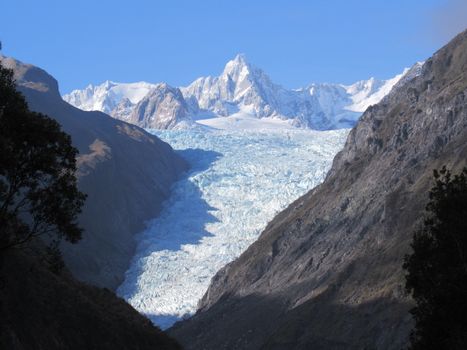
While New Zealand's Franz Josef and Fox Glaciers are iconic, their rapid recession makes direct, easy glacier walks increasingly challenging and expensive (often requiring heli-hikes). For a truly "sneaker-friendly" experience that still gets you incredibly close to the ice, I recommend the Tasman Glacier in Aoraki/Mount Cook National Park.
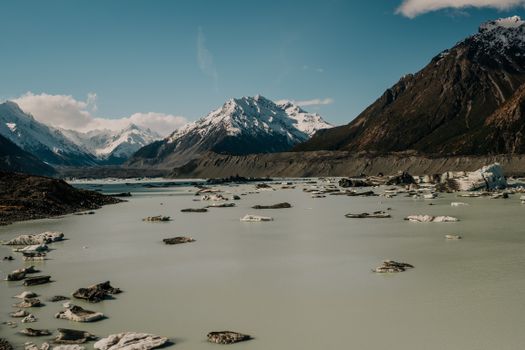
My journey to Tasman Glacier was different but equally breathtaking. Instead of walking on the glacier, the experience here focuses on the stunning Tasman Lake, which is fed by the glacier and often dotted with icebergs calved from its face. From the Mount Cook village, a series of well-maintained walking tracks lead to various viewpoints overlooking the lake and the glacier. The Blue Lakes and Tasman Glacier View Track is a relatively easy 40-minute return walk that offers panoramic views.
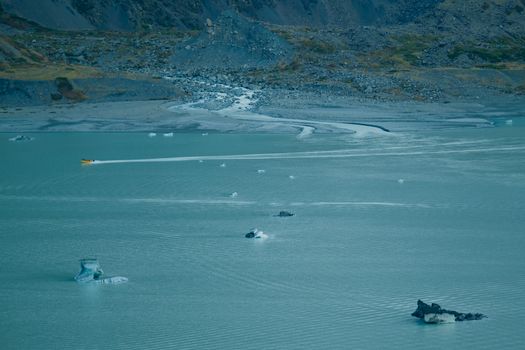
The real magic, however, lies in the Tasman Glacier Lake boat trip. I booked a tour, and it was an absolute highlight. We puttered across the milky grey-blue waters, weaving between enormous icebergs that had broken off the glacier. Our guide expertly navigated the boat, explaining the geology, the rapid retreat of the glacier, and even pulling up a piece of ancient ice for us to touch. To be so close to these colossal chunks of ice, some as tall as houses, still felt like a true glacier adventure, all from the comfort of a boat. It’s an accessible, awe-inspiring way to connect with a glacier without ever needing to step on the ice itself, offering unparalleled photo opportunities and a profound sense of wonder.
Practicalities for Tasman Glacier:
* Getting There: Drive to Aoraki/Mount Cook National Park. The village is the base for all activities.
* Cost: Walking tracks are free. The Tasman Glacier Lake boat trip typically costs around NZD$170-200 (~$100-120 USD) per person for a 2.5-hour tour. Book well in advance, especially in summer.
* Accommodation: Mount Cook village has a range of options, from hostels to luxury hotels.
* Tripsora Tip: Go in the morning for calmer waters and often clearer views. Bring a good zoom lens for your camera to capture details of the icebergs and the distant glacier.
The "Before They Become Mainstream" Imperative: Why Now?
There's a reason I'm urging you to experience these accessible glaciers now. It's a bittersweet urgency driven by two powerful forces: climate change and the ever-increasing popularity of unique travel experiences.
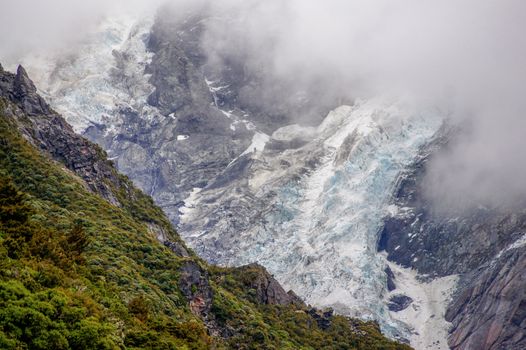
Firstly, the stark reality of climate change means glaciers are receding at an alarming rate. What is accessible today might be a challenging trek tomorrow, or simply gone in a few decades. The very landscapes we admire are changing before our eyes, making every visit a precious and poignant one. To witness a glacier up close is to connect with a powerful, ancient force of nature, and to also understand its fragility. It’s a reminder of our planet’s dynamic beauty and the imperative to protect it.
Secondly, as the world becomes more connected, once-hidden gems quickly become mainstream. The desire for authentic, off-the-beaten-path experiences is at an all-time high. While these glacier walks are already popular in their respective regions, they haven't yet reached the global saturation of, say, the Eiffel Tower. Visiting them now allows for a more intimate experience, with fewer crowds, more pristine views, and a deeper connection to the environment. You get to be a pioneer in your own right, discovering these wonders before they're on every travel influencer's feed.
This isn't about exclusive access; it's about experiencing these natural wonders in a way that feels personal and profound, before the sheer volume of visitors begins to impact the experience itself. It's about savoring the silence, the vastness, and the raw beauty without feeling like you're part of a conveyor belt of tourists.
Gear Up (Minimally): What to Pack for Your Glacier Edge Adventure
While we're aiming for a "lighter" experience, smart packing is still crucial for safety and enjoyment. Remember, "sneaker-friendly" refers to the ease of the experience, not literally wearing canvas shoes on ice!
- Sturdy, Waterproof Hiking Boots: This is non-negotiable. Look for good ankle support and a grippy sole. They will protect your feet from cold, wet conditions and uneven terrain.
- Layers, Layers, Layers: The weather around glaciers can change rapidly.
- Base Layer: Moisture-wicking (merino wool or synthetic) to keep you dry.
- Mid Layer: Fleece or down vest for warmth.
- Outer Layer: Waterproof and windproof jacket and pants. Even if it's sunny, wind chill can be brutal.
- Warm Hat and Gloves: Essential, even in summer. You'll thank me.
- Sun Protection: Sunglasses (preferably polarized to reduce glare from the ice), high SPF sunscreen, and lip balm with SPF. The sun's reflection off the ice is incredibly strong.
- Water Bottle & Snacks: Stay hydrated and fueled.
- Backpack: A comfortable daypack to carry your layers, water, and snacks.
- Camera Gear: This is a photographer's paradise! A wide-angle lens for sweeping landscapes and a telephoto lens for capturing distant details or wildlife. Check drone regulations for specific locations – many national parks prohibit them.
- Binoculars: For spotting distant features, birds, or other wildlife.
- First-Aid Kit: Basic essentials for minor scrapes or blisters.
- Cash: Some remote areas or small ferry services might prefer cash.
Crucial Safety Note:
Even for "easier" glacier approaches or walks, never venture onto the ice unsupervised or without a certified guide and proper equipment (like crampons) if the tour requires it. Glaciers are dynamic, dangerous environments with hidden crevasses and unstable ice. Always respect safety barriers and local advice.
Respecting the Ice: Responsible Glacier Tourism
Visiting these magnificent natural wonders comes with a responsibility to protect them. As travelers, we have the power to make a positive impact.
- Leave No Trace: Pack out everything you pack in. This means all trash, food scraps, and even organic waste. Leave the natural environment exactly as you found it.
- Stay on Marked Paths: This protects fragile ecosystems, prevents erosion, and ensures your safety.
- Support Local: Hire local guides, stay in local accommodations, and eat at local restaurants. Your money directly benefits the communities that live alongside these glaciers.
- Educate Yourself: Learn about the specific glacier you're visiting, its history, and the challenges it faces. Understanding fosters appreciation and better decision-making.
- Minimize Your Footprint: Consider your transportation choices. Opt for public transport or carpooling where possible.
- Share Responsibly: When you share your incredible glacier photos, include captions that highlight the fragility of these environments and encourage responsible tourism. Use hashtags like #TripsoraGlacierAdventures and #ProtectOurGlaciers.
Your Ice Adventure Awaits!
There's something profoundly moving about standing at the edge of a glacier, a tangible connection to Earth's ancient past and a stark reminder of its uncertain future. These "sneaker-friendly" glacier experiences offer an unparalleled opportunity to witness this majesty without needing to be a seasoned mountaineer. They are adventures that are both accessible and deeply impactful, providing stunning visuals, unforgettable sounds, and a feeling of exhilaration that stays with you long after you've left the ice.
So, don't just dream about it. Lace up those sturdy hiking boots, pack your sense of wonder, and embark on a glacier adventure. Discover the electric blues, feel the ancient crunch, and capture those share-worthy moments before these incredible, accessible ice giants become mainstream, or worse, before they change forever. Your epic, lighter footprint glacier journey starts now.
Which accessible glacier is calling your name? Share your thoughts and future glacier plans with us using #TripsoraGlacierAdventures! Let's inspire each other to explore responsibly and cherish these natural wonders.
---