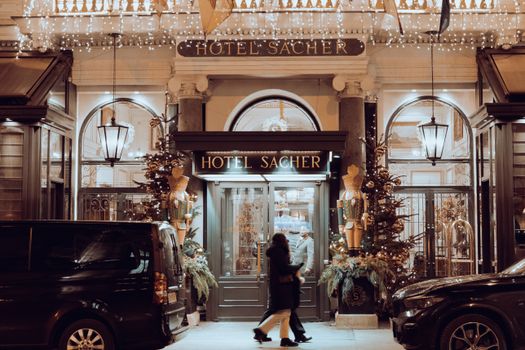
Let's be honest, who doesn't love a good secret? Especially when that secret involves turning a standard hotel room booking into a lavish suite, a room with a breathtaking view, or even a private villa – all without paying a single extra cent. For years, I was that traveler, meticulously researching, comparing prices, and always booking the "best value" room, only to arrive and gaze longingly at the opulent suites I couldn't afford. Then, one fateful trip changed everything.
I was in Kyoto, a city of serene temples and vibrant geisha districts, booked into a perfectly adequate, but utterly uninspired, business hotel. It was a last-minute trip, and options were slim. Feeling a pang of disappointment, I decided to try something a little unconventional. I remembered a friend mentioning a small, often-overlooked loyalty program for a regional hotel group this property belonged to. I signed up, just hours before arrival, and shot a quick, polite message to the hotel's general email, mentioning my excitement for my first visit to Kyoto and how thrilled I was to be a new member of their loyalty program, however nascent.
The next morning, as I checked in, the front desk manager's eyes lit up. "Ah, Mr. Thompson! We're so delighted to welcome you, especially as a new member. We've taken the liberty of moving you to our 'Imperial Suite' – it offers stunning views of Higashiyama and a private outdoor bath. Enjoy your stay!" My jaw practically hit the floor. From a cramped standard room to a sprawling, traditional Japanese suite with a private onsen, overlooking ancient rooftops, for exactly the same price. That moment wasn't just an upgrade; it was an epiphany. I realized that the path to luxury didn't always involve a fatter wallet, but rather a sharper strategy and a dash of insider knowledge.
Since that day, I’ve dedicated countless hours, trips, and polite inquiries to uncovering the subtle art of the hotel upgrade. Forget the basic "ask nicely at check-in" advice – we're diving deep into the pre-mainstream, almost-underground tactics that will genuinely elevate your travel game. Welcome to the world of guaranteed hotel upgrades, before everyone else catches on.
---
1. The "Pre-Arrival Relationship Building" – Beyond the Generic Email
Everyone knows you can email a hotel before you arrive. But are you doing it right? Most people send a generic "looking forward to my stay" message. We're going deeper. This is about building a relationship, making yourself a memorable, desirable guest before you even set foot in the lobby.
The Secret Sauce:
It’s not just about emailing, it's about engaging.
- Social Media Stalking (the good kind): Find the hotel's official Instagram or Twitter account. Engage with their posts. Comment on a beautiful photo of their restaurant, expressing your excitement to try it. Tweet them directly, mentioning a specific feature you're looking forward to. For example, "So excited for my stay at @HotelMagnifique next month! That rooftop bar looks incredible for sunset cocktails. Any hidden gems nearby I should explore?" This isn't begging; it's genuine enthusiasm that gets noticed. Hotels often monitor these channels closely, and a proactive, positive guest stands out. I once snagged a fantastic corner suite at a boutique hotel in Lisbon, The Lumiares, simply by tweeting them about my excitement for their rooftop views and mentioning it was my partner's birthday trip a few weeks prior. They replied, noted it, and boom – panoramic views and a bottle of local wine waiting.
- The Concierge Connection: Many high-end hotels have dedicated concierge email addresses or even direct lines. Instead of the general reservations email, reach out to the concierge directly after your booking is confirmed. Frame your email as seeking local recommendations or assistance with planning, subtly mentioning your stay. "Dear Concierge Team, I'm thrilled to be staying at [Hotel Name] from [Dates]. I'm particularly interested in [specific local activity/restaurant]. Could you perhaps offer some insider tips? By the way, I'm celebrating [a plausible, positive occasion, e.g., a new job, first solo trip, finally finishing that big project] and I'm really looking forward to experiencing your beautiful property." This shows you're engaged, appreciative, and gives them a reason to make your stay extra special.
- LinkedIn Lurking: This is a bit advanced, but incredibly effective for independent or smaller luxury chains. Find the General Manager's (GM) profile on LinkedIn. A quick, professional, and complimentary message along the lines of, "Dear Mr./Ms. [GM's Last Name], I'm [Your Name], and I'm booked to stay at your exquisite [Hotel Name] from [Dates]. I've been following your work/the hotel's reputation for [mention something specific, e.g., sustainability efforts, design philosophy] and am truly excited to experience it firsthand. I particularly appreciate [mention a specific hotel feature]. Looking forward to a wonderful stay." This is a direct, respectful approach that shows you've done your homework and value their establishment. GMs often appreciate this personal touch and are empowered to make your stay exceptional.
Actionable Tip:
Always be polite, positive, and specific. Don't demand; express appreciation and excitement. The goal is to make them want to give you an upgrade.
---
2. The Loyalty Loophole: Micro-Tier Status & Hidden Programs
"Join our loyalty program!" – standard advice, right? But what if I told you there are loyalty programs and then there are loyalty loopholes that grant you benefits far beyond your actual spend? This isn't about accumulating millions of points; it's about strategic alignment and leveraging often-overlooked perks.
The Secret Sauce:
Look beyond the big players and leverage credit card benefits.
- Micro-Tier Status & Regional Chains: While everyone chases Marriott Platinum or Hilton Diamond, consider smaller, regional luxury hotel groups. They often have less saturated loyalty programs where even their lowest tiers offer significant benefits, including upgrades. These programs are less competitive, making it easier to stand out. For example, in Asia, groups like Preferred Hotels & Resorts (a collection of independent luxury hotels) or even smaller local chains might offer automatic upgrades to loyalty members. My Kyoto upgrade story? It was precisely this – a regional Japanese hotel group's loyalty program I’d never heard of, but which offered "priority upgrades" to all members.
- Credit Card Perks You're Not Using: Many premium credit cards (think Amex Platinum, Chase Sapphire Reserve, certain Visa Signature/Infinite cards) offer automatic elite status with specific hotel brands or access to exclusive hotel collections (e.g., Amex Fine Hotels & Resorts, Visa Luxury Hotel Collection). These often come with guaranteed upgrades upon availability, early check-in/late check-out, and complimentary breakfast. The key is to know these benefits and use them. Check your card's benefits guide thoroughly. I once booked a standard room at the St. Regis Bali through Amex FHR, and thanks to the card's benefits, I was upgraded to a stunning gardenia villa with a private pool – a difference of hundreds of dollars per night, just for using the right booking portal with my card.
- Soft Loyalty & Repeat Business (for Independent Hotels): For your favorite independent boutique hotels, consistent return business is gold. After a great stay, send a thank-you email to the GM or front desk manager. On your next booking, mention your previous stay in the notes or when you call. "We loved our stay with you last year, and we're so excited to return!" This personal connection often results in a better room, even if they don't have a formal loyalty program. They recognize and reward familiarity.
Actionable Tip:
Before booking, check if your credit cards offer any hotel benefits. Also, look into loyalty programs for smaller, regional hotel groups that operate in your destination.
---
3. The "Shoulder Season Sweet Spot" & Mid-Week Magic
Timing is everything, and not just for flight prices. The occupancy rates of a hotel are your best friend when it comes to upgrades. When a hotel is half-empty, they're far more likely to move you into a better room to consolidate their inventory, or simply to make you happy.
The Secret Sauce:
Exploit low-demand periods.
- Shoulder Season Superpower: Forget peak season. Shoulder season (the periods just before or after the peak tourist rush) offers the perfect blend of good weather, fewer crowds, and significantly lower hotel occupancy. This is prime upgrade territory. For example, visiting Rome in late April/early May or late September/early October will give you a much higher chance of an upgrade than the packed summer months. Hotels want to fill their rooms and keep guests happy, especially when they're not operating at 100% capacity.
- Mid-Week Momentum: Weekends are for leisure travelers and command higher prices and occupancy. Mid-week (Tuesday, Wednesday, Thursday nights) is often when business travelers dominate, and their needs are typically for standard rooms. Leisure travelers booking mid-week often find themselves in a sweet spot for upgrades. A hotel would rather put a mid-week leisure guest into a nicer room to impress them and secure future business, than leave that premium room empty. I’ve consistently found that booking a Tuesday or Wednesday night, even in a popular city like Paris, dramatically increases my upgrade chances compared to a Friday or Saturday. My last mid-week trip to Paris saw me bumped from a classic room to a junior suite overlooking the Seine, simply because the hotel had plenty of availability.
- The "Late Check-in/Early Check-out" Gambit: This is a nuanced one. Sometimes, checking in late (e.g., after 6 PM) works in your favor. Standard rooms might be fully booked, forcing the hotel to place you in a premium room. Conversely, checking in early (if you've requested it and they confirm it's possible) can also lead to an upgrade if they need to free up a standard room for an incoming guest later in the day. This isn't a guarantee, but it's a factor to consider. Play it by ear and observe the hotel's vibe.
Actionable Tip:
Always consider shoulder season and mid-week stays for destinations where upgrades are a priority. Check hotel occupancy calendars (some booking sites show this) before you book.
---
4. Direct Booking Dominance & The "Hotel's Favorite Guest" Strategy
This might sound like basic advice, but the way you book directly and present yourself is the game-changer. Hotels detest paying commissions to Online Travel Agencies (OTAs) like Expedia or Booking.com. When you book directly, you're instantly more valuable to them.
The Secret Sauce:
Book direct, then personalize the experience.
- The Power of the Hotel Website: Always, always, always book directly through the hotel's official website. This saves them commission fees, meaning they have more margin to offer you perks. They see you as "their" guest, not an OTA's guest. This immediately puts you in a higher category for upgrade consideration.
- The Post-Booking Phone Call (Personalized & Polite): After booking directly, wait a day or two, then make a polite phone call to the hotel's front desk or reservations team. "Hi, I'm [Your Name], and I just booked a stay from [Dates]. I'm so looking forward to it! I was hoping to inquire about [a specific, reasonable request, e.g., a quiet room, a room on a higher floor, recommendations for the best view]." This isn't explicitly asking for an upgrade, but it opens a dialogue. It shows you're invested in your stay, and gives them a chance to note your preferences. If a better room is available, they might just assign it to you then and there. I once called a resort in Canggu, Bali, after booking a standard garden room. I mentioned how much I loved their sustainability efforts and was hoping for a room with a nice view of the rice paddies. A week before my trip, I received an email confirming I'd been upgraded to a private pool villa, citing my "enthusiasm for their unique property."
- Be a "Good Guest": This is where authenticity shines. Don't be demanding. Be polite, friendly, and appreciative. Engage with staff. Ask about their recommendations. A guest who is pleasant and easy to deal with is far more likely to receive preferential treatment than someone who acts entitled. Remember, hotel staff have discretion, and a little kindness goes a long way.
Actionable Tip:
Always book direct. Follow up with a personalized, polite phone call that expresses enthusiasm and a reasonable preference, not a demand for an upgrade.
---
5. The Unconventional "Special Occasion" Playbook
Everyone mentions birthdays and anniversaries. And while these still work, they’ve become a bit mainstream. To truly stand out, you need to broaden your definition of a "special occasion" and deliver it with finesse.
The Secret Sauce:
Frame your trip positively and creatively, without fabricating outright lies.
- The "Life Milestone" Hook: Not every special occasion has to be a calendar date. Is this your first solo trip abroad? Are you celebrating a new job, a promotion, or the completion of a challenging project? Are you reconnecting with an old friend you haven't seen in years? These are all valid, positive life milestones that can be subtly mentioned. "I'm so excited for my stay; this trip is a little personal celebration for finally finishing my master's thesis!" or "This is my first time visiting [city/country], and I'm thrilled to explore it. It feels like such a fresh start!" These are genuine reasons for celebration that make your stay more meaningful and give the hotel a reason to make it even more memorable.
- The "Local Experience" Angle: Frame your visit as an immersive cultural experience. "I'm coming to [city] specifically to explore its rich history/culinary scene/art galleries. I'm hoping to really soak in the local atmosphere!" This shows you're not just another tourist but someone genuinely interested in the destination, which reflects well on the hotel's location and offerings.
- Subtle Hints, Not Demands: The key is to drop these "special occasion" hints organically during your pre-arrival communication (emails, social media, phone calls) or during check-in, without explicitly asking for an upgrade. For instance, at check-in, "Wow, this lobby is even more beautiful than in the photos! We're so excited to be here; it's our first trip together since [mention a positive life event]." This plants the seed without being pushy.
Actionable Tip:
Think broadly about what makes your trip special to you. Frame it positively and share it subtly. Hotels love to be part of positive memories.
---
6. Leveraging Feedback & "Post-Stay Prowess" for Future Gains
This is truly a long-game strategy, but it's incredibly powerful for consistent upgrades, especially if you tend to return to certain destinations or hotel brands. It’s about building a reputation as a valuable guest.
The Secret Sauce:
Be a thoughtful, specific, and positive reviewer and communicator.
- The Thoughtful Review: After a great stay (especially if you received an upgrade or exceptional service), take the time to write a detailed, positive review on TripAdvisor, Google, or the hotel's direct feedback form. Mention specific staff members by name if you can. Highlight what made your stay special. Hotels obsess over reviews. A glowing, specific review is a goldmine for them, and they remember the guests who provide them.
- Direct Thank You to Management: Beyond public reviews, send a direct email to the General Manager (you can often find their contact on the hotel's website or LinkedIn) thanking them for a wonderful stay. Again, be specific, mention staff, and express genuine appreciation. "Dear Mr./Ms. [GM's Last Name], I wanted to personally thank you for the exceptional experience I had during my stay at [Hotel Name] from [Dates]. [Mention something specific, like the beautiful room, outstanding service from a particular staff member, or a special touch]."
- The "Future Guest" Connection: This is where the magic happens. After sending a direct thank you, a GM might respond. This opens a direct line of communication. On your next visit, you can simply email them directly, mentioning your previous stay and thanking them again. "Dear Mr./Ms. [GM's Last Name], I hope this email finds you well. I had such a memorable stay with you last year, and I'm thrilled to be planning another trip to [City] from [Dates]. I've already booked my room, and I'm really looking forward to returning to [Hotel Name]." This direct, established relationship often results in proactive upgrades, special rates, or personalized perks on future stays. I once left a glowing review for a stunning cliffside resort in Santorini after they unexpectedly upgraded me to a private plunge pool suite. The GM personally emailed me to thank me. Six months later, planning another trip to Greece, I emailed him directly. He not only offered a significant discount but also guaranteed a premium suite upgrade for my return visit. That's the power of post-stay prowess!
Actionable Tip:
Invest time in thoughtful, positive feedback after a great stay. Build a direct relationship with management for long-term upgrade potential.
---
Conclusion: Elevate Your Next Adventure
There you have it – the hotel booking secrets that are currently flying under the radar, poised to transform your travel experiences. From subtle pre-arrival engagement and leveraging obscure loyalty programs to strategic timing and building personal connections, these tactics are about being a smart, savvy, and appreciative traveler.
Remember, the goal isn't just a free upgrade; it's about enhancing your journey, making memories in more luxurious settings, and proving that smart travel is the new luxury. These aren't about tricking hotels; they're about understanding their operations, showing genuine appreciation, and making yourself a guest they want to impress.
So, the next time you're planning a trip, don't just book a room. Employ these strategies, connect with the hotel, and prepare to be pleasantly surprised. Your next suite, penthouse, or villa might just be a thoughtful email or a strategic mid-week booking away.
Now go forth, be bold, be polite, and may your upgrades be plentiful! I'm eager to hear your success stories. Which of these strategies will you try first? Share your experiences in the comments below, or tag @Tripsora on Instagram with your upgraded room views! Let's make luxury travel accessible to everyone.