My Life-Changing Journey to Earth's Core: Self-Guided Caves That Blew My Mind
There’s something inherently primal about stepping into the darkness of a cave. It’s a journey into the unknown, a descent into the ancient heart of our planet. For years, my cave experiences were limited to the standard guided tours: a bustling group, a hurried pace, and a guide rattling off facts while I struggled to truly absorb the majesty around me. It was good, but it wasn't transformative.
Then, something shifted. I discovered the world of self-guided cave exploration – places where you’re trusted to navigate the subterranean wonders at your own pace, to truly listen to the silence, and to connect with the Earth in a profound, unmediated way. And let me tell you, these experiences changed my life forever. They weren't just trips; they were moments of introspection, awe, and a humbling realization of our planet's incredible artistry.
If you're ready to trade the beaten path for a journey into the Earth's depths, here's why self-guided caving should be your next adventure, along with some of my absolute favorite spots that will leave you speechless.
Why Go Solo (or Small Group) Underground? The Freedom of True Discovery
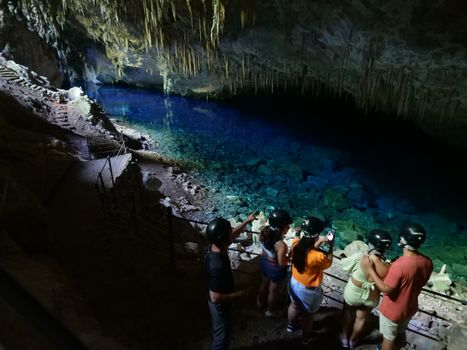
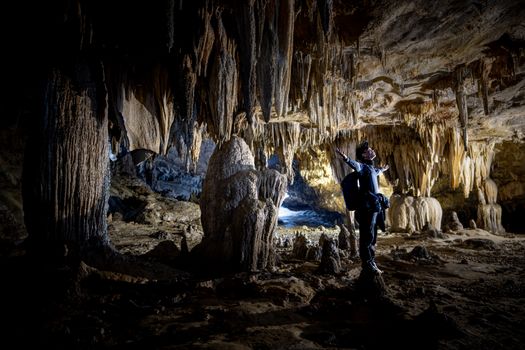
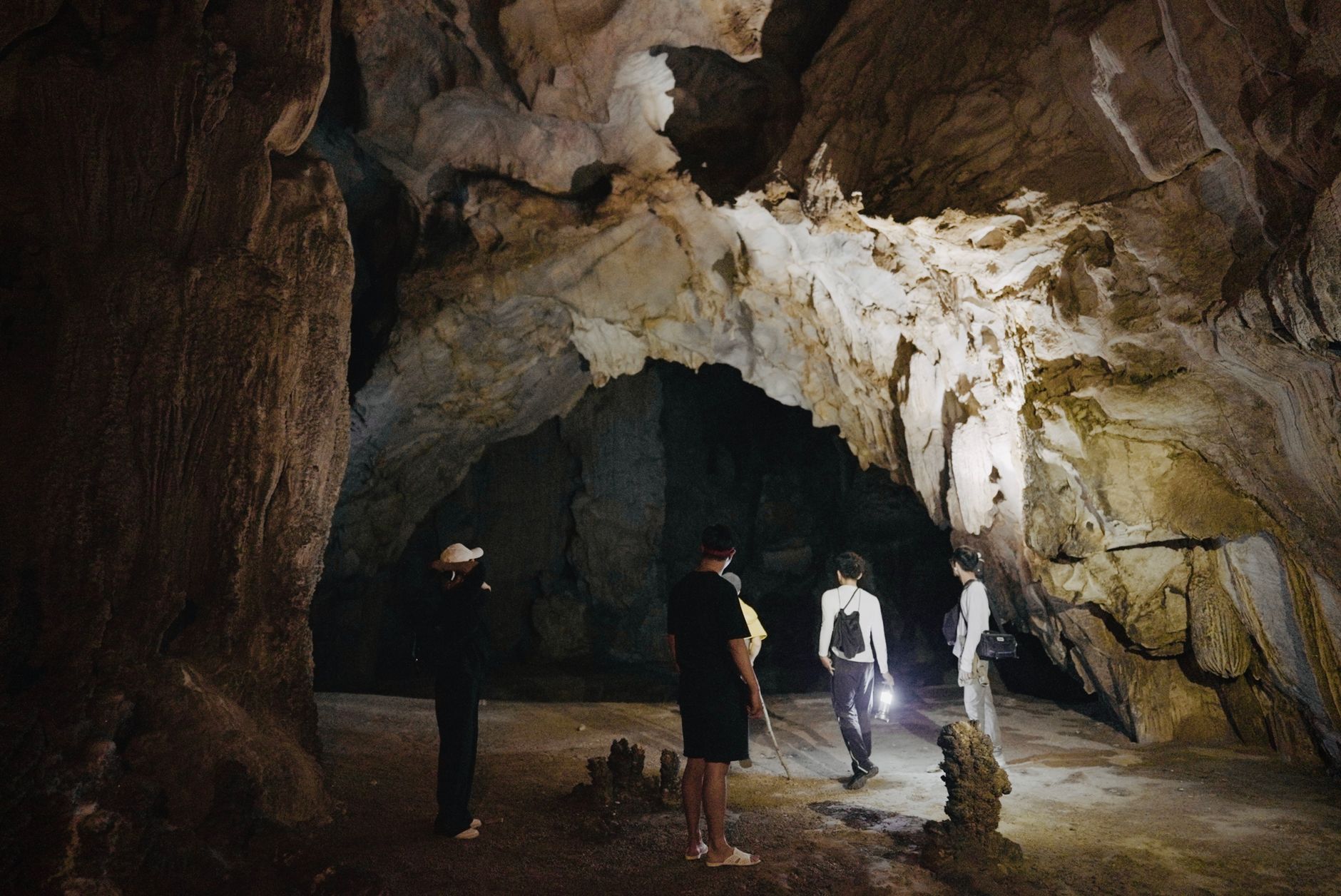
Imagine this: You’re standing at the mouth of a colossal cavern, the cool, damp air washing over you. Instead of being ushered forward with a group of 30, you take a deep breath, adjust your headlamp, and step into the dim light at your own rhythm. This, my friends, is the magic of self-guided cave exploration.
Here's why it's a game-changer:
- Pace Yourself: Want to linger for 20 minutes staring at a particularly stunning stalactite? Go for it. Need a moment to simply sit in the profound silence and let the ancient energy wash over you? No one's rushing you. This freedom allows for genuine contemplation and appreciation.
- Deeper Immersion: Without the constant chatter of a guide or a large group, your senses sharpen. You hear the drip of water, feel the subtle shifts in temperature, and smell the earthy minerals. It’s a truly immersive, almost meditative experience.
- Personal Connection: These are more than just geological formations; they're living, breathing ecosystems. Exploring on your own allows for a personal, almost spiritual, connection to these ancient wonders. It's a dialogue between you and the Earth, uninterrupted.
- Photography Heaven: No more jostling for a good shot! You have the time and space to set up your tripod (where allowed), experiment with lighting, and capture those truly Instagram-worthy moments without feeling rushed.
- Introspection: The quiet solitude of a cave can be incredibly powerful. It's a perfect environment for reflection, for putting life into perspective, and for feeling truly present.
Now, before you grab your hard hat and go spelunking into the nearest unmapped hole, let's be clear: I'm talking about developed tourist caves that offer designated self-guided routes. These paths are well-maintained, usually lit, and designed for safe, independent exploration. Safety first, always!
Carlsbad Caverns, New Mexico, USA: A Grand Scale Awakening
My first truly transformative self-guided cave experience happened deep within the Chihuahuan Desert, at Carlsbad Caverns National Park. I’d seen pictures, read descriptions, but nothing, nothing, prepares you for the sheer, breathtaking scale of this place.
I chose to descend via the Natural Entrance Trail, a winding, paved path that plunges nearly 750 feet into the Earth. As I walked, the sunlight faded, giving way to the soft glow of the cave's artificial lighting. The air grew cooler, heavier with the scent of damp earth and minerals. The sound of my own footsteps echoed, then was swallowed by the immense space.
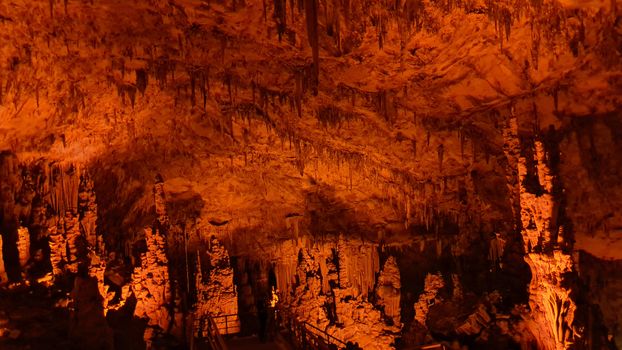
The "aha!" moment hit me when I finally entered the Big Room. It’s aptly named – an enormous chamber, nearly 4,000 feet long, 625 feet wide, and 255 feet high at its tallest point. I remember stopping dead in my tracks, my jaw literally agape. Stalagmites rose like ancient cathedrals, stalactites hung like colossal icicles, and formations twisted into impossible shapes. I felt utterly minuscule, yet profoundly connected to something ancient and vast.
I spent nearly three hours wandering the 1.25-mile paved loop of the Big Room. I sat on a bench in the "Lunchroom" area (a relic from a bygone era, now just a rest stop) and simply listened. The only sound was the occasional drip of water, a symphony of geologic time. It was here, in that profound silence, that I truly understood the power of self-guided exploration. No guide could have conveyed the feeling of being swallowed by Earth's grandeur quite like experiencing it alone.
Practical Details for Your Carlsbad Adventure:
- Location: Southeastern New Mexico, near the city of Carlsbad.
- Access: You can either hike down the Natural Entrance Trail or take an elevator directly to the Big Room. I highly recommend the Natural Entrance for the full experience.
- Time: Allow a minimum of 2-3 hours for the Natural Entrance and Big Room trails. You could easily spend half a day here.
- Cost: Entrance fee is typically around $15-20 per person (check NPS website for current rates).
- Best Time to Visit: Spring and Fall offer pleasant surface temperatures. The cave maintains a cool 56°F (13°C) year-round. Summer evenings also feature the incredible bat flight exodus!
- Tripsora Tip: Wear sturdy, comfortable walking shoes with good grip. Bring layers, as it gets chilly. A small backpack with water and a snack is a good idea. Even though the cave is well-lit, a small flashlight or headlamp can help you spot intricate details.
Luray Caverns, Virginia, USA: The Underground Cathedral of Sound
From the raw grandeur of Carlsbad, I ventured to the more refined, almost elegant beauty of Luray Caverns in Virginia's Shenandoah Valley. This cave system felt like a meticulously sculpted underground palace, a stark contrast to Carlsbad's wild expansiveness, yet equally mesmerizing.
Luray is entirely self-guided, with wide, paved walkways that wind through a series of stunning chambers. My first impression was one of overwhelming beauty. Formations here are often delicate and intricate, bathed in a warm, artistic lighting scheme. I remember being particularly captivated by Dream Lake, a shallow pool that creates a perfect, mirror-like reflection of the stalactites above, making it seem as if you're walking between two identical worlds. It’s an optical illusion that genuinely makes you gasp.
But the real showstopper, and something I never expected, was the Great Stalacpipe Organ. This isn't your average pipe organ. It's an instrument that uses rubber-tipped mallets to gently tap different stalactites, producing resonant, ethereal tones that echo through the cavern. While it's a bit touristy, hearing "A Mighty Fortress Is Our God" played by the cave itself was a genuinely surreal and moving experience. I found myself lingering, listening to the ancient rocks sing.
Walking through chambers like Titania's Veil and the Giant's Hall, I was struck by the sheer variety of formations: flowstone resembling frozen waterfalls, translucent draperies, and massive columns that looked like they were holding up the very earth. The ease of navigation allowed me to simply absorb the beauty, taking photos, and letting my imagination run wild.
Practical Details for Your Luray Adventure:
- Location: Luray, Virginia, in the Shenandoah Valley, a popular stop along scenic drives.
- Access: Entry is via a single, well-marked entrance. The entire tour is self-guided on paved paths.
- Time: Allow 1-2 hours for the main cavern tour.
- Cost: Entrance fees are typically around $30-35 for adults (check website for current rates).
- Best Time to Visit: Open year-round. Weekdays are generally less crowded.
- Tripsora Tip: Luray is very accessible, even for strollers and wheelchairs in many areas. The cave maintains a constant 54°F (12°C), so a light jacket is advisable. Don't forget to visit the Car & Carriage Caravan Museum and the Luray Valley Museum, included with your ticket!
Ruakuri Cave, Waitomo, New Zealand: A Spiritual Descent into Māori Lore
My journey to the other side of the world brought me to New Zealand's North Island, and to a cave that offered not just geological wonders, but a deep dive into Māori cultural heritage: Ruakuri Cave in Waitomo. While the famous Waitomo Glowworm Caves are primarily boat tours, Ruakuri offers a truly unique self-guided experience with a rich audio commentary.
From the moment I stepped onto the spectacular spiral entrance ramp, descending gracefully into the Earth, I knew this would be different. The engineering marvel of the entrance itself is a sight to behold, creating a sense of anticipation as you twist deeper underground. The audio guide, narrated with reverence and storytelling, brought the cave to life, weaving together scientific facts with ancient Māori legends.
What struck me most about Ruakuri was the dynamic interplay of water and rock, and the subtle magic of its inhabitants. I saw delicate white formations, subterranean waterfalls cascading into unseen pools, and, yes, even some of the famous glowworms – though not in the same abundance as the main Glowworm Cave, they were enchanting in their own right, tiny constellations in the darkness.
But it was the cultural aspect that truly resonated. The audio guide spoke of the cave as a sacred place, a spiritual connection to the ancestors, and the sound of the underground river was described as the voice of the gods. Taking my time, pausing at each designated stop to listen to the stories, allowed me to feel that connection deeply. It was a humbling reminder that nature and culture are often inextricably linked.
Practical Details for Your Ruakuri Adventure:
- Location: Waitomo Caves area, North Island, New Zealand.
- Access: Self-guided with an excellent audio tour provided upon entry. The paths are well-maintained and accessible.
- Time: Allow 1.5 - 2 hours for the full experience.
- Cost: Part of the Waitomo Caves complex. Tickets for Ruakuri are typically around NZD $70 for adults, often available in combo packages with the Waitomo Glowworm Caves or Aranui Cave (check website for current rates and combo deals).
- Best Time to Visit: Open year-round. Booking in advance, especially during peak season (summer), is highly recommended.
- Tripsora Tip: Wear sturdy shoes and layers, as the cave is cool and damp. Photography is allowed (without flash, to protect the glowworms), so bring your camera. The spiral entrance is incredibly Instagrammable!
Essential Gear & Safety for Your Subterranean Journey
Embarking on a self-guided cave adventure is incredibly rewarding, but it requires preparation. Even in developed tourist caves, you're entering a wild, natural environment.
- Footwear is King: This is non-negotiable. Wear sturdy, closed-toe shoes with excellent grip. Trails can be wet, slippery, and uneven. Leave the sandals at home!
- Dress in Layers: Caves maintain a constant, cool temperature (usually 50-60°F / 10-15°C) regardless of the outside weather. Even if it's scorching hot above ground, you'll want a jacket or sweater.
- Bring Water: While some caves have facilities, it's always wise to carry your own water bottle.
- Headlamp/Flashlight: Most self-guided caves are well-lit, but a personal light source is invaluable. It helps you spot intricate details, navigate dimly lit corners, and serves as a crucial backup in case of a power outage.
- Camera Gear: Caves are low-light environments. If you're serious about photography, consider a camera with good low-light performance and possibly a small tripod (check cave rules first). No flash on glowworms, ever!
- Respect the Environment: Do NOT touch formations. The oils from your skin can damage them and stop their growth. Stay on marked paths to protect delicate ecosystems and for your own safety.
- Inform Someone: Even if you're just going to a popular tourist cave, let someone know your plans and estimated return time.
- Check Ahead: Always check the official website for opening hours, current conditions, any closures, and specific rules (e.g., backpack size restrictions, photography policies).
Beyond the Big Names: Finding Your Own Hidden Gems
While Carlsbad, Luray, and Ruakuri are incredible starting points, the world is full of other amazing self-guided cave experiences. Places like Jenolan Caves in Australia (with self-guided audio tours in some sections like Lucas Cave) or Hato Caves in Curaçao offer similar freedom and wonder.
The key is doing your research. Look for national parks, state parks, or privately run attractions that specifically advertise "self-guided tours" or "walking trails." Don't be afraid to dig a little deeper than the main tourist brochures. Sometimes the most profound experiences are found just off the well-trodden path.
The thrill of discovering a new subterranean world, of stepping into the quiet grandeur of Earth's ancient heart at your own pace, is unlike any other travel experience. It’s a journey that challenges your perceptions, humbles your spirit, and leaves you with an indelible sense of wonder. These caves didn't just change my travel style; they changed how I see the world, and my place within it.
Ready to Descend?
So, are you ready to trade the surface world for a profound journey into the depths? To feel the cool breath of ancient stone and witness the artistry of millennia? Trust me, these self-guided subterranean wonders are more than just tourist attractions – they're portals to introspection, awe, and a deeper connection with our incredible planet.
Which subterranean wonder will you explore next? Have you had a life-changing self-guided cave experience? Share your favorite spots and tips in the comments below! Don't forget to tag #TripsoraCaves on your Instagram adventures – we can't wait to see your incredible journey!
---