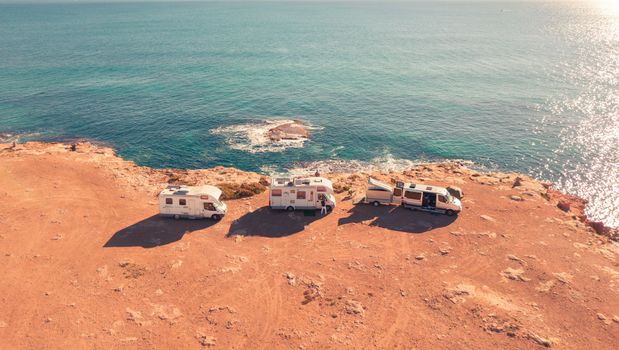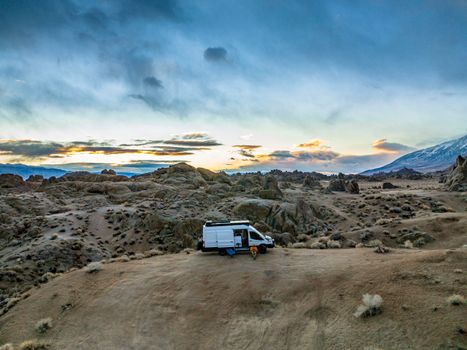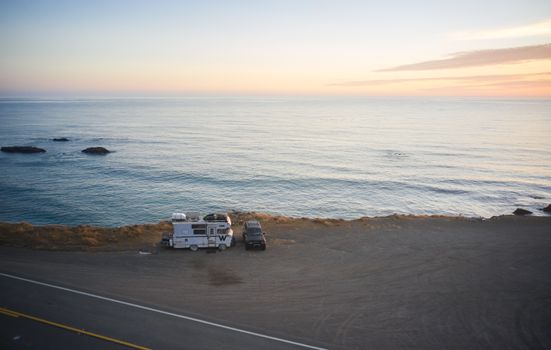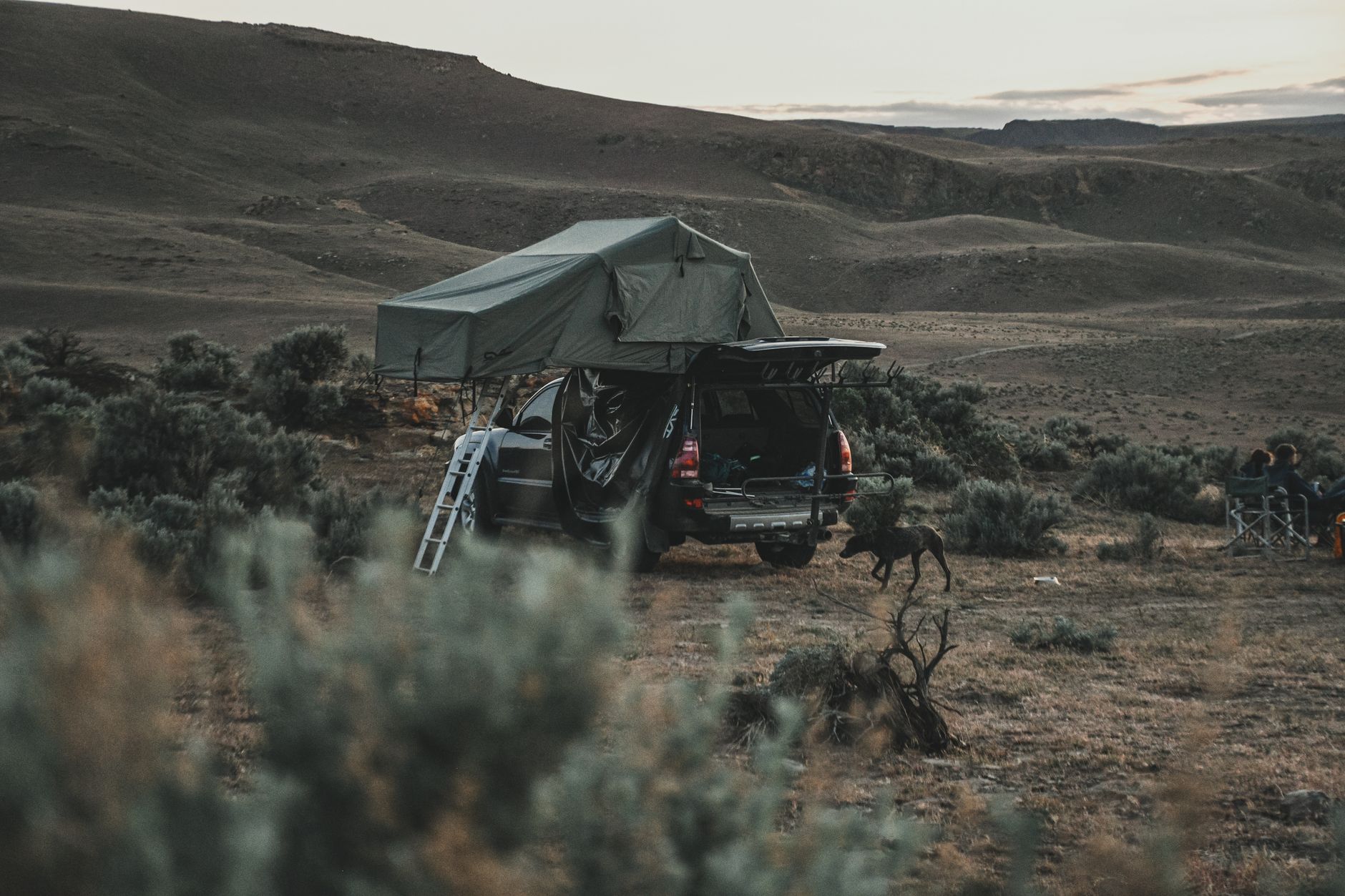
The crisp morning air kissed my face as I unzipped my tent. Above me, a sky so vast and littered with stars it felt like I could reach out and pluck them. Below, a canyon painted in fiery reds and oranges stretched out to the horizon, silent save for the distant call of a hawk. My morning coffee had never tasted so good, nor had a view ever felt so utterly earned. And the best part? It cost me absolutely nothing.
This wasn't some exclusive glamping retreat or a pricey resort. This was a free camping spot, tucked away on a forgotten dirt road in the American Southwest, a secret I’d stumbled upon after years of chasing the thrill of the open road on a shoestring budget. If you've ever scrolled through Instagram, drooling over epic campsites, then immediately dismissed them as "too expensive" or "too complicated," then my friend, you're about to have your mind blown.
Welcome to the world of free camping – a universe where jaw-dropping scenery, profound solitude, and incredible adventure don't come with a price tag. At Tripsora, we're all about empowering you to travel smarter, deeper, and more authentically. And trust me, nothing screams authenticity like waking up in a spot so wild and untouched, it feels like you're the first human to ever witness its sunrise.
This isn't just about saving money (though that's a huge perk!). It's about freedom, connection, and discovering places you never knew existed. It's about the quiet hum of nature, the challenge of self-reliance, and the unforgettable stories you'll bring home. Ready to ditch the crowded campgrounds and embrace true wilderness luxury? Let's dive in.
---
The Call of the Wild: Why Free Camping Will Change Your Life
Before we get into the nitty-gritty of how to find these magical spots, let's talk about why you need to experience free camping. For years, my travel budget was stretched thin, forcing me to choose between seeing more places and experiencing them deeply. Then I discovered dispersed camping, boondocking, or primitive camping – whatever you want to call it, it's essentially camping outside of designated campgrounds, often on public lands, and without any facilities.
My first free camping experience was purely out of necessity. My partner and I were on a cross-country road trip, running low on funds, and desperately needed a place to crash near Moab, Utah. Instead of a crowded, expensive campground, we found ourselves on a BLM (Bureau of Land Management) road, surrounded by towering red rock formations. That night, under a sky so thick with stars it felt like velvet, I realized this wasn't just a budget hack; it was the way to travel.
Here's why free camping isn't just a trend, it's a lifestyle:
- Unbeatable Scenery: Forget manicured lawns and concrete pads. Free camping often puts you right in the heart of the most stunning landscapes – think desert vistas, alpine meadows, pristine coastlines, and ancient forests.
- Profound Solitude: Crave peace and quiet? Free camping delivers. You'll often be miles from the nearest soul, allowing for true introspection and connection with nature.
- Total Freedom & Flexibility: No reservations, no check-in times, no noisy neighbors (usually!). Set up camp when and where you find a legal spot, and stay as long as regulations allow (often 14 days).
- Budget-Friendly Adventures: This is a big one. Imagine saving $20-$50 a night on accommodation. Over a week, that's hundreds of dollars you can put towards experiences, fuel, or that extra delicious craft beer.
- Skill Building: You'll learn to be more self-reliant, practice Leave No Trace principles, and become a more resourceful traveler.
---
Decoding the "How": Your Guide to Finding Free Campsites
So, where exactly are these elusive, incredible free camping spots? The vast majority are found on public lands in the United States, primarily managed by the Bureau of Land Management (BLM) and the U.S. Forest Service (National Forests).
1. Bureau of Land Management (BLM) Land: The Desert Dream
The BLM manages over 245 million acres of public land, mostly in the western United states. These lands are often vast, arid, and incredibly beautiful – perfect for dispersed camping. Think Utah, Arizona, Nevada, California, Oregon, Idaho, Wyoming, Colorado, and New Mexico.
- How to find it: Look for large swaths of yellow on maps (like Google Maps satellite view or dedicated camping apps). BLM land is generally open to dispersed camping unless otherwise marked (e.g., "No Camping" signs, designated wilderness areas, or within developed recreation sites).
- Rules of Thumb: Stay on established roads, camp at least 200 feet from water sources, and pack out everything you pack in. Most BLM land has a 14-day stay limit within a 28-day period.
Anecdote: My most memorable BLM experience was near Capitol Reef National Park in Utah. After a long day of hiking, we drove down a gravel road, found a flat spot overlooking the entire valley, and watched the sunset paint the distant Henry Mountains in hues of purple and gold. The silence was absolute, broken only by the crackle of our small, contained campfire. It felt like we had the whole world to ourselves.
2. National Forests: Lush & Lofty Sanctuaries
The U.S. Forest Service manages over 193 million acres, often characterized by forests, mountains, and lakes. Dispersed camping is widely permitted in most National Forests, usually along Forest Service roads.
- How to find it: Use maps (digital or paper) to identify National Forest boundaries. Look for "Forest Service Roads" (often marked with an "FS" and a number). Many of these roads have pull-offs or small clearings perfect for a tent or RV.
- Rules of Thumb: Similar to BLM, camp at least 100-200 feet from water sources and roads. Check for fire restrictions, especially in dry seasons. Again, 14-day stay limits are common. Always look for signage – some areas might be closed to camping or have specific regulations.
Anecdote: Deep in the Gifford Pinchot National Forest in Washington State, we once found an incredible spot right next to a rushing glacial river. The air was cool and smelled of pine, and the sound of the water lulled us to sleep. The next morning, we hiked to a nearby waterfall, feeling completely refreshed and invigorated. It was a world away from the crowded campgrounds we usually encountered near popular hiking trails.
3. Other Public Lands & Hidden Gems:
- Wildlife Management Areas (WMAs): Some states allow camping in WMAs, but regulations vary wildly. Always check the specific state's WMA rules before heading out.
- State Forests & Parks: A few state parks or forests offer primitive, free camping, but this is less common than on federal lands. Research thoroughly!
- Travel Centers/Retailers (Last Resort): While not "incredible locations," places like Walmart, Cracker Barrel, and truck stops sometimes allow overnight parking for self-contained RVs. This is more for a quick overnight rest than a true camping experience. Always ask permission first.
Your Essential Tools for Finding Spots:
Forget aimlessly driving around! Technology is your best friend here.
- iOverlander: This is my holy grail. A crowd-sourced app and website with user-submitted spots (free and paid), including photos, reviews, and detailed directions. Filter by "wild camping" or "dispersed."
- Campendium: Another fantastic resource for both free and paid sites, particularly good for RVers. Excellent filtering options.
- FreeRoam: Similar to iOverlander, focusing specifically on free camping on public lands. Great for visualizing BLM/National Forest boundaries.
- Gaia GPS / Avenza Maps: Downloadable offline maps are crucial where cell service is nonexistent. These apps allow you to see public land boundaries, forest service roads, and topographical features.
- Google Maps (Satellite View): Before you go, scout potential spots by looking for pull-offs, clearings, and access roads on satellite imagery.
- Local Ranger Stations: Don't underestimate the power of local knowledge! Call or visit a BLM or Forest Service ranger station for the area you're interested in. They can provide maps, current conditions, fire restrictions, and insider tips on great spots.
---
My Top Free Camping Regions (with a taste of what to expect!)
While specific spots can change, these regions consistently offer incredible free camping opportunities. Remember to always do your research for current conditions and regulations.
1. The American Southwest (Utah, Arizona, New Mexico, Southern Nevada)
* Vibe: Red rock canyons, vast deserts, ancient ruins, unparalleled stargazing.
* Why it's amazing: Massive tracts of BLM land surrounding National Parks (like Zion, Bryce, Grand Canyon, Arches, Canyonlands). You can often camp right outside park boundaries with epic views.
* My Experience: Waking up near Valley of the Gods in Utah, the morning sun painting the Moki Dugway in gold, felt like being on another planet. We spent days exploring dirt roads, finding isolated spots, and barely seeing another soul. The silence was profound.
2. The Pacific Northwest (Oregon, Washington, Idaho)
* Vibe: Lush evergreen forests, volcanic peaks, wild coastlines (less common for free camping but some gems exist), pristine lakes.
* Why it's amazing: Abundant National Forests (Mt. Hood, Deschutes, Gifford Pinchot, Okanogan-Wenatchee) offer countless dispersed camping options along forest service roads.
* My Experience: A hidden pull-off in the Deschutes National Forest near Bend, Oregon, became our basecamp for exploring the area's incredible mountain biking trails. We had a view of the Three Sisters peaks from our tent and spent evenings listening to the hoot of owls.
3. The Rockies (Colorado, Wyoming, Montana)
* Vibe: Soaring mountains, alpine lakes, high-altitude meadows, wildlife galore (elk, deer, moose!).
* Why it's amazing: Countless National Forests and some BLM land provide access to breathtaking mountainscapes. Think Pike-San Isabel, White River, Shoshone, Custer Gallatin National Forests.
* My Experience: One crisp autumn morning in the Shoshone National Forest, just outside Yellowstone, I woke up to frost on my tent and a herd of elk grazing peacefully in the meadow below. The air was thin and exhilarating, and the golden aspens shimmered against the deep blue sky. It was a moment of pure, wild magic.
4. California (Eastern Sierras, Deserts)
* Vibe: Dramatic mountain ranges, high desert beauty, ancient bristlecone pines.
* Why it's amazing: The Eastern Sierras (Inyo National Forest) offer incredible dispersed camping with views of towering peaks. The vast deserts (Mojave National Preserve, Anza-Borrego Desert State Park – check specific rules for camping) also have opportunities.
* My Experience: Camping in the Alabama Hills, with the jagged peaks of the Sierra Nevada as our backdrop, felt like being in a movie. The unique rock formations and the distant snow-capped mountains made for an unforgettable setting for stargazing and photography.
5. Florida (Panhandle & Interior)
* Vibe: Unique coastal ecosystems, pine forests, cypress swamps, white sand beaches (less common for free camping).
* Why it's amazing: While much of Florida is private, the Panhandle and interior have National Forests (Apalachicola, Ocala, Osceola) and some Wildlife Management Areas that permit dispersed camping.
* My Experience: We spent a few nights in the Apalachicola National Forest, discovering hidden springs and kayaking through cypress tunnels. It was a completely different kind of wild – humid, vibrant, and teeming with life – a stark contrast to the western deserts, but equally captivating.
---
The Golden Rules: Leave No Trace & Staying Safe
Free camping is a privilege, not a right. To ensure these incredible spots remain open and beautiful for future generations (and for you!), it's crucial to practice Leave No Trace (LNT) principles.
- Plan Ahead and Prepare: Know the regulations for the area, check weather forecasts, and pack appropriate gear.
- Travel and Camp on Durable Surfaces: Stick to existing roads and established campsites. Avoid creating new tracks or trampling vegetation.
- Dispose of Waste Properly: Pack out everything you pack in – including food scraps, toilet paper, and human waste. For solid waste, dig a cathole 6-8 inches deep and at least 200 feet from water, trails, and camp. Or, even better, use a wag bag system.
- Leave What You Find: Don't take souvenirs. Leave rocks, plants, and historical artifacts as you found them.
- Minimize Campfire Impacts: Use established fire rings or a fire pan. Keep fires small, attend them at all times, and ensure they are dead out (cold to the touch) before leaving. Better yet, consider a portable stove or just enjoy the stars. Always check for fire restrictions!
- Respect Wildlife: Observe from a distance. Never feed animals. Store food securely.
- Be Considerate of Other Visitors: Camp away from others, keep noise levels down, and yield to hikers and equestrians on trails.
Staying Safe in the Wild:
- Tell Someone Your Plans: Always let a friend or family member know where you're going and when you expect to return.
- Water is Life: Carry more water than you think you'll need, or have a reliable filtration system.
- First Aid Kit: A well-stocked kit is non-negotiable.
- Navigation: Don't rely solely on your phone. Bring a physical map and compass, and know how to use them.
- Vehicle Readiness: If you're driving to remote spots, ensure your vehicle is in good condition, and consider carrying a spare tire, jumper cables, and basic tools.
- Weather Awareness: Mountain weather can change rapidly. Be prepared for sudden shifts in temperature, rain, or snow.
- Wildlife Encounters: Know what to do if you encounter bears, mountain lions, or other potentially dangerous animals in your area.
---
Gear Up for Adventure: Your Free Camping Essentials
While you don't need a fortune to free camp, having the right gear makes a world of difference for comfort and safety.
- Shelter: A sturdy tent, a comfortable sleeping bag rated for the expected temperatures, and a good sleeping pad. If you're in an RV or van, ensure it's self-contained.
- Water System: Large water jugs, a reliable water filter (like Sawyer Squeeze or Platypus Gravity Filter), or purification tablets.
- Cooking: A portable camp stove (Jetboil, MSR PocketRocket), fuel, a pot/pan, and basic utensils.
- Power: Solar panels, a portable power station (Jackery, Goal Zero), or a robust battery bank for charging devices.
- Lighting: Headlamps (essential!), lanterns for camp, and extra batteries.
- Waste Management: Trash bags, a small shovel for catholes, and if you're RVing or van-camping, a portable toilet or wag bags.
- Navigation: Offline maps (Gaia GPS, Avenza), a physical map, and a compass.
- Safety: First aid kit, whistle, bear spray (if in bear country), multi-tool, knife.
- Comfort: Camp chairs, a small table, bug spray, sunscreen, warm layers, and a good book.
Pro Tip: Invest in quality gear over time. You don't need everything at once, but reliable equipment will enhance your experience and last longer.
---
Beyond the Tent: The Unforgettable Experiences of Free Camping
Free camping isn't just about where you sleep; it's about what you do and feel when you're there. Without the distractions of crowds or constant connectivity, you're free to truly immerse yourself.
- Stargazing: Away from light pollution, the night sky comes alive. I've spent hours just lying on a blanket, identifying constellations and watching for shooting stars. It's a humbling, awe-inspiring experience.
- Photography: The dramatic landscapes, unique flora and fauna, and incredible sunrises/sunsets offer endless opportunities for stunning photos. Imagine your Instagram feed filled with these authentic, untouched vistas!
- Hiking & Exploration: Your campsite often serves as a trailhead to hidden gems. Lace up your boots and explore!
- Wildlife Watching: Without human disturbance, animals are more likely to appear. I've seen everything from coyotes and elk to rare birds and even a bobcat while free camping.
- Digital Detox: Embrace the silence. Read a book, journal, meditate, or simply sit and listen to the wind. It's a powerful way to recharge and reconnect with yourself.
- Campfire Stories & Meals: If fire restrictions allow, a small campfire is perfect for cooking simple meals and sharing stories under the stars.
---
Your Adventure Awaits!
Free camping isn't just a way to save money; it's a gateway to some of the most profound, authentic, and unforgettable travel experiences you'll ever have. It challenges you, connects you to nature, and reminds you of the incredible beauty our world holds, often in its most untouched corners.
My journey into free camping transformed how I travel, allowing me to explore more, worry less about my budget, and discover a deeper appreciation for the wild places. It's an adventure that blows your mind, not your wallet.
So, what are you waiting for? Grab your gear, download those apps, and start researching. The open road and an incredible, free campsite are calling your name.
Have you discovered an epic free camping spot? Or are you planning your first dispersed camping trip? Share your stories, questions, and tips in the comments below! Let's inspire each other to explore more, spend less, and leave no trace!
---