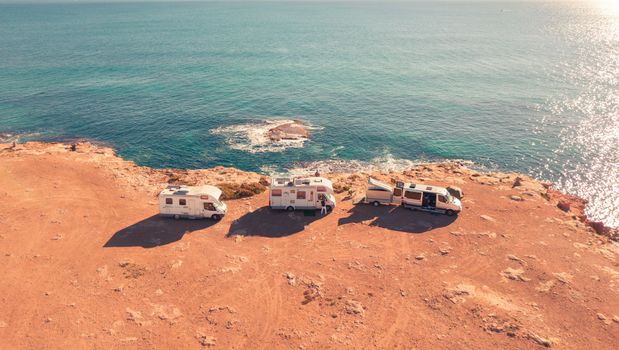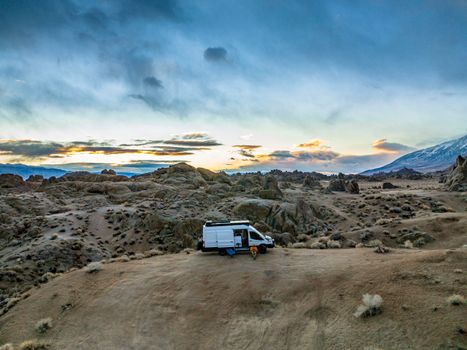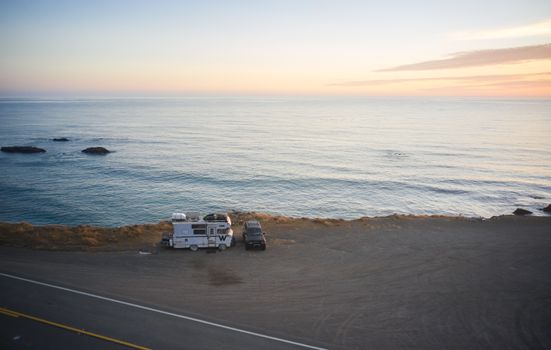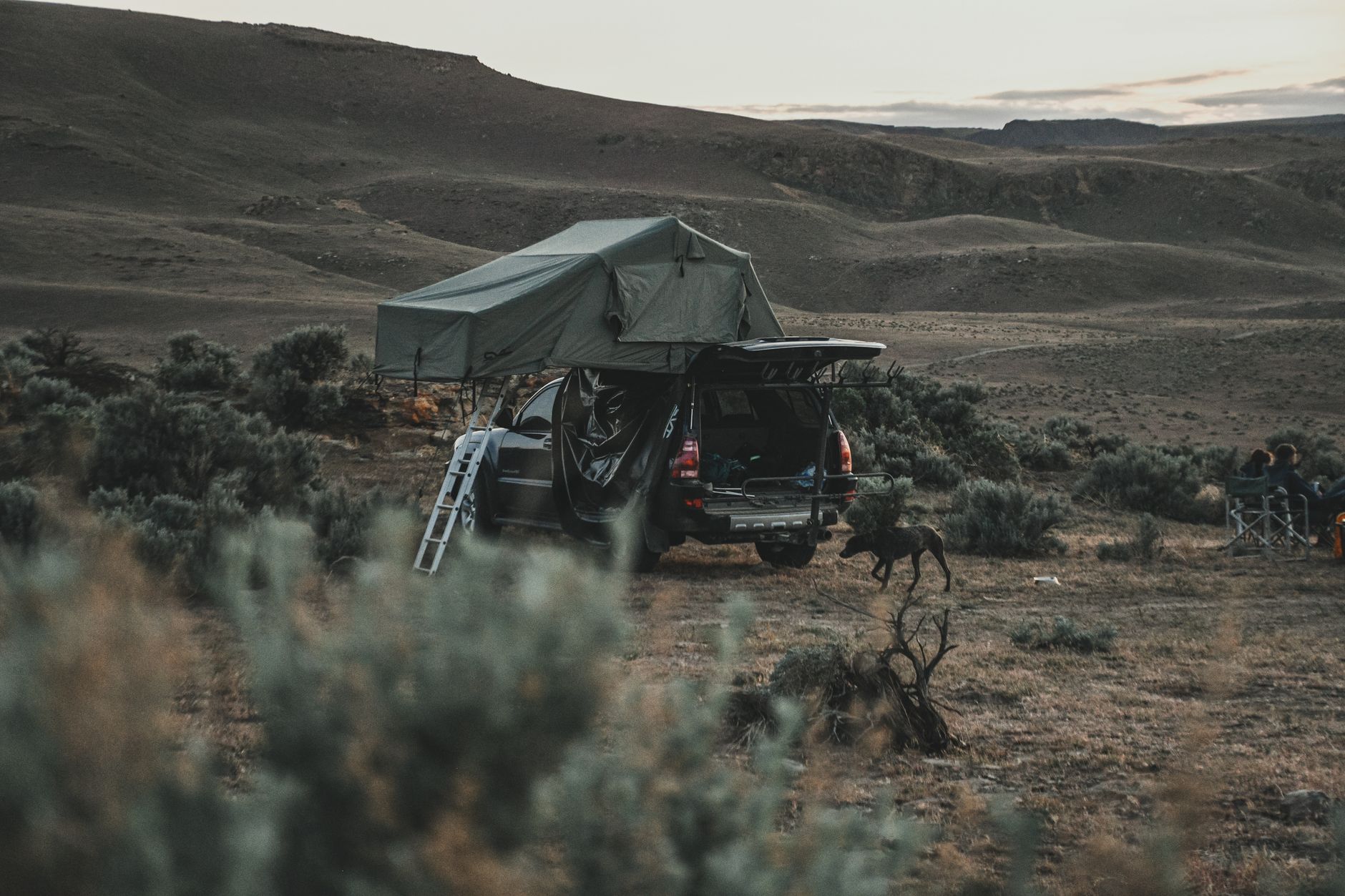
The crisp morning air nipped at my nose as I unzipped my tent, the first rays of dawn painting the distant peaks in hues of gold and rose. Below me, a vast, untouched canyon stretched out, silent save for the call of an unseen hawk. My coffee brewed on a small stove, the only sound accompanying the spectacular sunrise. There wasn't another soul for miles, no RV parks, no noisy neighbors, just raw, untamed wilderness. And the best part? It cost me absolutely nothing.
This wasn't a fluke. This was the magic of free camping, a world of incredible, often breathtaking, locations that most travelers – and frankly, many locals – prefer to keep under wraps. For years, I chased the "perfect shot" and the "ultimate experience," often paying a premium for it. But then I stumbled upon the art of dispersed camping, and my entire travel philosophy shifted. Suddenly, the most stunning vistas, the most profound solitude, and the deepest connection to nature became accessible, not through my wallet, but through a bit of research, respect, and a spirit of adventure.
This isn't about giving away anyone's literal backyard secret (we're all about responsible travel here!), but about empowering you to discover your own incredible, free havens. These are the kinds of spots that make you feel like you’ve unearthed a hidden treasure, places where the only price of admission is a willingness to explore and a commitment to leave no trace.
Why Free Camping? Beyond Just Saving a Buck
Let's be honest, saving money is a huge draw. In an era of ever-increasing travel costs, free accommodation is a game-changer. But the allure of free camping, or "dispersed camping" as it’s often called, goes far beyond your bank account.
For me, it’s about authenticity. It’s about escaping the manicured lawns and concrete pads of commercial campgrounds. It’s about finding true solitude, the kind where the only sounds are the wind through the trees or the distant hoot of an owl. It’s about waking up to a panoramic view that would cost hundreds a night in a hotel. It’s about the challenge and the reward of self-sufficiency, of making your temporary home in a wild, untamed place.
My first real taste of this was years ago, after a particularly frustrating attempt to find a last-minute spot in a packed national park campground. Everything was full, overpriced, or both. A grizzled local at a gas station, noticing my forlorn expression and overstuffed car, simply pointed to a vague spot on a map and muttered, "Head up that dirt road. Go until it feels right. No services, but nobody bothers ya." That night, I found myself perched on a bluff overlooking a vast, star-dusted valley. The silence was profound, the stars brighter than I'd ever seen them. It was then I realized: the best spots aren't always in the guidebooks; they're often just off the beaten path, waiting to be discovered.
The Art of the Hunt: How to Find Your Own Hidden Havens
So, how do you find these elusive, incredible free spots? It’s a mix of digital savvy, old-school map reading, and a willingness to explore.
- Understand the Land: Most free camping in the U.S. happens on public lands – primarily Bureau of Land Management (BLM) land and National Forests. These lands are managed for multiple uses, and dispersed camping is generally permitted unless otherwise specified. State lands, like Wildlife Management Areas (WMAs), can also offer free camping, but rules vary wildly by state and even by specific area, so always check local regulations.
- Mapping Apps are Your Best Friend:
- iOverlander: This app is a goldmine. It's user-generated, so you'll find reviews, photos, and GPS coordinates for everything from established campgrounds to primitive dispersed sites, water sources, and even mechanics. It’s invaluable for finding spots other travelers have enjoyed.
- Gaia GPS / OnX Offroad: These are premium apps, but worth every penny if you’re serious about off-grid travel. They offer detailed topographical maps, satellite imagery, and overlays showing public vs. private land boundaries. This is crucial for ensuring you're not trespassing. You can download maps for offline use, which is essential when you're deep in the wilderness with no signal.
- Google Maps (with Satellite View): A simple but effective tool. Look for dirt roads branching off main highways, especially those leading into large swaths of green (forests) or tan (BLM land). Switch to satellite view to scout for potential pull-offs, clearings, or flat areas suitable for a tent or vehicle.
- Local Knowledge & Ranger Stations: Don't underestimate the power of asking. Park rangers, forest service employees, and even locals at small-town diners can often point you in the right direction. Just remember to be respectful and discreet – you’re asking for a privilege, not a right. Frame your questions like, "Are there any good spots for primitive camping in the area?" or "I'm looking for somewhere quiet to pitch a tent, do you know if dispersed camping is allowed on [specific forest road]?"
Unveiling the Magic: My Favorite Types of Free Camping Experiences
While I can't give you exact GPS coordinates to my secret spots (that would defeat the purpose of "locals don't want tourists to know," wouldn't it?), I can describe the types of incredible locations you can find and what makes them so special. Think of these as archetypes – inspiration for your own discoveries.
1. The Alpine Lake Overlook: Whispering Pines & Starry Nights
Imagine this: You’ve navigated a winding, unpaved forest service road, gaining elevation steadily. Just as you think you’ve gone too far, the trees thin, and you emerge onto a small, flat ridge. Below you, a pristine alpine lake shimmers, reflecting the towering peaks that cradle it. This is the Whispering Pines Overlook type of spot.
I found one such gem in a National Forest bordering a famous national park. Instead of paying $30 a night for a crowded spot inside the park, I drove an extra 45 minutes, relying on my Gaia GPS to identify public land. The reward? A panoramic view of the park's iconic mountains, an unobstructed view of the Milky Way, and the only sounds were the gentle rustle of the pines and the occasional hoot of an owl. Mornings were spent watching deer graze in the distance, and evenings were pure, unadulterated stargazing. These spots are often accessible by 4WD vehicles or require a short hike in, adding to their secluded charm.
- Vibe: Serene, majestic, soul-stirring.
- Best For: Backpackers, SUV/van campers, stargazers, photographers.
- How to Find Similar: Look for forest service roads marked on National Forest maps leading to higher elevations or near bodies of water (check for "no camping within X feet of water" rules).
2. Canyon Rim Serenity: Red Rock Wonders
The American Southwest is a treasure trove of dispersed camping opportunities, especially on BLM land. Picture yourself on the edge of a vast canyon, sculpted by millennia of wind and water, its walls glowing in the setting sun. This is the Canyon Rim Serenity experience.
My most memorable instance was near a popular national monument in Utah. Instead of paying for a spot in a dusty, crowded campground, I consulted iOverlander and found a recommendation for a dirt road heading into a less-traveled section of BLM land. After a few miles, I spotted a discreet pull-off, barely visible from the main track. It led to a small, flat area right on the canyon rim. The silence was absolute, broken only by the chirping of crickets. I spent three days there, hiking the washes below, watching condors circle overhead, and enjoying sunsets that felt like personal masterpieces. The sheer scale of the landscape was humbling, and the feeling of having it all to myself was priceless.
- Vibe: Expansive, awe-inspiring, adventurous.
- Best For: Van lifers, truck campers, tent campers comfortable with primitive conditions, hikers, desert lovers.
- How to Find Similar: Search BLM land around national parks/monuments in the Southwest. Look for "dispersed camping" areas on BLM websites or use mapping apps to identify public land boundaries.
3. Coastal Fog's Embrace: Pacific Northwest Wilds
Not all free camping is in the desert or mountains. Along the rugged coastlines, particularly in the Pacific Northwest, you can find incredible free spots that offer a completely different kind of magic. Imagine waking up to the sound of crashing waves, surrounded by ancient, moss-draped trees, with the scent of salt and damp earth in the air. This is the Coastal Fog's Embrace.
I once found a spot like this on a lesser-known section of public land in Washington State. It wasn't a designated campground, but simply a wide pull-off on a gravel road, tucked just behind a line of dense evergreens. A short, unmarked path led through the trees to a rocky bluff overlooking the Pacific. The fog rolled in and out, creating an ethereal atmosphere, and at night, the lighthouse beam swept across the horizon. It felt utterly wild and untamed, a true escape from civilization. I spent my days exploring tide pools and my evenings watching storm clouds gather over the ocean. It was raw, powerful, and utterly unforgettable.
- Vibe: Moody, wild, invigorating, mystical.
- Best For: Adventurous tent campers, those seeking solitude and dramatic landscapes, storm watchers.
- How to Find Similar: Explore State Forests, National Forests, or certain Wildlife Management Areas along coastal regions. Always check for specific regulations regarding coastal camping and tide zones.
4. Desert Bloom Sanctuary: Hidden Oases
Beyond the grand canyons and red rocks, the desert holds countless smaller, more intimate secrets. These are the Desert Bloom Sanctuary spots – often found in washes, tucked away behind rock formations, or in areas known for unique desert flora and fauna.
One spring, while exploring a remote corner of Arizona's Sonoran Desert, I stumbled upon a small wash that opened into a natural amphitheater of saguaros and ocotillo. It was late March, and the desert was in full bloom, a vibrant tapestry of purple, yellow, and red against the earthy tones. This spot, completely unmarked, offered a perfect, flat patch for my tent. The nights were filled with the distant yelp of coyotes and the incredible silence of the desert. Days were spent exploring the unique ecosystem, spotting roadrunners and jackrabbits. It was a place of profound peace and unexpected beauty, a testament to the desert's hidden life.
- Vibe: Peaceful, vibrant (in spring), secluded, wildlife-rich.
- Best For: Nature photographers, birdwatchers, those seeking quiet contemplation, tent campers.
- How to Find Similar: Look for less-traveled dirt roads on BLM land in desert regions. Use satellite view to scout for washes or clearings that offer some natural shelter. Always be aware of flash flood risks in washes.
5. Riverbend Retreat: The Soundtrack of Flowing Water
There’s something inherently calming about camping near moving water. The Riverbend Retreat is that perfect spot along a gentle river or babbling creek, often found deep within a National Forest.
I once followed a faint track off a main forest road in Montana, guided by the promise of a nearby river. After a short, bumpy drive, the road opened up to a wide, grassy clearing right on the banks of a clear, fast-flowing river. It was a simple spot, just a flat patch of ground, but the sound of the water was a constant, soothing lullaby. I spent my days reading by the river, trying my hand at fly-fishing (unsuccessfully, but happily!), and watching eagles soar overhead. The air was cool and fresh, and the sense of peace was absolute. It felt like my own private wilderness lodge, minus the exorbitant price tag.
- Vibe: Relaxing, serene, refreshing, natural soundscape.
- Best For: Anglers, families (with caution around water), those seeking tranquility, tent and small RV campers.
- How to Find Similar: Consult National Forest maps for roads that parallel rivers or creeks. Again, check for specific "no camping near water" rules that might apply.
Essential Gear & Preparation: Be Ready for Anything
Free camping means no amenities. No picnic tables, no fire pits (unless you build your own responsibly), no toilets, no water. You are entirely self-sufficient.
- Shelter: A reliable tent, sleeping bag, and pad are fundamental. For vehicle camping, a good roof-top tent or a well-equipped van/truck camper is ideal.
- Water: This is non-negotiable. Carry more than you think you’ll need for drinking, cooking, and basic hygiene. A water filter or purification tablets are smart backups.
- Food & Cooking: A portable stove, fuel, pots, pans, and non-perishable food are essential. Don't forget a cooler with ice for perishables.
- Navigation: While apps are great, always carry physical maps (e.g., Forest Service maps, USGS topo maps) and a compass. Know how to use them. Cell service is often non-existent.
- Safety: First-aid kit, headlamp/flashlight (with extra batteries), knife/multi-tool, fire starter, emergency blanket. Consider a personal locator beacon (PLB) for truly remote areas.
- Waste Management: Pack it in, pack it out! This includes human waste (more on that below).
- Leave No Trace Kit: Shovel, toilet paper, hand sanitizer, trash bags.
The Unwritten Rules: Respecting the Land, Locals, and the "Secret"
The phrase "locals don't want tourists to know" carries a heavy weight. It's not about being selfish; it's about preserving the tranquility, the pristine nature, and the local character of these places. When you find one of these gems, you become a temporary guardian.
- Leave No Trace (LNT) Principles: This is paramount.
- Plan Ahead & Prepare: Know the regulations for the area.
- Travel & Camp on Durable Surfaces: Stick to existing roads and clearings. Don't create new fire rings or tent sites.
- Dispose of Waste Properly: Pack out everything you pack in. This means all trash, food scraps, and even human waste. For solid waste, dig a cathole 6-8 inches deep, 200 feet from water, trails, and campsites. Pack out toilet paper.
- Leave What You Find: Don't take souvenirs, don't disturb natural features.
- Minimize Campfire Impacts: Use existing fire rings if available. Keep fires small. Ensure fires are completely out before leaving (drown, stir, drown again). Better yet, use a stove. Always check fire restrictions!
- Respect Wildlife: Observe from a distance. Store food securely. Never feed animals.
- Be Considerate of Other Visitors: Maintain quiet. Respect privacy.
- Be Discreet: When you find a fantastic spot, enjoy it, but don't immediately blast it all over social media with precise coordinates. The beauty of these places lies in their solitude. Share the experience, the vibe, and the methods for finding them, but consider keeping the exact location a personal treasure.
- Support Local Economies (When You Can): While free camping saves you money, consider spending a bit in nearby small towns. Buy gas, groceries, or a meal. These communities often rely on tourism, and your responsible presence helps sustain them.
- Stay Informed: Conditions change. Roads close, fire restrictions are enacted, and regulations evolve. Always check the websites of the relevant land management agencies (BLM, Forest Service) before heading out.
Beyond the Campsite: Experiences You Can't Buy
The true value of these hidden free camping spots isn't just the money saved; it's the experiences they unlock. It’s the feeling of utter freedom, the joy of discovering something truly unique, and the deep connection to the natural world.
I remember one morning, waking up to the sound of elk bugling in a meadow just below my campsite. Another time, a desert fox quietly padded past my tent as I was brewing coffee. These are moments that simply don't happen in a crowded, commercial campground. You become part of the landscape, an observer rather than just a visitor.
You’ll learn self-reliance, problem-solving skills, and a profound appreciation for simple comforts. You’ll witness sunrises and sunsets that defy description, stars that fill the sky from horizon to horizon, and wildlife encounters that feel like gifts. These are the stories you'll tell for years, the memories that will anchor you, and the moments that remind you why you travel.
Your Adventure Awaits
So, are you ready to ditch the crowds and unlock a world of incredible, free camping? It takes a bit more effort, a touch more planning, and a strong commitment to respecting the land, but the rewards are immeasurable.
Start with your research. Grab those maps, download those apps, and begin to identify public lands near your desired destinations. Then, pack your bags, fill your water jugs, and hit the road with an open mind and a spirit of adventure.
The "secrets" aren't always about a specific GPS coordinate; they're about the knowledge and courage to seek out those less-traveled paths. Go forth, explore responsibly, and discover your own slice of heaven.
What's the most incredible free camping spot you've ever found (without giving away its exact location, of course!)? Share your stories and tips in the comments below – let's inspire each other to explore more responsibly!