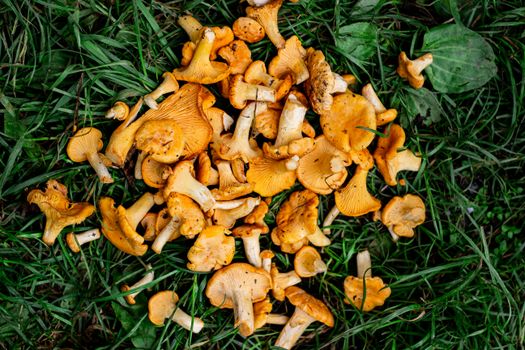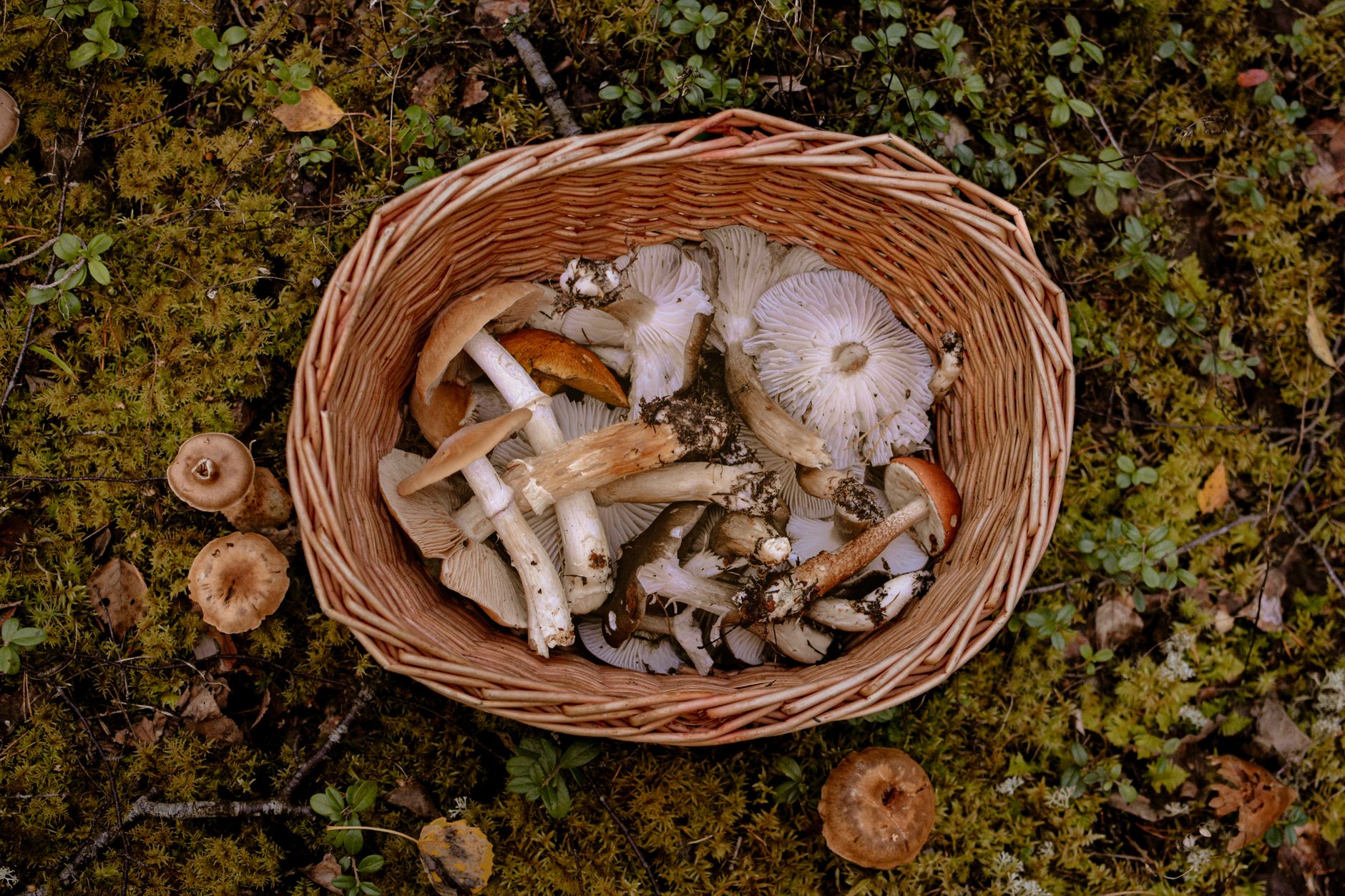
Foraging walks with local experts combine outdoor exercise, plant knowledge and an introduction to traditional food practices. Many visitors are drawn to them for the chance to learn from someone who knows the landscape well, and winter can be an interesting season, since many plants are dormant and identification relies on different clues. Good guides emphasise safety, legal limits and sustainable harvesting. This guide explains what a typical winter walk involves, how to evaluate a guide, what to bring and how to approach foraging responsibly wherever you travel.
What a winter walk typically involves
A foraging walk usually lasts a few hours and covers a short route through woodland, coastal scrub, meadows or parkland. In winter, the focus may shift from fresh leaves and flowers to roots, bark, evergreen foliage, nuts, dried seeds and fungi where present. A guide may explain how plants were traditionally used, how to recognise key features and how to tell look-alikes apart. Many walks end with a short talk or a simple tasting of approved items, though the specifics vary by location and by what is legal to eat there.
Judging a guide
The quality of the experience depends largely on the guide. Look for clear information about the guide's training, experience and local knowledge, and check whether they hold any relevant certifications or belong to recognised local organisations. Ask about group sizes, the route, the cost and what the walk includes. A good guide will be willing to say when they are unsure of a plant and will discourage risky behaviour. Be cautious of anyone who encourages you to eat unidentified items or who dismisses safety advice. Reviews can help, but read several and look for comments about accuracy and care.
Identification and safety
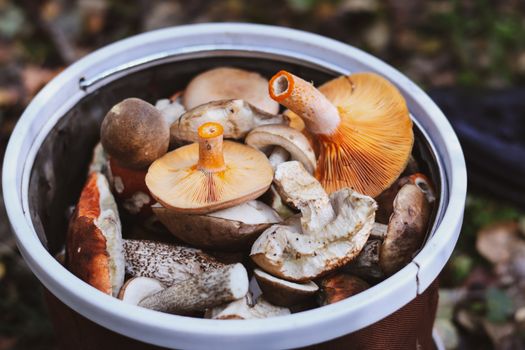
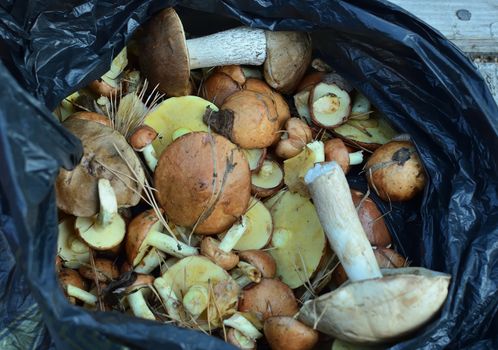
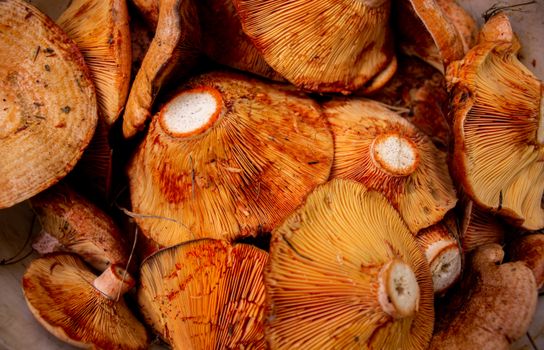
Plant identification is a skill that takes time, and some wild plants are toxic or have dangerous look-alikes. Fungi are a particular concern, because several species that resemble edible ones can cause serious illness. Never eat anything you have not identified with certainty, and never rely on a single app or a photograph. Ask your guide to explain the key features that separate edible species from poisonous ones. If you are unwell after eating wild food, seek medical advice promptly and, where possible, take a sample or photograph of what you ate.
Rules and sustainable harvesting
Foraging rules vary widely. Some parks, nature reserves and protected areas prohibit collecting plants, fungi or other natural materials. Others allow limited harvesting for personal use, sometimes with restrictions on quantity or species. Private land requires the owner's permission. Check the local rules before you go, and ask your guide what is permitted on the route. Harvest sparingly, avoid rare or protected species, and leave enough behind for wildlife and regeneration. Use a knife or scissors rather than pulling plants up by the roots.
Preparing for cold conditions
Winter walks can be cold, wet and muddy. Wear waterproof footwear with good grip, and dress in layers that you can adjust as you move. Bring gloves, a hat, a flask of warm drink and a small snack. Carry a simple bag for any items you may be permitted to collect, and keep your hands free for balance on uneven ground. Daylight in winter can be short, so check the start time and finishing point. If you have a health condition that could be affected by cold or exertion, mention it to the guide before the walk.
Making the most of the experience
Approach the walk as a chance to learn rather than a shopping trip. Take notes, ask questions and observe how the guide reads the landscape, including animal tracks, weather signs and changes in soil. Many people find that learning to see the environment in this way is the most valuable part of a foraging experience. Consider following up with a field guide written for the region, so you can continue learning after the walk.
Practical tips
Book with a guide who explains safety and rules clearly. Confirm what is included and whether any tasting is offered. Dress for wet, cold ground. Bring water and a snack. Do not eat anything you have not had identified by a qualified person. Follow the guide's instructions about harvesting and access.
Common mistakes to avoid
Expecting a large harvest on a winter walk is a common misunderstanding. Many plants are dormant, and a guide may focus on learning rather than collecting. Another mistake is booking a cheap, unfamiliar tour without checking whether it includes access arrangements for the land. Others walk off the route to explore on their own afterwards, which can breach local rules. People also underestimate how quickly wet ground can chill them, leading to rushed decisions on the path. Some visitors forget to note the names of the plants they learn about, which makes later research difficult. Finally, sharing photographs of wild plants online without context can lead others to misidentify them, so keep identification discussions with your guide.
Who this suits and who it doesn't
Winter foraging walks suit curious travelers who enjoy quiet woodland or coastal walks and want to learn about local plants and food history. They can suit small groups, couples and solo visitors who prefer a guided pace, and people interested in food culture who are happy to observe as much as collect. They are less suitable for those who expect a full meal from their walk, travelers with limited mobility on wet ground, and anyone with a health condition that could be affected by cold or exertion without medical advice. Families may enjoy the outing, though children should be closely supervised around plants and water. People who prefer to forage independently will need to invest time in learning local species before going out.
Frequently asked questions
Can I eat what I find after a walk?
Only items that you or your guide have identified with certainty and that are legal to collect in that location. When unsure, leave it alone.
Is a winter walk different from a summer one?
Yes. Winter focuses more on roots, bark, evergreens, nuts and dried seeds, so the lessons and what can be collected differ.
Do I need experience to join?
No. Many walks are designed for beginners, but a guide who explains plant features clearly will help you learn faster.
Foraging walks with local experts can be a rewarding introduction to wild landscapes, even in winter. By choosing a reputable guide, respecting rules and harvesting responsibly, you can learn a great deal while protecting the places you visit. Curiosity, patience and caution are the qualities that make a foraging walk worthwhile.