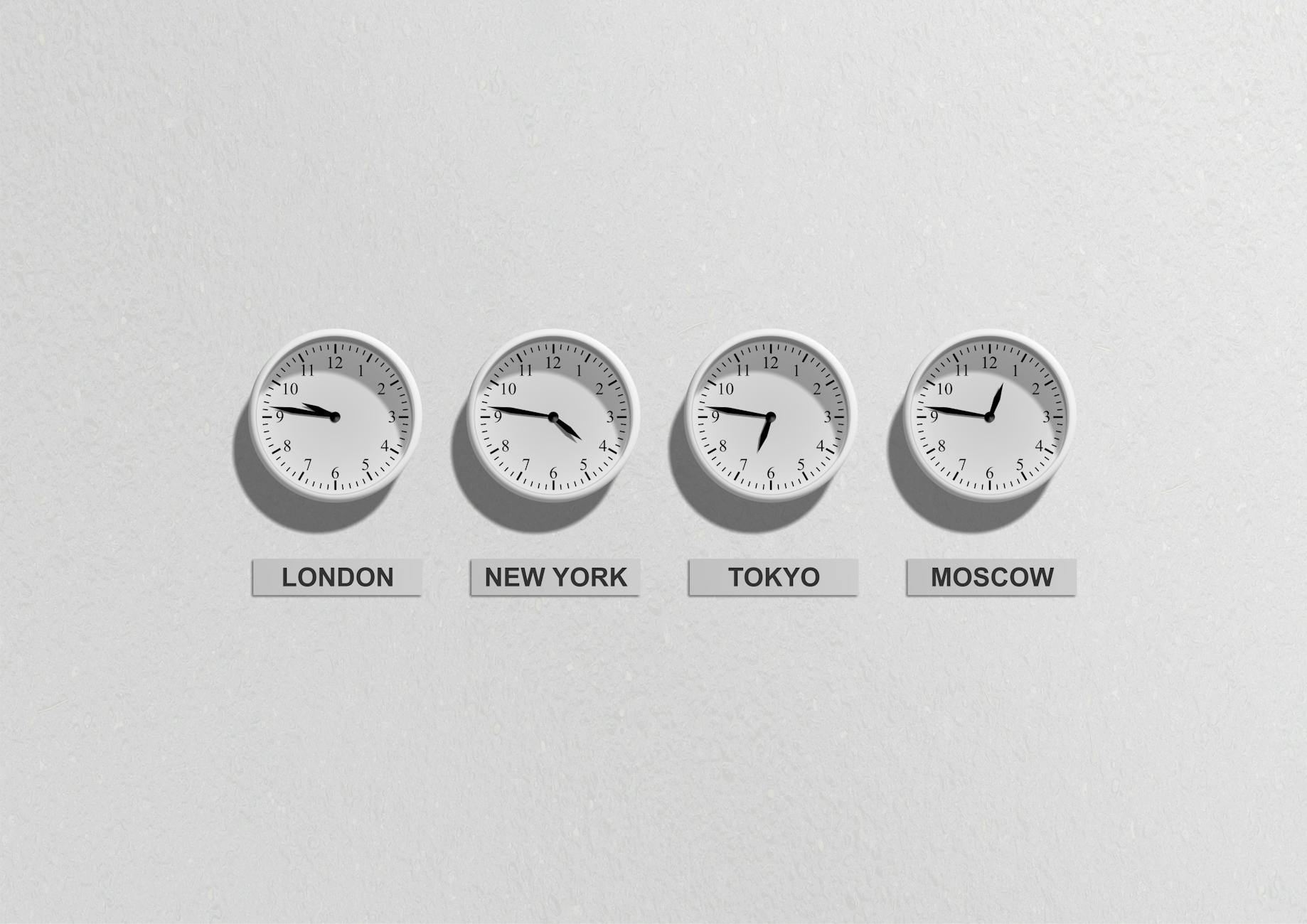
I stepped off the train in Kyoto, the crisp autumn air carrying the faint scent of roasting chestnuts and damp earth. The ancient temple bells chimed in the distance, a gentle counterpoint to the hum of the city waking up. It was 7 AM my time, but for my team scattered across New York and Berlin, it was the dead of night and the middle of their workday. This constant temporal dance, the exhilarating yet exhausting ballet of global collaboration, is something I’ve lived and breathed for years. And let me tell you, finding that sweet spot, that magical overlap where continents connect, is less about luck and more about strategic genius.
This isn't just about avoiding those 3 AM calls (though that's a huge perk). It's about unlocking peak productivity, fostering genuine connection, and ensuring your global endeavors don't just survive, but thrive. So, ditch the guesswork and let's dive into the expert-recommended time zones that make working with US, Europe, and Asia not just possible, but brilliant.
The Global Time Zone Conundrum: Why It Matters More Than You Think
For too long, the default has been to accept time zone differences as an insurmountable hurdle. We've all experienced it: the frantic emails late at night, the missed opportunities because a crucial decision-maker was asleep, the sheer exhaustion of trying to be "on" when your body is screaming for rest.
But the reality of today's interconnected world demands more. Businesses are global, talent is distributed, and innovation doesn't adhere to a 9-to-5 in a single city. As a travel journalist who frequently collaborates with editors and sources across the globe, I’ve learned that mastering time zone synergy is as crucial as packing the right adapter. It’s the difference between a frustrated sigh and a triumphant "We nailed it!"
The 'Prime Time' Overlap: Where Collaboration Ignites
The holy grail of global teamwork isn't about finding any overlap, but the most productive overlap. This means finding those precious hours where multiple key regions can engage in real-time, synchronous communication.
US-Europe Synchronization: The Golden Window
This is arguably the most common and often the most fruitful overlap. Think about it: when the US East Coast is wrapping up its workday, Europe is hitting its stride.
- The Sweet Spot: Generally, 9 AM - 12 PM EST (Eastern Standard Time) aligns with 3 PM - 6 PM CET (Central European Time).
- Why it Works: This window allows US teams to have their mornings and early afternoons, while European teams can engage in their late afternoons. It's perfect for:
- Daily Stand-ups: A quick sync to align priorities.
- Client Meetings: Catching your European clients before they sign off.
- Urgent Problem Solving: Addressing critical issues while everyone is still mentally sharp.
- Pro-Tip: If you're on the West Coast of the US (PST), this translates to 6 AM - 9 AM PST. While early, it’s still more manageable than the middle of the night and often preferred for dedicated focus time before the US workday gets too hectic.
Europe-Asia Synchronization: The Dawn of Productivity
Connecting Europe and Asia requires a bit more finesse, often leaning into the early mornings for one region and the late evenings for another.
- The Sweet Spot: 9 AM - 11 AM CET (Central European Time) often overlaps with 4 PM - 6 PM SGT/HKT (Singapore/Hong Kong Time).
- Why it Works: European teams are starting their day, fresh and ready. Asian teams can use this as a way to wrap up their day with key stakeholders or prepare for the next morning. This is ideal for:
- Project Handoffs: Ensuring smooth transitions between regional teams.
- Strategic Planning Sessions: Collaborating on long-term goals.
- Review and Feedback: Getting crucial input before closing the books for the day.
- Pro-Tip: Be mindful of the specific Asian time zones. For example, India Standard Time (IST) is 5.5 hours ahead of UTC, while China Standard Time (CST) is 8 hours ahead. Always confirm the exact difference for your specific counterparts.
The Elusive US-Asia Overlap: The Art of Asynchronous Brilliance
Direct, real-time overlap between the US and Asia is notoriously challenging due to the significant time difference. However, this is where the power of asynchronous communication truly shines.
- The Strategy: Instead of forcing real-time meetings, focus on creating robust systems for information sharing and decision-making that don't require immediate responses.
- Best Practices:
- Detailed Documentation: Use shared documents, project management tools (like Asana, Trello, Jira), and clear task descriptions.
- Video Messages: Tools like Loom allow you to record quick video explanations, which are more engaging than text.
- Scheduled Updates: Establish clear deadlines for responses and updates.
- "Follow the Sun" Model: If feasible, tasks can be handed off from one region to another as their workday begins, creating a continuous workflow.
- When Real-Time is Necessary: If a live meeting is absolutely critical, you'll likely be looking at very early mornings for the US (e.g., 6 AM PST) and very late evenings for Asia (e.g., 9 PM HKT). This should be the exception, not the rule, and reserved for high-stakes discussions.
Expert Strategies: Going Beyond the Clock
Simply knowing the time zones isn't enough. The real magic happens when you implement smart strategies that leverage these overlaps effectively.
H3: The Power of the "Working Lunch" Across Continents
What I’ve found most effective is to frame these overlapping hours not as "extra work," but as strategic synergy time. When my European colleagues are having their afternoon coffee and I’m starting my day, we treat it like a shared working lunch. It’s a time for focused collaboration, a bridge built across oceans.
- Pro-Tip: Schedule these "synergy sessions" consistently. Make them a predictable part of your team's rhythm.
H3: Asynchronous Mastery: The Unsung Hero of Global Teams
For the US-Asia connection, I've become a devout believer in asynchronous workflows. I remember a critical design review for a project based in Singapore. I sent my feedback with detailed annotations and video explanations at the end of my US workday. By the time I logged in the next morning, the design team had implemented all my suggestions and sent back revised mockups. It felt like magic, but it was simply excellent asynchronous planning.
- Pro-Tip: Invest in robust project management tools. They are your best friends for clear communication, task tracking, and progress monitoring across time zones.
H3: Embracing Flexibility: The Real-Time Advantage
Sometimes, the best time zone strategy is simply being flexible. If a critical decision needs to be made and the only overlap is inconvenient, consider if a short, focused call is worth the temporary disruption.
- Pro-Tip: Clearly communicate expectations around availability. If you need to take a call outside your core hours, ensure it's for a truly important reason and reciprocate the flexibility when your colleagues need it.
Navigating the Nuances: Time Zones & Cultural Considerations
Beyond the clock, understanding cultural nuances is paramount. A meeting that feels productive in one culture might feel abrupt in another.
H3: The Art of the Greeting: Setting the Tone
In Europe, a slightly more formal greeting might be expected. In Asia, building rapport before diving into business is often key.
- Pro-Tip: A simple "Good morning/afternoon, hope you're having a productive day!" can go a long way. For Asia, consider a brief check-in about their local context if appropriate.
H3: Pacing Your Meetings: The Flow of Conversation
The pace of conversation can differ significantly. What feels like a natural pause in the US might be a sign to speak up in Germany, and vice-versa.
- Pro-Tip: Actively encourage participation from all attendees. Use phrases like, "Does anyone else have thoughts on this?" or "Let's make sure we hear from everyone."
Quick Facts: Syncing Up Strategically
| Feature | US (EST) | Europe (CET) | Asia (SGT/HKT) |
| :------------------ | :------- | :----------- | :------------- |
| Typical Overlap | 9 AM - 12 PM | 3 PM - 6 PM | 4 PM - 6 PM |
| Key Benefit | Morning focus, afternoon sync | Afternoon sync, late day engagement | Late day wrap-up, early morning prep |
| Pro-Tip | Schedule "Synergy Sessions" | Be ready for late afternoon discussions | Leverage asynchronous for US connection |
| Estimated Cost | N/A (Operational) | N/A (Operational) | N/A (Operational) |
| Best Time to Visit (for experience) | Spring/Fall | Spring/Fall | Spring/Fall |
| How to get there (for team meetups) | Flights (major hubs) | Flights (major hubs) | Flights (major hubs) |
Beyond the Overlap: Building a Resilient Global Team
Ultimately, the "best" time zones are those that foster a sense of team, not just a collection of individuals working in parallel. It’s about creating a culture where everyone feels valued, heard, and connected, regardless of where they are on the globe.
H3: The "Always On" Myth: Prioritizing Well-being
I've seen brilliant teams burn out because they felt pressured to be "always on." This is unsustainable. True global collaboration respects boundaries and prioritizes well-being.
- Pro-Tip: Clearly define core working hours for each region and establish communication protocols for urgent vs. non-urgent matters outside those hours.
H3: The Human Element: Fostering Connection
Virtual coffee breaks, team-building activities that accommodate different time zones, and encouraging informal chats can make a world of difference.
- Pro-Tip: Use tools that facilitate casual interaction, like dedicated Slack channels for non-work topics or virtual water cooler apps.
Conclusion: Your Global Collaboration Blueprint
Mastering time zones isn't a dark art; it's a science, refined by experience and a commitment to effective communication. By understanding the prime overlap windows between the US, Europe, and Asia, and by embracing smart asynchronous strategies, you can transform potential logistical headaches into powerful productivity gains.
The next time you find yourself staring at a global calendar, remember this: the world isn't shrinking, it's connecting. And with the right approach, you can harness that connection to achieve extraordinary results. So, go forth, sync up, and build something amazing, no matter where in the world you are!