The year was 2017, and I was standing in a famous food market in a major European city, one that shall remain nameless to protect the innocent (and my reputation for good taste). The air was thick with the smell of sizzling chorizo and sweet pastries, the stalls vibrated with a kaleidoscope of colorful produce, and tourists, camera phones aloft, jostled for space. I had read about this market in every guide book, seen it plastered across Instagram, and arrived with an almost spiritual reverence.
I bought a small, pre-packaged fruit salad for €8 – a price that would buy me a full, delicious meal almost anywhere else in that city. Then, an aggressively cheerful vendor pressed a small, lukewarm sample of paella into my hand. It was bland, oily, and tasted suspiciously like yesterday’s leftovers. I watched as another tourist paid €15 for a tiny plate. My heart sank. This wasn't the authentic, vibrant culinary experience I had dreamed of; it was a glorified food court designed to extract maximum euros from wide-eyed visitors.
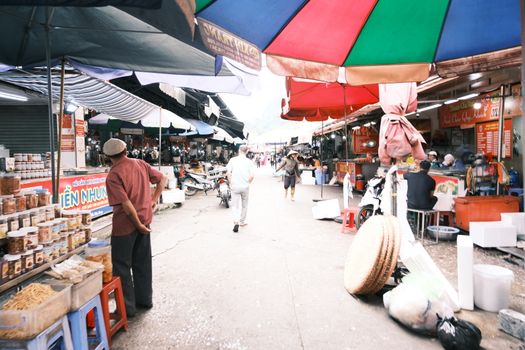
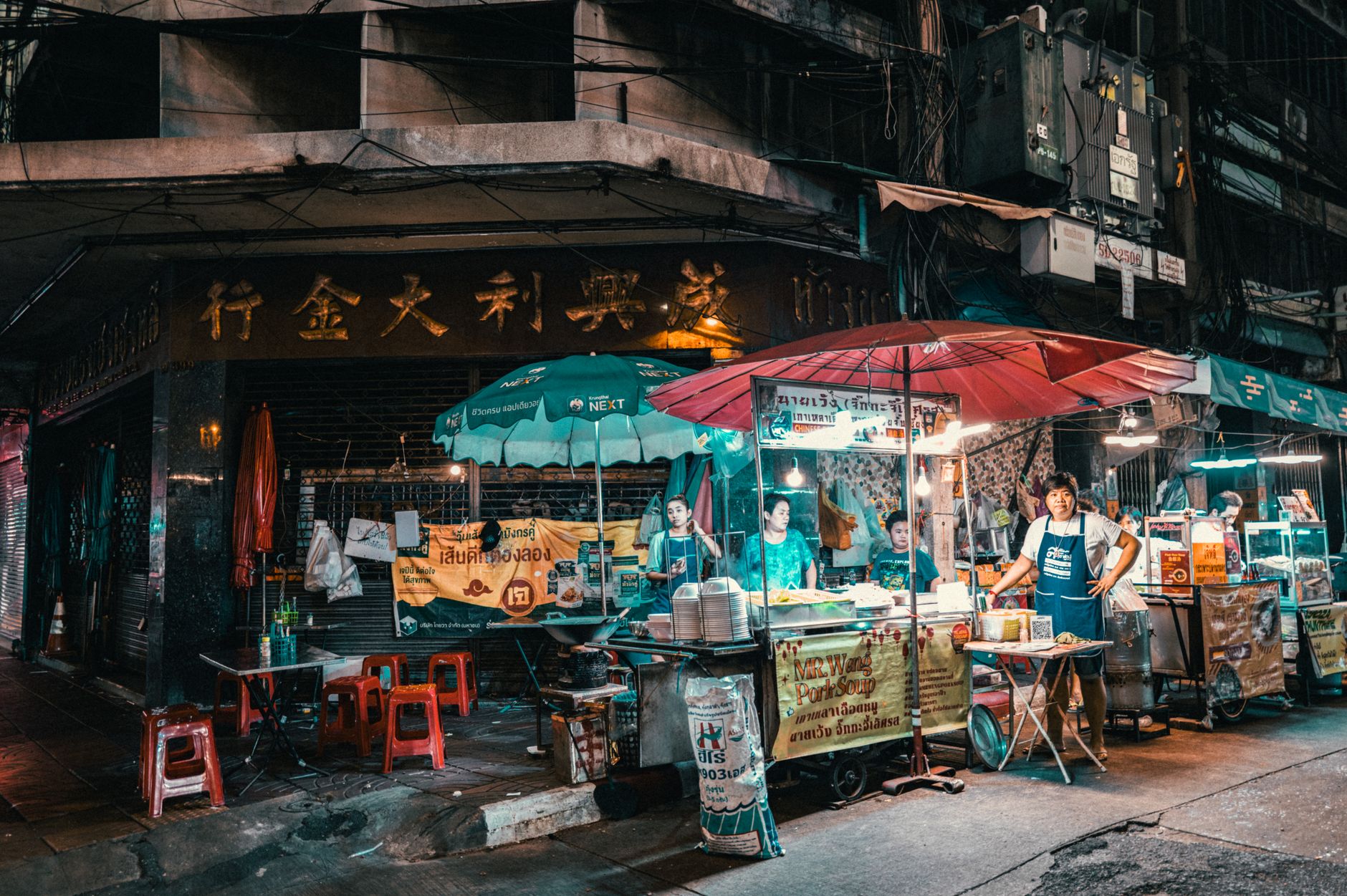
Contrast that with a morning just a few months later, deep in the winding alleyways of Chiang Mai, Thailand. I was lost, sweaty, and a little overwhelmed by the sheer sensory overload of Warorot Market. No sleek signs, no aggressive touts. Just the clatter of woks, the murmur of Thai voices, and an intoxicating mix of spices, sweet fruits, and roasting meats. I pointed to a steaming bowl of something I didn't recognize, paid 50 THB (about $1.50), and sat on a tiny plastic stool beside a smiling grandmother. That bowl of Khao Soi – a rich, creamy, subtly spicy coconut curry noodle soup – wasn't just a meal; it was an epiphany. It was authentic, it was soul-warming, and it changed my understanding of Thai cuisine forever.
The difference between these two experiences? One was a tourist trap, the other a hidden gem. And navigating this culinary minefield is perhaps the most crucial skill a traveler can master. After years of chasing flavors around the globe, I've developed a sixth sense for sniffing out the real deals from the duds. And today, I'm sharing all my secrets with you.
The Instagram Facade: When Popularity Kills Authenticity (Tourist Traps)
Let's be clear: not every popular market is a "trap." Some, like Borough Market in London or Tsukiji Outer Market in Tokyo, manage to retain incredible quality despite their fame. However, many fall victim to their own success, transforming into diluted versions of their former selves, primarily catering to an international crowd.
Here’s how to spot a market leaning towards the "trap" side:
- Multilingual Menus with Glossy Photos: If every stall has a laminated menu with perfect English translations and highly stylized photos of food that looks nothing like what's served, red flags should be flying. Locals don't need these.
- Aggressive Touting & Pushy Vendors: In truly authentic markets, vendors are busy serving their regulars and preparing food. They don't have time to chase after every passerby. If you're being constantly beckoned, offered "free" samples (which often come with strings attached), or pressured to buy, you're likely in a tourist zone.
- Inflated Prices: Compare prices to what you'd pay for a similar item or meal outside the market. If a small snack costs more than a full meal elsewhere in the city, you're being overcharged. My €8 fruit salad was a prime example.
- Lack of Locals (Especially Eating): This is perhaps the biggest giveaway. If the only people eating are other tourists, it's a huge sign that the food isn't good enough (or cheap enough) for the local palate. Locals know where the good stuff is.
- Souvenirs Galore: While some markets naturally blend food with crafts, if the majority of stalls are selling mass-produced trinkets, "I Heart [City]" t-shirts, or generic souvenirs, the focus has shifted away from genuine culinary offerings.
- "International" Food Stalls: While fusion is fun, if a market primarily known for local cuisine suddenly has stalls selling crepes, hot dogs, or generic pasta, it’s a sign they’re trying to appeal to a broader, less adventurous tourist demographic.
My personal experience with a near-trap:
I once visited La Boqueria in Barcelona, which can be a trap if you just wander in and buy the first thing you see. The main entrance stalls are a prime example: overpriced juice, fruit cups, and seafood platters. I saw a couple pay €50 for a small plate of grilled prawns! However, by pushing through the crowds, heading to the back, and looking for the small, unassuming tapas bars where locals were standing shoulder-to-shoulder, I found incredible, affordable food. It taught me that even famous markets can have hidden gems, but you have to actively seek them out.
Beyond the Buzz: Signs You've Stumbled Upon Gold (Hidden Gems)
Finding a hidden gem food market is like discovering a secret portal to a city's soul. These are the places where traditions are upheld, community thrives, and flavors burst with authenticity.
Here are the hallmarks of a true hidden gem:
- Predominantly Locals: This is the golden rule. If you're one of the few foreigners, you're likely in the right place. Watch for families shopping for groceries, workers grabbing lunch, and friends catching up over coffee.
- Simple, Often Handwritten Menus (or No Menu!): Many authentic stalls operate on a "point-and-gesture" system, or have a simple chalkboard menu in the local language. This indicates they cater to a clientele who already knows what they want.
- Specialization: Hidden gems often excel in a specific niche. It might be a market known only for its incredible seafood, its exotic fruits, or a particular regional dish. This specialization often translates to higher quality and expertise.
- Sensory Overload (in a good way): The air buzzes with genuine activity – not just tourist chatter. You hear the rhythmic chopping, the sizzling of oil, the calls of vendors. The smells are complex and inviting, a true symphony of local ingredients and cooking.
- Modest Setups: Don't expect fancy decor or pristine conditions. The best food often comes from humble stalls with well-worn equipment, indicating years of dedicated culinary practice. A little grime doesn't always mean bad hygiene; it often means a well-loved, busy spot.
- Focused Vendors: The people behind the stalls are busy, efficient, and proud of their craft. They might be friendly, but their primary focus is on preparing and serving food, not on making a hard sell.
- Off-the-Beaten-Path Location: While not always true, many hidden gems require a short metro ride, a walk through a non-descript neighborhood, or are tucked away from the main tourist arteries. This extra effort is always rewarded.
Taste of Transformation: My Top Two Culinary Epiphanies
These are the markets that didn't just feed me, but truly moved me. They are the benchmark against which I measure all other food market experiences.
1. Warorot Market (Kad Luang), Chiang Mai, Thailand
My aforementioned encounter with Khao Soi was just the beginning. Warorot Market, known locally as Kad Luang, is a sprawling, multi-story complex that is the beating heart of Chiang Mai's local life. It's not on the main tourist circuit like the Sunday Walking Street, and that's precisely its charm.
- The Vibe: Imagine controlled chaos. Motorbikes weave through narrow lanes, vendors shout friendly greetings, and the air is thick with the scent of spices, fresh herbs, blooming jasmine, and roasting meats. Inside, you'll find everything from textiles to fresh flowers, but the food sections are where the magic truly happens.
- What to Eat: Beyond the legendary Khao Soi (look for the small, unnamed stalls with long lines of locals), you must try:
- Sai Oua: Northern Thai spicy herb sausage, usually grilled and served with sticky rice. Expect to pay around 100-150 THB for a large portion.
- Nam Prik Ong/Num Prik Noom: Fiery chili dips served with fresh and blanched vegetables, often with crispy pork crackling. A true taste of Northern Thai home cooking. About 30-50 THB per set.
- Khanom Krok: Sweet coconut pancakes cooked in cast-iron pans, crispy on the outside, creamy on the inside. Perfect for a sweet snack (20-30 THB for a small bag).
- Fresh Tropical Fruits: Durian, mangosteen, rambutan – Warorot has it all, often at prices significantly lower than tourist areas.
- My Life-Changing Moment: It wasn't just the Khao Soi. It was the moment I sat down at a tiny plastic table, gesturing frantically with my limited Thai, and a woman who spoke no English simply smiled, ladled me a bowl, and offered me a small plate of pickled vegetables. The warmth in her eyes, the simple act of sharing food, transcended any language barrier. It was pure, unadulterated hospitality and flavor. I spent hours just wandering, tasting, and absorbing the genuine energy. It felt like I was truly experiencing Thailand, not just visiting it.
- Why it's a Gem: It's overwhelmingly local, incredibly affordable, and offers an unparalleled variety of Northern Thai cuisine. There are no frills, just fantastic food and an authentic cultural experience.
2. Mercado de la Merced, Mexico City, Mexico
If Warorot is controlled chaos, La Merced is pure, unadulterated, glorious sensory overload. This isn't a market for the faint of heart, but it is, without a doubt, one of the most authentic and mind-blowing food experiences you can have in Mexico City. Forget San Juan (the exotic meat market) or Coyoacán (which, while lovely, is getting increasingly touristy); La Merced is the grand dame of local markets.
- The Vibe: This is one of the largest and oldest traditional markets in Mexico City. It's a labyrinth of narrow aisles, towering pyramids of produce, mountains of chiles, and every imaginable Mexican ingredient. The sheer scale is dizzying. You'll hear mariachi music, vendors calling out their wares, and the constant hum of thousands of people going about their daily lives. It's gritty, it's intense, and it's utterly mesmerizing.
- What to Eat: The street food here is legendary and represents the true heart of Mexican cuisine.
- Tlacoyos: Thick corn tortillas, often blue corn, stuffed with cheese or beans, cooked on a comal, and topped with salsa, cheese, and sometimes nopales (cactus). A must-try! (15-30 MXN each).
- Quesadillas with Huitlacoche: Corn fungus, a delicacy in Mexico, often found in quesadillas here. Don't knock it 'til you try it – it's earthy and delicious. (20-40 MXN).
- Pambazos: A sandwich dipped in a red guajillo chile sauce, then lightly fried and filled with potatoes, chorizo, lettuce, cheese, and cream. Messy but heavenly. (30-50 MXN).
- Barbacoa: Slow-cooked lamb or goat, often wrapped in agave leaves, incredibly tender and flavorful. Look for stalls that specialize in it, often served on weekends.
- Exotic Fruits: You'll find fruits here you've never seen before. Ask for a sample!
- My Life-Changing Moment: Navigating La Merced, I felt completely out of my element in the best possible way. I stumbled upon a tiny stall, barely more than a cart, where a woman was expertly pressing blue corn masa into tlacoyos. She saw me watching, smiled, and offered me one, freshly cooked, topped with vibrant salsa verde and crumbled queso fresco. It was simple, yet profoundly flavorful – a taste of Mexico I hadn't found anywhere else. The generosity, the chaos, the sheer authenticity of it all, cemented my love for Mexican food and culture.
- Why it's a Gem: It's an unfiltered, vibrant, and incredibly diverse representation of Mexican culinary life. It’s challenging, rewarding, and offers an unparalleled depth of local flavors and experiences.
Your Treasure Map: Insider Tips for Culinary Discovery
So, how do you find your own Warorot or La Merced? It's an art, but one that can be learned.
- Ask the Right Locals (and learn a few phrases!): Don't ask your hotel concierge; they'll often recommend tourist-friendly spots. Instead, ask a barista at a local coffee shop, a taxi driver, a shopkeeper in a non-touristy area, or even a fellow diner at a local restaurant. Learn "Where is a good local market?" (e.g., ¿Dónde hay un buen mercado local? in Spanish, Talad local y dii tii nai? in Thai).
- Go Off-Peak Hours/Days: The best time to visit a true local market is weekday mornings. This is when locals do their shopping, and the energy is authentic. Avoid weekends and evenings unless it's a specific, well-known night market, which often caters to a different, sometimes more touristy, crowd.
- Look for Lines of Locals: This is the universal sign of excellent food. If a stall has a long queue of local people, join it! Even if you don't know what they're serving, it's almost guaranteed to be delicious.
- Observe Before You Buy: Take a full lap (or two!) of the market before committing. See what others are ordering, how the food is prepared, and which stalls have the freshest ingredients. Are the vegetables vibrant? Is the meat handled hygienically?
- Venture Beyond the City Center: The most authentic markets are rarely in the prime tourist zones. Be willing to take a short bus, metro, or even a slightly longer walk to a residential or less-developed neighborhood. Google Maps can be your friend here – look for markets with few English reviews or reviews that emphasize "local experience." Search for terms like "mercado de barrio" (neighborhood market) or "wet market."
- Trust Your Senses (and your gut): What does the air smell like? Is it fresh and inviting, or stale and greasy? Are the sounds lively and authentic? Does the general atmosphere feel genuine? If something feels off, it probably is. If it feels vibrant and real, dive in.
- Be Adventurous (but smart): Try dishes you don't recognize. Point to what looks good. But also, observe hygiene. Look for busy stalls where food is cooked to order, served hot (if it's meant to be hot), and where the surfaces appear reasonably clean. Hand sanitizer is your best friend.
- Carry Small Bills/Local Currency: Many local stalls don't accept cards, and breaking a large bill for a small purchase can be a hassle (or impossible). Cash is king.
Market Mastery: Etiquette, Hygiene, and Savvy Street Smarts
Once you've found your hidden gem, navigating it like a pro enhances the experience.
- Cash is King (and small bills are royalty): Always have plenty of local currency in small denominations. This makes transactions quicker and easier for both you and the vendor.
- Negotiation (Know When to & When Not To): In most prepared food stalls, prices are fixed, and negotiation is not expected or appreciated. For raw produce, spices, or non-food items, polite negotiation might be common, especially if buying in bulk. Observe locals; if they're bargaining, you can too, but always be respectful and friendly.
- Hygiene Habits:
- Look for high turnover: Stalls with lots of customers mean fresh ingredients are constantly being replenished and cooked.
- Hot food hot, cold food cold: Simple rule. If something meant to be hot is lukewarm, skip it.
- Observe food handling: Are hands gloved? Are utensils clean? Is raw meat separate from cooked food?
- Wash your hands/use sanitizer: Before and after eating, always.
- Bottled water: Stick to it, especially if you're unsure about the local tap water.
- Be Aware of Your Surroundings: Crowded markets are prime spots for pickpockets. Keep your bag secure (crossbody or backpack worn on the front) and valuables out of sight. Don't flash expensive cameras or phones unnecessarily.
- Dress Comfortably and Appropriately: You'll be walking, standing, possibly sweating, and rubbing shoulders with people. Wear comfortable shoes and clothing that respects local customs (e.g., shoulders covered in some cultures).
- Embrace the Chaos: Markets are often loud, busy, and a little overwhelming. Lean into it! It's part of the authentic experience. Don't get flustered by the crowds or the unfamiliarity.
- Be Polite and Patient: A smile, a "hello," and a "thank you" in the local language go a long way. Don't rush vendors or other shoppers.
- Don't Be Afraid to Say No: If someone is offering you something you don't want, a polite but firm "no, thank you" (in the local language if possible) is perfectly acceptable.
Don't just travel, taste!
The world's food markets are so much more than places to grab a bite; they are living museums, bustling community hubs, and vibrant expressions of culture. They offer an unparalleled opportunity to connect with a destination on a profoundly sensory level. By learning to discern the authentic from the artificial, you unlock not just incredible flavors, but also deeper understanding and unforgettable memories.
So, next time you're planning a trip, make finding a true local food market your mission. Step away from the glossy guidebooks and the Instagram hotspots. Ask a local, follow your nose, and be brave enough to try something new. You might just find a hidden culinary gem that changes your life forever.
What's your favorite hidden gem market? Share your stories and tips in the comments below! Let's build a global map of culinary wonders together!
---