The wind howled, a relentless force tearing through the coconut palms outside my guesthouse window. Rain lashed down in sheets, blurring the line between sky and sea. I was on a small island in Southeast Asia, far from the tourist throngs, and a tropical storm was making its presence known. It wasn't a full-blown typhoon, but it was enough to shut down ferries, ground small planes, and plunge the entire village into darkness. For 48 hours, we were cut off, reliant on the ingenuity of the locals and the dwindling supplies in the small sari-sari store.
In that unexpected isolation, something shifted. The usual tourist anxieties – missing a flight, finding the best souvenir, getting that perfect Instagram shot – melted away. Instead, I found myself helping the guesthouse owner secure her roof, sharing a meal of instant noodles and canned fish with her family by candlelight, and listening to stories of past, far more devastating storms. I saw a community not just enduring, but adapting, collaborating, and finding joy even in adversity. It was raw, real, and profoundly humbling.
That experience got me thinking. In our quest for unique travel, for stories that truly stand out, we often overlook the most powerful narratives: those forged in the wake of nature's formidable power. We chase pristine beaches and iconic landmarks, but what about the places that have been tested, rebuilt, and emerged with an even stronger spirit? What about the experiences you can only have when you step beyond the well-trodden path and engage with the incredible resilience of communities, long before their stories are polished for mainstream consumption?
This isn't about "disaster tourism" – far from it. It's about responsible, respectful engagement with places that have weathered nature's storms, literally and figuratively. It's about understanding the delicate balance between humanity and the environment, supporting recovery efforts, and witnessing the indomitable human spirit firsthand. It’s about transformative travel, where your presence, when mindful, can be a force for good.
The Call of the Unseen: Redefining "Adventure"
For many of us, "adventure travel" conjures images of scaling mountains, diving into coral reefs, or trekking through jungles. And while those are incredible, there's another layer of adventure: the journey into understanding, empathy, and contribution. This kind of travel isn't about conquering nature, but about connecting with it and those who live closest to its rhythms.
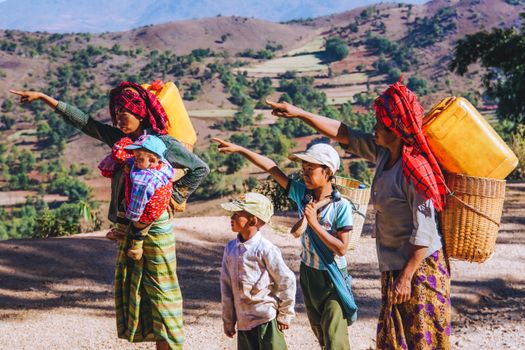
Imagine standing in a coastal town that was once leveled by a tsunami, now vibrant with new life, its residents sharing tales of survival and rebirth. Or trekking through a forest reborn from wildfire, guided by a local who teaches you about indigenous fire management techniques. These aren't just trips; they are profound lessons in resilience, sustainable living, and the sheer tenacity of life. These are the experiences that shape you, long after the souvenir t-shirt has faded.
Beyond the Rubble: Journeys of Rebuilding and Hope
One of my most poignant memories is from a trip to a small village in the Himalayas, still visibly scarred by a devastating earthquake years prior. Houses were rebuilt with traditional techniques, stronger and more earthquake-resistant than before. I wasn't there during the disaster, but I was there during its living aftermath.
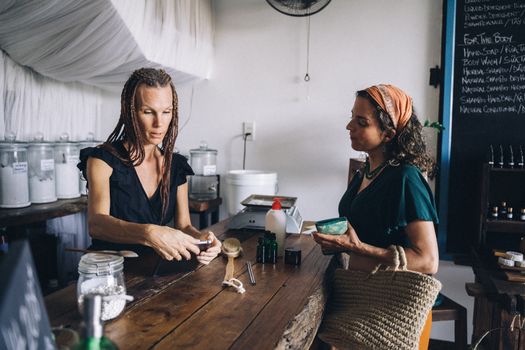
I joined a local women's cooperative, helping them weave intricate textiles that would be sold to support their families and community projects. There was no formal "volunteer program" – just a shared meal, broken English, and the universal language of hands working together. They taught me about their lives, their traditions, and how they had collectively pulled themselves back from the brink. The smiles, the laughter, the shared purpose – it was an overwhelming sense of hope blossoming from hardship.
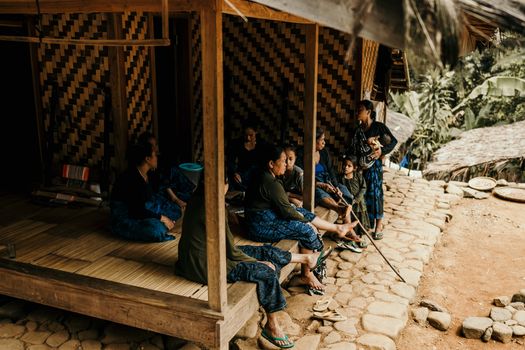
This isn't just about charity; it's about connecting with the human spirit at its most powerful. These communities aren't looking for pity; they're looking for partners, for visitors who see their strength and are willing to engage respectfully. By choosing to visit and support these areas, you become a part of their ongoing story of recovery, injecting vital economic support and demonstrating that their resilience is seen and valued.
Learning from the Land: Indigenous Wisdom and Environmental Stewardship
Many communities that regularly face nature's fury possess an invaluable, often ancient, wisdom about living in harmony with their environment. They understand the land, the seas, and the skies in ways that modern society often forgets. Traveling to these regions responsibly offers an unparalleled opportunity to learn.
In parts of the Caribbean, after hurricanes, I've seen local farmers implementing traditional agroforestry techniques that make their crops more resilient to future storms. In volcanic regions of Indonesia, I've witnessed communities living respectfully alongside active volcanoes, performing rituals and maintaining practices that acknowledge nature's power while ensuring their safety.
On a recent trip to a community in the Philippines recovering from multiple super typhoons, I spent a day with a local fisherman. He showed me how they were replanting mangroves along the coast, not just for fishing, but as a natural barrier against storm surges. "The sea gives, and the sea takes," he told me, his eyes crinkling. "We must learn to live with her, not against her." This deep, symbiotic relationship with nature is a lesson we all need to hear, and it’s an experience you can only truly grasp by immersing yourself in these specific contexts.
The Power of Presence: How to Be a Responsible Visitor
So, how do you engage with these transformative experiences ethically and effectively? It's about being a conscious traveler, not a passive observer.
- Do Your Homework (Beyond the Guidebook): Research the history of the region. Understand the natural events it's faced and how the community has responded. Look for local NGOs or community-based tourism initiatives that are genuinely led by and benefit the locals. Avoid large, international organizations that might not funnel funds directly to where they're needed most.
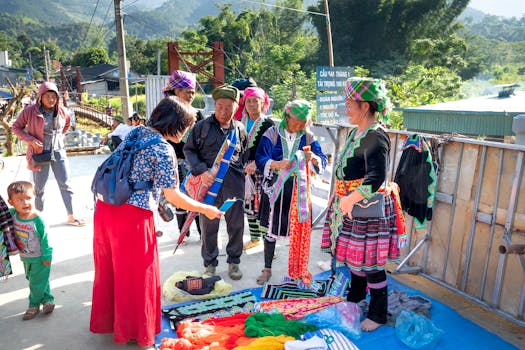
- Support Local, Always: This is paramount. Stay in locally owned guesthouses, eat at local eateries, hire local guides, and buy from local artisans. Your money directly supports families and helps rebuild the local economy. Be wary of international chains that might pop up, as they often don't contribute as much to local recovery.
- Listen and Learn: Engage with locals. Ask about their experiences (respectfully, and only if they seem willing to share). Listen to their stories of resilience, their traditions, and their hopes for the future. You are there to learn, not to judge or offer unsolicited advice.
- Volunteer Wisely: If you plan to volunteer, ensure it's with a reputable organization that uses local labor and skills wherever possible. Avoid "voluntourism" programs that primarily benefit the traveler rather than the community. Skilled volunteers (e.g., medical professionals, engineers) are often needed, but unskilled volunteers should ensure their efforts are genuinely helpful and not taking jobs from locals. Projects like replanting trees, cleaning up debris, or helping with sustainable farming can be incredibly impactful. Look for programs that emphasize long-term commitment and training.
- Minimize Your Footprint: These areas are often ecologically sensitive. Practice Leave No Trace principles. Conserve water and energy. Dispose of waste responsibly. Show respect for the environment that these communities are working so hard to protect and restore.
- Be Patient and Flexible: Recovery is a long, complex process. Infrastructure might still be developing, services might be limited. Embrace the unexpected, and understand that things might not always run on a strict schedule. This is part of the authentic experience.
Destinations of Resilience: Where to Witness the Spirit of Recovery
While I won't name specific recent disaster sites, as the situation and needs can change rapidly, here are types of regions and experiences that embody this spirit:
- Coastal Communities Recovering from Storms: Think about small fishing villages in the Caribbean, Southeast Asia, or the Pacific Islands. Many have developed community-led initiatives for mangrove reforestation, coral reef restoration, and building storm-resistant homes. Look for eco-lodges or homestays that directly contribute to these efforts.
- Volcanic Regions: Places like parts of Indonesia (e.g., around Mount Bromo or Merapi), Iceland, or Central America offer unique insights into communities living with active geology. Learn about their spiritual connections to the land, their early warning systems, and their agricultural practices on fertile volcanic soil. Always adhere to local safety guidelines and official warnings.
- Earthquake-Prone Areas: Regions in Nepal, Japan, or Chile have incredible stories of rebuilding with traditional and modern seismic-resistant architecture. Engage with artisans preserving cultural heritage, or learn about innovative engineering solutions born from necessity.
- Wildfire-Affected Zones: In places like California, Australia, or parts of the Mediterranean, you can find communities involved in reforestation, ecological restoration, and new fire prevention strategies. Guided tours might focus on the ecosystem's recovery and the indigenous practices that once managed the land.
Always check travel advisories and local conditions before planning a trip. The key is to seek out community-based tourism initiatives that are transparent about their impact and genuinely welcome respectful visitors.
Making Your Mark: Tangible Impact and Lasting Memories
My storm-bound island experience, the weaving cooperative in the Himalayas, the fisherman and his mangroves – these aren't just entries in a travel journal. They are etched into my memory as moments of profound connection and learning. They transformed my understanding of resilience, community, and the true meaning of adventure.
When you choose to travel with purpose to places recovering from nature's raw power, you're not just seeing a destination; you're witnessing history in the making. You're supporting livelihoods, preserving cultures, and contributing to a more sustainable future. These experiences, far from being fleeting, offer a depth of understanding and a sense of shared humanity that mainstream tourism rarely touches. They are experiences you can only have when you choose to look beyond the obvious, embrace the real, and contribute to the ongoing story of human and natural resilience. And trust me, those are the stories you'll be telling for years to come.
---