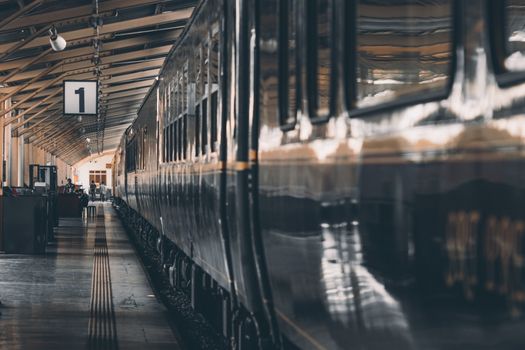
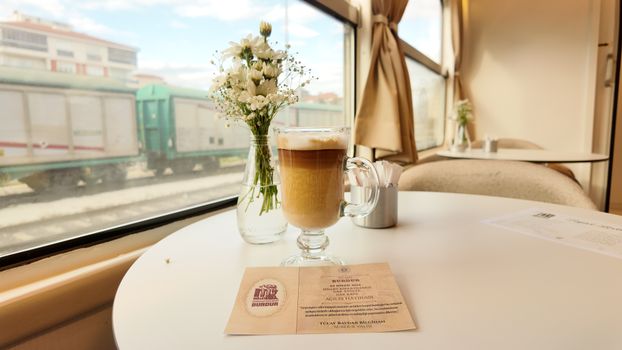
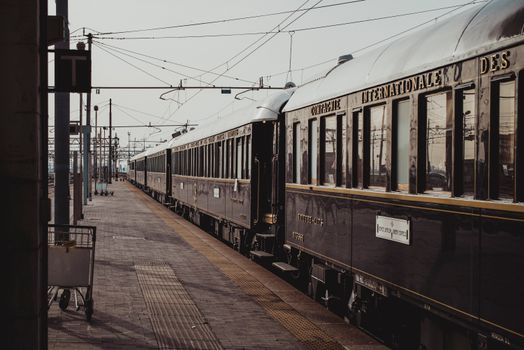
Few travel experiences feel as civilized as a comfortable train seat with a table, a window and nowhere else you need to be. First class, a private compartment or a sleeper cabin can turn a journey from a chore into a highlight. The good news is that comfort and a modest budget are not always opposites. With some planning, flexibility and an understanding of how rail pricing works, you can often travel in far more comfort than the headline fares suggest.
This guide does not promise a trick that works everywhere. Rail pricing is different in every country and changes constantly. What it offers instead are principles that repeatedly help travelers pay less for better seats, and a checklist for verifying the details with the operator before you pay.
Why Train Prices Vary So Much
Understanding the system makes it easier to find savings. Many railways use dynamic or tiered pricing, similar to airlines. The same seat can cost very different amounts depending on:
- How far ahead you book. Cheaper tickets are often released first and sell out as the date approaches.
- The time of day. Peak commuter trains cost more than mid-morning or late-evening trains.
- The day of the week. Fridays, Sundays and holiday weekends tend to be busy.
- Flexibility. A ticket that is fixed to a specific train is often cheaper than one valid on any train.
- Demand on that route. Popular high-speed lines may have higher prices than slower regional routes.
Because first-class prices are often set relative to the second-class fare, there are times when the premium is surprisingly small, especially on off-peak trains or on promotional fares.
Strategy One: Book Early and Use Advance Fares
In many countries, the cheapest fares are advance tickets. Booking opens somewhere between a few weeks and several months before travel, and the exact window depends on the operator. If you know your dates, set a reminder for when booking opens.
Tips for advance fares:
- Check the booking window. Operators publish how far ahead tickets are sold. Booking on opening day often gives the best choice.
- Compare classes. Sometimes the advance first-class fare is close to the standard second-class fare for the same day.
- Read the conditions. Cheap fares are frequently non-refundable or have change fees. If your plans are fixed, that is fine. If not, weigh the saving against the risk.
- Use the operator's own site. You can compare it with third-party booking sites, but the official site often has the full range of fares and clear terms.
Strategy Two: Travel Off-Peak
Choose the quieter trains. On many routes, the first-class carriage on a mid-morning or mid-afternoon train is peaceful and may cost much less than a rush-hour equivalent. Some operators also offer off-peak upgrades or lounge access as part of the fare.
If you are flexible by a few hours, check different departure times and compare. Traveling midweek rather than on a Friday can also reduce prices and crowds.
Strategy Three: Look for Upgrade and Supplement Deals
Some railways sell low-cost upgrades from standard to first class, sometimes at the station on the day of travel, sometimes through an app. Availability depends on how full the train is. Where upgrades exist, they can be a pleasant bargain on a long journey, but they are not guaranteed, and some operators have discontinued them. Check the current policy on the operator's website.
Strategy Four: Think About Passes and Multi-Trip Products
Rail passes can offer value if you plan many journeys, particularly across several countries or on long distances. They may come in first-class and second-class versions, with the difference in price varying by pass. Before you buy:
- Add up the cost of the individual tickets you would otherwise buy. A pass is only worth it if it beats that total or gives you freedom you value.
- Check which trains need reservations in addition to the pass. High-speed and night trains often charge a reservation fee.
- Check how many travel days are included and whether they must be consecutive.
- Look for youth, senior, family or group discounts.
National operators also sell local passes and discount cards, such as cards for reduced fares. These can pay off over a longer stay.
Strategy Five: Consider Night Trains
Night trains can feel like a vacation within the trip. They combine transport and accommodation, saving a hotel night, and they let you wake up in a new city. Categories vary by operator but commonly include:
- Seats. The cheapest option, sometimes reclining, and fine for short night journeys if you sleep easily on the move.
- Couchettes. Shared compartments with fold-down bunks, usually four to six berths, with basic bedding.
- Sleeper compartments. Private or semi-private rooms with proper beds, sometimes with a washbasin or en-suite facilities in the best categories.
Examples of well-known night train networks include Austrian Nightjet services that link cities across central Europe, the Caledonian Sleeper between London and Scotland, Swedish and Norwegian overnight routes to the Arctic north, and long-distance overnight services in countries such as India, China and Russia. Services and routes change frequently, so check current timetables.
How to economize on sleeper trains:
- Book as early as booking opens. Cheaper berths sell first.
- Compare a shared couchette to a private cabin; the saving can be considerable if you do not mind company.
- Consider the saved hotel cost when calculating the real price.
- Travelling as a pair or group can make a multi-bed compartment cheaper per person.
Remember that first-class comfort does not always mean silence. Sleeper trains can be noisy and may have delays, so bring earplugs and an eye mask.
Strategy Six: Choose Routes Where Premium Is Cheap
Some countries have a smaller gap between first and second class, or offer a "premium economy" product in the middle. On some regional or scenic lines, there is little difference between classes beyond seat layout. Research the operator's classes and compare actual prices for your dates rather than assuming first class is always expensive.
In some regions, the standard class is already comfortable. Japan's reserved seats on bullet trains, for example, are spacious in standard class, and a separate higher-tier car exists. Many European high-speed trains have good second-class seating with power outlets. Decide what you really care about, whether it is legroom, quiet, a table, meals or privacy, and buy only that.
Strategy Seven: Use Loyalty Programs and Points
Some railways have loyalty schemes that award points for travel, which can later be redeemed for upgrades or free journeys. Credit card and travel reward programs can sometimes convert to rail rewards. These programs change often, so read current terms and avoid spending beyond your means for points.
What Comfort Features Matter Most
Before paying extra, list which features you actually value.
- Seat space and recline. Useful on long daytime journeys.
- Tables and power outlets. Important if you plan to work.
- Quiet carriage rules. Some operators offer quiet zones in first or standard class.
- Onboard food and drink. Some first-class fares include meals or snacks, which can offset the premium. Others do not, so confirm what is included.
- Lounge access. Certain stations offer first-class lounges with seating, Wi-Fi and refreshments for premium ticket holders.
- Privacy. A private compartment or sleeper provides this better than any seat class.
Sample Scenarios
Here are three imaginary journeys that show how the principles work in practice. The details are illustrative only.
A Long Daytime High-Speed Trip
A traveler needs to cross a country in about five hours and wants to work on the way. They check the operator's site as soon as booking opens, compare the advance second-class fare with the advance first-class fare, and find that the difference is modest on a mid-morning departure. They choose first class for the larger table, the power outlet and the quieter carriage, and they save by avoiding the Friday evening service.
An Overnight Trip Between Two Cities
A pair of friends wants to wake up in a new city. They compare a shared couchette with a private two-bed compartment. Because they would otherwise pay for a hotel night, the private cabin works out as good value, and booking early secures the lower fare. They pack earplugs, a small torch and a snack, and they check whether breakfast is included.
A Scenic Day Out
A family wants a relaxed day on a scenic line. Standard class is comfortable and offers great views, so they save by choosing it, but they reserve seats in advance on the busiest service so they can sit together.
Etiquette and Practical Comfort on Trains
Comfort is not only about the ticket. A few habits make any journey pleasanter.
- Keep to quiet-carriage rules. Where they exist, they apply to phone calls and loud audio.
- Use headphones. Courtesy matters in shared spaces, and it makes your own trip calmer.
- Arrive in good time. Platforms are sometimes announced late and large stations can be confusing.
- Bring a layer. Carriages can be chilly or very warm.
- Pack your own refreshments. Onboard catering can be expensive or limited, and bringing a sandwich is perfectly acceptable on most services.
- Charge devices before you board. Outlets may be shared or broken.
- Keep valuables close. Stations and overnight trains call for the same sensible care you would take anywhere.
Things to Check Before You Buy
- Ticket rules. Is it refundable, changeable or valid only on a specific train?
- Seat reservations. Are they included or an extra charge?
- Luggage policy. Most trains are generous, but large luggage may be limited on some services.
- Station transfers. Check the walking distance between stations and the timing of connections.
- Accessibility. If you need step-free access or assistance, contact the operator in advance.
- Seasonal timetables. Services sometimes change in summer or winter.
Frequently Asked Questions
Is first class always worth it?
Not always. It depends on the price difference, the length of the journey and what you value. On a short trip, standard class may be perfectly comfortable. On a long day journey or when you plan to work, the quiet and space may justify a small premium.
Are night trains cheaper than flying and a hotel?
Sometimes, particularly when you count the hotel night you save, airport transfers and baggage fees. But prices vary, and a last-minute sleeper can be expensive. Compare the total cost for your own dates.
When is the best time to book?
As soon as tickets are released if you want the cheapest fares and your dates are fixed. If your plans are uncertain, a flexible ticket may be better value.
Do rail passes still make sense?
They can, for travelers making several long journeys in a short time, but point-to-point advance tickets are sometimes cheaper. Do the math for your itinerary.
Summary
Train comfort does not have to cost a fortune. Book early when your dates are fixed, travel off-peak, compare first-class and standard fares for your specific journey, and look into upgrades, passes and night trains where available. Decide which comfort features matter, then check the terms before paying. Prices and policies change, so use the operator's official site as the final reference. With a little research, you may find that a seat with space, a table and a view costs far less than you expected.