Some outdoor activities have spent years as niche hobbies before reaching wider audiences. Shifts in how people spend leisure time, combined with better equipment and more accessible guided options, have helped several of them become mainstream. Forest bathing, wild swimming, gravel cycling and stand-up paddleboarding are common examples. Each offers a different balance of physical effort, skill and setting, and each has its own safety considerations. This guide explains what these activities involve, what they typically require, and how newcomers can start sensibly.
Forest bathing and mindful walks
Forest bathing, a term adapted from the Japanese practice of shinrin-yoku, describes slow, sensory walks among trees. There is no fixed fitness requirement, and the practice is usually gentle, focusing on breathing, listening and noticing the surroundings. Many people try it through guided sessions run by trained facilitators, which can be a good starting point. Research into the wellbeing effects of time in green spaces continues, and results should be described cautiously rather than as guaranteed benefits. Practical needs are modest: comfortable shoes, weather-appropriate clothing and a willingness to move slowly.
Wild swimming in lakes, rivers and the sea
Wild swimming means swimming in natural open water rather than in a pool. Water temperatures can be far colder than expected, even in summer, and cold water can cause rapid breathing, reduced muscle control and loss of dexterity. Currents, submerged objects and changing weather can also create hazards. Beginners are often advised to enter gradually, to swim in areas with known access and exit points, and to avoid swimming alone. Many regions have local swimming clubs or guided groups, which can offer useful local knowledge. Check local water quality advice where it is published, since conditions can change after rainfall.
Gravel cycling on unpaved roads
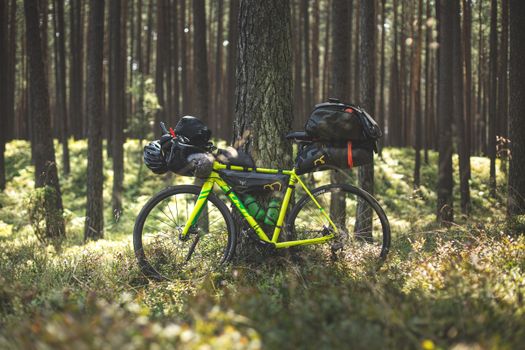
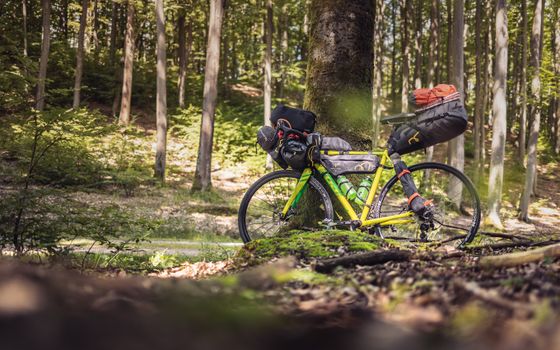
Gravel cycling uses bikes built for mixed surfaces, typically with wider tyres and a more relaxed geometry than road racing machines. It suits riders who want quieter routes away from traffic. Beginners should choose routes that match their fitness and skill, paying attention to loose gravel on descents and to changing surfaces. A helmet, puncture repair kit, lights for early or late rides, and a fully charged phone are common essentials. Many regions publish gravel route maps, and some local bike shops offer guided rides or rental options.
Stand-up paddleboarding and calm-water paddling
Stand-up paddleboarding, or SUP, has become a popular way to enjoy lakes, calm coastal waters and slow rivers. Balance develops quickly for many people, but wind and currents can make open water tiring or unsafe. Wearing a leash and a personal flotation device is widely recommended, and paddlers should check forecasts and tide information before heading out. Rental operators in many places provide basic instruction and equipment, which is often the simplest way to try the sport for the first time.
Choosing a first activity
Choosing a first activity depends on your existing fitness, comfort in or on water, access to suitable locations and budget. Someone who enjoys quiet walks may find forest bathing the easiest entry point, while a regular cyclist may prefer gravel routes. Guided sessions, whether for swimming, paddling or cycling, reduce risk and help beginners learn the basics quickly. Start with short, familiar routes before attempting longer or more remote outings.
Practical tips
- Check local conditions, including weather, water temperature and tide information, before every outing.
- Tell someone your plan, particularly for swimming or paddling in remote areas.
- Use appropriate safety equipment, such as a flotation device for paddling and a helmet for cycling.
- Consider a guided session for your first attempt, especially in unfamiliar places.
- Respect land access rules and local signage, and leave places as you found them.
Common mistakes to avoid
A frequent error is judging fitness by how you feel on land, then underestimating the strain of cold water or paddling into wind. Many beginners also rush the first session, aiming for distance or speed rather than learning basic control. Others choose a popular spot without checking whether the access points are safe or legal for the activity. Some people wear cotton layers that hold moisture, which can feel unpleasant and cool the body quickly. Another mistake is skipping warm-up and cool-down routines, particularly for cycling and paddling, which can leave muscles sore for days. Finally, visitors sometimes assume a group tour removes all responsibility, when they still need to listen to briefings and follow instructions carefully. Checking these habits before you start makes every outing more enjoyable.
Who this suits and who it doesn't
Forest bathing suits people who want a gentle start and enjoy quiet observation, and it can be a comfortable option for those managing mild fatigue. Anyone with health conditions should still consult a clinician first. Wild swimming and paddling suit confident swimmers who respect cold water and can manage their own safety, or who join supervised groups. Gravel cycling tends to suit riders with a steady base of fitness who enjoy varied terrain. These activities may be less suitable for people with heart or breathing conditions, those who are not comfortable in water, or anyone who could not get out of the water unaided. Children, older adults and people with disabilities may still take part, but they usually benefit from adapted sessions and more support. An honest self-assessment and a conversation with an instructor will show which activity fits you best.
Frequently asked questions
Do you need insurance for these activities?
Often, yes. Many standard policies exclude or limit certain activities, so check the wording and ask about cover for the specific sport.
Is a guide always necessary?
Not always, but a qualified instructor helps beginners learn technique and recognise risks quickly, especially in open water.
Can you start in winter?
Some activities, such as forest walks, are possible year-round. Cold-water swimming and paddling need extra precautions and expert advice.
These activities have become mainstream because they offer accessible ways to spend time outdoors without requiring elite fitness or specialist facilities. Their popularity also means that more people need clear guidance on safety and respect for natural places. Starting slowly, learning from qualified instructors and choosing conditions that match your ability tends to make the experience both enjoyable and sustainable.