Beyond the Filter: Unearthing Remote Farm-to-Table Experiences Influencers Don't Want You to Know
Let's be honest. How many times have you scrolled through Instagram, eyes glazing over as another perfectly manicured influencer poses with a "rustic" brunch spread that you just know was assembled by a catering team five minutes before the shot? Or perhaps you’ve followed a travel guide to a "farm-to-table" restaurant only to find a menu that’s more "farm-to-truck-to-distributor-to-restaurant" than truly authentic.
I’ve been there. My moment of disillusionment hit hard during a trip to a supposedly "boutique" hotel in a popular European city. Their rooftop "farm-to-table" restaurant boasted organic ingredients and local sourcing. Yet, when I asked about a specific vegetable on my plate, the waiter stumbled, looked confused, and eventually admitted it came from a wholesaler across the country. It was delicious, yes, but it lacked the soul, the story, the connection I craved.
That experience ignited a new quest for me. I wanted to find the real deal. The places where "farm-to-table" isn't a marketing buzzword, but a way of life. Where the hands that planted the seeds are often the same ones serving your meal, and the journey from soil to plate is measured in steps, not miles. And guess what? These places exist, thriving in the quiet corners of the world, far from the selfie sticks and sponsored posts. They are the remote farm-to-table experiences that Instagram influencers simply don't want you to know about – because they’re too authentic, too raw, too real to be easily packaged and sold. And believe me, that’s exactly why you need to find them.
The True Meaning of "Farm-to-Table" (and Why Remote is Key)
The term "farm-to-table" has been wonderfully, and sometimes woefully, co-opted. At its heart, it signifies a direct relationship between a restaurant or diner and a local farm, emphasizing fresh, seasonal ingredients and often sustainable practices. It’s about transparency, knowing where your food comes from, and supporting local economies.
But in the age of mass tourism and social media, this beautiful concept often gets diluted. "Local" might mean within a 200-mile radius, and "farm" might be a large industrial operation. The magic, the intimacy, the story gets lost.
This is where remote locations become your secret weapon. In these less-traveled areas, "farm-to-table" isn't a trend; it's tradition. It's born out of necessity, sustainability, and a deep respect for the land and its bounty. Here, you'll find:
- Direct Sourcing: The farm is often literally on site or just a stone's throw away.
- Hyper-Seasonality: You eat what's ripe, what's available, dictated by nature, not a chef's whim or a global supply chain.
- Family Heritage: Recipes passed down through generations, often using techniques and ingredients unique to that region.
- Genuine Connection: You're not just a customer; you're often a guest, welcomed into a family's way of life.
- Unadulterated Flavors: Food that tastes exactly as it should – vibrant, fresh, and deeply satisfying.
These are the experiences that leave an indelible mark, not just on your palate, but on your soul.
Unearthing the Untouched: Where to Begin Your Search
So, how do you find these elusive culinary havens? It requires a bit more digging than a quick Google search for "best restaurants near me." But trust me, the reward is worth the effort.
- Go Local, Literally: Start by looking for "agriturismo" in Italy, "finca" or "cortijo" in Spain, "homestay" in Southeast Asia, or "farm stay" in other regions. These terms often denote working farms that also offer accommodation and meals.
- Niche Travel Blogs & Forums: Skip the major travel sites. Dive into forums dedicated to specific regions, sustainable travel, or slow food movements. Look for independent bloggers who focus on authentic, off-the-beaten-path experiences.
- Local Tourism Boards (Small Towns): Forget the national tourism websites. Search for the tourism board of a specific, smaller town or region known for agriculture. They often have lists of local producers, farm stands, and small guesthouses.
- Word-of-Mouth (Once You're There): This is gold. Once you arrive in a remote area, talk to locals. Ask your guesthouse owner, a shopkeeper, or even a local farmer for recommendations. They know the true hidden gems.
- Google Maps Deep Dives: Zoom in on rural areas. Look for small, unpaved roads leading to properties labeled "azienda agricola" (agricultural company) or "fattoria" (farm). Check reviews for mentions of food or accommodation. Sometimes, places don't even have a website, just a phone number!
- Direct Communication: Don't be afraid to email or call farms directly, even if they don't explicitly advertise meals. Many are happy to arrange something for genuine visitors.
Remember, the fewer Instagram tags a place has, the more likely it is to be truly authentic.
My Top Picks: Hidden Culinary Havens
I’ve spent years chasing these experiences, and while I’d love to keep them all to myself, I believe these stories need to be shared. Here are a few places that have captured my heart and stomach, offering glimpses into the true spirit of remote farm-to-table.
1. Masseria Moroseta – Ostuni, Puglia, Italy
Puglia, the heel of Italy's boot, is a region of ancient olive groves, whitewashed towns, and a culinary tradition deeply rooted in cucina povera – "peasant cooking" that celebrates simple, seasonal ingredients. While Ostuni itself can get busy, venture just outside the "White City," and you'll find true tranquility.
Masseria Moroseta
is a stunning, minimalist-designed farm stay nestled amidst 15 acres of organic olive groves. It's a modern take on the traditional Puglian fortified farmhouse, but its heart beats with authentic farm-to-table passion.
- The Experience: Every evening, guests gather around a communal table for a multi-course dinner prepared by their resident chef, often using ingredients picked from their own organic gardens or sourced from neighboring farms. I remember a dish of cicorie e fave (wild chicory and fava bean puree) that tasted like the earth itself, accompanied by their own cold-pressed olive oil, so vibrant it almost tingled on the tongue. We were served orecchiette (little ear-shaped pasta) that day, handcrafted with semola flour and water, just as generations of Puglian women have done. The chef even invited us into the kitchen one afternoon to watch him prepare a batch, explaining the importance of the local flour and the specific water from the region.
- The Vibe: It's sophisticated yet utterly relaxed. Conversations flow easily with fellow travelers from around the world, all drawn by the promise of authentic connection. The air smells of olive leaves and sea salt (the Adriatic is a short drive away). You can spend your days exploring the groves, swimming in the saltwater pool, or simply reading under a fig tree.
- Details & Prices: Rooms typically range from €300-€500 per night, including breakfast. Dinner is an additional €85-€100 per person, including local wines. It’s an investment, but it’s for an all-encompassing, deeply authentic experience that feels like a family meal in the most beautiful setting imaginable.
- Getting There: Fly into Bari (BRI) or Brindisi (BDS) and rent a car. A car is essential for exploring Puglia’s hidden gems.
2. Pu Luong Retreat – Thanh Hóa Province, Vietnam
Forget the crowded streets of Hanoi or the tourist throngs of Ha Long Bay. Head west into the majestic, mist-shrouded Pu Luong Nature Reserve. This area, largely inhabited by ethnic Thai and Muong communities, is a landscape of terraced rice fields, limestone karsts, and lush forests. It’s a place where life moves at the pace of the seasons, and food is a direct reflection of the land.
Pu Luong Retreat
isn't just a place to stay; it's an immersion. Perched on a hillside overlooking breathtaking rice paddies, this eco-lodge prioritizes sustainability and local integration.
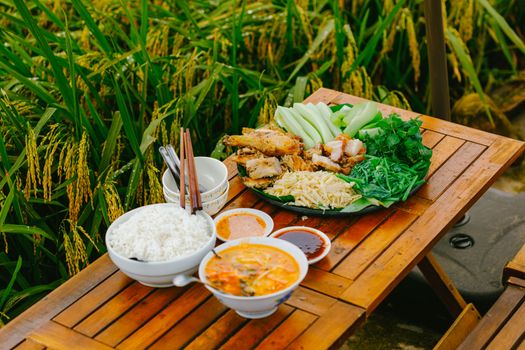
- The Experience: Meals here are a revelation. Ingredients are sourced almost entirely from the surrounding villages and the retreat's own organic garden. I remember a morning where I joined a local guide to forage for wild herbs and bamboo shoots in the forest, which later appeared in our communal dinner that evening. The fresh river fish, wrapped in banana leaves and grilled over charcoal, was unforgettable. We ate sticky rice cooked in bamboo tubes, vibrant stir-fries with foraged greens, and aromatic curries, all served family-style. One evening, after a day of trekking through remote villages, a local family invited us for rượu cần (rice wine drunk through long straws from a communal jar) and shared stories of their harvest. It wasn't just food; it was a cultural exchange.
- The Vibe: Rustic, peaceful, and deeply connected to nature. The bungalows are open-air, allowing the sounds of the jungle and the views of the rice fields to envelop you. There's no Wi-Fi in the rooms, encouraging a true digital detox.
- Details & Prices: Rooms/bungalows typically range from $70-$150 per night, including breakfast. Lunch and dinner are additional, usually $15-$25 per person per meal. Activities like trekking, rafting, and village visits can be arranged through the retreat.
- Getting There: Pu Luong is about a 4-5 hour drive southwest of Hanoi. You can arrange a private car transfer or take a local bus to Mai Chau and then a taxi or motorbike to Pu Luong.
3. Quinta do Moinho – Flores Island, Azores, Portugal
The Azores, a volcanic archipelago in the middle of the Atlantic, are a true hidden gem. While São Miguel is the most visited, the westernmost island of Flores is where you'll find untamed beauty and a profound sense of isolation. Here, the rugged landscape, dramatic cliffs, and lush vegetation create a unique microclimate for agriculture.
Quinta do Moinho
(Farm of the Mill) is a charming rural tourism property on Flores, set amidst gardens and offering self-catering cottages and a restaurant that embodies the island's farm-to-table ethos.
- The Experience: The Azores are famous for their dairy, and the local cheese is a highlight. At Quinta do Moinho, the restaurant serves dishes often featuring produce from their own garden or sourced from nearby farmers and fishermen. I savored incredibly fresh limpets (a type of local shellfish), hearty stews made with local beef, and vegetables that burst with flavor – all accompanied by Azorean wine. The owner, a passionate advocate for local produce, explained how the volcanic soil and constant Atlantic moisture create incredibly fertile ground for unique ingredients, including their famous pineapples (grown in greenhouses). I spent an afternoon simply picking fresh figs and herbs from their garden, which then appeared on my plate that evening.
- The Vibe: Intimate, cozy, and incredibly peaceful. It feels like staying at a friend's country home. The island itself is a paradise for hikers and nature lovers, with dramatic waterfalls, crater lakes, and vibrant flora.
- Details & Prices: Cottages range from €80-€150 per night. The restaurant operates seasonally and prices for a full meal typically run €30-€50 per person. Booking well in advance is crucial, especially during peak season, as Flores is small and accommodation options are limited.
- Getting There: Fly into Santa Cruz das Flores Airport (FLW) via Ponta Delgada (PDL) on São Miguel. Renting a car is highly recommended for exploring Flores.
Beyond the Plate: The True Value of Remote Farm-to-Table
These experiences offer so much more than just a delicious meal. They provide:
- A Deep Cultural Immersion: Food is the ultimate gateway to understanding a culture. You learn about history, traditions, and local life through its flavors.
- Connection to the Land and People: You meet the farmers, the cooks, the families behind the food. Their stories become part of your meal. You witness the hard work, the pride, and the sustainability practices firsthand.
- A Digital Detox: Many of these remote locations have limited or no Wi-Fi, forcing you to disconnect from screens and reconnect with your surroundings and companions.
- Support for Local Economies: Your money directly benefits small businesses, families, and communities, helping to preserve traditional farming methods and rural livelihoods.
- A Lesson in Sustainability: You witness sustainable practices in action, from composting to seasonal eating, inspiring you to bring some of these principles back home.
- Unforgettable Memories: These aren't just meals; they're adventures, lessons, and stories that will stay with you long after the last bite.
Practical Tips for Your Off-Grid Culinary Adventure
Ready to ditch the filtered feeds and embark on your own authentic food journey? Here’s how to make it a success:
- Be Flexible and Open-Minded: Menus might be dictated by what's harvested that day, not a printed list. Embrace the surprise!
- Learn Basic Phrases: Even a few words of the local language (hello, thank you, delicious) can open doors and build connections.
- Book Directly: Whenever possible, book accommodations and meals directly with the farm or guesthouse. This ensures more of your money goes to them and allows for direct communication about your interests.
- Inform Them of Dietary Needs in Advance: Remote locations might not have easy access to alternative ingredients, so give them ample warning if you have allergies or dietary restrictions.
- Pack Smart: Comfortable walking shoes are a must. Layers are always a good idea. Don't forget a reusable water bottle and perhaps a small notebook to jot down flavors or recipes.
- Respect Local Customs: You are a guest in their home and community. Be mindful of local etiquette, dress codes, and traditions.
- Embrace the Journey: Getting to these places can sometimes be part of the adventure – dusty roads, unexpected detours. Enjoy the process!
- Ask Questions: Show genuine interest in the food, the farm, and the people. You'll learn so much more.
- Leave a Review (Thoughtfully): If you loved an experience, leave a positive review on Google Maps or a relevant platform, but avoid over-tagging or geotagging if you want to help keep it a secret gem! Share your story, not just a picture.
The Taste of True Authenticity Awaits
The world is full of incredible, untouched culinary experiences waiting to be discovered. These aren't the places designed for viral Instagram moments, but for genuine connection, profound flavors, and a renewed appreciation for where our food truly comes from. They are the antidote to the over-curated, the mass-produced, and the inauthentic.
So, next time you plan a trip, challenge yourself. Look beyond the influencer-approved hotspots. Seek out the quiet corners, the family farms, the places where the earth still speaks through its food. You won't just find a meal; you'll find a story, a community, and a deeper understanding of the world.
Are you ready to truly taste your travels? Go forth, explore, and savor the untamed flavors that Instagram influencers don't want you to know. And when you find your own hidden gem, share your story with us – not just a photo, but the feeling of being there.
---