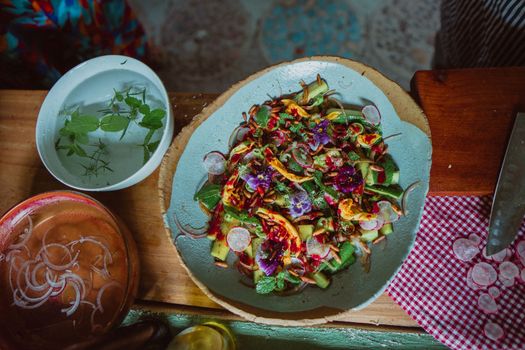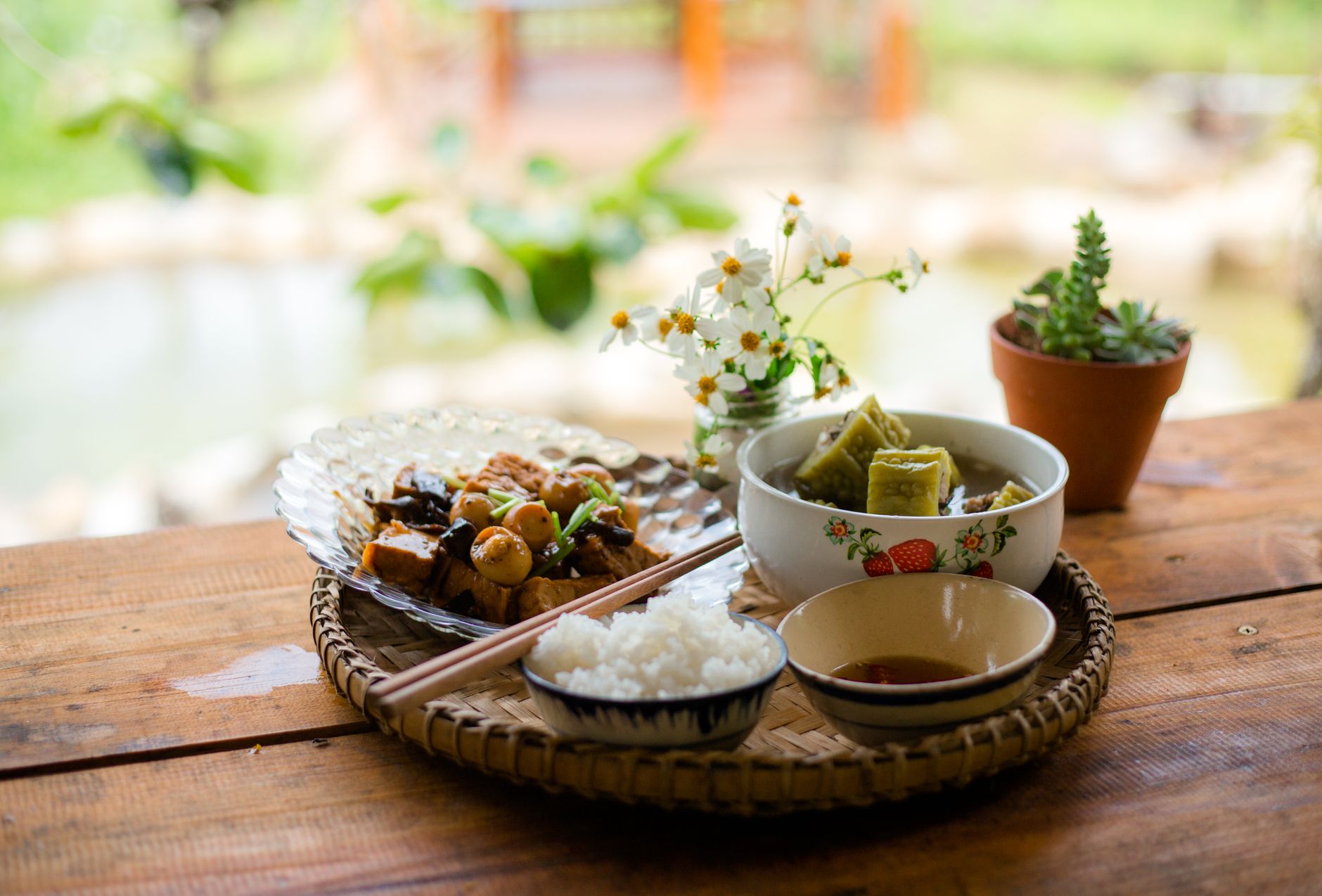
The aroma hit me before I even saw the kitchen – a rich, earthy scent of slow-cooked lamb, mingled with fresh herbs and the woodsmoke from a crackling fire. I was deep in the Scottish Highlands, miles from the nearest town, standing in the courtyard of a converted steading. Just hours before, I’d been helping the farmer gather eggs, admiring the shaggy Highland cattle, and even attempting to identify wild mushrooms (with expert supervision, of course!). Now, sitting at a communal table with fellow travelers from around the globe, I watched as platters of perfectly roasted lamb, vibrant root vegetables, and crusty homemade bread were laid before us. Every bite was a story, a connection to the misty hills outside, and a testament to the incredible journey from farm to fork.
That, my friends, is the magic of the remote farm-to-table experience, and it’s not just a meal – it’s a movement. In a world increasingly dominated by fast food and even faster travel, there’s a growing hunger for authenticity, for connection, and for food that tells a genuine story. We’re all craving an escape, not just from our routines, but from the artificiality of modern life. And what better way to find it than by venturing to the edges of civilization, where the rhythm of life is dictated by the seasons, and every ingredient has a name and a face?
This isn't just about eating well; it's about living well, if only for a few precious days. It's about disconnecting to truly reconnect – with nature, with the source of our food, and with ourselves. So, pack your bags (and your appetite!), because I’m about to take you on a journey to discover why remote farm-to-table experiences are not just trending, but transforming the way we travel and taste.
The Allure of the Remote: Why Farm-to-Table is Going Off-Grid
Why are so many of us trading bustling city restaurants for rustic barns and remote lodges? The answer lies in a confluence of desires that modern life often leaves unfulfilled.
Firstly, there's the quest for authenticity. We're tired of mass-produced, generic experiences. Remote farm-to-table operations offer something truly unique: food grown on-site or sourced from immediate neighbors, prepared with traditional techniques, and served with a genuine passion for the land. You're not just a customer; you're often a guest, welcomed into a way of life.
Secondly, sustainability and ethical eating are no longer niche concerns – they’re core values for many travelers. By visiting these remote farms and lodges, you're directly supporting local economies, sustainable farming practices, and often, heritage breeds and indigenous crops. You're reducing your carbon footprint by eating hyper-local, and you're gaining invaluable insight into where your food truly comes from. It's conscious consumption at its most delicious.
Thirdly, there's the irresistible draw of disconnection. Imagine waking up to the sounds of nature, not traffic. Spending your days exploring ancient forests, rolling hills, or pristine coastlines, rather than scrolling through endless feeds. These remote locations force you to slow down, breathe deeply, and savor every moment – especially at the dinner table, where conversation flows as freely as the local wine. The digital detox is a bonus, but the true reward is the profound sense of peace and presence you gain.
Finally, let's not forget the sheer culinary excellence. Without the pressures of urban competition, chefs and farmers in these remote locales often have the freedom to experiment, innovate, and perfect dishes using ingredients that are simply unparalleled in freshness and flavor. It’s a return to the roots of gastronomy, where quality ingredients are the true stars.
Beyond the Plate: What to Expect from a Remote Farm Stay
A remote farm-to-table experience is so much more than just a meal. It's an immersive journey that engages all your senses and often your hands, too.
- The Setting: Picture this: ancient stone farmhouses nestled among olive groves, rustic cabins overlooking sweeping valleys, or eco-lodges surrounded by lush jungle. The accommodation itself is often part of the charm, blending local architecture with modern comforts, always with an emphasis on blending into the natural environment. My stay at a particular farm in Vermont, with its cozy, wood-fired cabin, felt like stepping into a storybook.
- Hands-On Learning: Many establishments offer opportunities to get involved. Imagine a morning spent foraging for wild herbs, learning to make fresh pasta from scratch with a nonna in Italy, milking goats, or even helping harvest grapes during wine season. These aren't just tourist activities; they're genuine insights into the daily life of the farm. I once spent an afternoon learning to press olive oil in Puglia – a truly unforgettable experience that made every drizzle taste even more precious.
- Meeting Your Makers: One of the most rewarding aspects is the chance to connect with the farmers, chefs, and artisans who bring your food to life. Hearing their stories, understanding their passion, and seeing their dedication firsthand adds an unparalleled layer of appreciation to every dish. These are often family-run operations, passed down through generations, and their hospitality is as warm as their hearths.
- Nature's Playground: Given their remote locations, these farm stays are almost always surrounded by incredible natural beauty. Hiking trails, cycling routes, swimming holes, or simply vast expanses of untouched landscape are often right on your doorstep, inviting you to explore and unwind before or after your culinary adventures.
Spotlight on Unforgettable Destinations: My Top Picks for Your Next Escape
Ready to start planning? Here are a few incredible remote farm-to-table experiences that have captured my heart (and my taste buds!), offering a range of styles and budgets.
1. Masseria Moroseta, Puglia, Italy: The Epitome of Mediterranean Chic
- The Vibe: Imagine a minimalist, whitewashed farmhouse (a "masseria") set amidst ancient olive groves overlooking the Adriatic Sea. Masseria Moroseta is an architectural marvel that blends traditional Puglian design with contemporary luxury. It’s a haven of tranquility, where slow living is an art form.
- The Food: Their kitchen is a true farm-to-fork powerhouse. They grow much of their own produce, press their own olive oil, and source everything else from local farmers and fishermen. Expect exquisitely fresh, seasonal Puglian cuisine – vibrant vegetable dishes, homemade pasta, and perfectly grilled seafood. Their cooking classes are legendary, teaching you to master regional specialties. I still dream about their focaccia, fresh from the wood-fired oven.
- Beyond the Plate: Days here are spent lounging by the saltwater pool, exploring the surrounding countryside on complimentary bikes, or taking part in olive oil tastings. It’s an ideal base for exploring the charming white towns of Puglia like Ostuni and Alberobello, but honestly, you might never want to leave the masseria.
- Price Point: Luxury. Rooms start around €350-€500+ per night, including breakfast. Cooking classes are an additional cost.
- Instagram Factor: Off the charts. Every corner is a photo opportunity, from the stunning architecture to the artfully plated dishes and the golden hour glow over the olive trees. #MasseriaMoroseta #PugliaFarmStay
2. Fat Sheep Farm & Cabins, Vermont, USA: Rustic Charm with a Modern Twist
- The Vibe: Tucked away in the rolling hills of Hartland, Vermont, Fat Sheep Farm offers cozy, modern cabins on a working sheep and vegetable farm. It’s family-run, incredibly welcoming, and embodies the wholesome, authentic spirit of New England. Perfect for families, couples, or solo travelers seeking a genuine farm experience.
- The Food: Breakfast features eggs from their own chickens, fresh bread, and sometimes even lamb sausage from their sheep. Guests can participate in optional farm-to-table dinners featuring seasonal produce and their own meats, prepared with a focus on fresh, simple, and delicious flavors. They also offer hands-on cooking classes where you can learn to make cheese or bake bread. My kids still talk about gathering eggs for our breakfast!
- Beyond the Plate: Daily farm chores are encouraged – feeding the sheep, collecting eggs, helping in the garden. There are hiking trails directly from the property, and in winter, snowshoeing. It's a fantastic base for exploring Vermont’s craft breweries, maple sugar houses, and charming small towns.
- Price Point: Mid-range. Cabins typically range from $200-$350 per night. Farm dinners and cooking classes are extra.
- Instagram Factor: Adorable farm animals, cozy cabin interiors, stunning fall foliage or snowy landscapes, and rustic, wholesome food shots. #FatSheepFarm #VermontFarmStay
3. Monachyle Mhor, Scottish Highlands, UK: Gourmet Wilderness Retreat
- The Vibe: This boutique hotel and restaurant is nestled on the banks of Loch Voil, deep in the Trossachs National Park. It’s a family-run operation with a passion for provenance, design, and exceptional hospitality. Think rugged Scottish beauty meets contemporary comfort and Michelin-level food.
- The Food: Monachyle Mhor is renowned for its farm-to-table restaurant. They raise their own rare-breed pigs and cattle, grow much of their produce, and forage extensively from the surrounding wilderness. The menu is a celebration of Scottish ingredients – fresh seafood from the west coast, game from the estates, and vegetables from their garden. Each dish is a work of art, bursting with flavor and creativity. The venison I had there was literally the best I've ever tasted.
- Beyond the Plate: The setting is breathtaking. Guests can enjoy hiking, cycling, fishing, or simply soaking in the dramatic scenery. They also host various events, from foraging expeditions to whisky tastings. It’s an ideal escape for foodies and nature lovers alike.
- Price Point: High-end. Rooms typically range from £250-£450+ per night. The tasting menu dinner is an additional cost but a must-do.
- Instagram Factor: Dramatic loch views, beautifully plated gourmet food, cozy interiors with roaring fires, and misty Highland landscapes. #MonachyleMhor #ScottishFood
4. Munduk Moding Plantation Nature Resort & Spa, Bali, Indonesia: Tropical Farm-to-Table Paradise
- The Vibe: Perched high in the hills of North Bali, amidst coffee plantations, rice paddies, and lush jungle, Munduk Moding is an eco-luxury resort that seamlessly blends into its natural surroundings. It offers stunning infinity pools, breathtaking views, and a deep connection to Balinese culture and agriculture.
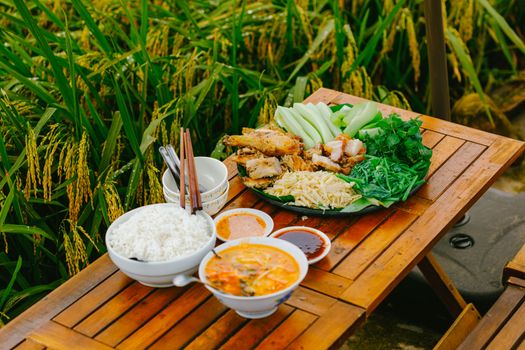
- The Food: While a resort, their commitment to farm-to-table is strong. They grow their own organic coffee (which is exceptional!), fruits, vegetables, and herbs on the plantation. Their restaurants serve authentic Balinese and Indonesian cuisine, with a focus on fresh, local, and seasonal ingredients, many harvested just steps away. They also offer Balinese cooking classes. Learning to make a traditional Balinese curry using ingredients I'd picked myself was a highlight.
- Beyond the Plate: Explore the coffee plantation, learn about Balinese farming, visit nearby waterfalls and temples, or simply relax by the famous infinity pool with panoramic views. They offer a range of activities from yoga to trekking, all designed to connect you with the local environment and culture.
- Price Point: Mid-to-High end. Villas start from around $200-$400+ per night.
- Instagram Factor: Iconic infinity pools with jungle backdrops, vibrant Balinese dishes, lush tropical scenery, and stunning sunsets. #MundukModing #BaliEcoResort
Planning Your Escape: Practical Tips for a Seamless Farm-to-Table Journey
Ready to book your own remote culinary adventure? Here’s some actionable advice to make your trip unforgettable:
- Do Your Research (Beyond the Pretty Pictures): Look for genuine reviews that speak to the authenticity of the farm experience, not just the aesthetics. Check if they are a working farm, a guesthouse with a farm, or a restaurant with a strong local sourcing philosophy.
- Consider the Season: This is crucial for farm-to-table. Peak harvest seasons will offer the freshest produce and often more hands-on activities. However, off-peak might offer a different kind of charm (e.g., truffle hunting in winter) and lower prices.
- Communicate Dietary Needs in Advance: Many remote establishments have limited resources and may require significant notice to accommodate allergies or dietary restrictions. Be clear and communicate early.
- Embrace the Slow Pace: This isn't a race. Leave your city mindset at home. Enjoy the quiet, the rhythm of farm life, and the unhurried meals. Some places might not have a menu – you eat what’s fresh and available, which is part of the adventure!
- Pack Appropriately: Think practical. Sturdy walking shoes are a must, as are layers of clothing. If you plan to participate in farm activities, bring clothes you don't mind getting a little dirty. Don't forget bug spray, especially for rural locations.
- Book Directly & In Advance: Many of these unique places are small, family-run operations. Booking directly supports them best. Due to their popularity and limited capacity, they often book out months, or even a year, in advance – especially for peak seasons.
- Transportation: Remote means remote. Research how you’ll get there. A rental car is often essential, but some places might offer transfers or be accessible by train/bus with a final taxi leg. Don't rely on ride-sharing apps in the middle of nowhere!
- Digital Detox (Optional, but Recommended): While many will have Wi-Fi, consider truly disconnecting. Use the opportunity to read a book, journal, or simply enjoy the peace and quiet.
Making it an Experience: Beyond Just Eating
To truly maximize your remote farm-to-table adventure, engage with more than just your palate:
- Take a Cooking Class: This is often the best way to learn about local ingredients and techniques. Plus, you get to take new skills and recipes home with you.
- Explore the Land: Go for a hike, take a guided nature walk, or simply wander the farm. Understand the ecosystem that produces your food.
- Connect with Your Hosts: Ask questions, share stories, and learn about their passion. These interactions often become the most cherished memories of your trip.
- Visit Local Markets: If there’s a nearby farmers’ market, take the opportunity to see the wider agricultural bounty of the region and meet other local producers.
- Capture the Moments: From the stunning landscapes to the rustic charm of your plate, these experiences are incredibly Instagram-worthy. Share your journey and inspire others!
Savor the Story, Share the Journey
The trend of remote farm-to-table experiences isn't just a fleeting fad; it's a profound shift towards more meaningful and sustainable travel. It's an invitation to slow down, reconnect with the earth, and rediscover the joy of food that truly tells a story. Every bite becomes an act of appreciation, every landscape a moment of awe, and every interaction a genuine connection.
So, are you ready to trade the ordinary for the extraordinary? To taste the true essence of a place, far from the madding crowd? I urge you to bookmark this post, pick your dream destination, and start planning your own remote farm-to-table escape. You won't just come home with incredible photos; you'll return with a renewed spirit, a richer understanding of our world, and a palate forever changed.
What remote farm-to-table experience is calling your name? Share your dream destination or past experiences in the comments below! Let's inspire each other to savor life, one delicious, authentic bite at a time.
---