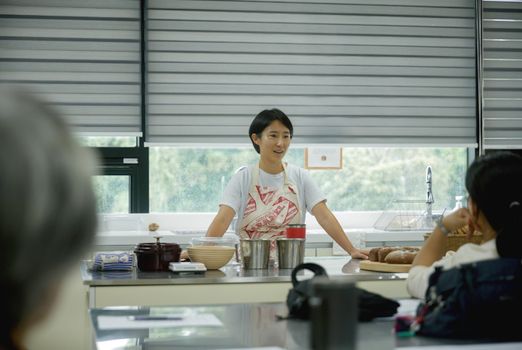
Remember that feeling when you bite into something so utterly delicious, so authentically local, that you wish you could bottle it up and take it home? For years, my travel souvenirs were just that – memories of incredible meals, often fleeting. I’d snap a photo, savor the moment, and then move on, always wondering how I could recreate that magic.
Then came Florence.
It was a crisp autumn morning, and I was bundled up, sipping espresso, when a local friend suggested a cooking class. "But not just any class," she insisted, "one that starts at the Mercato Centrale." Skeptical but intrigued, I agreed. What followed wasn't just a lesson in making pasta; it was a sensory explosion, a cultural deep-dive, and honestly, a life-altering experience. We navigated the bustling market, choosing vibrant produce, sniffing aged cheeses, and chatting with passionate vendors. Back in the sun-drenched kitchen, our chef, a spirited nonna with flour-dusted hands, taught us not just recipes, but stories, traditions, and the very soul of Italian cooking. That day, I didn't just learn to make ravioli; I learned to feel it.
That was my "aha!" moment. I realized that the true heart of any destination isn't just in its landmarks, but in its flavors, its ingredients, and the hands that prepare them. And the best way to tap into that heart? Through cooking classes that seamlessly blend the vibrant chaos of a local market with the intimate instruction of a kitchen.
These aren't your average tourist traps. These are immersive adventures, cultural exchanges, and culinary pilgrimages that deserve a place on every traveler's bucket list. So, grab your apron and your passport – here are the market-to-table cooking classes you absolutely need to experience before you die.
The Magic of the Market: Where Flavors Begin
Before we dive into specific destinations, let's talk about why the market tour is utterly non-negotiable. It’s the prelude, the overture, the essential first act of your culinary play. Without it, you’re just following a recipe. With it, you’re understanding the story behind every ingredient.
Imagine: The vibrant symphony of a bustling souk, the intoxicating aroma of spices, the rhythmic chatter of vendors, the kaleidoscope of fresh produce you’ve never seen before. This isn't just grocery shopping; it's a living museum of local culture. You learn to identify seasonal produce, discover exotic herbs, and understand the economics of daily life. You might haggle (politely!), taste samples offered with a warm smile, and gain insights into culinary traditions directly from the people who live them every day.
My first market tour in Marrakech was a dizzying delight. Our guide, a charismatic local chef, introduced us to piles of saffron, mountains of olives, and baskets brimming with dates. He didn't just point things out; he explained their significance, their role in Moroccan cuisine, and even shared tips on telling good quality from bad. It transformed my understanding of what we were about to cook, making the subsequent kitchen experience infinitely richer. The market is where ingredients come alive, and where your culinary adventure truly begins.
1. Italy: Mastering Pasta & Tuscan Delights in Florence
The Experience:
Italy is synonymous with food, and Florence, the heart of Tuscany, offers an unparalleled opportunity to dive into its rich culinary traditions. My personal favorite here was a class that started early at the iconic Mercato Centrale. We navigated through stalls overflowing with sun-ripened tomatoes, artisanal cheeses, cured meats, and freshly baked bread, our chef explaining the provenance of each ingredient. The air buzzed with energy, and I found myself utterly captivated by the passion of the vendors.
Back in the kitchen, a beautifully restored space overlooking the city, we rolled up our sleeves. Under the patient guidance of our chef, we learned the art of making fresh pasta from scratch – the perfect ratio of eggs to flour, the kneading technique, the delicate rolling. My first attempt was a lumpy disaster, but with a few encouraging words and a gentle correction, I soon had silken sheets of pasta ready for tagliatelle and ravioli. We also tackled a classic Tuscan ragù, a vibrant pesto, and, of course, a creamy tiramisu. The best part? Sitting down together to enjoy the fruits of our labor, paired with local wine, sharing stories and laughter. It felt less like a class and more like a family meal.
What to Expect:
* Location: Florence (many options in Rome, Bologna, and other cities too).
* Typical Class: Hands-on pasta making (ravioli, tagliatelle), a classic sauce (ragù, pesto, cacio e pepe), a main course (e.g., chicken cacciatore, eggplant parmigiana), and a dessert (tiramisu, panna cotta).
* Market: Mercato Centrale (Florence), Campo de' Fiori (Rome).
* Personal Anecdote: I remember the sheer joy of watching a simple mound of flour and eggs transform into delicate pasta. My hands, initially clumsy, eventually found a rhythm, and the sense of accomplishment was immense. The nonna chef even gave me a secret tip for perfectly al dente pasta – a whisper she said only grandmothers share!
* Price Range: €90-€150 per person, usually includes market tour, ingredients, cooking lesson, meal, and wine.
* Instagram Moment: Your perfectly rolled pasta drying on racks, a vibrant plate of fresh tiramisu, or a candid shot of you laughing with your chef in the market.
2. Thailand: Spice, Street Food, & Southern Secrets in Chiang Mai
The Experience:
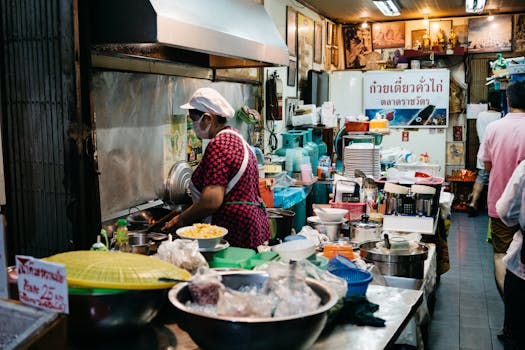
Thailand’s cuisine is an explosion of flavors – sweet, sour, salty, spicy, all in perfect harmony. My journey into Thai cooking began in Chiang Mai, at a cooking school set amidst lush rice paddies. The experience started with a visit to a local market, a chaotic symphony of colors and smells. Our guide, a jovial Thai woman, patiently explained the different types of chilies, the fragrant herbs like galangal and lemongrass, and the various curry pastes. We even learned how to distinguish between different kinds of sticky rice!
Back at the school, each student had their own cooking station, complete with a wok and all the prepped ingredients. We learned to pound our own curry paste from scratch – a surprisingly strenuous but incredibly satisfying task. The aroma alone was intoxicating! Over the course of the day, we prepared iconic dishes like Tom Yum Goong (spicy shrimp soup), Pad Thai, Green Curry, and the irresistible Mango Sticky Rice. The true revelation was understanding the balance of flavors, the "push and pull" that makes Thai food so addictive. Every dish was a mini-masterpiece, and the sense of pride in creating such authentic flavors was immense.
What to Expect:
* Location: Chiang Mai (also excellent options in Bangkok and Phuket).
* Typical Class: Choose 4-5 dishes from a menu (e.g., Tom Yum, Green Curry, Pad Thai, spring rolls, Panang Curry, Mango Sticky Rice). Hands-on curry paste making.
* Market: Local fresh markets, sometimes includes a visit to an organic farm.
* Personal Anecdote: I distinctly remember the moment I tasted my homemade Green Curry – it was spicier than anything I’d ever eaten, but also incredibly nuanced and flavorful. Our instructor watched my eyes water, chuckled, and then showed me how to balance the heat with a little more coconut milk. That's when I truly understood the art of Thai cooking.
* Price Range: ฿800-฿1500 (approx. $25-$50 USD) for a half-day class, including market tour, ingredients, and a cookbook.
* Instagram Moment: Colorful bowls of curry ingredients, your hands expertly tossing Pad Thai in a wok, or a serene shot of the cooking school amidst the rice paddies.
3. Vietnam: Pho, Freshness, & Hoi An's Culinary Charm
The Experience:
Vietnam’s cuisine is renowned for its freshness, vibrant herbs, and delicate balance. Hoi An, with its ancient town and serene river, is an ideal place to immerse yourself. My Hoi An cooking class began with a cycling tour to the bustling central market, where we learned about the local produce and the art of choosing the freshest ingredients. What made this tour extra special was a subsequent boat trip along the Thu Bon River, followed by a basket boat ride through a coconut palm forest to a local herb garden. We picked our own herbs, learning about their medicinal and culinary uses – a truly farm-to-table (or rather, garden-to-table) experience.
In a charming open-air kitchen, we learned to make classic Vietnamese dishes: fresh spring rolls (Gỏi cuốn) that were a revelation, the iconic Banh Xeo (sizzling savory pancakes), and a fragrant Pho. The emphasis was on fresh, light ingredients and the perfect dipping sauces. I loved learning the technique for wrapping spring rolls tightly and the secret to a crispy Banh Xeo. The class culminated in enjoying our delicious creations overlooking the river, a gentle breeze rustling through the palms.
What to Expect:
* Location: Hoi An (excellent options in Hanoi and Ho Chi Minh City too).
* Typical Class: Fresh spring rolls, Banh Xeo, Pho, Vietnamese salad, or a fish dish. Often includes a basket boat ride and herb garden visit.
* Market: Hoi An Central Market, often followed by a boat trip to a farm/herb garden.
* Personal Anecdote: The basket boat ride was surprisingly fun and a little wobbly! But the real highlight was in the herb garden, plucking fresh mint and basil, understanding how each leaf contributes to the complexity of Vietnamese dishes. It felt incredibly authentic and connected to the land.
* Price Range: ₫700,000-₫1,200,000 (approx. $30-$50 USD), often includes transportation, market tour, boat ride, and meal.
* Instagram Moment: Your colorful array of fresh herbs, a perfectly wrapped spring roll, or a scenic shot of the cooking class by the river or during the basket boat ride.
4. Mexico: Salsas, Street Tacos, & Oaxaca's Rich Heritage
The Experience:
Mexican cuisine is a UNESCO Intangible Cultural Heritage, and Oaxaca City, the gastronomic capital, is the place to truly understand its depth. My cooking adventure here started at the vibrant Mercado Benito Juárez and Mercado 20 de Noviembre. The sheer variety of chilies was astounding – dried, fresh, smoked, each with its own unique flavor profile. Our chef guide introduced us to local cheeses, exotic fruits, and the mesmerizing process of grinding corn for tortillas. The highlight was a visit to the pasillo de humo (hall of smoke) where vendors grill meats to order – a truly immersive sensory experience.
In the kitchen, we delved into the complex world of moles. Oaxaca is known for its "seven moles," and we tackled Mole Negro, a rich, dark sauce with dozens of ingredients. It was a labor of love, toasting seeds, grinding spices, and blending chilies. We also learned to make fresh corn tortillas from scratch, which is surprisingly meditative, and a variety of vibrant salsas. The class ended with a feast of our creations, paired with local mezcal, understanding how each dish tells a story of Oaxaca's history and culture.
What to Expect:
* Location: Oaxaca City (also great classes in Mexico City and San Miguel de Allende).
* Typical Class: Mole making (often Mole Negro or Coloradito), fresh tortillas, various salsas, tamales, or a regional specialty.
* Market: Mercado Benito Juárez, Mercado 20 de Noviembre.
* Personal Anecdote: Grinding the toasted spices for mole felt like alchemy. It was a slow, deliberate process that taught me patience and respect for the ingredients. When I finally tasted the rich, complex mole I had helped create, it was a moment of pure culinary bliss.
* Price Range: MXN 1,500-MXN 3,000 (approx. $75-$150 USD), often includes market tour, ingredients, cooking lesson, and meal, sometimes mezcal tasting.
* Instagram Moment: A colorful array of dried chilies, your hands pressing fresh tortillas, or a vibrant plate of mole with a glass of mezcal.
5. Morocco: Tagines, Spices, & Marrakech's Souk Secrets
The Experience:
Marrakech is a city that awakens all your senses, and its cuisine is no exception. My cooking class began with a deep dive into the labyrinthine souks, a journey through a fragrant wonderland of spices, olives, and fresh produce. Our guide, a witty local, taught us how to navigate the bustling alleys, identify the best quality spices, and even how to politely decline persistent vendors! The intoxicating aromas of cumin, turmeric, and saffron filled the air, painting a vivid picture of Moroccan culinary traditions.
The cooking took place in a beautiful riad kitchen, a serene oasis away from the souk’s frenzy. We learned to prepare a traditional chicken tagine with preserved lemons and olives, a fluffy couscous, and a refreshing Moroccan salad. The art of layering flavors in the tagine, balancing the sweet and savory, was a revelation. We also mastered the ritual of making mint tea, pouring it from a height to create the perfect foam. The experience culminated in a communal meal on the riad's rooftop terrace, enjoying our creations under the Moroccan sun, feeling like true locals.
What to Expect:
* Location: Marrakech (also good options in Fes and Essaouira).
* Typical Class: Tagine (chicken, lamb, or vegetable), couscous, Moroccan salad, mint tea, and often a dessert like pastries.
* Market: Djemaa el-Fna souks, local spice shops.
* Personal Anecdote: The sheer volume of spices in the souk was overwhelming, but our guide helped demystify it. I remember the incredible scent of freshly crushed saffron, a luxury I finally understood the value of. And the joy of finally mastering the art of pouring mint tea – a small but significant victory!
* Price Range: MAD 600-MAD 1,000 (approx. $60-$100 USD), includes market tour, ingredients, cooking lesson, and meal.
* Instagram Moment: Heaps of colorful spices in the souk, an ornate tagine bubbling on the stove, or you elegantly pouring mint tea.
6. Peru: Ceviche, Andean Flavors, & Cusco's Culinary Heights
The Experience:
Peruvian cuisine has taken the world by storm, and for good reason. It's a fusion of indigenous traditions with Spanish, African, and Asian influences, resulting in incredibly diverse and flavorful dishes. In Cusco, before venturing to Machu Picchu, I embarked on a culinary journey that started at the vibrant San Pedro Market. This market is a true feast for the senses, with stalls piled high with exotic fruits, vibrant potatoes (thousands of varieties!), quinoa, and an array of fresh seafood (even in the Andes!). Our chef explained the importance of local ingredients and the history behind Peruvian superfoods.
In a cozy kitchen near the city center, we learned to prepare a classic Peruvian ceviche, understanding the delicate balance of fresh fish, lime juice, red onion, and chili. We also delved into the creation of Lomo Saltado, a flavorful stir-fry that showcases the Chinese influence on Peruvian cooking, and a traditional causa rellena (layered potato dish). The class emphasized the use of fresh, local ingredients and the distinct flavors of the Andes. Enjoying our beautifully plated dishes, paired with a Pisco Sour, felt like a true celebration of Peruvian culture.
What to Expect:
* Location: Cusco (also fantastic classes in Lima).
* Typical Class: Ceviche, Lomo Saltado, Aji de Gallina, Causa Rellena, or a traditional soup. Often includes Pisco Sour making.
* Market: Mercado San Pedro.
* Personal Anecdote: The sheer variety of potatoes at San Pedro Market blew my mind! Our chef pointed out purple, yellow, and even blue potatoes, each with a different texture and flavor. It made me realize how much more there is to learn about simple ingredients. Making ceviche was also a revelation – the simplicity of the ingredients belied the incredible explosion of flavor.
* Price Range: PEN 150-PEN 300 (approx. $40-$80 USD), includes market tour, ingredients, cooking lesson, and meal, often a Pisco Sour.
* Instagram Moment: A colorful display of Peruvian potatoes, your fresh ceviche glistening, or a shot of you making a Pisco Sour.
Practical Tips for Your Culinary Quest
Ready to embark on your own foodie pilgrimage? Here are some actionable tips to make the most of your market-to-table cooking class experience:
- Book in Advance: Especially for popular schools or during peak season, classes fill up quickly. Don't leave it to the last minute!
- Read Reviews: Look for classes with small group sizes, hands-on instruction (not just demonstration), and excellent reviews focusing on the market tour aspect.
- Check Dietary Restrictions: Most classes are accommodating, but always inform them of any allergies or dietary needs (vegetarian, vegan, gluten-free) when booking.
- Go Hungry (and Thirsty!): You'll be tasting a lot, both at the market and during the cooking process, and then enjoying a full meal. Skip breakfast or have a light one.
- Bring a Camera (and an Empty Phone): You'll want to capture the vibrant market scenes, the cooking process, and your delicious creations. Make sure your phone has enough storage!
- Pack a Small Notebook: Jot down recipes, tips, and personal anecdotes. Some schools provide recipe cards, but your own notes add a personal touch.
- Wear Comfortable Shoes: Market tours can involve a lot of walking, and you'll be standing during the cooking.
- Embrace the Culture: Be open to new flavors, different cooking methods, and interacting with locals. Ask questions, share stories, and let yourself be fully immersed.
- Don't Be Afraid to Get Your Hands Dirty: The best classes are hands-on. Knead that dough, pound that paste, chop those vegetables! That's where the real learning happens.
- Ask for Local Recommendations: Your chef or guide will have incredible insights into other local eateries, hidden gems, and things to do. Don't hesitate to ask!
Conclusion: The Ultimate Souvenir
These market-to-table cooking classes are more than just a fun activity; they are profound cultural experiences that connect you to a destination in a way few other things can. They teach you not just how to cook, but how to appreciate the nuances of a culture, the stories behind its food, and the joy of sharing a meal. You'll leave with new skills, unforgettable memories, and the ultimate souvenir: the ability to recreate those incredible flavors in your own kitchen, forever transporting you back to that bustling market and that warm, inviting kitchen.
So, which culinary adventure will you embark on first? Will it be the rustic charm of Tuscany, the spicy delights of Thailand, or the ancient traditions of Oaxaca? Don't just dream about it – start planning your foodie bucket list today! Share your dream destination in the comments below, and let's inspire each other's next great culinary journey.
---