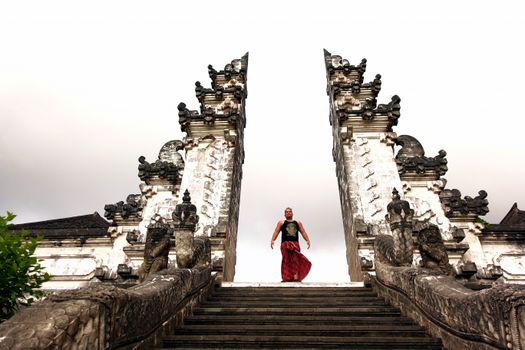
Historic temples are often designed with careful attention to space, light and sound. Thick walls, high ceilings and stone surfaces can produce long reverberation, and some sites host concerts, chanting sessions or sound-based gatherings that make use of these qualities. In recent years, many of these events have been marketed as sound healing or sound baths. For visitors, they can be atmospheric and memorable. It is worth separating the experience itself, which can be enjoyable, from claims about health outcomes, which are not established by good evidence. This guide explains what to expect and how to attend respectfully.
The format of a typical sound event
A sound event may involve a guided session in which participants sit or lie down while a practitioner or musician plays instruments such as singing bowls, gongs, drums or chimes. Some sessions include breathing exercises or short periods of silence. Others are traditional music performances or chanting led by monks or cultural groups. Duration can range from under an hour to several hours. Read the event description carefully, since the format and purpose vary widely.
Historic temples as venues
Temples and ancient sites may be used for these events in different ways. Some are operated by religious communities, who may host ceremonies or invite guests for specific occasions. Others are cultural sites managed by government bodies or heritage organizations that permit approved events. Permission rules and conservation limits often apply, such as restrictions on loud amplification or movement on fragile floors. Ask the venue or organizer about these requirements.
Separating atmosphere from health claims
Many marketing materials describe sound experiences as healing or as treatments for stress, pain or other conditions. Research on sound and relaxation is ongoing, and any benefits people report should be understood as personal experiences rather than proven medical results. Do not replace medical advice, medication or therapy with a sound event. If you have a health condition, speak with a qualified professional. Treat claims of cures with skepticism, and be cautious of organizers who guarantee outcomes.
Respecting sacred spaces
Temples are living places of worship for many people, even when they are also heritage sites. Dress modestly, remove shoes where required, and follow instructions from staff. Keep voices low, switch phones to silent and avoid photographing during ceremonies unless permitted. If you are invited to sit in a particular area, observe where others are sitting and follow their lead.
Choosing an event
Look for events run by established organizers who explain the programme, the performers and the venue's permissions clearly. Check whether the event supports the temple or community, and whether the fee is transparent. Read recent participant feedback, while keeping in mind that individual experiences vary. Avoid events that pressure you to buy additional products or sessions.
Accessibility and comfort
Many temple spaces have stone floors, steps and limited seating. Some sessions involve lying on mats or sitting for long periods. Check whether cushions, chairs or blankets are provided, and consider whether the environment is suitable for your mobility. Temperatures can be cool inside thick-walled buildings, so bring a light layer.
Practical tips
Book in advance and confirm the start time and meeting point. Arrive early to find your place and to observe the space quietly. Bring a water bottle, a small scarf to cover your shoulders, and earplugs if sound levels concern you. Keep a notebook if you want to record your impressions, and avoid recording the performance without permission. Show gratitude to performers and staff, and consider leaving a respectful donation if the venue or community requests support. Finally, combine the event with a daytime visit to the temple to appreciate its architecture.
Common mistakes to avoid
Assuming that a sound event will be relaxing for everyone is a common error. Sudden loud tones, low frequencies and long sessions can be uncomfortable for some people, so check the format before booking. Another mistake is paying for add-on sessions or retreat packages without understanding what is included. Some visitors expect a temple to host events at any time, when access is often limited to scheduled occasions. Taking a long journey for a single event without checking the cancellation policy can be costly if dates change. Others attend with unrealistic expectations of a dramatic personal change, which can leave them disappointed. Entering a sacred space without asking how the community views sound-based events is also an oversight, since opinions and permissions can differ.
Who this suits and who it doesn't
A sound event in a historic temple suits people who enjoy music, acoustics and architecture, and who value quiet reflection. It can suit travelers who want a cultural evening rather than an active day, and those who are comfortable sitting or lying still for a while. It is less suitable for people with hearing sensitivity, those who find loud or low sounds uncomfortable, anyone with a condition that makes long sessions difficult, and people who need medical care rather than a relaxing experience. Those who prefer a more active or social programme may find a concert or guided walk more enjoyable. People who are uncertain about a particular event can ask the organiser for a clear description before deciding.
Frequently asked questions
Can a sound event replace medical treatment?
No. Sound experiences are not a substitute for medical advice, medication or therapy, and any health concern should be discussed with a qualified professional.
What if I arrive late?
Ask the organiser whether late entry is allowed. Many sessions begin with instructions, and arriving during the performance can disturb others.
How should I choose between a commercial event and a community performance?
Look at who runs it, how the venue is involved and whether the programme is explained clearly. Community-led events may offer a more authentic context.
Sound experiences in historic temples can offer a rich sense of place and quiet reflection. Approached with curiosity, respect and a clear understanding of what is and is not established, they can be a thoughtful part of a cultural journey.