The Tap-and-Go Revolution: How Contactless is Saving Your Most Valuable Asset (Time)
I stepped off the train at London's King’s Cross station, the scent of damp pavement and roasted espresso beans hanging heavy in the cool morning air. Around me, a tidal wave of morning commuters surged toward the Underground barriers. A decade ago, this moment would have involved a frantic, pocket-patting search for a cardboard Oyster card, or worse, standing in a soul-crushing queue at a ticket machine while my train connection ticked away.
Instead, I didn’t even slow my stride.
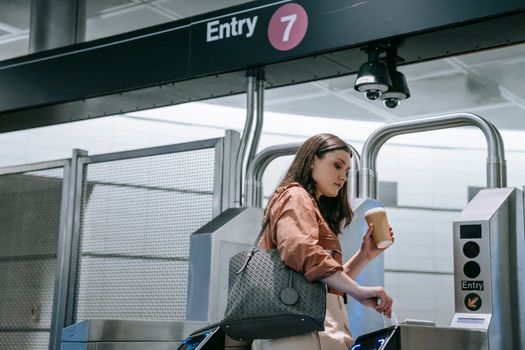
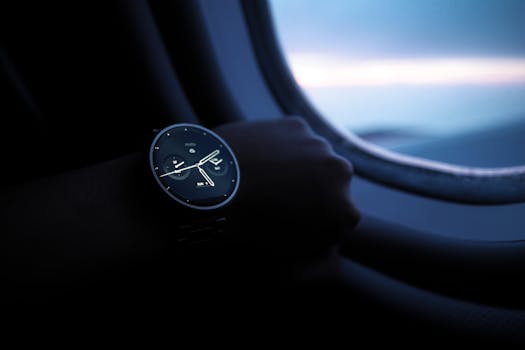
I reached out my hand, tapped the face of my Apple Watch against the yellow reader, and heard the satisfying, high-pitched chirp of the turnstile opening. Total transaction time? Less than 150 milliseconds.
This isn't just convenience; it’s a quiet revolution. Contactless systems improving efficiency right now are dismantling the friction points of global travel. We are moving away from the era of physical documents, keys, and cash, and entering an age of seamless, biometric, and NFC-driven movement.
If you want to navigate the globe like an elite traveler, you need to understand how to leverage these systems to bypass crowds, secure your data, and claw back hours of wasted vacation time. Let’s dive into the exact systems changing the game today.
---
1. Smart Transit: The Death of the Physical Ticket
The days of translating foreign-language ticket kiosks or carrying pockets of loose change for subway fares are officially dead. Major global metropolises have upgraded their transit networks to accept open-loop contactless EMV payments (credit/debit cards and digital wallets) or integrated closed-loop smart cards directly into smartphones.
The Tokyo Standard: FeliCa and the Digital Suica
If you are traveling to Japan, do not stand in line for a physical welcome IC card. Japan’s transit system runs on FeliCa technology, an ultra-high-speed contactless standard that processes transactions in a fraction of a second to prevent station bottlenecks.
- How to exploit it: You can add a digital Suica or Pasmo card directly to your Apple Wallet or Google Wallet in seconds.
- The Insider Setup: Go to your wallet app, select "Transit Card," search for "Suica," and load it using a Mastercard or American Express linked to your phone (Visa can occasionally experience security flags with Japanese transit loading).
- Pro-Tip: Turn on Express Transit Mode in your phone settings. This allows you to tap through the gates without waking your phone, opening an app, or using FaceID. It even works for up to five hours after your phone battery dies.
London and New York: Tap-and-Go EMV
London’s TfL (Transport for London) and New York’s OMNY (One Metro New York) systems allow you to bypass transit cards entirely. You simply tap your standard contactless bank card or phone at the turnstile.
- The Efficiency Win: These systems feature automatic fare capping. In London, the system calculates your journeys throughout the day/week and automatically stops charging you once you hit the price of a daily or weekly travelcard. No pre-planning required.
---
2. Biometric Borders: Passing Through Airports at Walking Speed
Airports have historically been the ultimate killers of travel joy. However, the integration of facial recognition and biometric databases is turning international departures into a hands-free walk in the park.
```
[Traditional Airport Flow: 60-90 Mins]
Check-In Desk ➔ Security Document Check ➔ Passport Control ➔ Boarding Gate Queue
[Biometric Contactless Flow: 15-20 Mins]
Self-Bag Drop (Face Scan) ➔ Biometric Security Gate ➔ Walk-Through Boarding
```
Singapore Changi: The Gold Standard of Frictionless Travel
Singapore’s Changi Airport (consistently ranked the world's best) is leading the charge with its OneID system. By utilizing facial biometrics from check-in to boarding, travelers can keep their passports and boarding passes tucked securely in their bags.
- How it works: When you check in at a kiosk, your face is scanned and linked to your digital passport and flight details. From that moment on, your face is your boarding pass. The automated immigration gates and boarding gates open simply by looking into a camera lens for one second.
- Pro-Tip: If you are flying into Singapore, you must submit your SG Arrival Card online up to three days before landing. This links your biometric data to the automated customs lanes, allowing you to bypass the manual immigration queues entirely upon arrival.
CLEAR and TSA PreCheck (USA)
For those navigating the often-chaotic airports of the United States, pairing TSA PreCheck with CLEAR Lane access is the ultimate contactless power move. CLEAR uses iris scans and facial recognition to verify your identity, allowing you to skip the physical ID check entirely and head straight to the baggage scanners.
---
3. Keyless Hospitality: Bypassing the Front Desk Check-In
We’ve all been there: you’ve just survived a 10-hour red-eye flight, only to arrive at your hotel at 2:00 PM to find a line of twenty weary travelers waiting to check in at the front desk.
Modern hospitality brands are fixing this bottleneck by shifting the entire check-in process to your personal device.
```
Traditional Hotel Check-In:
1. Wait in lobby line (15 mins)
2. Present ID and credit card
3. Wait for physical key card coding
4. Walk to elevator
Keyless Digital Check-In:
1. Check-in via mobile app en route (60 seconds)
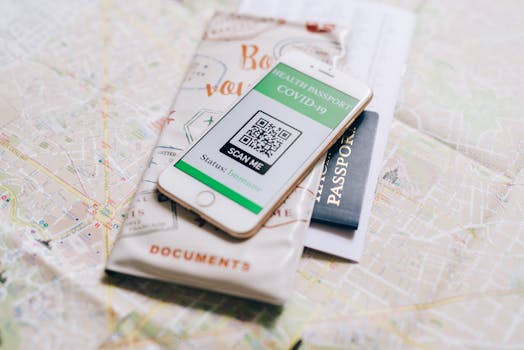
2. Receive digital room key in Apple/Google Wallet
3. Walk directly to room; tap phone to door lock
```
The CitizenM and Marriott Bonvoy Experience
Innovative hotel groups like CitizenM and Marriott International have turned their mobile apps into digital command centers.
- The Workflow: You check in via the app 24 hours before arrival, upload your ID, and pre-authorize your credit card. When your room is ready, you receive a push notification containing a secure, Bluetooth-enabled Digital Key.
- The Execution: Upon arriving at the hotel, you bypass the lobby entirely, walk straight to your room, hold your phone near the door lock, and listen for the satisfying click of the deadbolt.
- Pro-Tip: If the digital key isn't registering, don't panic. Hold your phone about two inches away from the reader at a slight angle rather than pressing it flat against the door. This allows the Bluetooth/NFC antennas to align perfectly.
---
4. Cashless and Contactless Dining: The New Culinary Etiquette
The culinary world has undergone a massive digital transformation. In many of the world's most progressive culinary capitals, physical menus and cash registers have become relics of the past.
```
+------------------+-------------------------------------------------------------+
| City | Contactless Dining Culture |
+------------------+-------------------------------------------------------------+
| Stockholm, SE | Almost 100% cashless. Card or Swish only; even for bakeries. |
| Seoul, KR | QR-code ordering at tables; self-serve kiosk checkouts. |
| Tokyo, JP | Ticket vending machines with NFC/Suica payment at entry. |
+------------------+-------------------------------------------------------------+
```
Stockholm’s Cashless Revolution
If you try to hand a Swedish barista a 100-kronor bill for a cardamom bun at a trendy café like Johan & Nyström, they will likely look at you with polite confusion. Sweden is rapidly becoming a completely cashless society.
- The Efficiency Win: Transactions are purely digital. You tap your card or phone, and the receipt is emailed or texted to you instantly. This eliminates cash-handling errors, speeds up table turnover, and keeps queues moving at breakneck speed.
- Pro-Tip: When paying via a contactless terminal abroad, the machine may ask if you want to be charged in your home currency or the local currency. Always choose local currency. Choosing your home currency triggers Dynamic Currency Conversion (DCC), which tacks on a hidden 3% to 5% markup on the exchange rate.
---
5. Smart Luggage Tracking: Never Wonder Where Your Bags Are Again
There is no anxiety quite like standing at a baggage carousel as the crowd thins out, wondering if your suitcase made the connection in Frankfurt. Contactless tracking technology has put the power back into the hands of the traveler.
The Power of Bluetooth Trackers
By slipping an Apple AirTag or SmartTag into the lining of your suitcase, you tap into a global, crowdsourced network of devices that can pinpoint your bag’s location to within inches.
- The Real-World Use Case: While the airline's ground crew is still scrambling to locate a delayed bag, you can look at your phone, see that your suitcase is currently sitting on the tarmac at Terminal 3, and present this exact data to the baggage claim agent. It turns a helpless situation into an actionable one.
- Pro-Tip: Place your AirTag inside a pocket near the top or side of your suitcase, rather than buried deep under heavy clothes or wrapped in aluminum toiletries bags, to ensure the Bluetooth signal penetrates the suitcase shell easily.
---
Quick Facts: Your Contactless Travel Cheat Sheet
Need a quick breakdown of where and how to deploy these systems? Use this quick reference guide for your next global adventure.
| System Type | Primary Global Locations | Estimated Cost ($) | Best Time to Use | Insider Setup Hack |
| :--- | :--- | :--- | :--- | :--- |
| Digital Transit Cards | Tokyo, London, New York, Sydney | Free (just load fare) | Rush hours (7-9 AM, 5-7 PM) | Link to Apple/Google Wallet before departing your home country. |
| Biometric Clearance | Singapore (Changi), US (CLEAR) | $0 - $189/year | Peak holiday travel windows | Complete online customs declarations 72 hours prior to flight. |
| Digital Hotel Keys | Global (Marriott, Hilton, CitizenM) | Free (with booking) | Late-night arrivals | Enable Bluetooth and background app refresh on your device. |
| Contactless Payments | Europe, UK, Australia, East Asia | Free | Everyday transactions | Keep a backup physical card in an RFID-blocking sleeve. |
---
Overcoming the Roadblocks: When Contactless Fails
While these systems are incredibly efficient, relying 100% on technology requires a smart backup strategy. Here is how to ensure you are never stranded when the digital grid hiccups.
1. Battery Anxiety (Power is King)
A dead phone battery means no transit card, no hotel key, and no boarding pass.
* The Fix: Always carry an ultra-slim, MagSafe-compatible power bank (like an Anker or Shargeek) in your pocket. Treat a 20% battery warning as an absolute emergency.
2. The Physical Backup Card
Occasionally, localized NFC terminals will reject foreign mobile wallets due to security protocols.
* The Fix: Carry at least one physical, contactless-enabled Visa or Mastercard tucked into an RFID-blocking card holder inside your front pocket. This gives you the speed of contactless without relying on your phone's software.
3. Data Connectivity Issues
When landing in a new country, your phone might take a few minutes to register on a local roaming network, rendering online apps temporarily useless.
* The Fix: Download your digital boarding passes, hotel confirmation QR codes, and offline Google Maps before you board your flight. Apple Wallet items work completely offline, so load them up while you still have airport Wi-Fi.
---
The Verdict: Travel Light, Travel Fast
The era of the "clunky traveler"—weighed down by thick leather wallets, paper itineraries, plastic key cards, and printouts—is officially over. By embracing contactless systems improving efficiency right now, you aren't just saving minutes; you are eliminating the micro-stressors that accumulate to drain your vacation energy.
On your next trip, challenge yourself to go entirely hands-free. Feel the thrill of walking through an airport gate with nothing but a glance, tapping onto a high-speed train with a flick of your wrist, and opening your hotel door with your phone.
The future of travel is frictionless. It’s time to start living it.
---