The Sweetest Travel Trend You Haven't Tried Yet
I stepped off the vintage wooden train in Radovljica, Slovenia, and immediately inhaled a scent that would redefine my understanding of travel. It wasn’t the crisp alpine air of the Karawanks, nor was it the smell of woodsmoke from nearby chalets. It was a rich, heavy, intoxicating aroma of warm beeswax, propolis, and caramelized linden blossoms drifting from a nearby apiary.
Thirty minutes later, clad in a pristine white canvas protective suit, I was holding a buzzing wooden frame containing roughly 10,000 Carniolan honeybees. The vibration ran up my arms—a low, soothing, collective hum that felt less like danger and more like a meditative pulse.
When my host scraped a dollop of pale, greenish-gold linden honey straight from the comb onto a wooden spatula, my palate was changed forever. It was minty, sharp, slightly medicinal, and utterly distinct from the pasteurized, plastic-bear-bound liquids found in supermarkets.
This is the world of apitourism.
As travelers search for deeper connections to local ecosystems and culinary heritages, top-tier travel advisors are steering clients away from standard wine tastings and toward hands-on beekeeping experiences. Here is the definitive guide to the most exclusive, immersive, and sensory-rich beekeeping and honey-tasting experiences across the globe.
---
1. The Alpine Pioneers: Radovljica, Slovenia
Slovenia is the undisputed cradle of modern apiculture. It is the country that successfully lobbied the United Nations to declare May 20th as World Bee Day, and its love affair with the Carniolan honeybee (Apis mellifera carnica) spans centuries.
```
_____
_ /_|_|_\\ _ [ The Painted Beehouses of Slovenia ]
(_/_______\\_) These historic wooden hives feature folk-art panels
| _ | dating back to the 18th century, designed to help
|__(#)__| bees navigate back to their specific colony.
```
The Experience
In the historic town of Radovljica, you don't just taste honey; you inhale it. At local apiaries, travel advisors recommend booking an api-aerotherapy session. You lie down inside a fragrant wooden cabin lined with active hives, breathing in the warm, aerosolized hive air filtered through mesh screens. Rich in propolis, royal jelly, and beeswax vapor, this air is prized for its respiratory benefits.
Following your therapy session, you will partake in a professional honey flight led by a certified honey sommelier. You will taste everything from dark, mineral-rich fir honey to delicate acacia honey, paired with local cheeses and dry Slovenian sparkling wines.
- Insider Pro-Tip: Request a visit to the municipal apiary behind the Lectar Museum. The entrance is a low, unvarnished wooden door behind the gingerbread workshop. Ask for Gregor; he keeps a reserve bottle of 10-year-aged sparkling honey mead hidden under the floorboards for true enthusiasts.
- Best Time to Visit: June to August, when the alpine wildflowers are in full, glorious bloom.
---
2. The Sacred Maya Tradition: Yucatan Peninsula, Mexico
Deep in the dry forests of the Yucatan, a stingless, ancient bee holds the key to Mayan cosmology and modern ecological restoration.
```
=========================================
THE LEGEND OF XUNÁN KAB
-----------------------------------------
The Melipona beecheii (Xunán Kab) has
been cultivated by the Maya for over a
thousand years. Lacking a stinger, these
bees nest in hollow logs called "jobones."
=========================================
```
The Experience
Located just outside the colonial town of Valladolid, the Xunnan Kab Sanctuary offers a rare glimpse into meliponiculture. Led by local Mayan guides, you will learn how these tiny, blue-eyed bees build intricate wax structures that resemble miniature golden amphorae rather than traditional hexagonal combs.
The honey of the Melipona bee is legendary. Because these bees feed on rare jungle flora, their honey is highly acidic, incredibly runny, and packed with antibiotic properties. It tastes of citrus, fermented stone fruit, and damp earth.
- Insider Pro-Tip: Skip the commercial tour buses in Valladolid and hire a private driver to take you to the tiny cooperative of Nuevo Durango. The turn-off is marked only by a hand-painted blue sign reading "Abejas Mayas." Here, you can taste the honey directly from the clay pots using a sterilized glass dropper.
- Best Time to Visit: December to April, during the dry season when the jungle trails are easily navigable.
---
3. The Tuscan Terroir: Pienza, Italy
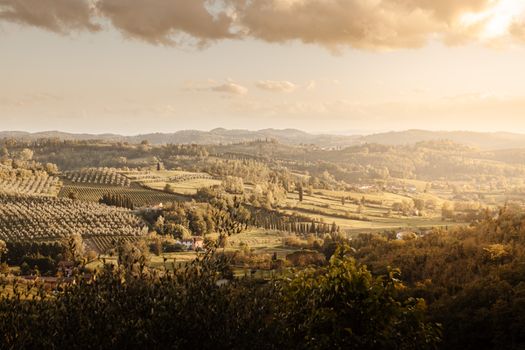
Tuscany is famous for its Sangiovese grapes and extra virgin olive oil, but its rolling clay hills also yield some of the finest honey varietals in Southern Europe.
The Experience
At Podere Il Casale, an organic farm overlooking the dramatic Val d’Orcia, beekeeping is treated with the same reverence as winemaking. Here, the focus is on monofloral honeys—honeys derived from a single plant species.
During your private session, you’ll suit up and walk through the silver-leafed olive groves to the apiary. You’ll learn how the bees forage on wild clover (sulla), chestnut trees, and wild thyme.
The highlight is the structured pairing lunch on the panoramic terrace. A honey sommelier will guide you through matching:
* Miele di Castagno (Chestnut Honey): Dark, bitter, and woody; paired with aged Pecorino di Pienza.
* Miele di Sulla (Clover Honey): Delicate, floral, and creamy; paired with fresh ricotta and raw zucchini ribbons.
* Miele di Erica (Heather Honey): Anise-forward and caramel-like; drizzled over slow-roasted pork belly.
- Insider Pro-Tip: Book the 4:00 PM Golden Hour Tasting. As the sun dips below the Tuscan hills, the light hitting the glass jars of honey makes them glow like liquid amber, providing the ultimate photo opportunity.
- Best Time to Visit: May (for clover and wildflower honey) or September (for forest honeys).
---
4. Wild Thyme and Mythic Hives: Chania, Crete
In Greek mythology, Zeus was raised in a cave on Crete, fed on milk and wild thyme honey by the nymph Melissa. Today, Cretan thyme honey remains one of the most sought-after culinary treasures in the Mediterranean.
```
/\_/\
( o.o ) <- The Cretan Badger (and other local fauna)
> ^ < frequently try to raid these mountain hives!
```
The Experience
High in the foothills of the White Mountains (Lefka Ori), the rugged landscape is covered in wild, sun-baked thyme bushes. Travel advisors suggest booking a private excursion with The Melidoni Land, a family-run apiary that has practiced nomadic beekeeping for generations.
To get there, you’ll ride in an open-top 4x4 up steep, gravelly tracks lined with dry-stone walls. Once at the hives, you’ll assist the beekeeper in using a traditional copper smoker filled with dried pine needles and wild sage to calm the bees.
The resulting honey is thick, slow-pouring, and intensely aromatic, with a distinct herbal burn at the back of the throat that pairs perfectly with thick, strained Cretan yogurt and fresh walnuts.
- Insider Pro-Tip: Wear thick, high-ankle hiking boots and long socks. The wild thyme and gorse bushes are incredibly prickly, and you will need to walk through them to reach the best mountain hives.
- Best Time to Visit: Late June to July, when the thyme blossoms paint the rocky mountainsides a light shade of purple.
---
5. The Rooftop Revolution: Kyoto, Japan
Urban beekeeping has taken off in global metropolises, but nowhere is it executed with such poetic precision as in Kyoto.
The Experience
Hidden away from the bustling streets of the Gion district, a small collective of urban beekeepers maintains hives on the rooftops of traditional wooden machiya townhouses. These bees forage in the historic gardens of nearby Buddhist temples, gathering nectar from cherry blossoms, plum trees, and mountain wisteria.
Your experience begins with a climb up a narrow, steep wooden ladder to a secluded rooftop garden. Here, you’ll observe how the Japanese honeybee (Apis cerana japonica) differs from its European counterpart—they are smaller, darker, and possess a unique collective defense mechanism against predatory hornets.
The honey tasting takes place in a minimalist tatami room below. You will taste Sakura Honey (light, fleetingly sweet, with a distinct cherry-blossom aroma) and Soba Honey (dark, earthy, reminiscent of molasses and buckwheat), served alongside delicate matcha tea and seasonal wagashi sweets.
- Insider Pro-Tip: The entrance to this private apiary is unmarked. Look for the brass bell shaped like a beehive next to the sliding wooden screen doors on Shijo-dori. You must ring it twice to alert the host.
- Best Time to Visit: early April (for the legendary Sakura honey harvest) or November (for the rich ivy honey).
---
The Honey Sommelier’s Tasting Guide
To truly appreciate these experiences, you must learn to taste honey like a professional. Put away any notions of "just sweet." High-quality raw honey has over 300 volatile aroma compounds.
```
[ THE HONEY EVALUATION WHEEL ]
/ Floral (Acacia, Orange Blossom)
/ Herbal (Thyme, Sage)
Raw Honey ----*---- Warm (Caramel, Toffee, Butterscotch)
\ Woody (Chestnut, Fir, Oak)
\ Animal (Leather, Musk, Yeast)
```
How to Taste:
1. The Visual: Hold the jar or spoon up to the light. Note the color (ranging from water-white to deep black-brown) and clarity. Is it brilliant, or is it cloudy with suspended pollen grains?
2. The Aroma: Warm the tasting glass in your hands, cover it, shake it slightly, and then take a deep sniff. Look for primary notes (flowers, fruit) and secondary notes (wet wood, leather, yeast).
3. The Texture: Place a small spoonful on your tongue. Do not swallow immediately. Let it melt. Note the viscosity (thin and watery or thick and syrupy?) and the crystallization (smooth like butter or gritty like sugar?).
4. The Finish: As the honey dissolves, note the evolution of flavors. Does it end with a sharp hit of acidity, a lingering herbal bitterness, or a clean, warm sweetness?
---
Quick Facts & Logistics
| Destination | Est. Cost (USD) | Best Time to Visit | How to Get There | Key Honey Varietal |
| :--- | :--- | :--- | :--- | :--- |
| Radovljica, Slovenia | $75 - $150 | June – August | Train from Ljubljana (30 mins) | Linden & Spruce |
| Yucatan, Mexico | $50 - $120 | Dec – April | Private car from Valladolid (45 mins) | Melipona (Citrusy/Sour) |
| Pienza, Italy | $120 - $250 | May – Sept | Rental car from Florence (1.5 hours) | Chestnut & Sulla Clover |
| Chania, Greece | $90 - $180 | June – July | 4x4 transfer from Chania Town (40 mins) | Wild Mountain Thyme |
| Kyoto, Japan | $150 - $300 | April & Nov | Short walk from Gion-Shijo Station | Cherry Blossom & Soba |
---
What to Wear & Apiary Etiquette
- Avoid Fragrances: Bees communicate via pheromones. Do not wear perfumes, scented lotions, or strongly scented deodorants, as these can agitate the colony.
- Dress in Light Colors: Bees associate dark, textured clothing (like black fleece) with natural predators like bears and badgers. Opt for white, beige, or light pastel clothing.
- Wear Closed-Toe Shoes: You will be walking through tall grass or uneven terrain where bees may be foraging on ground clover. Leave the sandals at the hotel.
- Stay Calm: If a bee flies near your face, do not panic or flail your arms. Simply close your eyes, take a deep breath, and let the bee realize you are not a flower.
---
FEATURED_IMAGE_PROMPT:
A stunning, wide-angle cinematic shot captured during the golden hour in a rustic Tuscan apiary overlooking the rolling clay hills of the Val d'Orcia. In the foreground, a professional female travel journalist and an elderly Italian artisanal beekeeper, both dressed in stylish, cream-colored linen protective bee suits with the veils thrown back, are smiling as they examine a glowing, backlit wooden frame dripping with fresh, golden honey. Dozens of honeybees hover peacefully in the warm, dust-mote-filled air. In the background, cypress trees line a winding dirt road under a soft, peach-and-lavender sunset sky. The lighting is warm, diffused, and highly detailed, captured on a 50mm lens with a shallow depth of field.
---
TAGS:
#Apitourism #HoneyTasting #LuxuryAgritourism #SloveniaTravel #TuscanyExperiences #YucatanTravel #KyotoHiddenGems #SustainableTravel #FoodieItineraries #TripsoraGuides