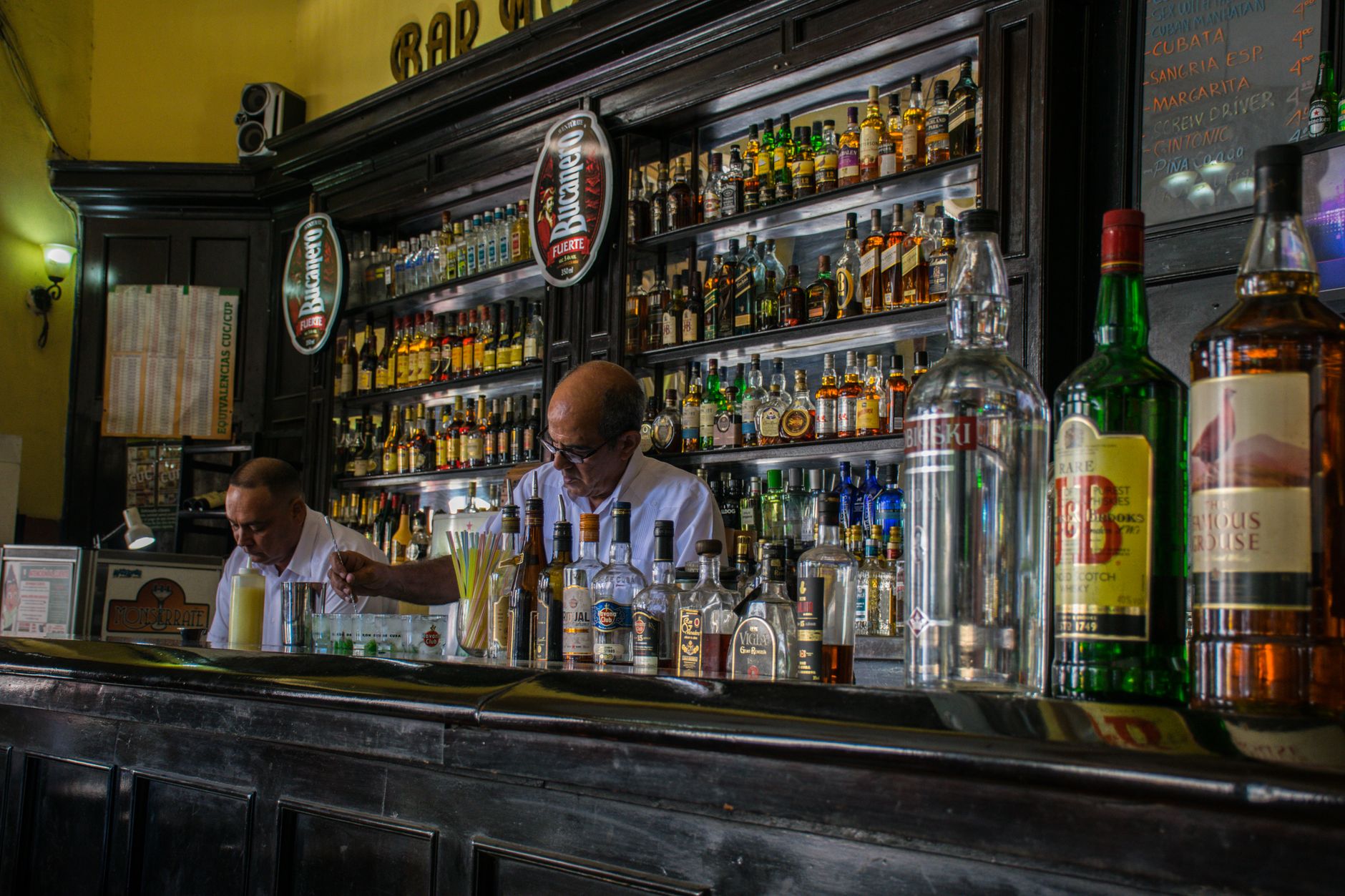
The Taste of Freedom: My Journey Beyond the Forbidden
There’s a unique kind of wonder that blossoms when you encounter something you’ve only ever heard whispered about – something deemed 'forbidden' in your own corner of the world. For me, growing up in a place with strict regulations around certain beverages, the very concept of a 'drink' was rather... conservative. My palate knew the familiar, the sanctioned, the safe. I imagined a world where these elusive elixirs existed, but they felt like mythical beasts, confined to ancient texts and daring tales.
Then, I started traveling. And with each stamp on my passport, my world didn't just expand geographically; it exploded in a symphony of flavors, aromas, and cultural rituals I never knew existed. It wasn't just about tasting new drinks; it was about tasting freedom, challenging my preconceptions, and finding profound connections in unexpected sips. These weren't just beverages; they were liquid history, social glue, and sometimes, even a path to self-discovery.
Join me as I recount five incredible encounters with drinks that were either banned, heavily restricted, or simply unheard of where I grew up. These aren't just stories about alcohol; they're tales of cultural immersion, breaking boundaries, and how a single glass can change your life forever.
1. The Green Fairy's Embrace: Absinthe in Prague, Czech Republic
My first encounter with the legendary Absinthe felt like stepping into a gothic novel. Back home, the mere mention of it conjured images of hallucination, madness, and artistic excess – a potent, dangerous spirit best left to the annals of history. But in the dimly lit, velvet-clad Absintherie in Prague, it was presented not as a vice, but as an art form, a historical relic to be revered.
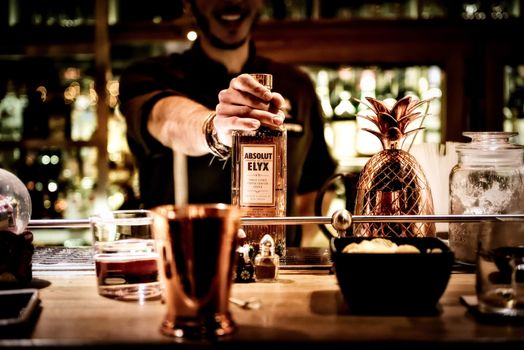
Prague, with its cobblestone streets and centuries-old charm, felt like the perfect backdrop for this initiation. I remember the bartender, a man with a theatrical flair, placing a delicate slotted spoon over my glass, a sugar cube nestled on top. Slowly, precisely, he dripped ice-cold water over the sugar, watching as the clear emerald liquid transformed into a milky, opalescent swirl – the famous 'louche.' The aroma was intoxicating: a complex symphony of anise, fennel, and wormwood, far more nuanced than I'd imagined.
My first sip was a revelation. It wasn't the fiery, mind-altering potion of legend. Instead, it was smooth, herbal, and surprisingly refreshing, with a clean, lingering finish. The 'green fairy' didn't make me hallucinate, but it did ignite a different kind of awakening. It was a taste of history, a connection to the rebellious artists and thinkers who had once sought inspiration in its depths. It taught me that often, the most 'forbidden' things are simply misunderstood, their reputations exaggerated by fear and ignorance. It challenged me to question narratives and seek truth for myself.
Tripsora Tip:
Don't just drink absinthe; experience it. Seek out reputable absintheries (like the original Absintherie in Prague's Old Town, where a quality glass might set you back around 250-350 CZK, or roughly $10-15 USD). Ask about the different types – true absinthe is made with wormwood and adheres to strict EU regulations, so avoid the brightly colored, overly sweet imitations often sold as souvenirs. Proper preparation is key: slow drip, sugar cube, and patience.
2. The Milky Bond: Arak in Beirut, Lebanon
From the solitary ritual of absinthe, my journey took me to the vibrant, communal world of Arak in Beirut, Lebanon. This anise-flavored spirit, similar to Greek Ouzo or Turkish Raki, was another forbidden fruit from my upbringing – a high-proof spirit often associated with specific cultural practices completely alien to my home. In Lebanon, however, Arak is more than just a drink; it’s a cornerstone of hospitality, a companion to every meal, and a catalyst for connection.
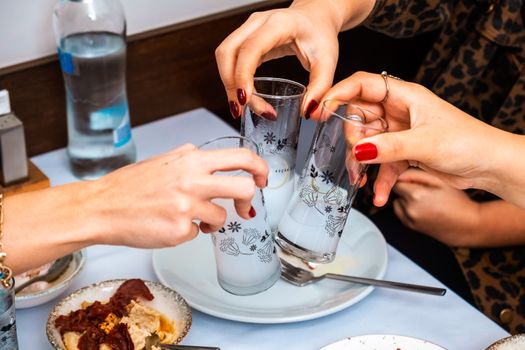
My first taste was at a bustling family-run restaurant in the Chouf Mountains, overlooking the breathtaking Beqaa Valley. The table groaned under the weight of a dozen mezze dishes – hummus, tabouleh, kibbeh, labneh – and in the center sat a tall, elegant bottle of Arak. My host poured a measure into a small glass, then added water, watching it instantly turn a cloudy, milky white. "Yalla, shurb!" he urged, raising his glass.
The initial aroma of anise was strong, but the taste, when diluted, was surprisingly smooth and clean, cutting beautifully through the rich, flavorful mezze. It wasn't about getting drunk; it was about the ritual, the conversation, the shared laughter that flowed as freely as the Arak. Each sip was accompanied by another delicious bite, another story, another memory being made. This was a drink that fostered camaraderie, that invited you into the heart of Lebanese culture. It taught me the profound power of shared food and drink to break down barriers and forge instant bonds, making strangers feel like family. It was a potent reminder that some of the greatest joys in life are found in collective experience.
Tripsora Tip:
Arak is almost always served diluted with water (and ice, if you prefer) in a ratio of about 1 part Arak to 2 parts water. Don't add water to Arak; always add Arak to water to ensure the louche effect. Pair it with mezze – small, flavorful dishes that cleanse the palate and enhance the experience. Look for local brands like Ksara or Touma. Expect to pay around 10,000-15,000 LBP ($0.60-$1.00 USD, given the current exchange rates) for a glass at a restaurant, or buy a bottle for 150,000-300,000 LBP ($10-20 USD) from a local shop.
3. The Earthy Calm: Kava in Fiji
My journey took an unexpected, non-alcoholic turn in the verdant, sun-drenched islands of Fiji. Kava, a traditional ceremonial drink made from the root of the Piper methysticum plant, was another 'forbidden' substance in my home country, often due to its mild psychoactive properties and historical misconceptions. But in Fiji, Kava is life, culture, and community encapsulated in an earthy bowl.
I was invited to a traditional Kava ceremony in a small village on the island of Vanua Levu. Sitting cross-legged on a mat, surrounded by villagers, I watched as the chief’s son meticulously prepared the drink, grinding the dried root and mixing it with water in a large, wooden bowl called a tanoa. The atmosphere was respectful, serene, and deeply communal.
When the wooden coconut shell (bilo) filled with the murky, brown liquid was offered to me, I clapped once, accepted it, and said "Bula!" (Fijian for hello/cheers). The taste was... unique. Earthy, slightly bitter, like muddy water with a hint of pepper. But then, a subtle tingling sensation spread across my tongue and lips, followed by a profound sense of relaxation and calm. It wasn't intoxicating in the way alcohol is; it was a gentle, soothing tranquility that settled both mind and body.
This experience redefined my understanding of what a 'drink' could be. It wasn't about a buzz or an escape; it was about connection, respect for tradition, and finding peace. Kava taught me the beauty of slowing down, of participating in ancient rituals, and of connecting with people on a deeper, more spiritual level. It was a powerful lesson in cultural humility and the diverse ways humanity finds solace and community.
Tripsora Tip:
If you're offered Kava in Fiji, accept it respectfully. Clap once, say "Bula!", drink it in one go (or as much as you can), and clap three times afterwards, saying "Mana!" Expect a numb tongue and lips, and a feeling of calm. Don't expect a 'high' like alcohol. Kava is usually offered as part of a cultural experience; if you buy it, dried roots can be found in local markets for around 20-50 FJD ($9-23 USD) for a small bag. Always participate with an open mind and heart.
4. The Ancient Elixir: Pulque in Mexico City, Mexico
From the Pacific islands, my journey led me to the bustling, vibrant heart of Mexico City, where I stumbled upon another ancient, 'forbidden' elixir: Pulque. This traditional fermented agave drink, predating tequila and mezcal, was once considered sacred by the Aztecs. Its unique, viscous texture and subtle fermentation meant it was something utterly alien to my taste buds, let alone something I could find back home.
My discovery happened in a 'pulqueria' – a traditional bar dedicated solely to pulque – near the historic center. The walls were adorned with colorful murals, and the air buzzed with lively conversation and mariachi music. The raw pulque, known as 'pulque natural,' looked like milky, slightly foamy water. My first sip was... startling. It was thick, almost slimy, with a sour, yeasty tang. It was unlike anything I had ever tasted.
But then, the bartender offered me a 'curado' – pulque flavored with fruits like mango, guava, or celery. I opted for mango, and that was the game-changer. The sweetness of the fruit perfectly balanced the natural tartness, transforming the drink into a refreshing, slightly effervescent delight. Pulque, I learned, isn't just about the taste; it's about the experience of connecting to Mexico's pre-Hispanic roots, enjoying a drink that has sustained communities for millennia. It's about preserving a unique piece of culinary history.
Pulque taught me to embrace the unfamiliar, to look beyond initial impressions, and to appreciate the ingenious ways cultures have utilized their natural resources. It was a vibrant, messy, and utterly authentic taste of ancient Mexico, challenging my notions of what a 'drink' could be and reminding me that true culinary exploration often requires a leap of faith.
Tripsora Tip:
Don't be put off by the texture of natural pulque; it's an acquired taste! Start with a 'curado' (flavored pulque) to ease into the experience. Pulquerias are social hubs, so embrace the lively atmosphere. Good pulquerias like "Los Insurgentes" or "La Hija de los Apaches" in Mexico City offer a wide variety. A glass of pulque will typically cost around 30-60 MXN ($1.50-$3.00 USD). It's best consumed fresh, so don't try to take it home!
5. The Art of the Sip: Artisanal Sake in Kyoto, Japan
While sake itself isn't 'banned' globally, the truly artisanal, unpasteurized (Namazake) or extremely small-batch, regional varieties I encountered in Kyoto, Japan, were lightyears beyond anything available or even conceived of in my home country. It was a 'forbidden' experience not by law, but by sheer lack of access and understanding. My prior knowledge of sake was limited to the hot, generic rice wine served in Western sushi restaurants – a gross injustice to this refined beverage.
In a tiny, unassuming izakaya tucked away in a Kyoto side street, I had my true sake awakening. The owner, a soft-spoken woman with an encyclopedic knowledge of her craft, guided me through a tasting flight. Each small carafe held a different type: a crisp, fruity Junmai Daiginjo, a rich, earthy Honjozo, and then, the revelation – a cloudy, subtly sweet Nigori, and a vibrant, unpasteurized Namazake that tasted alive with fermentation.
The precision, the delicate balance of flavors, the subtle aromas – it was like discovering a hidden language. The owner explained how each sake was brewed, the type of rice used, the water source, and the specific food pairings that would elevate its character. It wasn't just about drinking; it was about appreciating the meticulous craftsmanship, the centuries of tradition, and the profound connection between the drink and Japanese culinary philosophy. This was an experience of mindful consumption, of savoring every nuanced note.
This journey through artisanal sake taught me that true appreciation often requires deep immersion and an open mind. It showed me the beauty of subtlety and the immense skill involved in creating something so seemingly simple yet incredibly complex. It changed my perception of 'rice wine' forever, transforming it from a mere beverage into a profound cultural art form.
Tripsora Tip:
Don't settle for generic hot sake! Explore the incredible variety of cold sakes (ginjo, daiginjo, junmai) and ask for recommendations based on your preferences. Look for small, local izakayas or specialized sake bars. In Kyoto, places in the Gion district or near Fushimi Inari (a famous sake brewing region) often have excellent selections. A tasting flight can range from 1,500-3,000 JPY ($10-20 USD), while a small carafe might be 800-1,500 JPY ($5-10 USD). Ask your server for pairing advice with local dishes.
Breaking Barriers, One Sip at a Time
These five drinks, once mere whispers of the forbidden, didn't just expand my palate; they expanded my world. They taught me that our preconceived notions often limit our experiences, and that true discovery lies in stepping outside our comfort zones. They were liquid lessons in history, culture, community, and the incredible diversity of human ingenuity.
Travel isn't just about seeing new sights; it's about tasting new truths, feeling new rhythms, and challenging everything you thought you knew. These forbidden sips were my gateway to understanding that some of the most profound 'life changes' happen one unexpected taste at a time. They taught me to be curious, to be open, and to always seek the story behind the sip.
So, I urge you: next time you travel, don't just stick to the familiar. Seek out the local, the traditional, the slightly intimidating. Ask questions, listen to stories, and embrace the unexpected. You might just find that the most 'forbidden' drinks are the ones that truly set you free.
What 'forbidden' or unexpected drinks have changed your life on your travels? Share your stories in the comments below – I can't wait to hear them!
---