Beyond the Postcard: How Ancient Rituals Transformed My Travel, and My Life
I used to be that traveler – the one meticulously planning my itinerary around the 'must-see' landmarks, ticking off UNESCO sites, and snapping the perfect Instagram shot. And don't get me wrong, there's a thrill in standing before the Eiffel Tower or gazing at the Taj Mahal. But something felt… missing. A deeper connection, a more profound understanding of the places I visited. I craved authenticity, a glimpse into the soul of a culture.
It was a chance encounter with a local shaman in the Peruvian Andes that first opened my eyes. He spoke of rituals not as mere performances, but as living, breathing connections to ancient wisdom, to the earth, and to the divine. He challenged me: "Do you want to see a country, or do you want to feel it?" That question resonated deep within me, sparking a new quest.
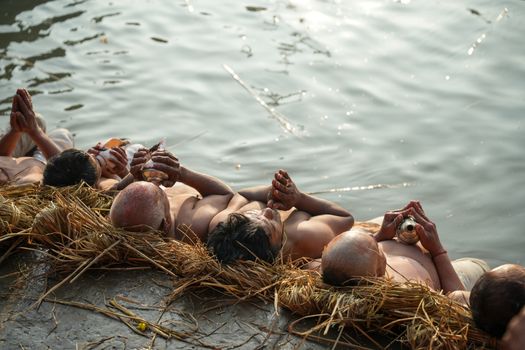
Over the past few years, I’ve dedicated my travels to seeking out and respectfully witnessing ancient rituals across the globe. These weren't just cultural experiences; they were moments of raw vulnerability, profound beauty, and sometimes, intense discomfort that cracked open my perception of the world and, ultimately, myself. From the purifying waters of Bali to the fiery banks of the Ganges, these aren't just stories – they're invitations to a different kind of travel, one that promises to change you forever.
Are you ready to go beyond the postcard and truly connect? Here are some of the most powerful ancient rituals I've been privileged to witness, and how you can too.
1. Bali's Sacred Embrace: The Melukat Water Purification Ceremony
My first truly transformative ritual experience took place in Bali, the "Island of the Gods." Known for its vibrant spiritual life, Bali is a tapestry of Hindu traditions woven into daily existence. I'd heard whispers of the Melukat – a purification ceremony performed in sacred springs – and felt an inexplicable pull.
My Experience at Tirta Empul:
I arrived at Tirta Empul temple near Ubud early one morning, before the tourist buses descended. The air was cool, scented with frangipani and incense. Dressed in a traditional sarong and sash, I joined a queue of Balinese devotees, their faces serene. Our local guide, a kind woman named Wayan, explained the process: we would approach each of the 13 sacred spouts, offering silent prayers, cleansing ourselves under the gushing spring water.
The first stream was shockingly cold, a jolt to my system. I closed my eyes, focusing on Wayan's gentle instructions to release worries, fears, and negativity with each drop. As I moved from spout to spout, repeating the process, a profound sense of calm began to settle over me. The rhythmic sound of the water, the hushed murmurs of prayers, the feeling of the earth beneath my bare feet – it was meditative, deeply grounding. By the time I reached the final spout, I felt a lightness I hadn't realized I'd lost. It wasn't just my body that felt clean; it was my spirit. I emerged from the waters feeling reborn, ready to face the world with renewed clarity.
Practical Tips for Witnessing Melukat:
* Location: Tirta Empul Temple, near Ubud, Bali, is the most accessible and well-known for Melukat. Other temples like Sebatu and Pura Mengening also offer similar experiences.
* When to Go: Early morning (before 9 AM) is best to avoid crowds and experience a more serene atmosphere.
* What to Wear/Bring: You must wear a sarong and sash (available for rent at the temple entrance for a small fee, typically IDR 10,000 - 20,000, roughly $0.70-$1.40 USD). Bring a change of clothes and a towel.
* Respectful Conduct: Follow the lead of local devotees. Don't rush, be mindful, and avoid loud conversations. Photography is generally allowed but be discreet and respectful, especially during intimate moments of prayer.
* Cost: Entrance to Tirta Empul is around IDR 50,000 (approx. $3.50 USD). Hiring a local guide (highly recommended for understanding the ritual) might cost IDR 200,000 - 400,000 (approx. $14-$28 USD) for a few hours, depending on negotiation.
* Instagram-worthy Moment: The vibrant green moss on the ancient stones, the clear blue water, and the serene faces of devotees under the spouts make for truly unique and meaningful shots.
2. Varanasi's Fiery Devotion: Witnessing the Ganga Aarti
From the serene waters of Bali, my journey took me to the pulsating heart of India – Varanasi. This ancient city on the banks of the sacred Ganges River is a place where life and death dance in an eternal cycle. And nowhere is this more evident than during the Ganga Aarti, a mesmerizing fire worship ceremony performed daily at dusk.
My Evening at Dashashwamedh Ghat:
I arrived at Dashashwamedh Ghat an hour before sunset, the air already thick with the scent of marigolds, incense, and anticipation. Finding a spot on the stone steps amidst the thronging crowds was a challenge, but I managed to squeeze in. As the sun dipped below the horizon, casting a golden glow over the river, the atmosphere shifted. Priests, young men clad in saffron robes, took their places on elevated platforms.
Then, it began. The rhythmic chanting of Sanskrit mantras, the clang of bells, the synchronized movements of the priests. They swung massive, multi-tiered brass lamps, their flames dancing against the darkening sky, illuminating their focused faces. The energy was electric, a collective surge of devotion that swept through the thousands gathered. I watched as tiny oil lamps, set afloat by devotees, twinkled like scattered stars on the dark waters of the Ganges. It was a symphony of light, sound, and faith that transcended language and culture. I felt a profound sense of awe, a connection to something ancient and immense, a spiritual current that has flowed through this city for millennia. It was overwhelming, humbling, and utterly unforgettable.
Practical Tips for Witnessing Ganga Aarti:
* Location: Dashashwamedh Ghat in Varanasi, India, is the most famous and largest Ganga Aarti.
* When to Go: Every evening at sunset. Arrive at least 1-2 hours early to secure a good spot, especially during peak season (October-March).
* Viewing Options:
* From the Ghat: Free, but expect huge crowds. Be prepared to stand or sit on cramped steps.
* From a Boat: Many touts offer boat rides (around INR 100-200, approx. $1.20-$2.40 USD) for a good view from the river. This offers a different perspective and allows for more comfort.
* Respectful Conduct: Dress modestly. While photography is allowed, avoid using flash and be mindful of people's spiritual space. Do not disrupt the ceremony.
* Safety: Keep an eye on your belongings in the crowded environment. Be wary of touts aggressively selling goods or services.
* Cost: Witnessing the Aarti from the ghat is free. Boat rides are optional.
* Instagram-worthy Moment: The priests swinging the fiery lamps against the twilight sky, reflected in the Ganges, alongside the twinkling diyas (oil lamps) on the water, creates an incredibly dramatic and spiritual image.
3. Mexico's Ancient Embrace: The Temazcal Healing Ceremony
My journey then took a turn inwards, to the heart of Mexico, where I sought out a Temazcal ceremony. Rooted in pre-Hispanic traditions, a Temazcal is a type of sweat lodge, a sacred space for physical, emotional, and spiritual purification and rebirth. It promised an intense experience, and it delivered.
My Rebirth in Oaxaca:
I found a reputable eco-lodge near Oaxaca City that offered authentic Temazcal ceremonies led by a Temazcalero (facilitator) trained in indigenous practices. The Temazcal itself was a small, dome-shaped structure, traditionally built from volcanic rock and mud, resembling a mother's womb.
After a brief introductory ritual and intention setting, we entered the dark, humid interior. Hot volcanic stones, called abuelitas (grandmothers), were brought in and placed in a central pit. Water infused with herbs was poured over them, creating incredibly dense, fragrant steam. The Temazcalero guided us through rounds of chanting, drumming, and meditation, inviting us to release our burdens, fears, and anything no longer serving us. The heat was intense, the darkness absolute, and at times, I felt claustrophobic. But with each round, as my sweat poured and the chanting enveloped me, I felt layers peeling away. Emotions I hadn't realized I was holding onto surfaced and dissipated. It was a profound physical and emotional detox.
Emerging from the Temazcal into the cool night air, I felt utterly raw, vulnerable, and yet incredibly clear-headed and rejuvenated. It was a powerful, transformative experience of letting go and reconnecting with my inner self, truly a journey of rebirth.
Practical Tips for Experiencing a Temazcal:
* Location: Temazcal ceremonies are offered in various parts of Mexico, including Oaxaca, Puebla, Mexico City, and the Yucatán Peninsula.
* Finding a Reputable Place: This is crucial. Look for eco-lodges, spiritual retreat centers, or indigenous communities that offer authentic ceremonies led by experienced and respected Temazcaleros. Avoid tourist traps that might commodify the experience. Ask your hotel or trusted local guides for recommendations.
* Preparation:
* Hydrate: Drink plenty of water beforehand.
* Light Meal: Eat a light meal a few hours prior.
* What to Wear: Swimsuit or light, comfortable clothing.
* Open Mind: Go in with an open heart and mind, ready for an intense, introspective experience.
* What to Expect: Complete darkness, intense heat and steam, chanting, drumming, and personal reflection. It can be physically and emotionally challenging, but ultimately rewarding. You can always step out if it becomes too much.
* Cost: Prices vary widely, from around $50-$150 USD per person, depending on the location, duration, and whether it's a private or group ceremony.
* Instagram-worthy Moment: The Temazcal structure itself, often nestled in nature, with smoke rising from the 'abuelitas' is visually striking. However, the true beauty here is in the internal transformation, which is best captured through reflective journaling rather than photos during the ceremony.
4. Peru's Earth Connection: Honoring Pachamama
My final ritualistic immersion brought me high into the Andes of Peru, to the Sacred Valley, a land steeped in Inca history and profound reverence for nature. Here, I participated in a Pachamama Offering, a sacred ceremony to honor Mother Earth, a cornerstone of Andean cosmology.
My Moment in the Sacred Valley:
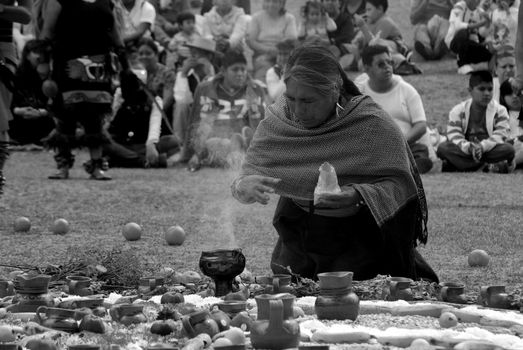
I joined a small, ethically organized tour that connected us with a local Paqo (Andean shaman) in a remote part of the Sacred Valley, overlooking the majestic peaks. The air was thin and crisp, carrying the scent of eucalyptus. We sat in a circle on the earth, the Paqo laying out his tools: coca leaves, colorful textiles, seeds, flowers, and small offerings.
He explained the profound connection the Andean people have with Pachamama, the giver of all life, and how this ceremony was a way to express gratitude and ask for balance and blessings. He guided us in selecting our own coca leaves (sacred to the Andes), blowing our intentions into them, and placing them carefully onto a woven cloth, alongside other symbolic offerings. As he chanted in Quechua, the ancient language of the Incas, he invoked the spirits of the mountains, the rivers, and the earth. We then wrapped the offerings into a small bundle, which was later ritually buried, returning our gratitude and requests directly to Pachamama.
This wasn't a dramatic, fiery spectacle like the Ganga Aarti, nor an intense physical experience like the Temazcal. Instead, it was a quiet, deeply meditative ceremony that fostered a profound sense of interconnectedness. I felt grounded, humbled, and filled with immense gratitude for the earth's bounty. It reminded me that we are all intrinsically linked to nature, and that respecting and honoring it is essential for our own well-being.
Practical Tips for Participating in a Pachamama Offering:
* Location: The Sacred Valley and Cusco region of Peru are ideal. Many authentic ceremonies take place in smaller villages away from the main tourist hubs.
* Finding a Reputable Ceremony: Seek out tours or guides who work directly with local communities and Paqos, ensuring that the ceremony is authentic and supports indigenous traditions ethically. Avoid large, commercialized tours. Ask for recommendations from your hostel/hotel or reputable local travel agencies.
* Respectful Conduct: Dress warmly (it can be cold in the Andes). Listen attentively to the Paqo's instructions. Be present and open-minded. Do not take photos without explicit permission, and even then, be discreet.
* What to Expect: A relatively quiet, meditative ceremony focused on gratitude and connection to nature. You might be asked to bring small offerings (like sweets, incense, or personal items), or these will be provided.
* Cost: Often included in specialized spiritual tours, or can be arranged separately. Expect to pay around $30-$80 USD for a small group ceremony, depending on the duration and location. This usually includes a contribution to the Paqo and the community.
* Instagram-worthy Moment: The stunning backdrop of the Andean mountains, the colorful offerings, and the earnest faces of participants create a deeply meaningful visual narrative. Focus on capturing the reverence and natural beauty.
Why Witnessing Rituals Matters: Beyond the Spectacle
These experiences weren't just items to tick off a bucket list. They were invitations to step outside my comfort zone, to shed preconceived notions, and to truly engage with cultures on a spiritual level. Witnessing these ancient rituals taught me:
- Profound Respect: It's a privilege to be allowed into such sacred spaces. It teaches humility and deep respect for beliefs that may differ from your own.
- Cultural Immersion: You gain an understanding of a culture's worldview, values, and history that no museum or guidebook can provide. You see the living traditions that shape daily life.
- Personal Growth: Facing the unknown, connecting with ancient wisdom, and allowing yourself to be vulnerable in these sacred settings can be incredibly transformative. It challenges your perspectives and fosters introspection.
- Ethical Travel: By seeking out authentic experiences and supporting local guides and communities, you contribute to the preservation of these invaluable traditions. Always ensure your presence is respectful and not exploitative.
Planning Your Own Sacred Journey: Actionable Advice
Inspired to embark on your own journey into the heart of ancient traditions? Here's how to do it responsibly and authentically:
- Research, Research, Research: Before you go, learn about the ritual you wish to witness. Understand its significance, history, and the cultural norms surrounding it.
- Seek Local Guides: This is paramount. A local guide, especially one from the community, can provide invaluable context, ensure you act respectfully, and help you navigate the nuances of the ritual. They also ensure your money directly supports the local economy.
- Be Open-Minded and Respectful: Leave judgment at home. Approach the experience with humility, curiosity, and a genuine desire to learn. Dress modestly, follow instructions, and avoid disruptive behavior.
- Ask Permission (Discreetly): If you wish to take photos, always ask for permission first. In some cultures, photography during rituals is considered disrespectful. When in doubt, err on the side of caution.
- Be an Observer, Not a Performer (Unless Invited): Most ancient rituals are not tourist performances. You are a guest, an observer. If you are invited to participate (like in the Melukat or Temazcal), do so with sincerity, not as a novelty.
- Patience is Key: Rituals unfold on their own timeline. Don't rush or expect things to fit your schedule. Embrace the pace of the local culture.
- Ethical Considerations: Ensure your participation supports the local community and respects the integrity of the tradition. Avoid experiences that feel overly commercialized or exploitative.
The Journey Within Begins Now
My quest for ancient rituals started as a desire for deeper travel, but it evolved into something far more profound. Each ceremony chipped away at my preconceived notions, opened my heart a little wider, and connected me to humanity's shared spiritual tapestry. These weren't just sights to behold; they were catalysts for introspection, empathy, and a profound shift in how I view the world.
If you're looking for more than just a vacation, if you yearn for a journey that resonates with your soul, then I urge you to seek out these ancient traditions. Step beyond the tourist trail, immerse yourself in the sacred, and allow these timeless rituals to change your life forever. What sacred journey will you embark on next? Share your thoughts and questions in the comments below!
---