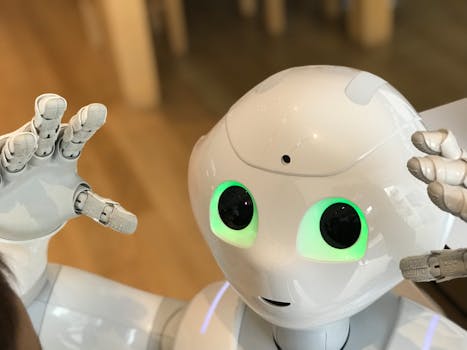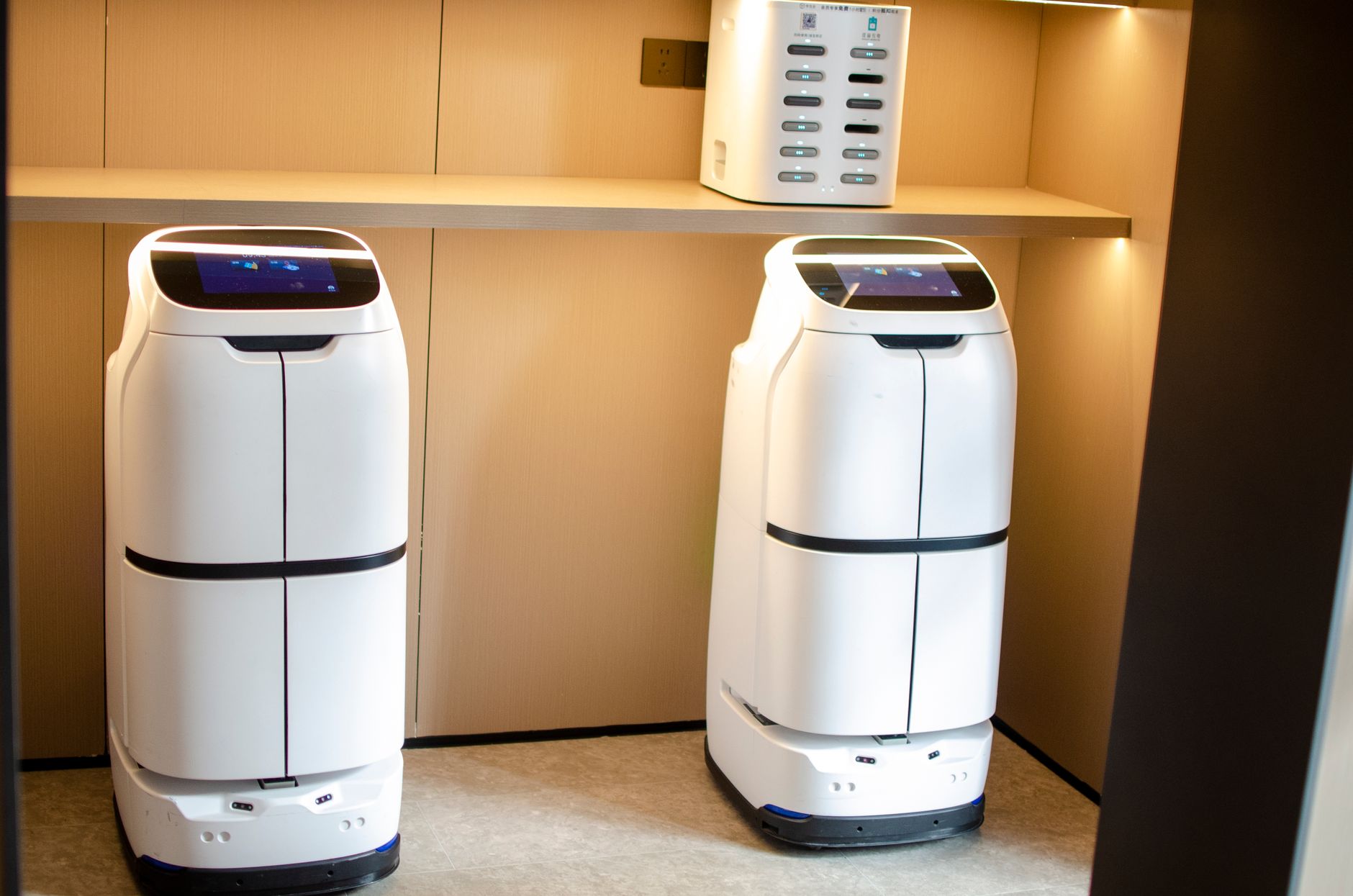
I thought I'd seen it all. From Michelin-starred molecular gastronomy in Paris to street food stalls in Bangkok that would make your eyes water (in a good way), my palate and passport have taken me on countless culinary adventures. But nothing, and I mean nothing, prepared me for the mind-bending, life-altering experience of dining at restaurants where robots, not humans, serve your food.
It started as a quirky challenge, a bucket-list item born from a late-night scroll through tech news. "Robot restaurants," I scoffed, "sounds like a gimmick." Oh, how wrong I was. What began as curiosity quickly morphed into an obsession, leading me on a global quest that didn't just redefine my understanding of food service; it fundamentally shifted how I view technology, efficiency, and even the very essence of human interaction in an increasingly automated world. My life, quite literally, changed forever.
This isn't just about novelty; it's about witnessing the dawn of a new era in gastronomy. And trust me, you're going to want a front-row seat.
My First Encounter: Sushi, Silicon, and Sheer Amazement in Tokyo
My robotic dining journey kicked off, predictably, in Tokyo. Japan, a pioneer in robotics, felt like the natural starting point. I’d heard whispers of a place called "Robot Sushi Express" in a bustling Shibuya district, a spot less about the flashy robot cabaret and more about seamless, automated efficiency.
Walking in, the first thing that struck me wasn't a flashing light or a whirring arm, but the sheer calm. Instead of the usual clamor of a busy sushi joint, there was a low hum of activity. I was greeted by a friendly human host (a nice touch, I thought, easing me into the robot realm), who led me to a sleek booth. My table had a tablet for ordering, a common sight these days, but what happened next was anything but.
I tapped in my order: maguro, salmon, unagi. Within minutes, a small, futuristic-looking tray, gliding silently on a track that ran directly past my table, approached. It stopped precisely at my spot, a soft voice chiming, "Your order, please enjoy!" I lifted my plates, and with a gentle whir, the tray zipped back into the kitchen. No human interaction, no waiting for a server, just pure, unadulterated sushi delivery precision.
The sushi itself was fresh, perfectly formed, and delicious. But my mind wasn't entirely on the food. I was mesmerized by the ballet of trays, each carrying delicious cargo, whizzing past diners who barely seemed to notice the technological marvel unfolding around them. For them, it was normal. For me, it was a revelation. The efficiency was breathtaking, the experience surprisingly intimate in its lack of fuss. I left "Robot Sushi Express" (sushi sets started from ¥1,500, about $10-$12 USD) not just fed, but utterly convinced that this wasn't just a gimmick – it was a glimpse into a very real future. And my Instagram feed got its first taste of robot-delivered deliciousness.
Beyond the Novelty: Efficiency, Precision, and Pizza in San Francisco
My next stop took me to the tech heartland: San Francisco. Here, the robot dining scene felt less about the "show" and more about solving real-world problems – specifically, speed and consistency. I discovered a spot called "Creator," a restaurant entirely centered around a burger-making robot. Yes, a robot that makes your burger from start to finish.
Imagine a gleaming glass enclosure housing a complex array of machinery: buns toasted to perfection, patties grilled precisely, sauces dispensed with surgical accuracy, and toppings layered with an almost artistic touch. You order via tablet, customize every ingredient, and watch as mechanical arms assemble your masterpiece right before your eyes. The smell of fresh ingredients filled the air, and the anticipation was palpable.
My "Creator Burger" (around $7-$9 USD) was flawless. Every ingredient was exactly where it should be, the patty cooked to my exact preference, and the bun perfectly toasted. There was a consistency here that even the most seasoned human chef might struggle to maintain during a busy lunch rush. This wasn't just fast food; it was precise food, delivered with a fascinating mechanical ballet.
It wasn't just burgers. In other parts of the US and Europe, I found pizza places where robots kneaded dough, spread sauce, and even popped pies into ovens. Coffee shops where robotic arms brewed lattes with barista-level artistry. These places highlighted a different facet of robot service: the ability to execute repetitive tasks with unparalleled consistency and speed, freeing up human staff for more nuanced roles – like greeting customers or troubleshooting tech. It was here that I started to understand the true "life-changing" potential beyond the initial awe.
The Human Touch in a Robotic World: Finding Connection Amidst Circuits
One of the biggest questions I always get asked about robot restaurants is, "But what about the human interaction? Isn't it cold and impersonal?" And honestly, I had the same reservations. My journey, however, revealed a surprising truth: robots aren't necessarily replacing humans, but rather redefining their roles.
In Shanghai, I visited a popular hotpot restaurant where small, adorable "cat robots" (Baidu's "Qianxi" or similar models are common) zipped around, delivering raw ingredients to tables. They'd sing little jingles, politely announce their arrival, and even wish you a pleasant meal. While they handled the heavy lifting of delivery, human staff were still very much present, focusing on customer service, explaining the menu, refilling drinks, and ensuring a smooth experience.
I struck up a conversation with one of the human servers, Ling, at "NoodleBot Haven." She told me, "Before the robots, I spent half my shift walking back and forth, carrying heavy trays. Now, I can spend more time talking to guests, making sure they have everything they need, and helping with special requests. The robots do the repetitive, tiring work, so I can focus on being hospitable."
This was a profound realization. The robots weren't taking jobs; they were enhancing them, allowing humans to engage in more meaningful, creative, and empathetic aspects of service. It made me rethink the entire concept of a "service industry" – perhaps the future isn't about human vs. robot, but human with robot. This symbiosis, this elevation of the human role, truly changed my perspective on automation's place in our society. It felt less like a cold, impersonal future and more like a collaboration.
Diverse Delights & Robot Personalities: From Ramen Bots to Cocktail Connoisseurs
My travels continued, each stop revealing a new dimension to the robot dining experience. I discovered that "robot server" isn't a monolithic concept; there's a fascinating diversity in their design, function, and even their "personalities."
- Ramen Robots in Seoul: I found a spot where a robotic arm meticulously prepared bowls of ramen, from blanching noodles to adding broth and toppings. The precision was astounding, and the resulting bowl was consistently perfect – a testament to automation in culinary craft. The robot even bowed slightly after presenting the dish, a charming touch! (Prices around ₩9,000-₩12,000, or $7-$10 USD).
- Coffee & Cocktails in Dubai: Dubai, always pushing boundaries, offered a sleek cafe where a robotic arm, resembling something out of a sci-fi movie, brewed intricate coffee orders, complete with latte art. Later, at a futuristic bar, another robot mixed cocktails with impressive flair, shaking, stirring, and pouring with mechanical grace. It was pure Instagram gold, every motion a photogenic marvel. Watching a robot perfectly craft a Negroni was an experience I won't soon forget! (Coffee from AED 25, cocktails from AED 60).
- Buffet Bots in Singapore: Some larger establishments in Singapore employed robots to clear tables and transport dirty dishes to the kitchen, silently weaving through diners. This significantly reduced the workload on human staff and contributed to a cleaner, more organized dining environment.
Each robot had its own "character" – some were sleek and industrial, others cute and cartoonish (like the cat bots), and some were simply functional and discreet. This diversity reflected the cultural nuances of their locations and the specific tasks they were designed to perform. It made the experience less uniform and more like exploring a gallery of technological marvels, each with its own story.
Practicalities & Planning Your Robotic Feast: Your Guide to the Future
So, you're convinced, right? You want to dive headfirst into the world of robot dining. Here are my top tips for planning your own tech-tastic culinary adventure:
- Do Your Research (and be specific!): "Robot restaurant" is a broad term. Are you looking for robot chefs, robot servers, robot baristas, or just automated delivery systems? Use specific search terms like "robot sushi Tokyo," "automated burger San Francisco," or "robot coffee shop Seoul." Websites like TripAdvisor, local travel blogs, and even YouTube reviews are excellent resources.
- Location, Location, Location: Currently, the hotspots for robot dining are concentrated in tech-forward cities and countries. Think Japan (Tokyo, Osaka), South Korea (Seoul), China (Shanghai, Beijing, Shenzhen), Singapore, parts of the US (San Francisco, New York), and the UAE (Dubai). These are your best bets for a truly immersive experience.
- Booking and Hours: Some of these places, especially the more famous or unique ones, can get busy. Check if reservations are possible or recommended. Opening hours might differ, especially if they're testing new tech or have specific "robot shifts."
- Embrace the Experience: Go in with an open mind! It might not be the traditional white-glove service, but it's an entirely new kind of hospitality. Be ready to interact with tablets, touchscreens, and maybe even a few friendly beeps and boops.
- Be Patient with Tech: Like any technology, robots can have glitches. A robot might get stuck, or an order might be delayed. See it as part of the adventure! Most places have human staff on hand to troubleshoot.
- Budget for Novelty (but don't expect a fortune): Prices vary widely. Some robot-run eateries, especially those focused on efficiency (like the sushi or burger spots), can be surprisingly affordable, sometimes even cheaper than their human-staffed counterparts due to reduced labor costs. Others, especially those in high-tech hubs or with elaborate robotic displays, might be on par with mid-range restaurants. I've found meals ranging from $5 coffee to $30 multi-course experiences.
- Get That Insta Shot! These places are built for sharing. Have your phone ready, but be respectful of other diners and the robots themselves. Ask human staff if you're unsure about filming policies. The sight of a robot gliding past with your meal is pure gold for your stories!
The Future is Now: The Enduring Impact on Dining & Travel
My journey through the world of robot restaurants wasn't just a series of meals; it was a profound learning experience. It fundamentally changed my perception of what's possible, not just in dining, but in how we integrate technology into our daily lives and travel experiences.
I realized that the "life-changing" aspect wasn't just about the novelty of a robot serving me a burger. It was about:
- Challenging Assumptions: I came in with preconceived notions about human service being superior. I left understanding that automation, when implemented thoughtfully, can elevate human roles and create new efficiencies.
- Witnessing Innovation Firsthand: As a traveler, I'm always seeking unique experiences. Dining with robots isn't just a meal; it's a front-row seat to the future, a tangible experience of technological progress.
- Rethinking Efficiency and Consistency: The precision and speed offered by robots are unmatched. This consistency can lead to higher quality standards and reduced waste, which has exciting implications for sustainability in the food industry.
- The Power of Adaptation: Countries and cultures are adapting this technology in unique ways, reflecting their own needs and values. It’s a fascinating lens through which to view global innovation.
These restaurants aren't just a trend; they're a testament to humanity's endless ingenuity. They are transforming the dining landscape, offering a glimpse into a future where technology and gastronomy dance in harmony.
So, are you ready to embark on your own robotic culinary adventure? Are you prepared to have your mind blown and your taste buds tantalized by the future of food service? Trust me, it’s an experience that will stay with you long after the last bite. It changed my life, and I have a feeling it might just change yours too.
What's your take on robot restaurants? Have you tried one? Share your thoughts and experiences in the comments below! And don't forget to tag #TripsoraRobotEats on your next automated dining adventure!
---