The Secret Charm of Destinations Saying 'No' to the Mega-Ship Stampede
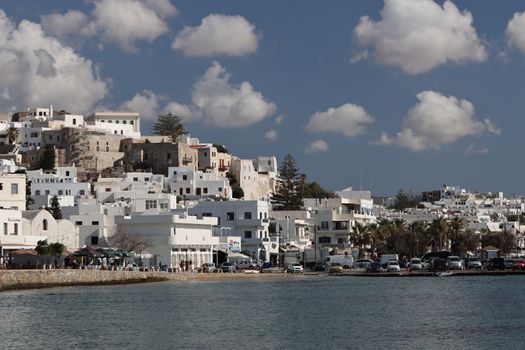
I stepped off the train in [Imagine a charming, lesser-known European town] and was immediately enveloped by a symphony of sounds and smells that felt utterly real. The gentle clatter of ceramic plates from a tiny trattoria, the rich aroma of freshly baked bread mingling with the salty tang of the nearby sea, and the murmur of locals conversing in a melodic dialect – it was a world away from the manufactured buzz of a cruise port. This wasn't just a picturesque town; it was a living, breathing community, and I knew instantly that I had stumbled upon something special.
For years, the allure of a cruise ship holiday has been undeniable: unpack once, see multiple destinations. But as I’ve traveled more extensively, I’ve witnessed firsthand the strain these behemoths can place on fragile ecosystems and local cultures. The good news? A growing number of incredible destinations are recognizing this and are taking bold steps to protect their unique identities, leading to more authentic and sustainable travel experiences for those who choose to arrive differently. They’re not just banning cruise ships; they’re thriving because of it.
The Rise of the Cruise-Free Haven: Why Destinations Are Reclaiming Their Shores
It’s a powerful statement when a town or region decides to limit or outright ban cruise ship arrivals. This isn't about being unwelcoming; it's about strategic preservation. These destinations understand that true value lies not in the sheer volume of visitors, but in the quality of their experience and the preservation of their heritage.
Think about it:
a single mega-ship can disgorge thousands of passengers into a small town within a few hours. This creates immense pressure on infrastructure, local businesses (often struggling to compete with cruise ship excursions), and the very fabric of daily life for residents. By limiting cruise ship access, these places are choosing a more sustainable path, fostering a deeper connection between visitors and their destination.
What Does "Thriving" Actually Look Like?
When a destination bans cruise ships, "thriving" doesn't mean empty streets. It means:
- Authentic Local Economies: Small businesses, artisan shops, and family-run restaurants flourish without being overshadowed. You’ll find unique souvenirs, taste regional specialties prepared with pride, and experience genuine hospitality.
- Preserved Cultural Heritage: Historic sites remain accessible and less crowded, allowing for a more meaningful exploration. Local traditions and festivals can be celebrated without the overwhelming influx of tourists.
- Enhanced Visitor Experience: Travelers who arrive independently often spend more time, delve deeper into local culture, and contribute more significantly to the local economy. They’re not just ticking boxes; they’re engaging.
- Environmental Protection: Reduced emissions, less waste, and protection of delicate marine environments are direct benefits of fewer, larger ships.
Destination Spotlight: Europe's Cruise-Free Gems
Europe, with its rich history and often delicate coastal towns, has been at the forefront of this movement. Here are a few destinations that have made waves by saying 'no' to mega-ships and are now offering unparalleled experiences for independent travelers.
1. Dubrovnik, Croatia: Reclaiming its Pearl Status
For years, Dubrovnik was the poster child for cruise ship overtourism. The iconic walled city, a UNESCO World Heritage site, was frequently overwhelmed. Recognizing the damage, the city has implemented strict limits on cruise ship passenger numbers and is actively working towards a more sustainable tourism model.
- The Vibe: Imagine walking the ancient city walls as the sun dips below the Adriatic, casting a golden glow on terracotta rooftops. The air is crisp, carrying the scent of pine and sea. You can hear the distant lapping of waves against the stone ramparts and the murmur of conversation from the cafes below.
- Insider Tip: To truly experience Dubrovnik's magic without the daytime crowds, consider visiting in the early morning (before 9 AM) or late afternoon (after 5 PM). Stay overnight in the Old Town for an unforgettable atmosphere once the day-trippers depart.
- Authenticity: Wander the narrow, labyrinthine alleys away from the main Stradun. Discover hidden courtyards, stumble upon local art galleries, and enjoy a marenda (a traditional Croatian light meal) at a konoba frequented by locals.
- Pro-Tip: Instead of the standard cable car to Mount Srđ, opt for a scenic drive or a more challenging hike for breathtaking panoramic views with fewer people.
Quick Facts: Dubrovnik (Post-Cruise Limits)
| Category | Details