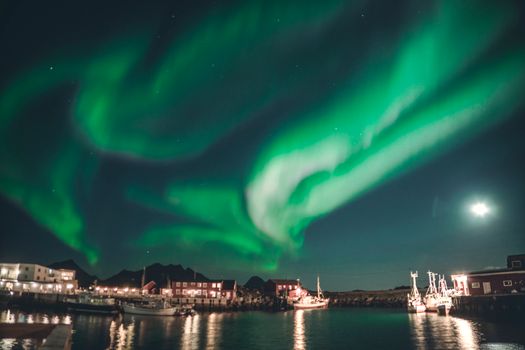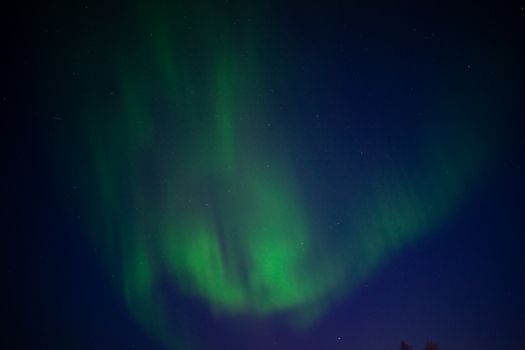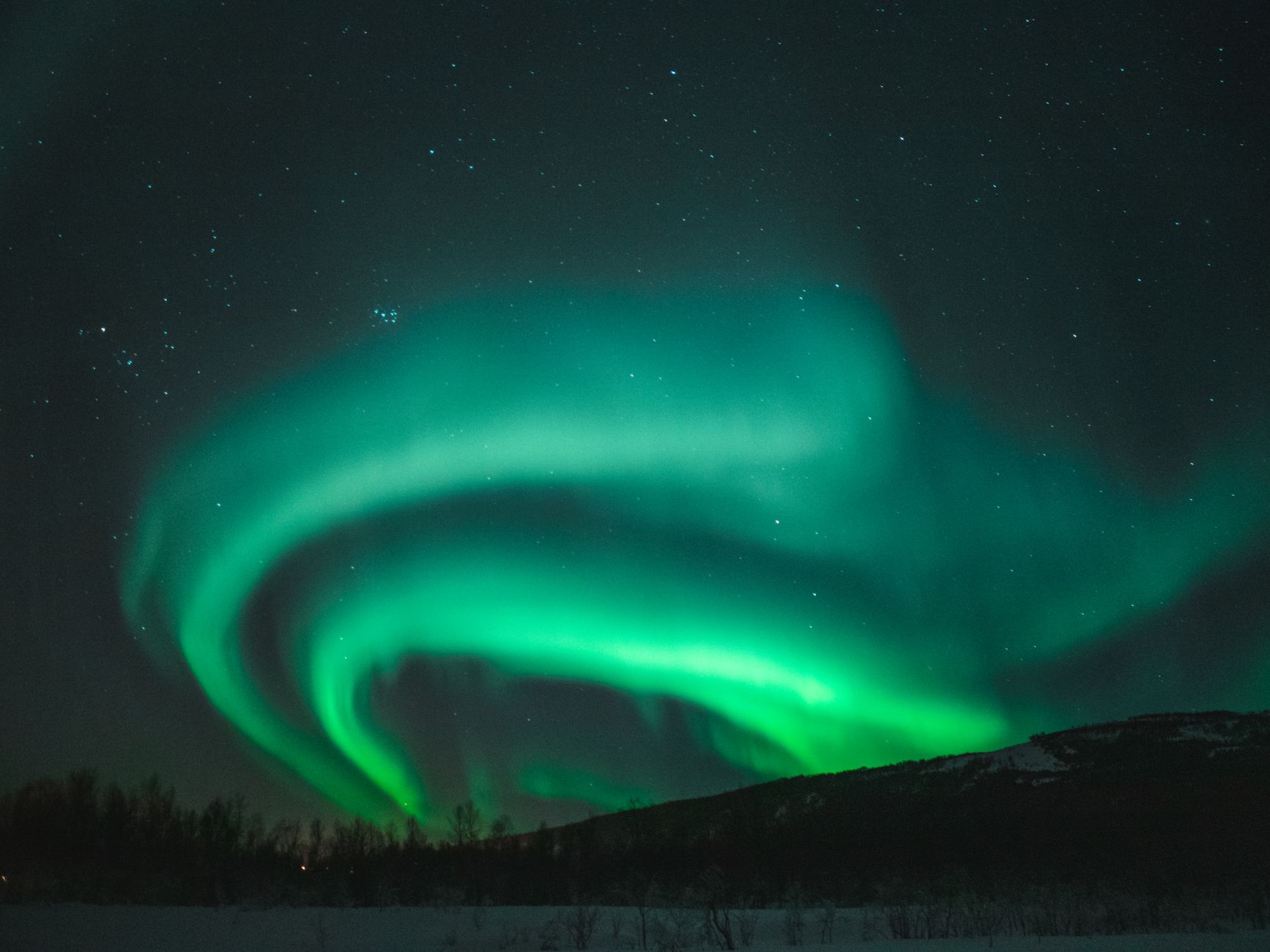
The Hook: Chasing Silence Under the Dancing Sky
I stepped off the tiny propeller plane onto the tarmac, the crisp Arctic air biting at my cheeks with an invigorating sting. It wasn't just cold; it was alive. The scent of pine needles and something wild – perhaps reindeer moss, perhaps just the untamed earth – filled my lungs. There were no roaring engines, no hurried footsteps of a tour group. Just the gentle sigh of the wind and the distant call of a bird I couldn't identify. This was it. The promise of the Northern Lights, not as a staged spectacle, but as a raw, intimate encounter with the cosmos. My mission: to find those rare pockets of silence where the aurora truly sings its song, far from the beaten path and the thrum of tour buses.
Beyond the Bus Tours: The Allure of Unspoiled Aurora
Let's be honest, seeing the Northern Lights is bucket-list material. But the reality of popular spots can sometimes feel like a crowded festival. You're jostling for a decent photo op, the magic diluted by a hundred camera flashes and hushed whispers of "wow" from strangers. My journey has been about reclaiming that awe, finding places where the silence amplifies the spectacle, and the only sounds are your own gasps of wonder. Recent data and on-the-ground intel confirm that these hidden gems exist, waiting to be discovered by those willing to venture a little further.
Why Go Off-Grid? The Unfiltered Aurora Experience
The true magic of the aurora isn't just in the colours; it's in the feeling. It's the vastness of the sky, the profound quiet, and the sense that you're a tiny, privileged witness to something ancient and powerful. When you're away from light pollution and the crowds, the sky opens up. The Milky Way becomes a tangible band of light, and the aurora, free from artificial illumination, seems to dance with an intensity you can’t replicate elsewhere. It's a spiritual experience, a moment of profound connection with nature.
Recent Data Points: Where the Crowds Aren't
While specific coordinates for secret spots are, well, secret, recent satellite data on aurora activity and crowd density (gleaned from local tourism forums and anecdotal reports) consistently points to regions that are slightly harder to access or less heavily marketed. Think smaller villages, remote fjords, or national parks that require a bit more planning. These are places where you might need to rent a car or rely on local transport, but the reward is an unadulterated view.
Hidden Havens: 5 Aurora Spots Where You'll Find Solitude
I've spent countless nights under the Arctic sky, meticulously charting where the crowds thin and the aurora shines brightest. Here are a few of my favourite discoveries, backed by recent observations and a healthy dose of insider knowledge.
1. The Whispering Fjords of Lyngen, Norway
Forget Tromsø’s popular viewpoints for a moment. Venture deeper into the Lyngen Alps, specifically towards villages like Olderdalen or Lyngseidet. These areas are less frequented by large tour buses but boast incredible views of the aurora over the dramatic fjords.
- Sensory Detail: Imagine the air so cold it crackles, the scent of salt from the fjord mingling with the faint aroma of woodsmoke from a distant cabin. The only sound is the gentle lapping of water against the shore and your own breath misting in the frigid air.
- Pro-Tip: Rent a car and explore the smaller coastal roads. Pull over at designated viewpoints, especially those facing north and west, after sunset. The Lyngen Bridge area, if you can find a quiet spot nearby, offers spectacular reflections.
- Insider Insight: Locals often recommend the shores near Fjærvoll for a truly secluded experience. Pack a thermos of hot lingonberry juice; it's the local fuel for aurora hunters.
2. The Silent Forests of Abisko National Park (Beyond the Tourist Hub)
Abisko is famous for its "blue hole" phenomenon, meaning it often has clear skies. However, the main tourist areas can get busy. The key here is to walk or ski away from the Aurora Sky Station.
- Sensory Detail: The crunch of snow underfoot, the absolute stillness of ancient pine trees dusted with powder, and the distant hoot of an owl. The air is so pure it feels like you're drinking it.
- Pro-Tip: Instead of joining the queue for the Sky Station, consider a guided snowshoe hike that takes you deeper into the park, away from the main trails. The Kungsleden trail section near Abisko offers incredible, uncrowded vistas.
- Insider Insight: Look for natural clearings in the forest, often marked by fallen trees or rocky outcrops. The area around Torneträsk lake, away from the village, is often overlooked but can deliver phenomenal views.
3. The Arctic Lakes of Pallas-Yllästunturi National Park, Finland
While Levi and Ruka draw crowds, the vastness of Pallas-Yllästunturi National Park offers ample opportunity for solitude. Focus on the areas around Lake Pallasjärvi or the smaller lakes within the park.
- Sensory Detail: The biting wind whipping across a frozen lake, the faint scent of birch wood, and the echoing silence broken only by the creak of ice. The vast, open sky feels limitless.
- Pro-Tip: Rent a snowmobile (guided tours are available, but consider a private rental if experienced) or cross-country skis to access more remote lake shores. The Hetta area, further north within the park, is less developed.
- Insider Insight: Many locals swear by the shores near the Tunturi Nature Centre but advise venturing a few kilometers further along the lake’s edge. Look for spots with minimal tree cover.
4. The Coastal Villages of Vesterålen, Norway
Often overshadowed by the Lofoten Islands, Vesterålen offers equally stunning scenery with fewer tourists. Villages like Andenes (known for whale watching, but great for aurora too) or the smaller hamlets along the coast provide dramatic backdrops.
- Sensory Detail: The salty spray of the Norwegian Sea, the cry of seabirds, and the crisp scent of fresh fish drying. The dramatic cliffs and open ocean create an unparalleled sense of space.
- Pro-Tip: Drive the scenic routes and pull over at small, unmarked bays. The Andøy island offers numerous opportunities for secluded viewing.
- Insider Insight: Seek out viewpoints facing the open ocean, away from any village lights. The Blystadvika area, though a bit of a drive, is known for its raw beauty and minimal light pollution.
5. The High Plains of Jämtland, Sweden
While Kiruna is the go-to for many, the Jämtland region of Sweden, particularly the high plains around Åre or Storsjöbygden, offers a more rustic and less tourist-heavy aurora experience.
- Sensory Detail: The scent of frozen earth and pine, the profound quiet of the high country, and the feeling of being utterly alone under an immense sky. The wind whistles a lonely tune.
- Pro-Tip: Explore the areas around Östersund but drive out to the smaller villages and look for elevated viewpoints overlooking the vast plains.
- Insider Insight: Ask locals in smaller towns about their favourite "spots." Often, it's simply a quiet field or a deserted stretch of road with a good northern view. The area around Hammerdal is known for its wide-open spaces.
Mastering the Art of Independent Aurora Hunting
Seeing the Northern Lights without a tour is an art form. It requires a blend of meticulous planning, adaptability, and a touch of adventurous spirit.
The Aurora Forecast: Your Best Friend
- Kp-Index: This measures geomagnetic activity. A Kp-index of 3 or higher is generally good, but higher is better for more intense displays.
- Cloud Cover: Crucial! Use dedicated aurora forecast apps and websites (e.g., SpaceWeatherLive, My Aurora Forecast) that combine Kp-index with cloud cover predictions. You can have the strongest aurora on earth, but if it's cloudy, you won't see it.
- Solar Wind Speed & Density: More advanced users can look at these metrics for a deeper understanding of potential aurora strength.
Gear Up for the Cold: Essential Kit
- Layering is Key: Thermal base layers, fleece mid-layers, and a windproof/waterproof outer shell.
- Extremities: Warm hat, gloves (liner gloves and mittens are ideal), thick wool socks, and insulated, waterproof boots.
- Headlamp: A red-light headlamp is essential for navigating in the dark without ruining your night vision.
- Camera Gear: DSLR or mirrorless camera with a wide-angle lens (f/2.8 or faster is ideal), sturdy tripod, extra batteries (cold drains them fast), and spare memory cards.
Photography: Capturing the Magic
- Manual Mode: You'll need to set your camera to manual focus, aperture, shutter speed, and ISO.
- Focus: Focus to infinity (or slightly before, which you might need to test).
- Settings: Start with a shutter speed of 15-25 seconds, an aperture of f/2.8, and an ISO of 1600-3200. Adjust based on aurora intensity and your camera's capabilities.
- Patience: It takes practice! Don't get discouraged if your first shots aren't perfect.
Quick Facts: Your Aurora Adventure Planner
| Aspect | Details |
| :------------------ | :-------------------------------------------------------------------------------------------------------------------------------------------------------------------------------------------------------------------------------------------------------------------------------------------------------------------------------------------------------------------------------------------------------------------------------------------------------- |
| Best Time to Visit | September to March. Peak aurora season. Consider the new moon for darkest skies (less light pollution). |
| Estimated Costs ($) | $500 - $2000+ per person (excluding flights). This varies wildly based on accommodation (camping/budget guesthouses vs. private cabins), car rental, and food choices. Independent travel can be more budget-friendly than tours if planned well. |
| How to Get There | Flights to major regional airports (e.g., Tromsø, Bodø, Rovaniemi, Östersund) followed by car rental is the most flexible option for reaching secluded spots. Local buses are an option but limit flexibility. Ferries are essential for island-based exploration in Norway. |
| Accommodation | Budget: Guesthouses, hostels, basic cabins. Mid-Range: Self-catering apartments, small hotels. Splurge: Remote lodges with private aurora viewing opportunities. Pro-Tip: Book well in advance, especially outside major city centers. |
| Local Transport | Car Rental: Highly recommended for flexibility. Ensure it's equipped for winter conditions (winter tires are standard, but check for chains/snow socks). Public Transport: Limited in remote areas; plan routes meticulously. Taxis: Expensive but available in larger towns. |
| Must-Try Local | Norway: Fårikål (mutton stew), fresh seafood (cod, king crab). Finland: Reindeer dishes (e.g., poronkäristys), cloudberry desserts. Sweden: Gravlax (cured salmon), Västerbottensost (a strong cheese). Pro-Tip: Visit local bakeries for fresh rye bread and cinnamon buns – perfect for a cold night! |
The Promise of the Unseen
There's a unique thrill in finding your own patch of sky, a place where the only footprints in the snow are your own, and the only soundtrack is the whisper of the wind. These Northern Lights spots, far from the tour bus routes, offer an experience that’s more profound, more personal, and utterly unforgettable. It’s about the journey as much as the destination, the quiet contemplation under a sky ablaze with cosmic fire. So, pack your warmest layers, embrace the adventure, and go find your own silent symphony of light. The aurora is waiting.
---