Visiting Berlin in autumn is an excellent choice for travellers seeking a rich cultural experience combined with the beauty of the changing seasons. The city transforms with golden foliage, offering a cooler, often crisp atmosphere that is ideal for exploring its extensive history, world-class museums, and diverse neighbourhoods. Expect fewer crowds than in summer, making it easier to navigate popular sites and enjoy local life.
| Berlin in Autumn: Quick Facts | |
|---|---|
| Best Time to Visit | Mid-September to late October (for autumn colours and events) |
| Typical Weather | Cool and crisp, average 8-15°C. Chance of rain. |
| Average Daily Spend (approx.) | £80-£150 (mid-range, excluding accommodation). Check current prices for accurate budgeting. |
| Flight Time (from London) | Approx. 1 hour 45 minutes |
| Airport Transfer (BER to city centre) | S-Bahn or Regional train, approx. £3-£4 one way. |
| Currency | Euro (€) |
Why Berlin in Autumn is Special
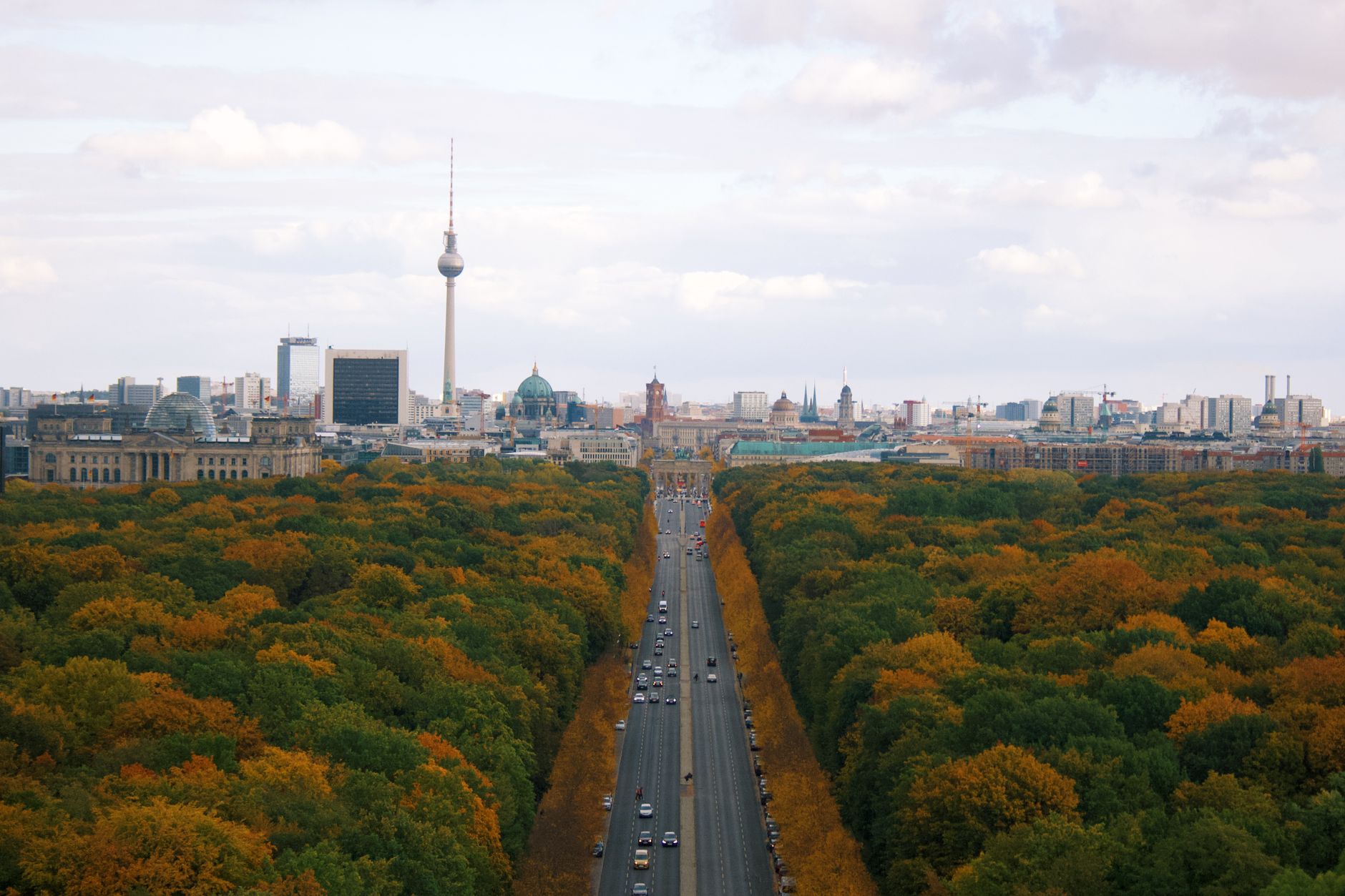
Autumn in Berlin brings a distinct charm. The city's many parks, tree-lined streets, and green spaces, such as Tiergarten and Tempelhofer Feld, burst into a spectrum of reds, oranges, and yellows. The cooler temperatures, typically ranging from 8°C to 15°C, are perfect for walking tours, cycling, and enjoying outdoor markets without the summer heat. The air often has a crisp quality, and the light can be beautifully soft, ideal for photography.
Culturally, autumn marks the start of Berlin's peak season for theatre, opera, and indoor exhibitions. Major events, particularly in early October, can draw significant attention, but outside of these specific dates, the city feels more relaxed than during the summer rush.
Pro tip: For the most vibrant autumn colours, aim for the second half of October. However, be prepared for potentially colder weather and a higher chance of rain later in the season.
Typical Weather and What to Pack
Berlin's autumn weather is variable. September often feels like an extension of summer, with mild days and cool evenings. By October, temperatures drop noticeably, and November can be quite cold, often dipping close to freezing by the end of the month. Rain is a possibility throughout the season, so layering is key.
What to Pack:
- Layers: Include long-sleeved tops, sweaters, and cardigans.
- Outerwear: A warm, waterproof or water-resistant jacket is essential. A lighter jacket for September, a heavier one for October/November.
- Comfortable Shoes: You'll do a lot of walking. Waterproof boots are recommended for later autumn.
- Accessories: A scarf, hat, and gloves become necessary from mid-October onwards.
- Umbrella: Compact and easy to carry for unexpected showers.
Daylight hours decrease significantly as autumn progresses. In late September, you'll have around 12 hours of daylight, which reduces to about 9-10 hours by late October, and less than 8 hours in late November. Plan your outdoor activities accordingly.
Autumn Events and Experiences
Berlin's autumn calendar is packed with cultural highlights and seasonal delights. While specific dates vary annually, here are typical experiences:
Cultural Highlights:
- Museum Island: Dedicate time to explore the UNESCO World Heritage site, home to the Pergamon Museum, Altes Museum, Neues Museum, Alte Nationalgalerie, and Bode Museum. Cooler weather makes indoor exploration particularly appealing.
- Festival of Lights (Early October): This annual event transforms Berlin's landmarks into illuminated canvases. Check official dates closer to the time for 2026.
- Gallery Weekend (Late September/Early October): Many galleries open new exhibitions, offering a chance to see contemporary art.
- Berlin Art Week (September): A major event showcasing contemporary art across the city.
- Concerts and Opera: The Berlin Philharmonic, Staatsoper Unter den Linden, and Deutsche Oper Berlin begin their main seasons. Booking tickets in advance is highly recommended.
Seasonal Experiences:
- Park Strolls: Walk through Tiergarten, Tempelhofer Feld, or the gardens of Charlottenburg Palace to admire the autumn foliage.
- Harvest Markets: Look for local farmers' markets offering seasonal produce like pumpkins, apples, and mushrooms.
- Café Culture: Cosy up in one of Berlin's many independent cafés with a warm drink.
- Street Food: Explore the diverse street food scene, from classic Currywurst to international options at Markthalle Neun (especially on 'Street Food Thursday').
Pro tip: Many museums offer late opening hours on certain days, allowing you to maximise your daylight for outdoor activities.
Booking in Advance and Typical Costs
While autumn generally sees fewer crowds than peak summer, certain periods and popular attractions still warrant advance booking, especially if you're visiting during a major festival or a weekend.
What to Book Early:
- Accommodation: Especially for early October (Festival of Lights) or if you have specific preferences. Prices for a mid-range hotel typically range from approx. £80-£150 per night.
- Popular Tours: Guided tours of the Reichstag Dome, historical walking tours, or specific museum tours.
- Event Tickets: Concerts, opera, theatre performances, or major exhibition tickets should be secured well in advance.
- Flights: Booking flights a few months out usually yields better prices.
Typical Costs (approximate, per person):
- Public Transport (Day Pass): £7-£8
- Museum Entry: £10-£15 per museum (some offer combined tickets)
- Casual Meal: £10-£20
- Mid-range Dinner: £25-£40
- Coffee/Pastry: £4-£7
Always check official websites for current prices, opening hours, and booking requirements before your trip.
A Perfect 3-Day Autumn Itinerary
This itinerary balances historical exploration with cultural immersion and seasonal enjoyment.
Day 1: History and Iconic Landmarks
- Morning (9:00 AM - 1:00 PM): Start at the Brandenburg Gate, then walk to the nearby Reichstag Building (book dome visit in advance). Continue to the Memorial to the Murdered Jews of Europe.
- Lunch (1:00 PM - 2:00 PM): Grab a Currywurst from a stand near Brandenburg Gate or a casual lunch in the Mitte district.
- Afternoon (2:00 PM - 5:00 PM): Explore Museum Island. Choose one or two museums, such as the Pergamon Museum or Neues Museum (home to the bust of Nefertiti).
- Evening (6:00 PM onwards): Dinner in Mitte, perhaps near Hackescher Markt, followed by a stroll through the illuminated area (especially if the Festival of Lights is on).
Day 2: Art, Culture, and Neighbourhood Charm
- Morning (9:30 AM - 1:00 PM): Visit the East Side Gallery, the longest open-air gallery in the world, painted on remnants of the Berlin Wall. Afterwards, explore the vibrant Kreuzberg neighbourhood.
- Lunch (1:00 PM - 2:00 PM): Enjoy Turkish or international cuisine in Kreuzberg, known for its diverse food scene.
- Afternoon (2:00 PM - 5:00 PM): Head to Prenzlauer Berg. Wander through Kollwitzplatz and Helmholtzplatz, admiring the beautiful architecture and independent boutiques.
- Evening (6:00 PM onwards): Dinner in Prenzlauer Berg, followed by drinks at a cosy bar or a visit to a local theatre.
Day 3: Green Spaces and Reflection
- Morning (10:00 AM - 1:00 PM): Take a leisurely walk or rent a bike in Tiergarten, Berlin's largest urban park, enjoying the autumn colours. Visit the Victory Column for panoramic views.
- Lunch (1:00 PM - 2:00 PM): Picnic in Tiergarten (weather permitting) or find a café near the park.
- Afternoon (2:00 PM - 5:00 PM): Explore Charlottenburg Palace and its extensive gardens. Alternatively, visit the German Historical Museum for a deeper dive into German history.
- Evening (6:00 PM onwards): Enjoy a farewell dinner in a neighbourhood you particularly enjoyed, or try something new in Schöneberg or Charlottenburg.
Common Mistakes to Avoid
- Underestimating the cold: Even if September feels mild, temperatures can drop quickly, especially in the evenings. Always pack layers.
- Not booking ahead: Popular attractions, tours, and specific restaurants can still require reservations, particularly on weekends or during event periods.
- Ignoring public transport: Berlin has an excellent, efficient public transport system (U-Bahn, S-Bahn, trams, buses). Don't rely solely on walking or taxis.
- Forgetting an umbrella: Autumn rain can be unpredictable.
- Not checking event dates: If you're hoping to catch a specific festival or exhibition, confirm its dates well in advance, as they can shift annually.
Plan your trip
Autumn in Berlin offers a rewarding travel experience with its unique blend of history, culture, and natural beauty. Use this guide to inspire your journey, then build a personalised itinerary that suits your interests and schedule on Tripsora.
Frequently asked questions
What is the best month to visit Berlin in autumn?
Mid-September to late October is generally considered the best period. September offers milder weather, while October showcases the most vibrant autumn foliage and major cultural events like the Festival of Lights.
Is Berlin crowded in autumn?
Berlin is typically less crowded in autumn compared to the peak summer months. While popular attractions will still have visitors, you'll generally find shorter queues and a more relaxed atmosphere, especially outside of specific festival dates.
What are the must-try foods in Berlin during autumn?
Besides year-round favourites like Currywurst and Döner Kebab, look for seasonal specialities such as pumpkin dishes, Zwiebelkuchen (onion tart) often paired with Federweisser (new wine), and traditional German roasts.
How much daylight can I expect in Berlin in autumn?
In late September, you'll have around 12 hours of daylight. This decreases to about 9-10 hours by late October and less than 8 hours in late November, so plan outdoor activities for earlier in the day.
Is public transport reliable in Berlin in autumn?
Yes, Berlin's public transport system (U-Bahn, S-Bahn, trams, buses) is highly reliable and efficient throughout the autumn. It's the best way to navigate the city, especially when the weather is cooler or rainy.