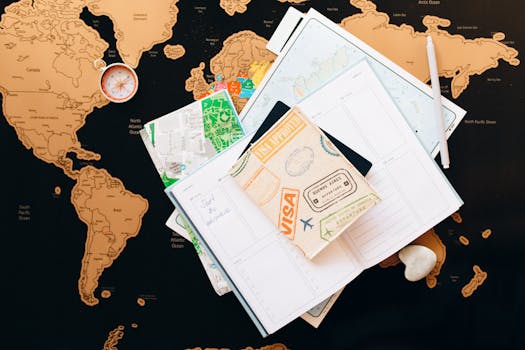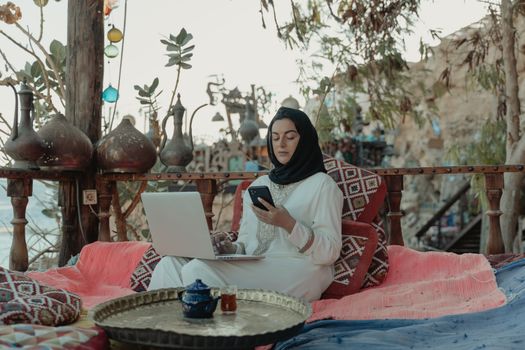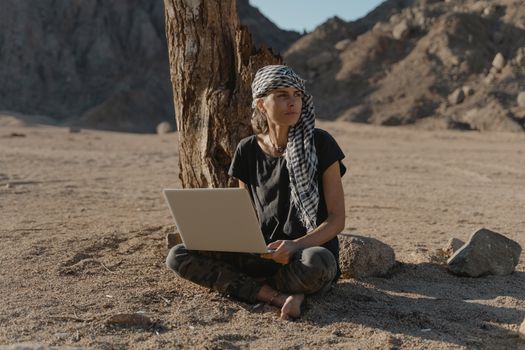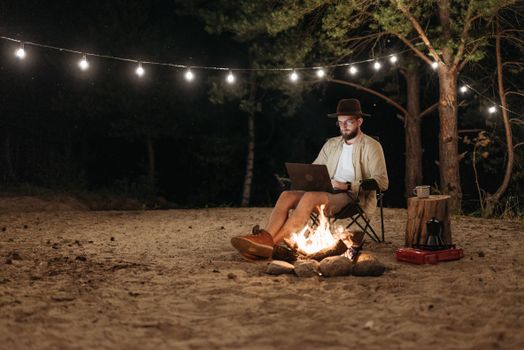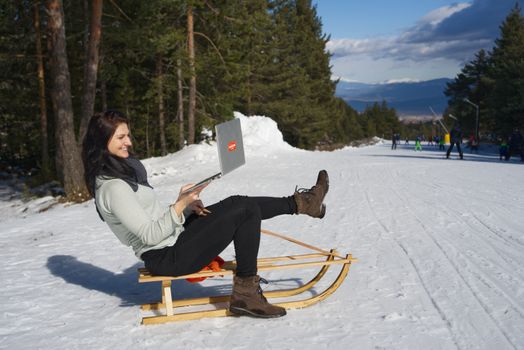
Remember that feeling? The one where you land in a new city, heart thrumming with anticipation, only to find the "authentic" local market is swarming with other digital nomads snapping the same Instagram shots? Or the "hidden" co-working space is just a pricier version of your office back home, filled with familiar faces from your last Bali stint?
Yeah, I’ve been there. My first few years as a digital nomad were a whirlwind of popular hotspots – Canggu, Lisbon, Medellín. Don't get me wrong, they're fantastic for a reason, but after a while, I started craving something more. I yearned for that genuine connection, the thrill of discovery, the feeling of truly immersing myself in a place before it became another pin on everyone's "been there, done that" map. I wanted to find the places where the locals still looked at you with curious welcome, not weary familiarity.
That's when I started my quest for the real hidden gems. The countries that have recently rolled out enticing digital nomad visas, but haven't yet been overrun. The places where the cost of living is still delightfully low, the culture is vibrant and untouched, and the Wi-Fi is surprisingly robust. These aren't the places plastered all over your feed (yet), and frankly, the locals are probably hoping to keep it that way. But for the adventurous, respectful, and truly curious digital nomad, these are the golden tickets.
So, lean in close, because I'm about to spill some serious tea. These are the countries with digital nomad visas that are still flying under the radar, waiting for you to discover their magic before the secret gets out.
1. Albania: The Adriatic’s Unsung Gem
Why it’s a secret:
When you think of the Balkans, perhaps Croatia or Greece come to mind first. Albania? Not so much for the average tourist, and even less so for the digital nomad. But this rugged, beautiful nation on the Adriatic and Ionian coastlines is a treasure trove of stunning beaches, ancient history, and ridiculously affordable living. The Albanian Digital Nomad Visa is relatively new, making it an ideal time to explore before the masses descend.
My experience:
My first impression of Tirana was a kaleidoscope of pastel-colored buildings, vibrant street art, and the constant buzz of espresso machines. It felt alive, raw, and utterly authentic. I spent mornings working from cute cafes with ridiculously cheap lattes, then afternoons exploring bunkers-turned-museums and bustling markets. The Albanian Riviera, particularly places like Himarë or Dhërmi, felt like a secret slice of paradise – turquoise waters, fresh seafood, and friendly locals who were genuinely curious about my story.
The Nitty-Gritty:
* Visa: The "Albania Digital Nomad Visa" allows stays for up to one year, renewable. Requirements generally include proof of income (around $10,000 USD/year, though this can vary), health insurance, and a clean criminal record.
* Cost of Living: In Tirana, you can live very comfortably on $800-$1200 USD per month. Outside the capital, it's even less. Rent for a modern 1-bedroom apartment can be as low as $300-$500 USD.
* Internet: Surprisingly good in major cities like Tirana and Durrës, with fiber optic options available. Speeds are generally reliable for video calls and streaming.
* Vibe: A fascinating blend of Ottoman, Italian, and Communist-era influences. The people are incredibly warm and hospitable, especially if you try a few words of Albanian. The "Besa" (a code of honor and hospitality) is truly palpable.
* Instagram-worthy: The vibrant Blloku district in Tirana, the stunning beaches of Ksamil, the ancient city of Berat (a UNESCO site), and the dramatic Albanian Alps.
2. Romania: Transylvania’s Digital Frontier
Why it’s a secret:
Romania often conjures images of Dracula's castle and ancient forests, which it certainly has in spades. But beyond the folklore, it's a rapidly modernizing country with a thriving tech scene, particularly in cities like Cluj-Napoca. Its digital nomad visa, introduced in 2022, is designed to attract remote workers seeking a unique European experience without the Western European price tag.
My experience:
I based myself in Cluj-Napoca for a few months, and it quickly became one of my favorite European cities. It has a youthful energy, thanks to its large student population, and a fantastic cafe culture. I'd spend my mornings at a co-working space, then get lost in the charming Old Town, stumbling upon hidden courtyards and street art. Weekends were for exploring – a day trip to the stunning Turda Salt Mine or a drive through the Transylvanian countryside, where medieval villages seemed frozen in time. The locals here are proud of their heritage and eager to share it, especially over a shot of pálinka.
The Nitty-Gritty:
* Visa: The "Romania Digital Nomad Visa" requires proof of income of at least three times the average gross monthly salary in Romania (check current figures, but typically around €3,000-€4,000 EUR per month). It allows for an initial 6-month stay, extendable.
* Cost of Living: In Cluj-Napoca, you can comfortably live on $1000-$1500 USD per month. Bucharest might be slightly higher. Rent for a good 1-bedroom apartment ranges from $400-$700 USD. Groceries and dining out are incredibly affordable.
* Internet: Excellent! Romania boasts some of the fastest internet speeds in Europe, especially in major cities.
* Vibe: A captivating mix of ancient traditions and modern European flair. Romanians are generally friendly, educated, and many speak English, especially the younger generation.
* Instagram-worthy: Bran Castle (Dracula's Castle), the colorful Saxon villages of Transylvania (like Sighisoara), the stunning Carpathian Mountains, and the vibrant street art of Bucharest and Cluj.
3. Georgia: Eurasia’s Ancient-Future Hub
Why it’s a secret:
Georgia has been on the digital nomad radar for a little longer than some, thanks to its incredibly generous 1-year visa-free entry for many nationalities. However, it also has a formal "Remotely from Georgia" program, and crucially, it still feels like an undiscovered gem compared to Western European hubs. It's a country of dramatic landscapes, ancient wine-making traditions, and a fiercely independent spirit.
My experience:
Tbilisi stole my heart. The Old Town, with its cobblestone streets, colorful balconies, and sulfur baths, feels like stepping into a fairytale. Then you turn a corner, and there's a sleek, modern cafe with perfect Wi-Fi. I spent my days working from a co-working space overlooking the Mtkvari River, fueled by delicious khachapuri (cheese bread). Evenings were for exploring hidden wine bars and joining impromptu Supra (feasts) with newfound Georgian friends. The sense of history here is palpable, yet the energy is forward-looking.
The Nitty-Gritty:
* Visa: While many nationalities get 1-year visa-free entry, the "Remotely from Georgia" program offers a more formal framework for longer stays. It requires proof of an income of at least $2,000 USD per month and health insurance.
* Cost of Living: Extremely affordable. You can live very well in Tbilisi on $800-$1200 USD per month. Rent for a nice 1-bedroom apartment starts around $400-$600 USD. Food and wine are incredibly cheap and delicious.
* Internet: Very good, especially in Tbilisi and Batumi, with high-speed fiber widely available.
* Vibe: A unique blend of European, Asian, and Middle Eastern influences. Georgians are known for their incredible hospitality, vibrant culture, and passionate love for wine and food.
* Instagram-worthy: The colorful balconies of Tbilisi Old Town, the dramatic Gergeti Trinity Church nestled in the Caucasus Mountains, the cave city of Vardzia, and the lush vineyards of Kakheti.
4. Brazil (Florianópolis/Northeast): Beyond the Beaches, Brazil's Untapped Digital Coast
Why it’s a secret:
Brazil. A massive, vibrant country often associated with Rio's carnival or the Amazon rainforest. While popular for tourism, its digital nomad scene outside of a few specific spots is still nascent. Its DN visa, launched in 2022, opens up a world of possibilities beyond the usual suspects. I’m talking about places like Florianópolis, a charming island city, or the culturally rich Northeast, where the pace is slower and the smiles are wider.
My experience:
I chose Florianópolis, or "Floripa" as the locals call it, and it was pure magic. It’s an island paradise with a laid-back surfer vibe, incredible beaches, and a surprisingly robust tech scene. I’d start my day with a run on the beach, work from a cafe overlooking the ocean, and spend my evenings trying fresh seafood and listening to bossa nova. The Brazilians are so welcoming, and there's a joyous energy that's infectious. Exploring the smaller fishing villages on the island felt like uncovering secret coves, each with its own charm.
The Nitty-Gritty:
* Visa: The "Brazil Digital Nomad Visa" requires proof of an average monthly income of at least $1,500 USD or a bank balance of at least $18,000 USD. It's valid for one year, renewable.
* Cost of Living: Varies significantly by city. In Florianópolis, you can live comfortably on $1000-$1800 USD per month. Rent for a 1-bedroom apartment can range from $500-$900 USD, depending on proximity to the beach/city center. The Northeast (e.g., Fortaleza, Natal) can be even more affordable.
* Internet: Generally good in major cities and tourist areas like Florianópolis. Speeds are decent, though can be spottier in very remote areas.
* Vibe: Incredibly diverse, vibrant, and passionate. Brazilians are known for their warmth, hospitality, and love for life. Learning some Portuguese goes a long way here.
* Instagram-worthy: The stunning beaches of Florianópolis (Praia da Joaquina, Campeche), the colorful colonial architecture of Salvador, the sand dunes and lagoons of Lençóis Maranhenses, and the vibrant street art of São Paulo.
5. Montenegro: Balkan Beauty, Undiscovered Charm
Why it’s a secret:
Nestled between the more well-known Croatia and Albania, Montenegro is often overlooked. But this tiny nation packs a punch with its dramatic fjords, medieval towns, and rugged mountains. While popular with summer tourists, its digital nomad visa is brand new (launched in 2023), meaning you can be among the first to experience its authentic charm as a long-term resident.
My experience:
I spent a month based in Kotor, and it felt like living inside a postcard. The walled Old Town, a UNESCO World Heritage site, is simply breathtaking, with its narrow cobblestone streets and ancient churches. Every morning, I’d grab a coffee and work from a cafe overlooking the Bay of Kotor, feeling like I was in a movie. Hikes up to the fortress offered unparalleled views. Beyond Kotor, the wild beauty of Durmitor National Park and the serene Skadar Lake were incredible escapes. The Montenegrin people are proud and friendly, and the pace of life is wonderfully slow.
The Nitty-Gritty:
* Visa: The "Montenegro Digital Nomad Visa" is one of the newest on the block. Requirements typically include proof of income (around €1,300 EUR per month), health insurance, and accommodation proof. It's valid for one year, extendable.
* Cost of Living: Very affordable outside of peak summer season in popular coastal towns. In Kotor or Podgorica, you can live comfortably on $900-$1400 USD per month. Rent for a 1-bedroom apartment can be $400-$700 USD.
* Internet: Good in major towns and cities, with decent speeds for remote work.
* Vibe: A serene and beautiful country with a rich history and strong cultural identity. Montenegrins are warm, welcoming, and enjoy a relaxed lifestyle.
* Instagram-worthy: The stunning Bay of Kotor, the ancient walled city of Budva, the dramatic landscapes of Durmitor National Park, and the beautiful monasteries nestled in the mountains.
6. Colombia (Salento/Cali): Colombia’s Soulful Undercard
Why it’s a secret:
Colombia has exploded in popularity, with Medellín and Cartagena becoming firm digital nomad favorites. However, the country is vast and diverse, and its DN visa, while not brand new, still offers a chance to explore its lesser-known, yet incredibly rich, regions. Think beyond the mainstream and delve into the coffee region's charm or the vibrant cultural pulse of Cali. These are places where the local rhythm still dominates, and the international crowds are minimal.
My experience:
After a stint in Medellín, I craved something different. I ventured to Salento, a colorful town nestled in the coffee triangle. It was an absolute dream. Mornings were spent working from a balcony overlooking lush green hills, afternoons hiking through the wax palm forests of Cocora Valley, and evenings sipping locally grown coffee. The pace was slow, the air was fresh, and the locals were genuinely delighted to share their coffee culture. My next stop was Cali, a city pulsing with salsa music. It felt raw, energetic, and completely authentic, a world away from the curated tourist experiences.
The Nitty-Gritty:
* Visa: The "Colombia Digital Nomad Visa" requires proof of income of at least three times the Colombian minimum wage (check current figures, but typically around $800-$1000 USD per month). It's valid for up to two years.
* Cost of Living: In places like Salento or Cali, you can live very affordably on $800-$1300 USD per month. Rent for a 1-bedroom apartment can be $300-$600 USD. Food, especially local cuisine, is incredibly cheap and delicious.
* Internet: Good in major towns and cities. Salento, despite its smaller size, has decent internet due to its growing tourism.
* Vibe: Incredibly warm, friendly, and passionate. Colombians are known for their hospitality, love of music and dance, and resilience. Learning Spanish is highly recommended for deeper immersion.
* Instagram-worthy: The towering wax palms of Cocora Valley near Salento, the colorful colonial architecture of Salento itself, the vibrant salsa clubs of Cali, and the stunning mountain landscapes of the coffee region.
Practical Tips for Unlocking Your Secret Nomad Adventure
So, you're ready to ditch the over-touristed spots and dive into something truly authentic? Here’s how to make your secret digital nomad dream a reality:
- Do Your Visa Homework (Seriously): While I've provided general info, visa requirements are dynamic. Always check the official government websites of your target country and their embassy/consulate in your home country. Don't rely solely on third-party sites or blog posts (even mine!).
- Respect Local Culture: This is paramount in less-visited areas. Learn a few basic phrases in the local language, dress appropriately, and be mindful of local customs. Your presence is a privilege, not a right.
- Embrace the Slow Lane: These places aren't about rushing through a checklist. They're about slow travel, soaking in the atmosphere, and building genuine connections. Take a cooking class, volunteer, or simply spend an afternoon people-watching in a local plaza.
- Budget Smartly: While these countries are generally affordable, have a buffer. Research typical costs for groceries, transport, and dining out. Apps like Numbeo can give you a good starting point.
- Connectivity is Key: While internet is generally good in the recommended cities, always have a backup plan (e.g., a local SIM card with a generous data plan). If you rely on stable internet for work, double-check reviews of accommodations and co-working spaces.
- Network with Purpose: Look for local digital nomad groups or expat communities, but also make an effort to connect with locals. They are your best resource for hidden gems, local insights, and unforgettable experiences.
- Travel Insurance is Non-Negotiable: Even in the most serene places, accidents happen. Always have comprehensive travel and health insurance.
Ready to Uncover Your Own Secret?
The world is vast, and the digital nomad movement is constantly evolving. While the popular spots have their charm, there's an undeniable magic in being among the first to truly discover a place, to integrate into its rhythm before it changes. These countries, with their welcoming digital nomad visas, offer that rare opportunity.
They are waiting for you – with their ancient stories, their stunning landscapes, their warm smiles, and their delicious, often inexpensive, food. They're waiting for nomads who seek more than just a Wi-Fi signal and a beautiful backdrop; they're waiting for those who crave genuine connection and authentic experiences.
So, which secret will you uncover first? The rugged beauty of Albania, the medieval charm of Romania, the ancient soul of Georgia, the vibrant coasts of Brazil, the dramatic fjords of Montenegro, or the soulful rhythms of Colombia?
The adventure is yours to write. Go forth, explore, and please, share your discoveries (but maybe keep a few secrets just for yourself, too).
---