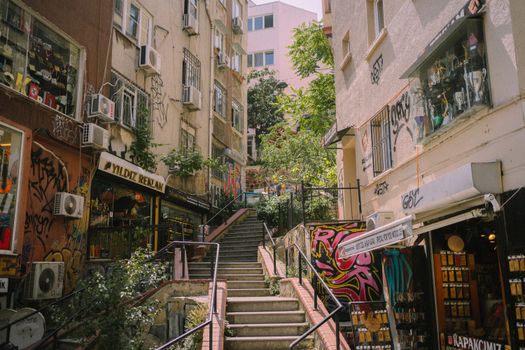
Beyond the Filter: Unearthing Viewpoints That Truly Dazzle
I stepped off the train in Kyoto, the air thick with the scent of damp earth and distant incense. My mission? To find the iconic Arashiyama Bamboo Grove, a place I’d seen plastered across every travel feed imaginable. But as I joined the throng, selfie sticks a-waving, a pang of disappointment hit. Was this it? The magic felt… manufactured. That’s when I realized: the real magic isn't in the overcrowded icons, but in the whispers of places yet to be discovered. It's time to go deeper, to find those viewpoints that offer not just a pretty picture, but a genuine, soul-stirring experience. Forget the predictable; let's talk about the extraordinary.
1. The Salt Flats of Uyuni, Bolivia: Beyond the Mirror Effect
Everyone knows Salar de Uyuni for its surreal "mirror effect" during the wet season. But trust me, visiting during the dry season offers a completely different, and arguably more profound, kind of magic.
The Experience:
Imagine an endless expanse of hexagonal salt crust stretching to the horizon, shimmering under the intense Bolivian sun. The air is crisp, dry, and carries the faint, mineral tang of salt. Instead of reflections, you get a bizarre, almost lunar landscape. The sheer scale is humbling. I remember standing there, feeling like I was on another planet, the silence broken only by the crunch of salt beneath my boots. It’s a stark, raw beauty that Instagram filters can’t replicate.
Pro-Tips:
* Dry Season Wonders: Visit between May and November for the cracked, geometric patterns that create an otherworldly terrain.
* Sunrise Serenity: Catch the sunrise. The low-angled light creates incredible shadows and highlights the texture of the salt.
* The "Isla Incahuasi" Surprise: Don't just stick to the main salt flats. The cactus-covered "fish island" (Isla Incahuasi) offers a contrasting, arid landscape with panoramic views.
Quick Facts:
* Estimated Costs ($$): $50-100 per day for a 3-day tour from Uyuni.
* Best Time to Visit: May to November (dry season).
* How to get there: Fly into Uyuni (UYU) or take an overnight bus from La Paz or Sucre. Tours are essential.
2. The Faroe Islands: Where the Cliffs Whisper Secrets
Forget the fleeting fame of the 'Møre og Romsdal' viewpoint in Norway. The Faroe Islands offer a rugged, untamed drama that feels ancient and alive.
The Experience:
Picture this: sheer, emerald-green cliffs plunging into a churning, steel-grey Atlantic. The air is perpetually mist-kissed, carrying the briny scent of the sea and the earthy aroma of damp peat. The wind is a constant companion, a wild symphony that whips your hair and invigorates your soul. The raw power of nature here is palpable. I stood at the edge of Gásadalur, watching the Múlafossur waterfall cascade directly into the ocean, and felt a profound sense of awe. It wasn't just a view; it was an immersion.
Pro-Tips:
* Gásadalur's Waterfall: The iconic Múlafossur waterfall is stunning, but explore beyond it. The drive itself is breathtaking.
* Sørvágsvatn (The Lake Above the Ocean): This optical illusion is even more dramatic in person. Hike to Trælanípa for the best vantage point.
* Renting a Car is Key: The islands are best explored by car. Roads are well-maintained, and the scenery changes around every bend.
Quick Facts:
* Estimated Costs ($$$): $150-250 per day (flights and accommodation are pricier).
* Best Time to Visit: May to August for longer daylight hours and milder weather.
* How to get there: Fly into Vágar Airport (FAE) via Copenhagen, Edinburgh, or other European hubs.
3. Chefchaouen, Morocco: The Blue City's Hidden Rooftops
While the winding blue streets of Chefchaouen are Instagram gold, the true magic lies above. The city's rooftops offer a different perspective, a quiet escape from the bustling medina.
The Experience:
Imagine the scent of mint tea mingling with freshly baked bread wafting up from below. The soundscape is a gentle murmur of daily life – distant calls to prayer, the chatter of locals, the clinking of tagines. From a rooftop terrace, the labyrinthine blue alleys transform into a painter's palette, a sea of azure, indigo, and cerulean. The sunset paints the sky in hues of orange and pink, casting a warm glow over the Rif Mountains. It's an intimate, serene beauty, a place to truly connect with the soul of the city.
Pro-Tips:
* Seek Out Local Cafes: Many small cafes have rooftop seating. Order a mint tea and soak in the atmosphere.
* The Spanish Mosque View: Hike up to the Spanish Mosque for a panoramic sunset view over the entire blue city and the surrounding valley. This is a must-do!
* Wander Early and Late: Explore the medina in the early morning or late evening to avoid crowds and capture the best light.
Quick Facts:
* Estimated Costs ($): $30-60 per day.
* Best Time to Visit: Spring (April-May) and Autumn (September-October) for pleasant weather.
* How to get there: Buses from major Moroccan cities like Fes, Tangier, or Casablanca.
4. The Fairy Pools, Isle of Skye, Scotland: Beyond the Obvious Hike
The Isle of Skye is a photographer's paradise, but the popular spots can feel like a queue. The Fairy Pools are stunning, but venture slightly off the beaten path for an even more magical experience.
The Experience:
Imagine the sharp, clean scent of peat and damp heather, carried on a cool, bracing wind. The sound is the constant, melodic rush of crystal-clear water tumbling over rocks, interspersed with the bleating of distant sheep. The water in the Fairy Pools is an unbelievable shade of turquoise, so clear you can see every pebble. But the real magic is in the smaller, less-visited pools and cascades further up the glen. You can find your own private oasis, surrounded by the dramatic, ancient landscape of Skye, with the imposing Black Cuillins as your backdrop.
Pro-Tips:
* Go Early or Late: Beat the crowds by arriving before 9 AM or after 5 PM.
* Explore Upstream: The most famous pools are at the start. Hike further up the glen for more secluded, equally beautiful spots.
* Waterproof Everything: Skye's weather is famously unpredictable. Waterproof boots and a good jacket are essential.
Quick Facts:
* Estimated Costs ($$): $70-120 per day (car rental is highly recommended).
* Best Time to Visit: Late spring to early autumn (May-September) for better weather.
* How to get there: Fly into Inverness (INV) and rent a car, or take a train to Kyle of Lochalsh and then a bus or taxi to Skye.
5. Cappadocia, Turkey: Sunrise from a Hidden Valley
The iconic hot air balloon ride over Cappadocia is undoubtedly spectacular. But for a truly unique and less crowded viewpoint, explore the valleys at ground level during sunrise.
The Experience:
Imagine the cool, pre-dawn air carrying the faint, earthy scent of the Cappadocian soil. The only sounds are the rustling of wind through the fairy chimneys and the distant braying of a donkey. As the sun begins its ascent, the landscape transforms. The soft, ochre hues of the rock formations deepen, casting long, dramatic shadows. The sky ignites in a symphony of oranges, pinks, and purples, all while the distant balloons drift lazily overhead. It’s a raw, intimate sunrise that feels like your own personal discovery.
Pro-Tips:
* Love Valley Sunrise: This valley offers incredible rock formations that look like giant phalluses. The sunrise here is mind-blowing.
* Pigeon Valley Exploration: Hike through Pigeon Valley before dawn. The unique rock-cut pigeon houses add a fascinating layer to the landscape.
* Local Guides: Consider hiring a local guide for a sunrise hike. They know the best hidden spots and can share fascinating insights.
Quick Facts:
* Estimated Costs ($): $40-70 per day.
* Best Time to Visit: April-May and September-October for pleasant temperatures.
* How to get there: Fly into Kayseri (ASR) or Nevşehir (NAV) airports and take a shuttle or taxi to Göreme or Ürgüp.
6. The Fjords of Norway: From a Kayak, Not a Cruise Ship
While the iconic Pulpit Rock is famous, experiencing Norway's fjords from the water, away from the massive cruise ships, offers an unparalleled sense of scale and tranquility.
The Experience:
Imagine the crisp, clean scent of glacial meltwater, mingling with the salty tang of the sea. The silence is profound, broken only by the gentle dip of your paddle, the cry of a seabird, or the distant rumble of a waterfall. Gliding through the impossibly still, dark waters of a fjord, dwarfed by sheer, snow-capped cliffs that rise thousands of feet, is an experience that redefines awe. You feel an intimate connection to the raw, ancient power of the landscape, a feeling lost in the shuffle of a crowded viewpoint.
Pro-Tips:
* Kayak Tours: Book a guided kayak tour in Geirangerfjord or Nærøyfjord. This allows you to get up close to waterfalls and explore hidden coves.
* Ferry Views: If kayaking isn't your thing, take a local car ferry through the fjords. These are less touristy than the large cruise ships and offer fantastic perspectives.
* Pack Layers: The weather in the fjords can change rapidly, even in summer.
Quick Facts:
* Estimated Costs ($$$): $120-200 per day (especially if including fjord cruises/tours).
* Best Time to Visit: May to September for the best weather and accessibility.
* How to get there: Fly into Bergen (BGO) or Oslo (OSL) and then take a train, bus, or car to the fjord regions.
---
The world is brimming with beauty that doesn't need a filter to shine. These viewpoints offer not just a visual feast, but a genuine connection to the planet. So, pack your bags, embrace the adventure, and discover the views that truly matter.