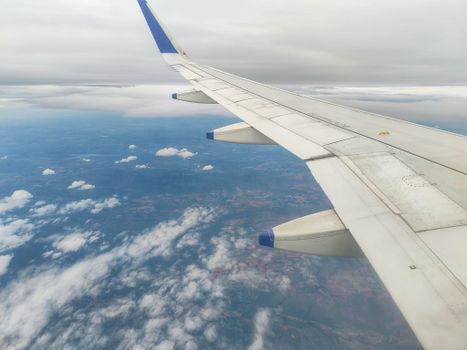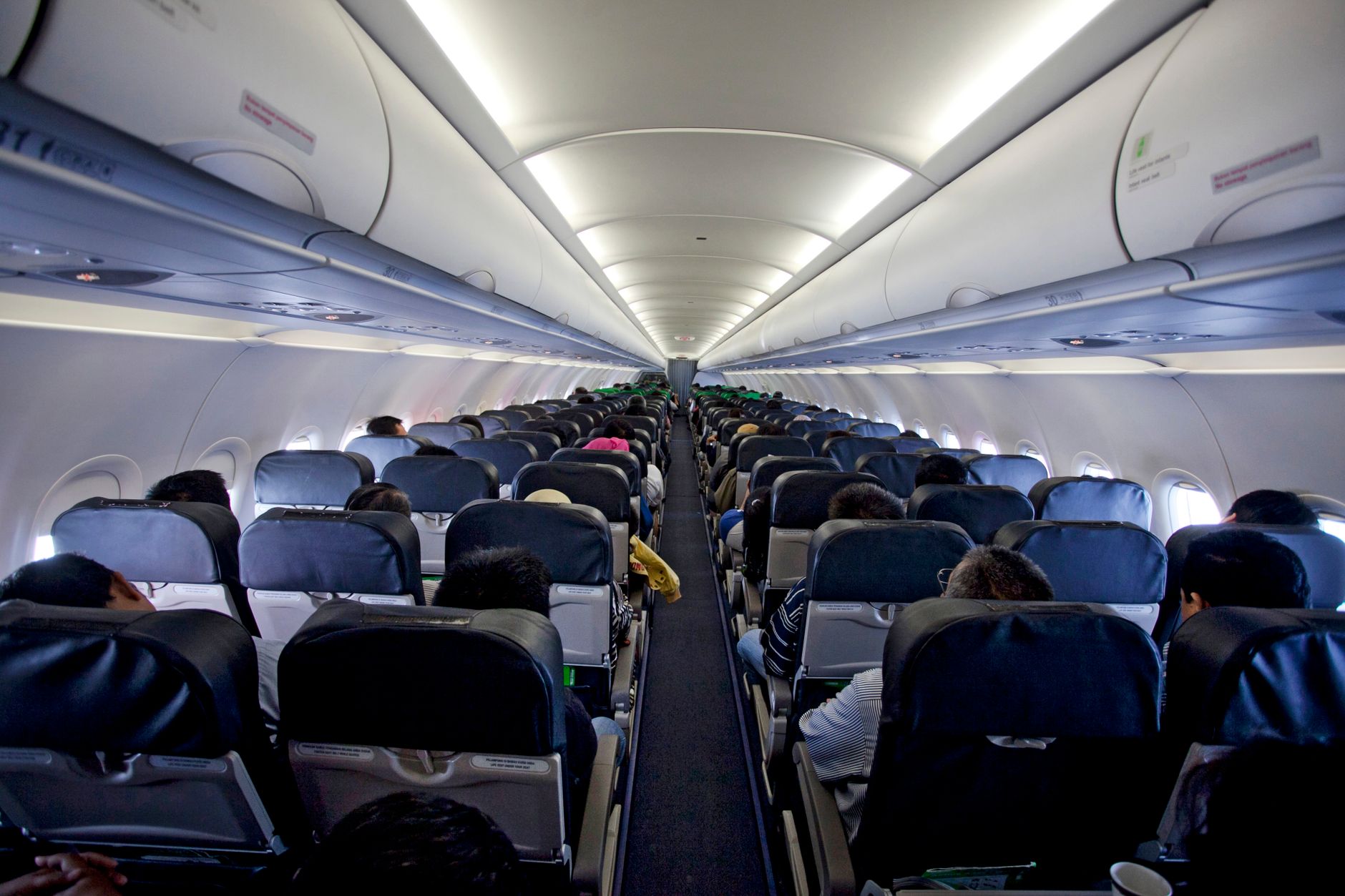
The hum of the airplane engines, the crisp scent of jet fuel, the anticipation of a new adventure… these are the sensations that usually fill my heart with joy. But for years, the thought of a long-haul flight with my two spirited children, Leo (now 7) and Maya (4), was enough to send shivers down my spine. I’m talking about that 14-hour haul to Auckland, or the 10-hour red-eye to Tokyo, or even the "short" 6-hour hop across the Atlantic to Rome. My first attempt at a long flight with Leo when he was just 18 months old was, shall we say, a learning experience. It involved a lot of crying (mostly mine), a floor covered in crushed crackers, and the sympathetic glances of every passenger within a three-row radius. I swore I’d never do it again.
Yet, here I am, a seasoned pro, having navigated countless international skies with my little globetrotters. What changed? I realized that surviving long flights with children isn't about luck; it's about strategy, preparation, and a healthy dose of humor. It’s about transforming dread into delight, not just for them, but for you too. So, if you’re eyeing that dream family trip to Bali, planning a visit to family across continents, or simply want to make your next flight less of a nightmare and more of a memorable part of the journey, you’re in the right place.
Welcome to my ultimate guide, packed with the trending tips, gear, and mindset shifts that will turn you into a long-haul flight ninja. Let's make those sky-high family memories instagram-worthy, not just nightmare fuel!
1. The Pre-Flight Playbook: Your Secret Weapon for Smooth Skies
The journey begins long before you even step foot in the airport. Strategic pre-flight planning is the bedrock of a successful long-haul with kids. Think of it as your mission briefing before a grand adventure!
Booking Smart: Seats, Times, and Airlines
Choosing the right flight is half the battle.
* Red-Eye vs. Daytime: This is a personal preference, but for many, a red-eye flight can be a lifesaver. If your children are good sleepers, they might just snooze through most of it, waking up refreshed at your destination. We’ve had incredible success with red-eyes to Europe, where the kids wake up as we’re descending into London, ready for breakfast.
* Seat Selection: If your budget allows, bulkhead seats are gold. They offer extra legroom and often a bassinet option for infants (check airline policies and book far in advance!). For toddlers and older kids, aim for seats where you can easily get up and walk around, perhaps near the galley or lavatories. If you’re a family of four, booking two aisle seats across from each other can give you flexibility. For our trip to Thailand last year, we splurged a little on extra legroom seats – the ability for Leo to stretch his legs without kicking the seat in front of him was priceless.
* Kid-Friendly Airlines: Some airlines genuinely go above and beyond for families. Emirates, Qatar Airways, and Singapore Airlines are consistently praised for their excellent in-flight entertainment, kid-specific meals, and attentive cabin crew. Even domestic carriers like Southwest (for their open seating) or Delta (for their entertainment options) can be great choices. Do your research!
Packing the 'Magic' Carry-On: Every Item Counts
This isn't just a bag; it's your survival kit. I recommend a separate small backpack for each child (even toddlers!) filled with their essentials, plus a larger "parental control" bag.
* The "Surprise Bag": This is my absolute favorite trick! Before the trip, buy 5-7 small, inexpensive, new toys or activities per child. Think mini Play-Doh pots, sticker books, small puzzles, a new coloring book and crayons, a tiny figurine set. Wrap each one individually. When boredom strikes every hour or so, pull out a "surprise!" The novelty factor is immense. Leo once spent an entire hour engrossed with a new Hot Wheels car on a flight to Sydney.
* Snacks, Snacks, and More Snacks: Pack more than you think you’ll need. Think non-messy, healthy-ish options: fruit pouches, granola bars, crackers, dried fruit, cheese sticks, mini muffins. Avoid anything overly sugary that could lead to a crash. Always pack a few "treat" items for emergencies.
* Comfort Crew: A small blanket, their favorite stuffed animal, or a familiar pillow can provide immense comfort and a sense of routine in an unfamiliar environment. For Maya, her beloved "Bunny" is non-negotiable.
* Change of Clothes (for Everyone!): This is crucial. Spills, accidents, motion sickness… you name it. Pack a full change for each child and at least a top for yourself. I learned this the hard way on that first flight with Leo when he projectile vomited on me. No spare top. It was a long flight.
* Medication & First Aid: Any prescription meds, pain relief (children's Tylenol/Motrin), motion sickness remedies, band-aids, antiseptic wipes, hand sanitizer, and saline spray for dry noses.
Pre-Flight Routine: Burn Energy, Beat Stress
* Airport Play Zones: Many major airports now have fantastic play areas. Seek them out! Let your kids run, jump, and burn off as much energy as possible before boarding. A tired child is a happy (and potentially sleeping) child.
* Early Check-in & Security: Give yourself ample time. Rushing with kids is a recipe for disaster. Utilize online check-in and consider TSA PreCheck/Global Entry if available in your country.
* Hydration: Keep everyone well-hydrated before, during, and after the flight.
2. The Carry-On Chronicles: Entertainment & Engagement Onboard
Once you’re in the air, your carry-on becomes your command center for preventing boredom and meltdowns. This is where the magic happens!
Screen Time, Guilt-Free (Mostly!)
* Tablets & Headphones: Load up tablets with movies, TV shows, and educational apps before you leave home. Many airlines offer fantastic in-flight entertainment, but having your own backup is essential. Invest in good quality, child-friendly headphones (we love the Puro Sound Labs ones for their volume limiting feature). Don’t forget power banks and charging cables! For our flight to Japan, I downloaded an entire season of "Bluey" and a few interactive learning games – it was a game-changer.
* No Wi-Fi? No Problem! Pre-downloaded content means no reliance on spotty (or expensive) in-flight Wi-Fi.
Analog Adventures: Beyond the Screen
While screens are great, a mix of activities keeps things fresh.
* Sticker Books & Activity Pads: Reusable sticker books are fantastic, and "mess-free" coloring books (like Water Wow or Color Wonder) are a genius invention.
* Small Toys & Figurines: Think Matchbox cars, LEGO minifigures, small animal figurines. Crucially, avoid anything with tiny, easily lost pieces.
* Play-Doh: A small pot of Play-Doh (or similar modeling clay) can provide surprisingly long periods of quiet, creative play. Just make sure they understand it stays on the tray table!
* Reading Books: Pack a few of their favorite lightweight books or introduce a new story.
* Card Games: For older kids, a deck of cards or a travel-sized Uno can be a fun distraction.
* The "Sensory Bin" Idea (Travel Edition): A small clear container filled with interesting textures, small objects, and maybe some pipe cleaners can keep little hands busy.
Involve the Kids in the Process:
Let them help pack their own small backpack with approved items. This gives them a sense of ownership and excitement for the journey. "What special toy will you bring for our adventure to Costa Rica, Maya?"
3. Onboard Tactics: Mastering the Cabin Environment
You're in the air, the seatbelt sign is off, and the adventure truly begins. Now it's about navigating the unique challenges of the airplane cabin.
Take-Off & Landing: Ear Pressure Relief
* Chewing/Swallowing: For infants, nursing or bottle-feeding during ascent and descent is ideal. For toddlers and older kids, a pacifier, chewy snack, or even just yawning or swallowing can help alleviate ear pressure. We always keep a lollipop or a small bag of fruit snacks handy for these moments.
Movement & Exploration (When Appropriate)
* Regular Walks: Don't let them sit for too long. When the seatbelt sign is off, encourage short walks up and down the aisle. A little stretch can do wonders for circulation and mood. Just be mindful of the flight attendants and other passengers.
* Galley Visits: Sometimes, a quick trip to the galley for a chat with the flight attendants or a change of scenery can reset a grumpy mood. Just ask politely first!
Sleep Strategy: Recreating Routine in the Sky
* Familiarity: Bring their favorite blanket or a small pillow.
* Darkness & Quiet: Use an eye mask for older kids (and yourself!), and consider noise-canceling headphones. If they're in a bassinet, drape a light blanket over it to create a darker, more enclosed space.
* Routine: Try to mimic your at-home bedtime routine as much as possible – a story, a cuddle, then lights out (or at least screen off).
* Travel Beds/Footrests: Products like the JetKids BedBox or inflatable footrests (check airline approval first!) can transform an economy seat into a comfortable sleeping space for young children. Leo absolutely loved using his BedBox on our flight to New Zealand – it meant he could really stretch out.
Dealing with Meltdowns: Empathy & Distraction
It happens. Kids get overwhelmed, tired, or simply bored.
* Stay Calm: Your stress will amplify theirs. Take a deep breath.
* Empathy: Acknowledge their feelings. "I know you're tired/frustrated/bored, sweetie."
* Distraction: This is where your "surprise bag" or a favorite song on their tablet comes in.
* Change of Scenery: A walk to the lavatory or a stand in the galley can sometimes be enough to break the cycle.
* Don't Apologize Excessively: Most fellow parents understand. Offer a quick, polite apology if necessary, but don't beat yourself up. Focus on your child.
4. Feeding Frenzy & Hydration Hacks: Keeping Fuel Levels High
Hunger and dehydration are silent saboteurs of a peaceful flight. Keeping your little ones well-fed and hydrated is paramount.
Airline Meals vs. Your Own Stash
* Pre-Order Kids' Meals: Most airlines offer special children's meals. Order these in advance! They often come out first, which is a bonus. However, always have a backup plan.
* Your Own Snacks are King: As mentioned, your carefully curated snack bag is your best friend. Airline food can be unpredictable, and delays happen. Having familiar, comforting snacks can make a huge difference. Maya is a picky eater, so her personalized snack box with carrot sticks, apple slices, and mini sandwiches was a lifesaver on our flight to Portugal.
* Allergy Awareness: If your child has allergies, packing all their food might be the safest option, and always inform the airline in advance.
Hydration Station
* Water Bottles: Pack empty reusable water bottles and fill them up after security. Keep offering water throughout the flight. Dehydration can exacerbate jet lag and general grumpiness.
* Avoid Sugary Drinks: While a small juice box can be a treat, too much sugar can lead to hyperactivity and then a crash. Stick mostly to water.
* Breastfeeding/Bottle Feeding: Don't hesitate to nurse or bottle-feed on demand. A lightweight nursing cover can provide privacy if you desire it. Flight attendants are usually very accommodating if you need warm water for bottles.
Mess Management:
* Wipes, Wipes, Wipes: Pack a travel pack (or two!) of wet wipes.
* Small Trash Bags: Those little doggy poop bags or ziplock bags are perfect for containing sticky wrappers, food scraps, or used tissues until the flight attendant comes by.
* Bibs: For younger children, a travel bib can save a change of clothes.
5. Post-Flight Survival: Conquering Jet Lag & Settling In
You've landed! The biggest challenge is over, but the next one, jet lag, can be just as daunting with children.
Immediate Time Zone Shift:
* Embrace Local Time: As soon as you land, try to shift everyone to the local time zone. If it’s daytime, get outside into the sunlight. Sunlight helps reset circadian rhythms. If it’s evening, try to stick to your usual bedtime routine, even if it feels early or late.
* Stay Active (But Not Over-Scheduled): Plan light activities for the first day or two. A walk in a park, a visit to a local playground, or a gentle swim can help burn off energy and adjust to the new environment. Avoid demanding tours or long car rides right away.
* Hydration & Nutrition: Continue to prioritize water and healthy food. Avoid heavy, sugary, or processed foods, which can make jet lag worse.
Sleep is Key:
* Consistent Bedtime: Try to establish a consistent bedtime routine as quickly as possible. Even if they nap during the day, try to get them to bed at a reasonable hour in the evening.
* Dark Room: Ensure their sleeping environment is dark and quiet. Blackout blinds (or even hanging a blanket over the window) can be incredibly helpful.
* Naps: For younger children, allow naps, but try to keep them to a reasonable length and avoid napping too close to bedtime.
Embrace Imperfection:
The first few days will be a little rough. There will be early mornings, late nights, and possibly some emotional outbursts. That’s okay! Give everyone grace, including yourself. Remember why you embarked on this journey – the incredible experiences waiting for you. Our first morning in Bali, Maya woke up at 3 AM wide awake. Instead of fighting it, we went to the hotel lobby, watched the sunrise, and she quietly played with her travel Play-Doh. It became a surprisingly peaceful memory.
6. The Mindset Shift: Your Most Powerful Tool
Ultimately, the most effective tool in your long-flight survival kit isn't a gadget or a snack; it's your mindset.
Lower Your Expectations (Significantly!)
This is not the flight where you'll catch up on work, read a novel cover-to-cover, or binge-watch a series. This is a flight where you are a parent on active duty. If you get 20 minutes to yourself, consider it a victory. Accepting this reality reduces stress immensely.
Patience & Flexibility are Your Co-Pilots
Things will go wrong. A toy will get lost, a drink will spill, a meltdown will happen. Your ability to roll with the punches, adapt, and remain patient will dictate the overall mood of the journey. Every parent has been there.
Team Effort (If Traveling with a Partner)
If you're flying with another adult, tag-team! Take turns being "on duty" so each parent gets a break to eat, use the restroom in peace, or even just close their eyes for a few minutes. Divide responsibilities: one handles snacks, the other entertainment, or one takes the morning shift, the other the evening.
Self-Care, Even in the Sky
It sounds impossible, but try to carve out tiny moments for yourself. Put on your own noise-canceling headphones and listen to a podcast while your child is engrossed in a movie. Sip your coffee slowly. Take a few deep breaths. A calm parent is a better parent.
Focus on the "Why": The Reward Awaits
When the going gets tough, close your eyes and picture the destination. The joy on your children's faces as they build sandcastles on a pristine beach in the Maldives, their wonder exploring the ancient ruins of Machu Picchu, or the laughter sharing gelato in Florence. These are the moments you're flying for. The journey is temporary; the memories are forever.
Ready for Take-Off?
Long flights with children are undoubtedly a challenge, but they are far from impossible. With careful planning, a well-stocked carry-on, and a resilient mindset, you can transform what many dread into a manageable, even enjoyable, part of your family's grand adventure. Remember, every flight is a learning experience, and every journey brings you closer to incredible shared moments.
So, go ahead, start dreaming of those far-flung destinations. Book that flight. Pack those surprise bags. The world is waiting, and you and your little explorers are ready to conquer it, one long-haul flight at a time!
What are your go-to long-flight survival hacks? Share your wisdom in the comments below – let's build the ultimate community resource for flying families! And if you found this guide helpful, don't forget to share it with your fellow travel-loving parents!