Glacier Walks You Can Do In Sneakers That Changed My Life Forever
Let's be honest, the idea of "glacier walking" probably conjures up images of hardened mountaineers, specialized ice axes, rigid boots, and a hefty budget for gear. For years, this perception kept me from even dreaming of setting foot on one of Earth's magnificent ice rivers. I imagined it as an exclusive club, only for the super-fit, super-rich, or super-experienced.
Then, one crisp Icelandic morning, something happened that utterly shattered that myth and fundamentally altered my understanding of adventure travel. I found myself standing at the edge of Sólheimajökull, a majestic outlet glacier of the larger Mýrdalsjökull ice cap, ready for my first-ever glacier walk – in my regular hiking sneakers.
My guide, a cheerful Icelander named Bjorn, just smiled when he saw my footwear. "Perfect!" he boomed, handing me a pair of lightweight crampons designed to strap right over them. Within minutes, I was crunching across the ancient ice, feeling like an explorer, a pioneer, and utterly, undeniably alive. This wasn't just a walk; it was a revelation. It was accessible, exhilarating, and yes, truly life-changing.
What if I told you that you don't need to be a seasoned mountaineer to experience the profound beauty and humbling power of a glacier? What if I told you that with the right tour and a pair of sturdy sneakers, you could be standing on a geological marvel that's thousands of years old, feeling the ancient ice beneath your feet? Because you absolutely can, and I’m going to tell you exactly how.
The Myth of the Mountain Guide & Heavy Boots (And Why It’s Often Wrong)
Before my Icelandic epiphany, my mental image of a glacier trek was dominated by extreme sports documentaries. I envisioned myself needing to invest hundreds in specialized insulated boots, buying my own crampons, and perhaps even taking a course in ice climbing. The sheer perceived barrier to entry felt insurmountable for a casual traveler like myself.
But here’s the crucial distinction: there's a world of difference between technical glacier climbing and accessible glacier walking. While some expeditions demand serious gear and expertise, many popular glacier tours worldwide are designed for the average traveler. These tours prioritize safety, accessibility, and providing an incredible experience without requiring you to be an ice conqueror.
The secret? The tour operators themselves provide all the necessary safety equipment. This usually includes:
- Lightweight Crampons/Spikes: These are not the heavy-duty mountaineering crampons that require specific rigid boots. Instead, they are often flexible, adjustable spikes that strap securely over your existing sturdy sneakers or hiking shoes. They provide incredible traction on the ice.
- Ice Axe: Primarily for balance and stability, not for technical climbing. It acts like a walking stick on the ice.
- Helmet: A standard safety precaution.
- Harness (for some tours): If there are any sections where you might be clipped into a rope for added security, though this is less common on "sneaker-friendly" walks.
This means that your role is simply to show up in comfortable, appropriate clothing and your trusty, broken-in sneakers. It's truly that simple, and it opens up a whole new world of adventure that many travelers mistakenly think is out of reach.
My First "Sneaker Glacier" Experience: Iceland's Sólheimajökull
My journey into the world of accessible glacier walks began in Iceland, a land where fire meets ice, and dramatic landscapes are the norm. Sólheimajökull was my chosen glacier, and it proved to be the perfect introduction.
The day started with a quick briefing from Bjorn, our guide. He explained the basics of walking with crampons, how to use the ice axe for balance, and the incredible geology we were about to witness. My initial apprehension about slipping quickly vanished as I strapped on the provided crampons. They felt surprisingly light and secure over my waterproof trail runners.
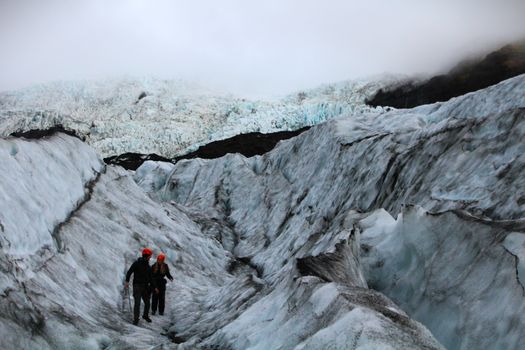
Stepping onto the glacier was like entering another dimension. The ice wasn't uniformly white; it was a mesmerizing tapestry of blues – deep sapphire, ethereal turquoise, and milky sky-blue – streaked with black volcanic ash and sediment. Meltwater carved intricate patterns, creating small streams and pools that reflected the vast Icelandic sky. Bjorn pointed out ancient ash layers from past eruptions, giving us a tangible sense of the glacier's age and history. We learned about seracs (ice towers), crevasses (deep cracks), and moulins (vertical shafts formed by meltwater).
The walk itself was invigorating but not overly strenuous. We navigated gentle slopes, stepped over small crevasses (always under Bjorn's careful instruction), and paused frequently to absorb the sheer scale of our surroundings. The air was crisp and clean, carrying the faint scent of minerals and damp earth. The only sounds were the crunch of our crampons, the drip of meltwater, and the occasional distant rumble of ice shifting.
Practical Details for Sólheimajökull:
- Location: South Iceland, easily accessible from the Ring Road, about a 2-hour drive from Reykjavik.
- Tour Operators: Reputable companies like Arctic Adventures, Troll Expeditions, and Glacier Guides offer daily tours.
- Duration: Most tours last 2-3 hours on the ice itself, with total tour time (including briefing, gear, and transfers) around 3-4 hours.
- What's Provided: All essential glacier safety gear – crampons, ice axe, helmet. Some tours also offer waterproof jackets/trousers for rent if you're unprepared.
- What to Bring:
- Sturdy Sneakers/Hiking Shoes: Your most important item! Make sure they are comfortable and have good ankle support if possible.
- Layers: Base layer (merino wool is great), mid-layer (fleece or puff jacket), and a waterproof/windproof outer shell.
- Warm Hat & Gloves: Essential, even in summer.
- Sunglasses: The glare off the ice can be intense.
- Water Bottle & Snacks: Stay hydrated and energized.
- Camera: You'll want to capture every breathtaking moment!
- Price Range: Expect to pay roughly €70-€100 per person for a guided walk.
The feeling of walking on something so ancient, so powerful, and yet so fragile in the face of climate change, was profoundly humbling. It wasn't just a physical journey; it was an emotional and intellectual one too. It was accessible adventure at its finest, proving that you don't need to be an expert to connect with nature's most epic wonders.
Beyond Iceland: Other Accessible Glacier Gems
My Icelandic experience ignited a passion, and I soon discovered that Sólheimajökull was just one of many glaciers worldwide that offer incredible, sneaker-friendly experiences.
New Zealand: Franz Josef & Fox Glaciers (Heli-Hike Option)
New Zealand's South Island is home to two of the most famous and accessible glaciers in the world: Franz Josef and Fox. While ground access to the terminal face has become limited due to rapid retreat, the heli-hike option here is arguably one of the most spectacular ways to experience a glacier, and it's perfectly suitable for sneakers!
My Experience:
The helicopter ride alone is an adventure, sweeping you over lush rainforests and dramatic valleys before landing you directly on the pristine, upper reaches of the glacier. Stepping out onto the ice after that scenic flight is absolutely surreal. The guides carve steps into the ice and lead you through incredible ice caves, tunnels, and seracs. The ice here is a brilliant, almost otherworldly blue.
Practical Details:
- Location: West Coast of New Zealand's South Island, near the towns of Franz Josef and Fox Glacier.
- Tour Operators: Franz Josef Glacier Guides and Fox Glacier Guiding are the primary operators.
- Duration: Heli-hikes typically involve 10-15 minutes of flight time each way and about 2-3 hours on the ice.
- What's Provided: All glacier gear, including crampons (again, strapping over your sneakers), ice axe, and waterproof outer layers if needed.
- What to Bring: Sturdy sneakers, warm layers, sunglasses, camera.
- Price Range: This is a more premium experience due to the helicopter component, typically NZD$400-600 per person. Worth every penny for the views!
Patagonia, Argentina: Perito Moreno Glacier (Mini-Trekking)
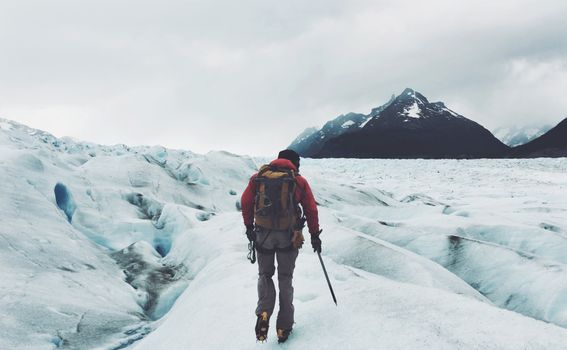
Perito Moreno in Los Glaciares National Park is a UNESCO World Heritage site and one of the most dynamic and easily visited glaciers in the world. Famous for its dramatic calving events, where massive chunks of ice break off and crash into Lake Argentino, it offers a "mini-trekking" experience that is ideal for sneaker-clad adventurers.
My Experience:
The journey to Perito Moreno is breathtaking, involving a scenic drive and a short boat ride across the "Rico Arm" of Lake Argentino to a landing point. From there, you're led to a hut where guides provide crampons that fit over your shoes. The walk onto the glacier offers unparalleled views of the ice wall – a colossal, constantly shifting landscape of peaks and valleys. Hearing the thunderous roar of calving ice while standing on the glacier itself is an auditory and visual spectacle you’ll never forget.
Practical Details:
- Location: Los Glaciares National Park, near El Calafate, Patagonia, Argentina.
- Tour Operators: Hielo y Aventura is the exclusive operator for glacier treks on Perito Moreno.
- Duration: The mini-trekking experience involves about 1.5-2 hours on the ice, plus boat transfers and time on the boardwalks.
- What's Provided: Crampons, and guides.
- What to Bring: Sturdy sneakers, warm layers, waterproof jacket, sunglasses, camera.
- Price Range: Around USD$100-150 per person (excluding national park entrance fee).
Your Essential Sneaker Glacier Packing List (Beyond the Sneakers)
While the focus is on "sneakers," it's crucial to remember that you're still venturing into a wild, often cold, and exposed environment. Here’s what you absolutely need to pack for your accessible glacier walk:
- Footwear:
- Sturdy, Comfortable Sneakers/Hiking Shoes: This is key! Choose a pair that's well broken-in, offers decent ankle support (if possible), and ideally is waterproof or water-resistant. Avoid flimsy canvas shoes or open-toed sandals at all costs. Trail runners are often perfect.
- Clothing (Layers are Your Best Friend!):
- Base Layer: Moisture-wicking material (merino wool or synthetic) to keep sweat away from your skin.
- Mid-Layer: A warm fleece jacket or a lightweight down/synthetic puff jacket for insulation.
- Outer Shell: A waterproof and windproof jacket and trousers. The weather on a glacier can change rapidly, and staying dry is crucial for warmth.
- Warm Hat: You lose a lot of heat through your head.
- Gloves: Waterproof or at least water-resistant gloves are ideal to protect your hands from the cold and any contact with the ice.
- Essentials:
- Sunglasses: The glare off the ice can be incredibly intense and harmful to your eyes. Don't skip these!
- Sunscreen: Even on cloudy days, UV rays reflect off the ice.
- Water Bottle: Stay hydrated.
- Snacks: Energy bars or fruit are great to keep you going.
- Small Backpack: To carry your layers, water, snacks, and camera.
- Camera: With extra batteries or a power bank. Consider a waterproof case or a shockproof camera for added protection.
- Lip Balm with SPF: To prevent chapped lips from sun and wind exposure.
Pro Tip:
When researching tours, always double-check what gear is provided. Reputable companies specializing in glacier walks for general tourists will explicitly state that they provide crampons, ice axes, and helmets, and often mention that sturdy shoes are sufficient.
Safety First, Even in Sneakers: What to Know Before You Go
Even on the most accessible glacier walk, safety is paramount. The ice is a living, constantly changing environment, and respecting its power is non-negotiable.
- Always Go With a Certified Guide: This is the golden rule. Never, ever attempt to walk on a glacier unguided. Guides are trained professionals who understand the ice, know the safe routes, and can navigate hazards like crevasses and unstable ice.
- Listen to Your Guide: Their instructions are for your safety. Pay attention during briefings and follow their lead on the ice. If they say "don't step there," don't step there!
- Understand the Tour Type: Ensure you're booking a "glacier walk" or "mini-trekking" tour, not a technical "ice climbing" or "expedition" tour, which would require specialized gear and experience.
- Physical Fitness: You don't need to be an Olympic athlete, but a moderate level of fitness is helpful. You'll be walking on uneven, sometimes slippery, terrain for a few hours. If you can comfortably walk a few miles, you should be fine.
- Weather Preparedness: Glaciers are exposed to the elements. Be prepared for cold, wind, rain, or even snow, regardless of the season. Layers are key!
- Environmental Impact: Leave no trace. Pack out everything you pack in. Do not disturb the natural environment. Glaciers are vital indicators of climate change, and respecting them is more important than ever.
The Unforgettable Feeling: Why This Experience Will Change You
So, why do I call these "sneaker glacier" walks "life-changing"? It's not just about the thrill of doing something unexpected. It's about a profound shift in perspective.
- Connecting with Ancient History: You're walking on ice that has existed for thousands of years, a tangible link to Earth's geological past. It's incredibly humbling.
- Witnessing Nature's Power & Fragility: Glaciers are dynamic, powerful forces, yet they are also incredibly vulnerable to climate change. Seeing them up close fosters a deeper appreciation for our planet and a sense of urgency to protect it.
- Defying Expectations: There's an immense satisfaction in overcoming perceived barriers. Realizing that an adventure you thought was out of reach is actually within grasp is incredibly empowering. It makes you wonder what other "impossible" things you can achieve.
- Unrivaled Beauty: The colors, the textures, the sheer scale of a glacier are breathtaking. Every step offers a new, Instagram-worthy vista. You'll capture photos and memories that will spark conversations for years to come.
- Accessible Adventure: This experience truly democratizes adventure travel. It proves that you don't need to be an expert or own expensive gear to have an epic, unforgettable encounter with the wild.
My first steps onto Sólheimajökull in my sneakers were more than just a walk; they were a journey into the heart of an ancient world, a challenge to my own preconceived notions, and an invitation to embrace adventure in its most accessible forms. It taught me that sometimes, the greatest discoveries happen when you simply show up, open to the possibilities, and ready to put one foot in front of the other.
Are you ready to lace up your sneakers and step onto a glacier? Trust me, it’s an experience that will stay with you long after the ice has melted from your shoes. Which glacier are you dreaming of exploring? Share your thoughts and questions in the comments below!
---