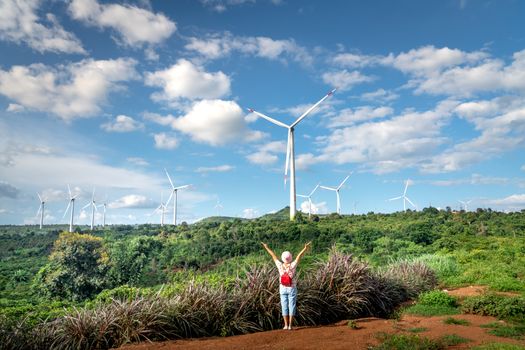
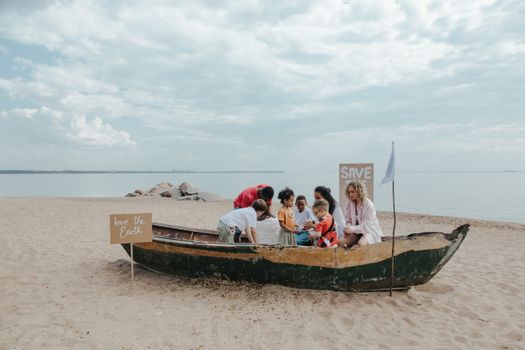
Remember that moment when you first realized the true impact of your travels? For me, it was standing on a pristine beach in Thailand, watching a local community painstakingly clean up plastic waste left by tourists, and feeling a profound pang of guilt. I’d always considered myself an adventurous, respectful traveler, but that day, the concept of "sustainable tourism" shifted from a buzzword to a personal imperative.
We all want to explore the world, to chase horizons and discover new cultures. But what if we could do it in a way that not only minimizes our footprint but actively contributes to the well-being of the places we visit? What if our adventures could be a force for good?
The good news? It’s not just a dream. More and more countries are stepping up, innovating, and integrating sustainability into the very fabric of their tourism offerings. These aren't just "eco-friendly" spots; these are nations leading the charge, proving that world-class travel and environmental stewardship can go hand-in-hand.
So, pack your reusable water bottle, your ethically sourced sunscreen, and your open mind. Here are the leading sustainable tourism countries you absolutely need to experience before you die, curated from my own transformative journeys and countless hours of research for Tripsora.
1. Costa Rica: The Pura Vida Eco-Pioneer
Why it's a leader:
Costa Rica isn't just a poster child for eco-tourism; it's the original. This small Central American nation has a staggering 25% of its land dedicated to national parks and protected areas, boasts an incredible 5% of the world's biodiversity, and generates over 98% of its electricity from renewable sources. Their commitment to "Pura Vida" (pure life) extends far beyond a catchy slogan – it’s a national philosophy that prioritizes nature and well-being.
My Pura Vida Moment:
I’ll never forget my first trip to the Osa Peninsula. Staying in an off-grid, open-air eco-lodge, waking up to the roar of howler monkeys, and spotting a sloth outside my window wasn't just a vacation; it was an immersion. One morning, I joined a community-led birdwatching tour. Our guide, a former logger, now passionately pointed out toucans and macaws, explaining how tourism had provided a sustainable alternative to deforestation. It was a tangible example of how my travel dollars were directly supporting conservation and local livelihoods.
What to Experience:
* Corcovado National Park (Osa Peninsula): Often called the "most biologically intense place on Earth," this is raw, untamed rainforest at its best. Hire a certified local guide (it's mandatory and enhances the experience immensely) for wildlife spotting – think jaguars (if you're incredibly lucky!), tapirs, monkeys, and vibrant birds.
* Monteverde Cloud Forest: Explore misty, ethereal forests via hanging bridges and ziplines, choosing operators certified by the Costa Rican Tourism Board (ICT) for their sustainability practices.
* Sustainable Coffee & Chocolate Tours: Visit a local farm in the Central Valley. I loved learning about sustainable farming practices and, of course, sampling the delicious results. Most tours range from $30-60 per person and are a fantastic way to support local agriculture.
Practical Tips for Sustainable Travel in Costa Rica:
* Choose Certified Accommodations: Look for hotels and lodges with the "Certification for Sustainable Tourism" (CST) label.
* Support Local: Eat at "sodas" (local diners), buy from artisan markets, and hire local guides.
* Minimize Waste: Carry a reusable water bottle, refuse plastic straws, and properly dispose of waste.
* Respect Wildlife: Keep a safe distance, never feed animals, and choose ethical animal encounters (no petting zoos or captive animal shows).
2. Slovenia: Europe's Green Heartbeat
Why it's a leader:
Tucked between the Alps and the Adriatic, Slovenia is a hidden gem that consistently tops sustainable tourism indices. Ljubljana was named Europe's Green Capital in 2016, and the entire country is committed to the "Green Scheme of Slovenian Tourism," which awards a "Slovenia Green" label to sustainable destinations and providers. With 60% of its land covered by forest and a fierce dedication to preserving its pristine natural beauty, Slovenia offers a refreshingly authentic and eco-conscious European experience.
My Alpine Awakening:
My journey started in Ljubljana, a city so walkable and bike-friendly, it felt like a breath of fresh air after other European capitals. Cars are largely restricted in the city center, making it a pedestrian paradise. From there, I ventured to the Julian Alps. Hiking through Triglav National Park, the air crisp and clean, the only sounds were birdsong and the rush of glacial rivers, I realized how deeply ingrained sustainability was here. Even the local guesthouses offered locally sourced, organic meals, often grown in their own gardens.
What to Experience:
* Ljubljana: Explore the car-free city center on foot or by bike. Visit Ljubljana Castle via the funicular (powered by electricity!) and enjoy the vibrant riverside markets.
* Lake Bled & Lake Bohinj: Opt for a traditional Pletna boat (rowed by locals) to Bled Island. For a more serene experience, head to nearby Lake Bohinj, which is less developed and perfect for hiking, swimming, and kayaking. Renting a kayak is around €15-20 per hour.
* Triglav National Park: Hike or cycle through stunning alpine landscapes. Stay in a mountain hut or a certified eco-farm. Remember to "Leave No Trace."
* Vineyard Cycling Tours: Explore the wine regions of Goriska Brda or Vipava Valley by electric bike, visiting small, family-run vineyards that practice sustainable viticulture.
Practical Tips for Sustainable Travel in Slovenia:
* Embrace Public Transport: Slovenia has an excellent bus and train network, especially between major towns and natural attractions.
* Walk and Cycle: Many areas are perfectly suited for exploring on two feet or two wheels.
* Support "Slovenia Green" Businesses: Look for the national sustainability label when booking accommodation, tours, and restaurants.
* Taste Local & Seasonal: Slovenia prides itself on farm-to-table cuisine. Indulge in traditional dishes made with locally sourced ingredients.
3. Palau: A Pristine Ocean Sanctuary with a Pledge
Why it's a leader:
This tiny Micronesian nation is a giant in marine conservation. Palau is home to one of the world's largest marine sanctuaries, encompassing 80% of its exclusive economic zone. But what truly sets it apart is the "Palau Pledge," an innovative immigration policy requiring all visitors to sign a conservation pledge in their passport upon arrival. It's a legally binding promise to act responsibly and protect Palau's natural and cultural heritage.
My Underwater Revelation:
The Palau Pledge isn't just a formality; it's a powerful statement. Signing it felt like joining a sacred trust. My most profound experience was snorkeling in Jellyfish Lake, where millions of stingless jellyfish pulsed around me in a surreal dance. Later, diving among manta rays and vibrant coral reefs, I understood the immense value of what Palau is protecting. The local dive operators were meticulous about briefing us on responsible diving practices, ensuring we touched nothing and left no trace. This isn’t just a destination; it’s a living classroom for ocean stewardship.
What to Experience:
* Rock Islands Southern Lagoon: A UNESCO World Heritage site, this labyrinth of mushroom-shaped limestone islands is breathtaking. Explore by kayak, paddleboard, or join a responsible boat tour to snorkel and dive. A full-day boat tour with snorkeling and lunch typically costs $100-150.
* Jellyfish Lake: A truly unique experience, but be aware of its sensitive ecosystem. Follow all guidelines from your guide. (Note: The lake has faced closures for conservation, check current status before planning).
* World-Class Diving: Dive sites like Blue Corner and German Channel offer incredible marine biodiversity. Choose PADI Green Star dive centers or those with strong environmental policies.
* Palau National Museum: Learn about Palauan culture, history, and the significance of the Palau Pledge.
Practical Tips for Sustainable Travel in Palau:
* Honor the Palau Pledge: Read it, understand it, and live by it.
* Reef-Safe Sunscreen: Use only mineral-based, non-toxic sunscreen to protect the delicate coral reefs.
* Responsible Diving/Snorkeling: Maintain buoyancy, never touch coral or marine life, and choose operators committed to conservation.
* Minimize Waste: Plastic bags are banned. Bring reusable bags and water bottles.
4. Norway: Fjords, Forests, and Future-Forward Thinking
Why it's a leader:
Norway consistently ranks among the most sustainable countries globally, driven by its commitment to renewable energy (hydroelectricity powers most of the country), electric vehicles, and pristine natural preservation. Its "Sustainable Destinations" labeling scheme encourages communities to work towards a greener future, ensuring that the iconic fjords and dramatic landscapes remain unspoiled for generations.
My Fjords & Future Adventure:
My journey through Norway felt like stepping into a postcard, but with a surprising futuristic twist. In Oslo, I was struck by the sheer number of electric cars and buses – it felt like the future of urban transport. Then, venturing into the fjords, particularly Geirangerfjord, the silence was profound. I took an electric ferry, gliding through the glassy waters, surrounded by towering cliffs and waterfalls, with no engine noise to disturb the tranquility. It was an incredibly peaceful and awe-inspiring experience, a testament to how technology can enhance, rather than detract from, nature.
What to Experience:
* Oslo: Explore the world’s first "zero-emission capital" by foot, bike, or public transport. Visit the Vigeland Sculpture Park, the Opera House, and the many museums, all easily accessible.
* Fjord Exploration: Take an electric ferry through the UNESCO-listed Geirangerfjord or Nærøyfjord. Many tour operators now offer electric or hybrid options for these breathtaking journeys. A fjord cruise can range from €50-150 depending on length and location.
* Flåm Railway & Rallarvegen: Experience one of the world's steepest railway lines, or for the truly adventurous, cycle the Rallarvegen (the Navvy Road) – a historic construction road offering stunning views.
* Northern Lights/Midnight Sun: Depending on the season, witness these natural phenomena in the Arctic regions, choosing operators who prioritize minimal light pollution and responsible viewing.
Practical Tips for Sustainable Travel in Norway:
* Embrace Eco-Friendly Transport: Utilize Norway’s extensive public transport network (trains, buses, ferries) and consider renting an electric car for longer distances.
* Stay in Eco-Certified Hotels: Many accommodations participate in environmental certification schemes.
* Pack for All Weather: Reduce the need to buy new items while traveling.
* Respect Nature: Stick to marked trails, pack out everything you pack in, and be mindful of wildlife.
5. New Zealand: Aotearoa's Commitment to Kai Ora (Good Health)
Why it's a leader:
New Zealand's stunning natural beauty is intrinsically linked to its identity, and its commitment to preserving it is profound. Guided by the Māori principle of kaitiakitanga (guardianship), the country has implemented robust conservation efforts and encourages visitors to engage with its "Tiaki Promise" – a pledge to care for New Zealand. Its focus on high-value, low-impact tourism and adventure travel makes it a prime example of sustainable exploration.
My Milford Sound Magic:
Standing before the sheer cliffs of Milford Sound, with waterfalls cascading hundreds of meters into the deep, dark water, I felt incredibly small and yet profoundly connected to something ancient and powerful. My cruise was with an operator that emphasized minimal impact, and the guide spoke passionately about the fjord's geology and the conservation efforts to protect its unique ecosystem. Later, hiking a portion of the Kepler Track (one of New Zealand's Great Walks), the "Leave No Trace" philosophy wasn't just a rule; it was a deep respect for the land, shared by every hiker on the trail.
What to Experience:
* Fiordland National Park: Take an electric or hybrid boat cruise through Milford Sound or Doubtful Sound. Consider multi-day hikes on one of the "Great Walks" (book well in advance and follow all guidelines).
* Māori Cultural Experiences: Engage with authentic Māori cultural centers and tours that share their heritage respectfully and sustainably. Look for experiences that directly benefit the local iwi (tribe).
* Adventure Tourism (Responsibly): Queenstown offers bungy jumping, white-water rafting, and jet boating. Choose operators with strong environmental and safety records.
* Sustainable Wineries: Visit vineyards in Marlborough or Hawke's Bay that practice organic or biodynamic farming. Many offer tours and tastings starting from NZD$20-50.
Practical Tips for Sustainable Travel in New Zealand:
* Take the Tiaki Promise: Understand and uphold the pledge to care for New Zealand.
* Leave No Trace: This is paramount in New Zealand's pristine wilderness. Pack out all rubbish, stay on marked trails, and respect wildlife.
* Support Local Businesses: From small cafes to artisan shops, your spending directly benefits the communities you visit.
* Consider Off-Peak Travel: Reduce pressure on popular spots during peak seasons.
* Conserve Resources: Be mindful of water and energy usage, especially in remote areas.
6. Bhutan: The Happiness Kingdom's High Value, Low Impact Model
Why it's a leader:
Bhutan’s unique "High Value, Low Impact" tourism policy is legendary. Rather than mass tourism, visitors pay a daily Sustainable Development Fee (SDF), which directly funds free education, healthcare, infrastructure, and environmental conservation. This ensures that tourism benefits the entire nation and doesn't overwhelm its pristine environment or unique culture, guided by the philosophy of Gross National Happiness.
My Tiger's Nest Trek:
The hike to Paro Taktsang, the iconic Tiger's Nest Monastery, was a pilgrimage. Each step up the mountain, with prayer flags fluttering in the wind, felt like a journey into a different dimension. Knowing that my daily tariff was contributing to the preservation of this incredible culture and landscape made every effort worthwhile. The focus wasn't on luxury, but on profound cultural immersion and understanding a way of life deeply rooted in spirituality and respect for nature. This wasn't just travel; it was an education in sustainable living.
What to Experience:
* Tiger's Nest Monastery (Paro Taktsang): An absolute must-do. The trek to this cliffside monastery is challenging but incredibly rewarding.
* Thimphu: Explore the capital, visiting the Buddha Dordenma statue, the National Memorial Chorten, and local markets.
* Phobjikha Valley: A vast U-shaped glacial valley, known for its wetlands and as the winter home for the endangered Black-necked Cranes.
* Farm Stays & Homestays: Immerse yourself in local life by staying with a Bhutanese family. This offers authentic cultural exchange and direct support to communities.
Practical Tips for Sustainable Travel in Bhutan:
* Understand the SDF: The Sustainable Development Fee (currently $100 USD per person per night for most nationalities) is the cornerstone of Bhutan's sustainable model.
* Respect Local Customs: Dress modestly, especially when visiting religious sites, and be mindful of local traditions.
* Support Local Crafts: Buy authentic Bhutanese handicrafts to support local artisans.
* Minimize Waste: Bhutan is very clean; help keep it that way by carrying a reusable water bottle and properly disposing of any waste.
Your Journey, Your Impact: The Call to Action
Choosing to travel sustainably isn't just a trend; it's a responsibility and an opportunity. It's about enriching your own life through meaningful encounters while ensuring that the magic of these destinations endures for future generations.
These countries aren't just places to visit; they're models for a better way to explore our planet. They prove that you don't have to sacrifice adventure or wonder to travel ethically. In fact, sustainable practices often lead to deeper, more authentic, and ultimately more memorable experiences.
So, which of these incredible destinations will be your next ethical escape? Will you trek through Costa Rican rainforests, kayak across Slovenia's emerald lakes, sign the Palau Pledge, cruise Norway's silent fjords, embrace the Tiaki Promise in New Zealand, or discover happiness in Bhutan?
The world is waiting, and it’s asking you to travel with purpose. Share your sustainable travel dreams in the comments below, and let's inspire each other to make every journey count! Don't forget to tag #TripsoraSustainable and #EthicalEscapes on your next adventure!
---